Transform your renewable energy vision into reality through innovative green energy project development, backed by robust sustainable financing fundamentals. From utility-scale solar installations to community wind farms, the growing demand for clean energy solutions presents unprecedented opportunities for investors, developers, and environmental champions.
Green energy projects now deliver compelling returns while addressing critical climate challenges. Whether implementing rooftop solar arrays, developing biomass facilities, or launching cutting-edge energy storage systems, successful initiatives require careful planning, strategic financing, and thorough technical assessment. Leading institutions worldwide have committed over $750 billion to renewable energy investments, creating a mature ecosystem for project development across all scales.
This comprehensive guide examines proven strategies for conceptualizing, funding, and executing sustainable energy projects that align with both environmental goals and financial objectives. By understanding key success factors, regulatory frameworks, and emerging technologies, stakeholders can position their initiatives for optimal impact and returns.
Understanding Green Bonds for Solar Projects
What Makes a Bond ‘Green’?
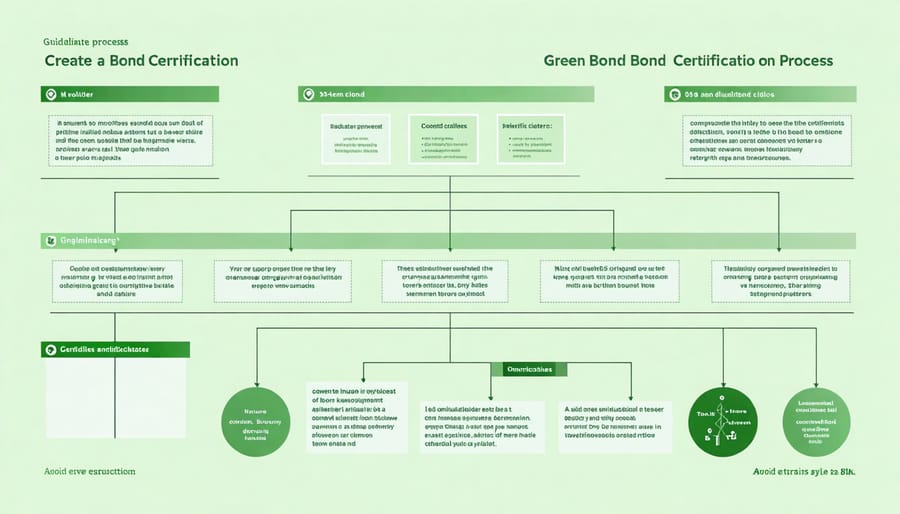
Green bonds must meet specific criteria and undergo rigorous certification processes to earn their “green” designation. The Climate Bonds Initiative (CBI) and International Capital Market Association (ICMA) establish these standards, which focus on environmental impact and transparency. For a bond to qualify as green, the funded projects must demonstrate clear environmental benefits, such as reducing greenhouse gas emissions, improving energy efficiency, or advancing renewable energy technologies.
The certification process typically involves third-party verification to ensure compliance with established frameworks. Key requirements include detailed project documentation, impact measurement protocols, and regular reporting on environmental outcomes. Issuers must clearly define their project selection criteria, management of proceeds, and intended use of funds.
Additionally, green bonds must maintain transparency through annual reports that detail the environmental impact of funded projects. These reports typically include quantifiable metrics such as carbon emissions avoided, energy saved, or renewable energy capacity added. The monitoring and verification processes continue throughout the bond’s lifetime, ensuring ongoing compliance with green standards and maintaining investor confidence in the environmental integrity of their investments.
Solar-Specific Green Bond Features
Green bonds tailored for solar projects incorporate unique features that address the specific needs of photovoltaic installations. These specialized debt instruments typically offer longer maturity periods, ranging from 15 to 25 years, to match the operational lifetime of solar facilities. The bond structures often include stepped-up coupon rates that align with the project’s expected energy production and revenue generation patterns.
Solar-specific green bonds frequently incorporate performance-linked elements, where interest rates may adjust based on achieved solar generation targets or carbon offset metrics. This feature incentivizes optimal project performance while providing investors with potential upside participation. The bonds may also include specialized security arrangements, such as direct claims on power purchase agreements (PPAs) and equipment warranties.
Many solar green bonds feature standardized reporting frameworks focused on environmental metrics specific to solar energy, including kilowatt-hours generated, carbon emissions avoided, and grid integration effectiveness. These bonds often incorporate provisions for technology upgrades and maintenance reserves, ensuring long-term project viability. Additionally, some structures include credit enhancement mechanisms through multilateral development banks or government agencies, making them more attractive to institutional investors while reducing financing costs for project developers.
Implementing Green Bond-Funded Solar Projects
Project Assessment and Planning
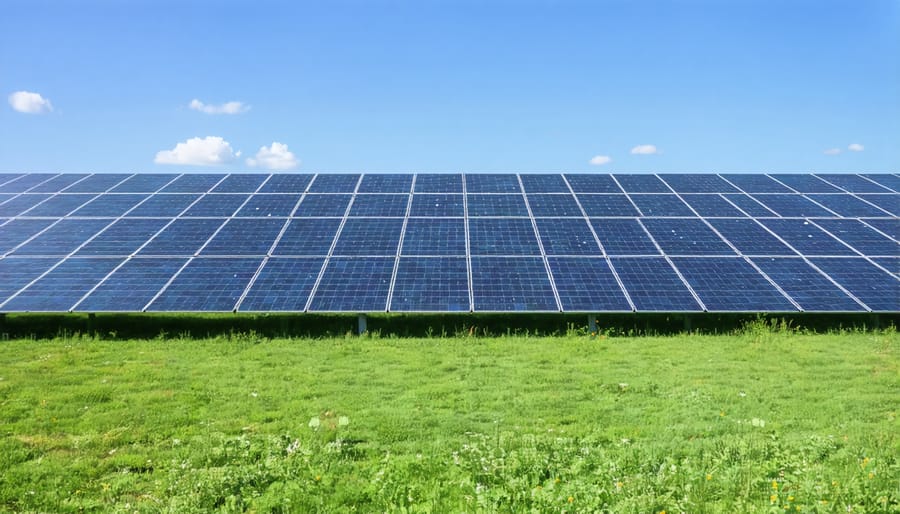
Successful implementation of green energy projects requires thorough assessment and strategic planning before pursuing green bond financing. Begin with a comprehensive feasibility study that evaluates technical specifications, resource availability, and local regulations. This initial phase of solar project development should include detailed site assessments, environmental impact studies, and grid connection analysis.
Create a robust financial model incorporating capital costs, operational expenses, and projected revenue streams. Consider factors such as equipment lifecycle, maintenance requirements, and potential policy changes that might affect project viability. Evaluate multiple scenarios to understand risk factors and mitigation strategies.
Prepare detailed documentation for green bond certification, including project metrics aligned with recognized standards such as the Climate Bonds Initiative or Green Bond Principles. Establish clear environmental objectives and develop measurement protocols for tracking and reporting impact metrics.
Engage key stakeholders early in the planning process, including local authorities, utilities, and community representatives. Their input can help identify potential challenges and opportunities while ensuring project alignment with local development goals.
Finally, develop a comprehensive timeline that accounts for permitting processes, construction phases, and commissioning requirements. Include contingency plans for potential delays and establish clear milestones for monitoring progress throughout the project lifecycle.
Documentation and Compliance
Proper documentation and compliance are crucial elements for green bond-funded projects, requiring meticulous attention throughout the project lifecycle. Project developers must maintain comprehensive records of environmental impact assessments, feasibility studies, and technical specifications that demonstrate alignment with recognized green bond principles.
Key documentation requirements include detailed project plans outlining environmental objectives, measurable impact metrics, and implementation strategies. Regular monitoring reports must track progress against established sustainability targets, including greenhouse gas emission reductions, energy efficiency improvements, and environmental risk mitigation measures.
For ongoing compliance, projects must submit periodic performance reports to green bond issuers and investors, typically on a quarterly or semi-annual basis. These reports should include quantitative data on energy generation, carbon offsets, and other relevant environmental indicators. Independent third-party verification is often required to validate project outcomes and ensure continued adherence to green bond criteria.
Financial documentation must demonstrate appropriate allocation of bond proceeds and maintain transparency in project expenditures. This includes detailed cost breakdowns, investment schedules, and proof of sustainable procurement practices. Projects must also maintain current permits, licenses, and regulatory approvals from relevant environmental authorities.
A robust document management system should be implemented to organize and preserve all required documentation, ensuring easy access for audits and stakeholder reviews. Regular compliance audits help identify and address any potential gaps in documentation or performance metrics, maintaining the project’s green bond status and credibility.
Risk Management Strategies
Effective renewable energy risk management is crucial for the success of green bond solar projects. Key strategies include comprehensive insurance coverage, detailed contingency planning, and robust monitoring systems. Project developers should implement multi-layered risk mitigation approaches that address technical, financial, and operational challenges.
Performance guarantees and warranties from equipment manufacturers help protect against technology risks, while weather insurance safeguards against production shortfalls. Financial risks can be managed through fixed-rate financing structures, currency hedging instruments, and diversified funding sources. Regular equipment maintenance, performance monitoring, and preventive measures significantly reduce operational risks.
Environmental impact assessments and compliance monitoring ensure regulatory adherence and minimize legal risks. Stakeholder engagement programs help manage community relations and reputational risks. Advanced monitoring systems with real-time data analytics enable early risk detection and swift response protocols.
Project teams should establish clear governance frameworks with defined roles and responsibilities for risk management. Regular risk assessments, documentation of lessons learned, and continuous improvement processes enhance project resilience. Partnership with experienced technical advisors and financial institutions provides additional expertise in identifying and addressing potential risks throughout the project lifecycle.
Maximizing Project Success Through Green Bond Financing
Performance Monitoring and Reporting
Effective performance monitoring and reporting are crucial components of any green energy project’s success. Implementing robust solar performance monitoring systems enables project managers to track key metrics, optimize operations, and demonstrate compliance with environmental standards and investor requirements.
Project teams should establish comprehensive monitoring frameworks that track both technical and environmental performance indicators. Key metrics typically include energy generation output, system efficiency, greenhouse gas emissions avoided, and financial performance measures. Real-time monitoring systems with automated data collection capabilities help ensure accurate and timely reporting while minimizing manual intervention.
Regular reporting schedules should be established to meet stakeholder requirements, including quarterly performance updates, annual environmental impact assessments, and periodic compliance reports. These reports should detail project achievements, challenges encountered, and corrective actions taken to address any performance issues.
Documentation requirements typically include:
– Energy production data and efficiency metrics
– Environmental impact measurements
– Financial performance indicators
– Maintenance records and system health reports
– Compliance with green bond criteria and certifications
– Social impact assessments where applicable
To maintain transparency and credibility, third-party verification of performance data is often necessary. This independent validation helps build trust with investors and ensures compliance with green bond frameworks. Project managers should also maintain detailed records of methodology used for calculations and any assumptions made during reporting.
Modern data visualization tools and dashboards can help communicate complex performance metrics to diverse stakeholders effectively, making it easier to demonstrate project success and identify areas for improvement.
Stakeholder Engagement
Effective stakeholder engagement is crucial for the success of green energy projects, requiring a structured communication framework that maintains transparency and fosters trust. Begin by identifying key stakeholders, including investors, local communities, regulatory bodies, and environmental organizations. Develop a comprehensive stakeholder management plan that outlines communication channels, frequency of updates, and feedback mechanisms.
Regular project updates should be delivered through multiple channels, including quarterly reports, stakeholder meetings, and digital platforms. These updates must detail project milestones, environmental impact assessments, and financial performance metrics. For investors specifically, provide clear documentation of how funds are being utilized and the project’s contribution to environmental goals.
Establish a dedicated stakeholder liaison team responsible for maintaining consistent communication and addressing concerns promptly. This team should organize periodic site visits and community engagement events to demonstrate project progress and environmental benefits firsthand. Implementation of a structured feedback system enables stakeholders to voice concerns and suggestions, ensuring their perspectives are considered in project decision-making.
Digital tools and platforms can enhance stakeholder engagement by providing real-time project updates and performance data. Consider developing a secure online portal where stakeholders can access relevant documentation, environmental impact reports, and financial statements. Regular workshops and educational sessions can help stakeholders better understand technical aspects and environmental benefits of the project.
Document all stakeholder interactions and maintain detailed records of communications, decisions, and actions taken. This documentation serves as a valuable reference for project governance and helps demonstrate commitment to transparency and accountability. Remember that successful stakeholder engagement is an ongoing process that requires consistent effort and adaptation to changing needs and expectations.
Future Trends and Opportunities
The green bond market for solar projects is experiencing unprecedented growth, with several emerging trends shaping the future landscape. Institutional investors are increasingly prioritizing Environmental, Social, and Governance (ESG) criteria, leading to a surge in demand for solar-focused green bonds. This trend is expected to continue, with projections indicating a potential market value of $2.5 trillion by 2025.
Digital innovation is revolutionizing green bond issuance and trading. Blockchain technology and smart contracts are streamlining verification processes, reducing transaction costs, and enhancing transparency. These technological advances are making green bonds more accessible to a broader range of investors and project developers.
Standardization efforts in the green bond market are creating new opportunities. The development of unified taxonomies and reporting frameworks is improving investor confidence and market liquidity. This standardization is particularly beneficial for solar projects, as it simplifies the certification process and reduces compliance costs.
Emerging markets present significant growth potential for solar green bonds. Countries in Southeast Asia and Africa are implementing supportive regulatory frameworks and incentive structures to attract green investment. These markets offer attractive yields while contributing to global sustainability goals.
Innovation in bond structures is creating new financing opportunities. Hybrid bonds, sustainability-linked bonds, and project-specific bonds are becoming more common, offering flexible financing solutions for various solar project scales. These innovative structures allow for better risk management and more targeted investment strategies.
The integration of artificial intelligence and big data analytics is enhancing project evaluation and monitoring capabilities. These technologies enable more accurate assessment of project risks and environmental impacts, leading to better-informed investment decisions and improved project outcomes.
Looking ahead, the convergence of policy support, technological advancement, and growing environmental awareness suggests a robust future for solar green bonds. The market is expected to see increased standardization, improved liquidity, and greater innovation in financial products, creating numerous opportunities for both investors and project developers.
Green energy projects represent a vital step toward a sustainable future, offering both environmental benefits and economic opportunities. By focusing on solar installations, wind power systems, and energy efficiency improvements, organizations and individuals can make meaningful contributions to reducing carbon emissions while potentially securing attractive returns on investment. As you embark on your green energy journey, remember to conduct thorough feasibility studies, engage with relevant stakeholders, and stay informed about available funding mechanisms, including green bonds and government incentives. Consider starting with smaller pilot projects to gain experience before scaling up, and don’t hesitate to collaborate with experienced professionals or academic institutions for technical guidance. The transition to renewable energy requires dedication and careful planning, but the long-term benefits for both the environment and your organization make it a worthwhile endeavor.