
The photovoltaic technician role demands far more than technical installation skills—it requires comprehensive knowledge of the evolving regulatory frameworks that govern solar energy systems. As renewable energy policies shift across federal, state, and local jurisdictions, PV technicians must navigate building codes, electrical standards, interconnection requirements, and safety regulations that directly impact every project they undertake.
Understanding policy and regulatory requirements separates competent installers from career-ready professionals. Grid interconnection rules determine how systems connect to utility networks, while permitting processes vary significantly by municipality, affecting project timelines and costs. Net metering policies influence system design decisions, and incentive programs like the Investment Tax Credit shape customer proposals. Without this knowledge, technicians risk costly code violations, failed inspections, and compromised system performance.
The regulatory landscape continues to expand as solar adoption accelerates. The National Electrical Code updates every three years with new photovoltaic-specific articles. State-level renewable portfolio standards create compliance requirements that technicians must understand. Local jurisdictions implement unique fire safety codes and structural requirements. Professional certification bodies like NABCEP increasingly emphasize regulatory competency in their credentialing standards.
Successful PV technicians recognize that technical expertise and regulatory knowledge form an inseparable foundation. Educational programs now integrate policy training with hands-on technical instruction, often through collaborations with universities that provide both theoretical frameworks and practical application. This comprehensive approach prepares professionals to anticipate regulatory challenges, communicate effectively with authorities having jurisdiction, and deliver compliant installations that protect both their employers and customers.
The following examination explores essential regulatory knowledge areas, identifies accessible training pathways, and demonstrates how policy literacy translates into career advancement within the expanding solar industry.
The Evolving Role of the Modern PV Technician
From Installation to Compliance Expert
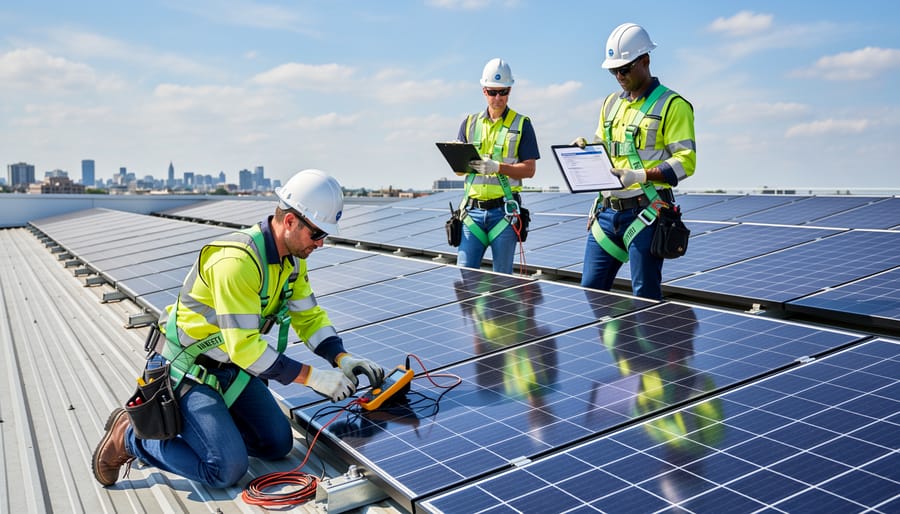
Modern PV technicians must evolve beyond hands-on installation skills to become compliance experts who navigate complex regulatory environments. While PV installation training provides essential technical foundations, today’s professionals encounter daily scenarios requiring policy knowledge that directly impacts project success.
Consider a residential installation where local zoning ordinances mandate specific setback requirements from property lines. A technician lacking regulatory awareness might complete an installation only to face costly repositioning after inspection failure. Similarly, understanding net metering policies becomes critical when configuring system sizes, as exceeding certain capacity thresholds can affect compensation rates for excess energy production.
Grid interconnection standards present another practical challenge. Technicians must verify that equipment meets utility-specific requirements before connecting systems, preventing project delays and ensuring safe operation. Building code compliance extends beyond electrical standards to encompass structural considerations for roof-mounted arrays, requiring knowledge of load calculations and permitting procedures.
Environmental regulations also shape daily operations. Proper handling and disposal of damaged panels containing hazardous materials requires familiarity with waste management protocols. Additionally, awareness of incentive program deadlines helps technicians advise clients effectively, maximizing financial benefits while ensuring installations meet eligibility criteria.
This transition from installer to compliance expert reflects the industry’s maturation. Educational programs now integrate regulatory components alongside technical curriculum, preparing professionals to navigate policy landscapes confidently while maintaining installation excellence. This comprehensive skill set distinguishes competent technicians in an increasingly regulated marketplace.
Industry Demand for Policy-Savvy Technicians
The solar industry is experiencing a significant shift in hiring priorities, with employers increasingly seeking technicians who possess both technical expertise and comprehensive regulatory knowledge. Recent market analyses indicate that job postings for photovoltaic technicians now frequently list policy awareness and compliance training as preferred or required qualifications, reflecting the industry’s maturation and the growing complexity of regulatory frameworks.
Leading solar installation companies report that technicians with regulatory training reduce project delays by up to 30 percent, as these professionals can proactively identify permitting requirements and compliance issues before they escalate into costly problems. This operational efficiency translates directly to competitive advantage, driving demand for policy-savvy professionals across the sector.
Educational institutions have responded to this market need through strategic industry partnerships. Universities now collaborate with solar companies to develop curriculum that integrates regulatory training with technical instruction, ensuring graduates enter the workforce with comprehensive skill sets. These partnerships often include internship programs, guest lectures from compliance officers, and real-world case studies that examine how policy decisions impact installation projects. Industry feedback consistently indicates that graduates from programs emphasizing regulatory education demonstrate faster job readiness and greater long-term career advancement potential, further reinforcing employer preference for policy-trained technicians in an increasingly competitive talent marketplace.
Essential Policy Areas Every PV Technician Must Understand
Building Codes and Electrical Standards
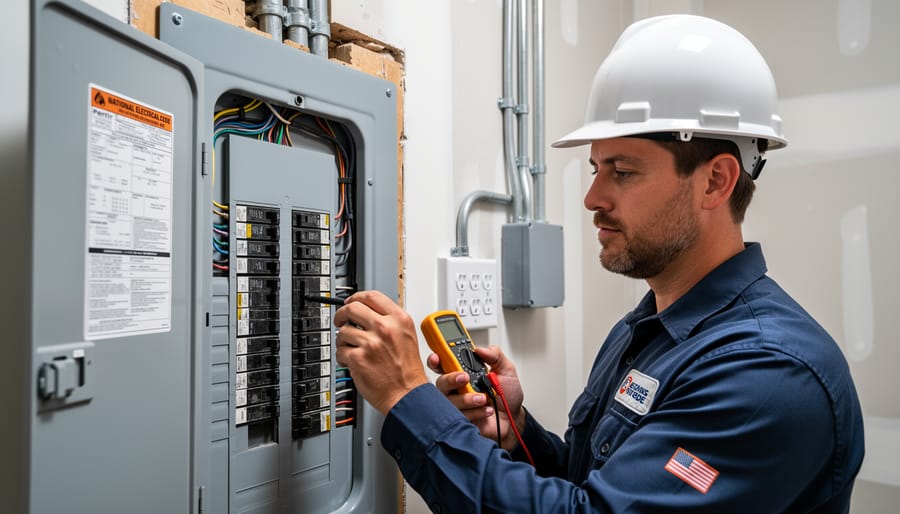
Photovoltaic technicians must demonstrate comprehensive knowledge of building codes and electrical standards to ensure installations comply with legal and safety requirements. The National Electrical Code (NEC), specifically Article 690, establishes fundamental requirements for solar photovoltaic systems in the United States. This code addresses critical aspects including conductor sizing, overcurrent protection, grounding methods, and disconnect requirements. PV technicians must stay current with NEC updates, which occur on a three-year cycle, as requirements evolve alongside technological advancements in solar energy systems.
Beyond federal standards, local building codes impose additional requirements that vary by jurisdiction. These regulations often address structural considerations such as roof load capacity, wind and snow load calculations, and fire setback requirements. Technicians must obtain proper permits before commencing installation work and coordinate inspections with local authorities having jurisdiction. Understanding these regional variations is essential, as failure to comply can result in project delays, financial penalties, or system de-energization.
Educational programs focusing on regulatory compliance provide aspiring technicians with structured training in code interpretation and application. Many universities collaborate with industry partners to develop curricula that balance theoretical knowledge with practical code compliance scenarios. These programs typically include hands-on training where students learn to reference code books, calculate system specifications according to NEC requirements, and navigate the permitting process. This training ensures technicians can confidently design and install systems that meet all safety and structural standards while maintaining operational efficiency and long-term reliability.
Interconnection Requirements and Utility Regulations
Navigating the complex landscape of grid connection policies represents a critical responsibility for photovoltaic technicians. These professionals serve as essential liaisons between solar installations and utility companies, ensuring compliance with interconnection standards established by regulatory bodies. The interconnection process involves submitting technical documentation, coordinating inspections, and verifying that solar systems meet specific safety and performance requirements set forth by local utilities and grid operators.
Net metering regulations vary significantly across jurisdictions, creating a challenging environment that demands comprehensive knowledge from PV technicians. These policies determine how excess electricity generated by solar systems feeds back into the grid and how customers receive credit for their contributions. Technicians must understand metering configurations, utility-specific paperwork requirements, and billing arrangements to properly advise clients and ensure accurate system commissioning. Understanding state-level renewable energy standards, interconnection timelines, and utility rate structures proves essential for successful project completion.
Effective utility coordination requires technicians to maintain current knowledge of evolving regulations and establish professional relationships with utility representatives. This includes managing interconnection applications, scheduling utility inspections, troubleshooting approval delays, and addressing technical concerns raised during the review process. Many educational programs now incorporate regulatory training modules that cover interconnection procedures, utility communication protocols, and compliance documentation. Universities collaborating with industry partners provide specialized coursework addressing regional regulatory variations, preparing technicians to navigate jurisdiction-specific requirements confidently. This regulatory expertise distinguishes competent professionals in an increasingly regulated renewable energy marketplace, ultimately facilitating smoother project deployment and enhanced customer satisfaction.
Permitting Processes and Documentation
Navigating permitting processes represents a fundamental responsibility for PV technicians throughout the solar installation lifecycle. These professionals serve as critical liaisons between project teams, local authorities, and utility companies, ensuring all regulatory requirements are satisfied before, during, and after system installation.
The permit application process typically begins with submitting detailed system design documents to local building departments. PV technicians must prepare comprehensive documentation packages that include electrical single-line diagrams, structural calculations, equipment specifications, and site plans. These materials demonstrate compliance with the National Electrical Code, local building codes, and zoning ordinances. Technicians often coordinate with engineers and project managers to verify that all technical specifications align with jurisdictional requirements.
Throughout the application phase, technicians track permit status, respond to reviewer comments, and submit revised documentation as needed. Many jurisdictions now utilize electronic permitting platforms, requiring technicians to develop proficiency with digital submission systems and maintain organized digital records.
Once permits are issued, PV technicians ensure that installation work adheres strictly to approved plans. This includes scheduling and facilitating inspections at critical project milestones, such as structural mounting, electrical rough-in, and final system commissioning. Technicians must be present during inspections to address inspector questions and demonstrate code compliance.
Post-installation, technicians compile as-built documentation, interconnection agreements, and warranty information for system owners. This comprehensive record-keeping proves essential for future maintenance, system modifications, and compliance verification. Educational programs that emphasize permitting procedures through university collaborations provide aspiring technicians with practical experience in documentation management and regulatory navigation.
Financial Incentives and How Technicians Enable Client Access
Federal Investment Tax Credit (ITC) Compliance
The Federal Investment Tax Credit (ITC) represents one of the most significant financial incentives driving solar adoption in the United States, and PV technicians play a critical role in ensuring client eligibility. Currently, the ITC allows property owners to deduct a substantial percentage of their solar installation costs from federal taxes, but this benefit depends entirely on proper system installation and comprehensive documentation.
PV technicians must understand that ITC compliance begins at installation. The system must meet specific technical requirements, including using certified equipment and adhering to established safety standards. Documentation requirements are equally rigorous—technicians must ensure accurate recording of equipment specifications, installation dates, system costs, and interconnection approvals. Any gaps in documentation can jeopardize a client’s ability to claim thousands of dollars in tax credits.
Educational programs addressing ITC compliance typically cover eligible system components, cost basis calculations, and the distinction between new construction and retrofit installations. Through collaboration with universities and industry-focused training providers, aspiring technicians learn to maintain meticulous installation records and communicate effectively with clients about their documentation responsibilities.
Understanding ITC requirements also involves staying current with legislative changes, as credit percentages and eligibility criteria evolve. Technicians who demonstrate proficiency in ITC compliance documentation provide added value to employers and clients while supporting the broader goal of making solar energy economically accessible.
State and Local Incentive Programs
Beyond federal initiatives, numerous state and local governments have established incentive programs to accelerate solar adoption within their jurisdictions. These regional programs vary significantly in structure, eligibility requirements, and application processes, making the PV technician’s understanding of location-specific regulations essential for successful project implementation.
PV technicians play a crucial role in ensuring installations meet the technical specifications required by state and local incentive programs. This includes understanding state-specific interconnection standards, which govern how photovoltaic systems connect to the electrical grid. Many programs require detailed documentation of system components, performance specifications, and installation methods, responsibilities that often fall to the technician during project execution.
Regional programs may include property tax exemptions, sales tax waivers, performance-based incentives, and renewable energy credits. Technicians must be familiar with their state’s renewable portfolio standards and how residential and commercial installations contribute to these mandates. Additionally, some municipalities offer expedited permitting for qualified installers, creating competitive advantages for technicians who maintain current knowledge of local requirements.
Universities and technical colleges frequently collaborate with state energy offices to develop training modules that address regional policy variations. These educational programs ensure technicians understand the specific compliance requirements in their service areas, enabling them to properly document installations and assist customers in accessing available incentives.
Training Pathways: Building Your Policy and Regulation Expertise
Online Educational Programs and University Partnerships
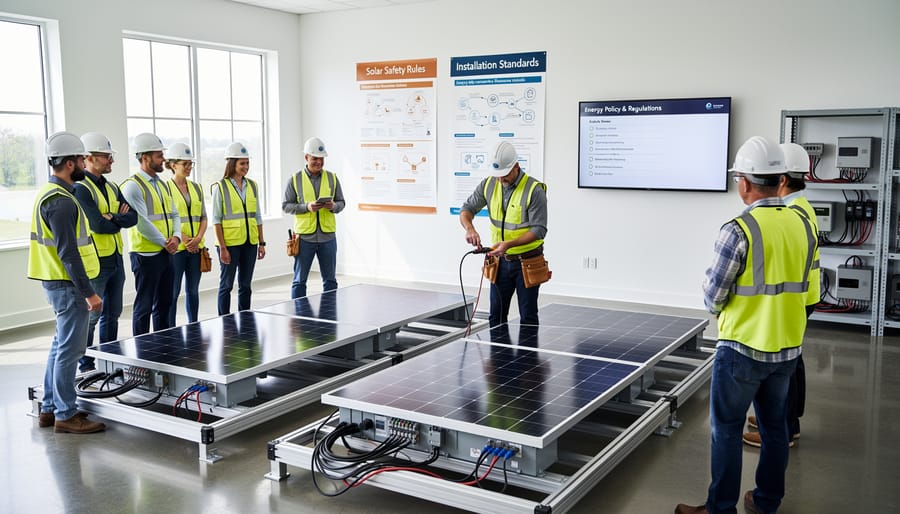
Academic institutions increasingly recognize the critical role policy knowledge plays in solar workforce development, leading to innovative partnerships that deliver targeted regulatory training. Many universities and community colleges now offer comprehensive training programs specifically designed for PV technicians, integrating policy education alongside technical skills development.
These collaborations between industry leaders and educational institutions create curriculum frameworks that address real-world regulatory challenges. Programs typically cover essential topics including permitting procedures, interconnection standards, safety codes, and local compliance requirements. Students gain exposure to National Electrical Code (NEC) Article 690 provisions, building codes affecting solar installations, and utility-specific regulations that vary by jurisdiction.
Leading institutions have developed certificate programs and associate degrees that combine hands-on technical training with structured policy courses. These online educational programs offer flexibility for working professionals seeking to advance their knowledge without interrupting their careers. Many programs feature industry-experienced instructors who bring practical regulatory insights from active solar projects.
University partnerships also facilitate access to updated policy resources, regulatory databases, and continuing education opportunities. This collaborative approach ensures that aspiring PV technicians receive education aligned with current industry standards and evolving regulatory requirements, ultimately preparing them for successful careers in the rapidly growing solar sector.
Industry Certifications with Regulatory Components
Professional photovoltaic technicians increasingly require comprehensive knowledge of regulatory frameworks alongside technical expertise. Several industry certifications now integrate policy and regulation training into their curricula, recognizing this dual competency requirement.
The North American Board of Certified Energy Practitioners (NABCEP) offers the most recognized PV Installation Professional certification, which includes modules covering National Electrical Code (NEC) compliance, local permitting requirements, and utility interconnection standards. Candidates must demonstrate understanding of electrical safety regulations, building codes, and jurisdiction-specific installation requirements. The certification examination tests knowledge of Article 690 of the NEC, which specifically governs solar photovoltaic systems.
The Interstate Renewable Energy Council (IREC) provides standardized training guidelines that emphasize regulatory compliance throughout the installation process. Many accredited training programs incorporate these standards, ensuring graduates understand permitting procedures, inspection protocols, and regulatory documentation requirements.
Additionally, the Electronics Technicians Association International offers Solar PV installer certification with regulatory components addressing safety standards and compliance verification. These programs often collaborate with universities and technical colleges to deliver comprehensive curricula combining hands-on technical training with essential policy education, preparing technicians for real-world regulatory challenges they will encounter throughout their careers.
Continuing Education and Staying Current
The photovoltaic industry experiences continuous regulatory evolution, making ongoing professional development essential for technicians. Staying current requires a multifaceted approach that combines formal education, industry certifications, and active engagement with professional networks.
Professional organizations such as the North American Board of Certified Energy Practitioners (NABCEP) offer recertification programs that mandate continuing education credits, ensuring practitioners remain updated on code changes and safety standards. These requirements typically include courses on National Electrical Code updates, emerging interconnection policies, and evolving permitting procedures.
Subscription to industry publications and regulatory bulletins provides timely information about policy shifts at federal, state, and local levels. Many utilities and state energy offices publish quarterly updates regarding incentive programs and grid connection requirements that directly impact installation practices.
University partnerships and educational institutions increasingly offer modular training programs designed for working professionals. These programs deliver targeted instruction on specific regulatory topics, from environmental compliance to utility interconnection agreements, without requiring full-time enrollment.
Webinars, workshops, and annual conferences hosted by solar industry associations provide concentrated learning opportunities while facilitating knowledge exchange with peers facing similar regulatory challenges. Participation in these forums strengthens both technical competency and professional networks, positioning technicians for long-term career advancement in this dynamic field.
Real-World Application: Policy Knowledge in Daily Operations
Pre-Installation Site Assessment and Regulatory Review
Before any photovoltaic installation begins, technicians conduct comprehensive site assessments to ensure regulatory compliance and project viability. This critical phase involves evaluating multiple factors that determine whether a site meets local, state, and federal requirements.
Technicians begin by reviewing zoning ordinances and building codes specific to the jurisdiction. They examine setback requirements, height restrictions, and land-use regulations that may affect system placement. Understanding interconnection standards is equally important, as these govern how the PV system will connect to the electrical grid and what technical specifications must be met.
The assessment also includes structural evaluations to verify that rooftops or ground-mount locations can safely support the planned installation. Technicians document shading patterns, roof conditions, electrical infrastructure capacity, and potential obstacles that could impact system performance or violate safety codes.
Environmental permits may be required for certain installations, particularly ground-mounted systems or those in protected areas. Technicians must identify which permits are necessary and ensure all documentation is prepared correctly before work commences.
Through educational programs and collaboration with universities, aspiring technicians learn systematic approaches to conducting these assessments. This training emphasizes attention to detail and thorough documentation, as oversights during the pre-installation phase can lead to costly delays, failed inspections, or legal complications that compromise project success.
Managing Inspection and Approval Processes
Successfully navigating inspection and approval processes requires thorough preparation and clear communication with regulatory authorities. PV technicians should begin by verifying that all installation documentation is complete, including electrical diagrams, equipment specifications, and interconnection agreements. Before scheduling inspections, conduct a comprehensive self-audit using the jurisdiction’s inspection checklist to identify and correct potential issues.
During inspections, maintain a professional demeanor and be prepared to explain installation decisions with supporting code references. Inspectors typically evaluate electrical connections, grounding systems, conduit work, proper labeling, and structural mounting integrity. Having your permits, plans, and test results readily accessible demonstrates professionalism and expedites the review process.
If an installation fails inspection, document all cited violations and corrective actions required. Address deficiencies promptly and request a reinspection once corrections are complete. Many educational programs and university partnerships offer specialized training modules on inspection procedures and common failure points, helping technicians develop the knowledge needed to achieve first-time approval rates. Building positive relationships with local inspectors through consistent quality work and regulatory compliance ultimately streamlines future projects and enhances your professional reputation within the solar industry.

Career Advancement Through Policy Expertise
In today’s competitive solar industry, regulatory knowledge has emerged as a critical differentiator that sets exceptional photovoltaic technicians apart from their peers. As the renewable energy sector continues its rapid expansion, employers increasingly prioritize candidates who demonstrate comprehensive understanding of local, state, and federal policies governing solar installations. This specialized expertise directly translates to enhanced career prospects and measurable financial benefits.
Technicians who master policy and regulatory frameworks position themselves for leadership roles within their organizations. Project managers, compliance officers, and technical supervisors consistently emerge from the ranks of those who understand permitting processes, interconnection standards, and safety regulations. These professionals become invaluable resources, capable of navigating complex regulatory landscapes while ensuring projects meet all legal requirements. Their ability to interpret building codes, zoning ordinances, and utility interconnection agreements makes them essential team members during project planning and execution phases.
The financial advantages of policy expertise are substantial. Industry data indicates that certified technicians with demonstrated regulatory knowledge command salary premiums of 15-25 percent compared to those with purely technical skills. This wage differential reflects the tangible value organizations place on professionals who minimize compliance risks and expedite project approvals.
Acquiring this competitive advantage requires commitment to continuous learning through structured educational programs that integrate policy training with technical instruction. Many universities now collaborate with industry leaders to develop comprehensive curricula addressing regulatory competencies alongside installation techniques. These programs recognize that modern photovoltaic professionals must function as both skilled technicians and informed policy navigators, capable of bridging technical execution with regulatory compliance in an evolving energy landscape.
The photovoltaic industry stands at a critical juncture where technical proficiency alone no longer suffices for career advancement. As regulatory frameworks continue evolving alongside rapid technological innovation, PV technicians who possess comprehensive knowledge of policy and regulation gain a distinct competitive advantage in the marketplace. This understanding enables professionals to navigate complex compliance requirements, anticipate regulatory changes, and contribute strategically to project planning and execution.
Educational institutions and universities have recognized this need, developing specialized programs that integrate regulatory training with hands-on technical instruction. These collaborations between industry and academia ensure that emerging professionals enter the workforce equipped with both practical skills and essential policy knowledge. Aspiring PV technicians should prioritize comprehensive education that addresses permitting processes, interconnection standards, safety codes, and incentive program requirements alongside traditional installation and maintenance training.
The investment in regulatory expertise pays dividends throughout a technician’s career, opening pathways to supervisory roles, project management positions, and consulting opportunities. As municipalities refine building codes and utilities update grid connection requirements, technicians versed in these areas become invaluable assets to employers seeking to maintain compliance while maximizing efficiency.
Looking forward, the solar industry’s projected growth trajectory suggests unprecedented opportunities for qualified professionals. Global renewable energy targets and climate commitments will drive demand for skilled technicians who understand not only how solar systems function but also how they fit within broader regulatory ecosystems. Those who pursue this holistic educational approach position themselves at the forefront of an industry poised to reshape the global energy landscape.