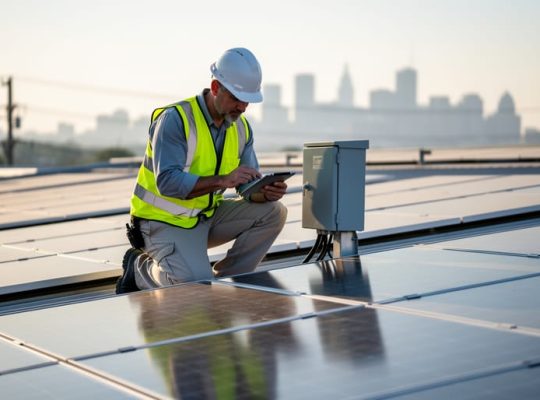
The rapid growth of solar energy deployment has created unprecedented demand for skilled photovoltaic (PV) installation professionals, making comprehensive training programs crucial for industry advancement. Modern PV installation training combines hands-on technical expertise with advanced digital simulation tools, preparing installers for both current demands and future innovations in solar technology. Industry-recognized certification programs now integrate real-time monitoring systems, drone-assisted site assessment techniques, and sophisticated design software, elevating the standard of professional solar installation practices. Leading training institutes partner with equipment manufacturers and engineering firms to provide students access to cutting-edge solar technologies, ensuring graduates emerge with practical experience in the latest installation methodologies, safety protocols, and system optimization strategies. This strategic combination of theoretical knowledge and practical application creates installation professionals capable of delivering efficient, reliable, and code-compliant solar energy systems while adapting to evolving industry standards and technological advancements.
Modern Approaches to PV Installation Training
Hands-on Virtual Simulation Labs
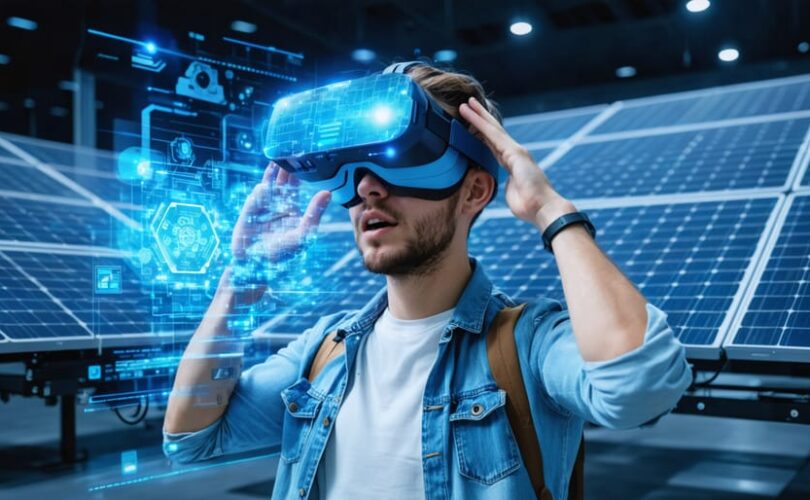
Virtual simulation labs represent a groundbreaking advancement in photovoltaic installation training, offering trainees risk-free exposure to complex installation scenarios. These sophisticated digital environments replicate real-world conditions, allowing students to practice installation procedures, troubleshooting, and safety protocols without physical equipment constraints.
Modern VR-based training platforms incorporate detailed 3D models of solar panels, mounting systems, and electrical components, enabling trainees to understand spatial relationships and technical specifications. Students can virtually navigate rooftop environments, practice proper tool handling, and learn optimal panel placement while receiving real-time feedback on their performance.
The simulation software typically includes various weather conditions, roof types, and installation challenges, preparing technicians for diverse field scenarios. Trainees can repeatedly practice complex procedures, such as electrical wiring connections and inverter installations, until they achieve mastery. This approach significantly reduces the learning curve and minimizes potential risks associated with hands-on training.
Advanced analytics within these platforms track trainee progress, identifying areas requiring additional focus. Many programs feature collaborative elements, allowing instructors to remotely guide students through complicated procedures and provide immediate correction of errors. This technology particularly proved invaluable during recent global disruptions, ensuring continuous professional development despite physical distancing requirements.
These virtual labs complement traditional hands-on training, creating a comprehensive learning experience that accelerates skill development while maintaining safety standards.
Interactive Online Learning Platforms
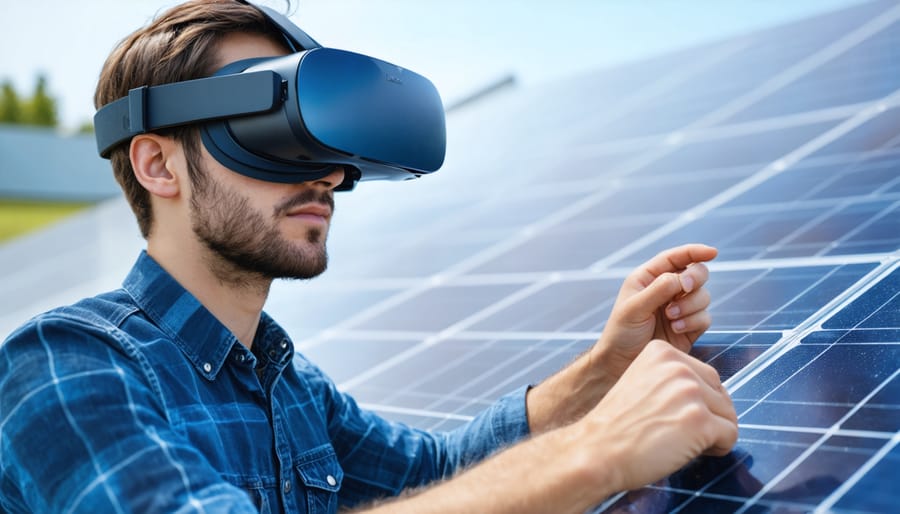
Interactive online learning platforms have revolutionized photovoltaic installation training, offering flexible and comprehensive education solutions for aspiring solar professionals. These digital environments provide structured online solar PV training courses that combine theoretical knowledge with virtual simulations and interactive assessments.
Modern e-learning platforms feature sophisticated 3D modeling tools that allow students to practice system design and component placement in a risk-free virtual environment. These platforms typically include real-time progress tracking, personalized learning paths, and immediate feedback mechanisms that enhance the learning experience.
Key benefits of digital learning environments include:
– 24/7 accessibility to course materials and resources
– Self-paced learning opportunities
– Interactive multimedia content including videos, animations, and virtual labs
– Regular updates to reflect industry standards and technological advances
– Cost-effective training solutions compared to traditional classroom settings
– Global networking opportunities with industry professionals
Many platforms integrate Learning Management Systems (LMS) that track competency development and certification progress. These systems often feature collaborative tools enabling students to participate in virtual group projects and discussion forums, simulating real-world team environments. Advanced platforms also incorporate augmented reality (AR) elements, allowing students to visualize complex installation scenarios and practice troubleshooting procedures before working on actual systems.
Essential Technical Components
Safety Protocols and Certification Requirements
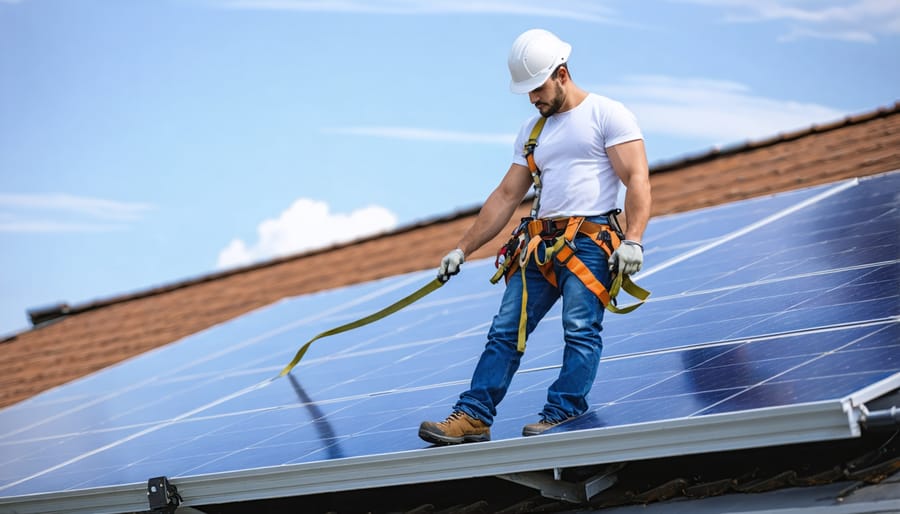
Safety is paramount in photovoltaic installation, requiring comprehensive training and adherence to strict protocols. Aspiring installers must complete OSHA-approved safety courses covering fall protection, electrical safety, and proper equipment handling. These fundamental safety requirements are typically integrated into professional PV certification programs.
Key safety training components include:
– Working at heights and ladder safety
– Personal protective equipment (PPE) requirements
– Electrical hazard identification and mitigation
– Emergency response procedures
– Tool and equipment safety protocols
– Weather-related safety considerations
Industry certifications play a crucial role in validating competency and ensuring safety standards. The North American Board of Certified Energy Practitioners (NABCEP) certification is widely recognized as the gold standard, requiring candidates to demonstrate proficiency in both safety protocols and technical installation procedures.
Additional certification requirements often include:
– Basic First Aid and CPR certification
– Arc Flash Safety training
– OSHA 10-hour Construction Safety certification
– Local jurisdiction-specific safety permits
– Manufacturer-specific equipment certifications
Training programs must incorporate hands-on safety demonstrations and practical assessments in controlled environments. Students learn to properly use fall protection systems, conduct pre-installation safety assessments, and implement emergency response procedures. Regular safety audits and updates ensure compliance with evolving industry standards and regulations.
Maintaining certification typically requires ongoing education and periodic renewal to stay current with safety protocols and technological advances. This commitment to continuous learning helps ensure installer safety and project quality throughout one’s career in the solar industry.
System Design and Engineering Principles
The foundation of photovoltaic installation training lies in understanding comprehensive system design principles and engineering fundamentals. Trainees must develop robust solar design skills through a combination of theoretical knowledge and practical application.
System sizing calculations form a crucial component of the training, incorporating factors such as local solar irradiance, shading analysis, and site-specific energy requirements. Students learn to evaluate roof structural integrity, determine optimal panel orientation, and calculate appropriate string sizing for maximum system efficiency.
Electrical engineering principles are extensively covered, focusing on DC/AC power conversion, voltage drop calculations, and proper conductor sizing. Training programs emphasize the importance of understanding National Electrical Code (NEC) requirements specific to photovoltaic installations, ensuring compliance with safety standards and regulations.
Advanced coursework includes detailed study of system components, including:
– Module technologies and specifications
– Inverter selection and configuration
– Mounting system design and structural requirements
– Battery storage integration
– Balance of system components
Trainees develop proficiency in using industry-standard design software tools for system modeling and performance predictions. This includes learning to generate accurate shade analysis reports, electrical line diagrams, and detailed project documentation.
Safety considerations are integrated throughout the design process, with particular attention to:
– Proper grounding techniques
– Arc-fault protection
– Rapid shutdown requirements
– Fire safety considerations
– Fall protection measures
The curriculum typically incorporates hands-on experience with system monitoring and data acquisition tools, enabling students to analyze system performance and troubleshoot potential issues. Understanding maintenance requirements and system optimization strategies ensures long-term operational efficiency of installed systems.
Modern training programs also address emerging technologies and design considerations, such as bifacial modules, smart inverters, and building-integrated photovoltaics (BIPV), preparing professionals for the evolving solar industry landscape.

University Partnerships and Industry Collaboration
Academic Curriculum Integration
Leading educational institutions are increasingly integrating comprehensive photovoltaic installation training into their curricula, recognizing the growing demand for skilled solar professionals. Modern university solar programs combine theoretical knowledge with hands-on experience, preparing students for real-world challenges in the renewable energy sector.
These academic programs typically feature dedicated solar laboratories equipped with cutting-edge installation equipment, monitoring systems, and simulation software. Students engage in practical exercises using actual PV components, learning proper installation techniques, system design principles, and safety protocols. Many universities have also developed partnerships with industry leaders, enabling students to participate in real installation projects and gain valuable field experience.
The curriculum often includes specialized courses covering solar physics, electrical engineering fundamentals, system design software, and project management. Advanced programs incorporate emerging technologies such as smart inverters, energy storage systems, and monitoring platforms. Universities are also emphasizing professional certification preparation, helping students meet industry standards and requirements.
To enhance learning outcomes, institutions frequently collaborate with solar manufacturers and installation companies, providing students access to the latest equipment and installation methodologies. This integration of academic theory and practical industry experience ensures graduates are well-prepared for immediate employment in the rapidly evolving solar energy sector.

Industry Expert Involvement
Industry experts play a pivotal role in shaping effective photovoltaic installation training programs, bringing real-world experience and current industry practices directly into the learning environment. These professionals contribute through various channels, including guest lectures, hands-on demonstrations, and curriculum development consultations.
Leading solar companies frequently partner with training institutions to ensure programs remain aligned with industry needs. These partnerships facilitate equipment donations, providing students access to current technology and tools used in the field. Industry professionals also participate in advisory boards, helping educational institutions adapt their curricula to address emerging trends and technological advancements in solar installation.
Many training programs incorporate mentorship opportunities, where experienced installers guide students through complex installation scenarios and troubleshooting processes. These mentorship relationships often extend beyond the training period, creating valuable networking opportunities for aspiring professionals.
Industry experts also contribute by conducting specialized workshops on advanced topics such as system design optimization, safety protocols, and emerging solar technologies. Their involvement ensures that training programs maintain high standards of practical relevance while meeting current certification requirements.
Furthermore, professionals from solar manufacturing companies often provide technical training on specific products and systems, ensuring students are familiar with various equipment types they’ll encounter in their careers. This manufacturer-specific training proves particularly valuable as graduates enter the workforce, equipped with practical knowledge of common industry tools and technologies.
Future-Proofing Your PV Installation Skills
Emerging Technologies and Training Updates
The landscape of photovoltaic installation training continues to evolve rapidly with the advancement of emerging solar technologies. Modern training programs now incorporate virtual reality (VR) simulations, allowing trainees to practice complex installation procedures in a risk-free environment. These immersive experiences provide hands-on practice with various roof configurations and equipment types before working on actual installations.
Artificial Intelligence (AI) and machine learning applications have transformed system design training, enabling students to optimize panel placement and predict energy yields with unprecedented accuracy. Digital twin technology allows trainees to understand system performance and troubleshooting in real-time, while augmented reality (AR) tools provide step-by-step guidance during practical exercises.
Training curricula now include modules on bifacial panels, building-integrated photovoltaics (BIPV), and advanced energy storage systems. The integration of IoT sensors and smart monitoring systems has become a crucial component of installation training, preparing technicians for the increasing connectivity demands of modern solar installations.
Mobile learning platforms and remote diagnostic tools have made continuous education more accessible, allowing professionals to stay current with industry developments and certification requirements. These technological advances ensure that installers are equipped to handle the sophisticated requirements of next-generation solar systems while maintaining the highest safety and efficiency standards.
Professional Development Pathways
The photovoltaic installation field offers numerous opportunities for career advancement and professional growth. Professionals can progress from entry-level installers to senior technicians, project managers, and system designers through structured pathways that combine hands-on experience with continued education.
Certification advancement plays a crucial role in career development. After obtaining basic certification, professionals can pursue specialized credentials in areas such as commercial installations, battery storage systems, and advanced system design. Organizations like NABCEP (North American Board of Certified Energy Practitioners) offer progressive certification levels that validate expertise and increase earning potential.
Continuous learning is essential in this rapidly evolving industry. Professional development opportunities include:
– Advanced technical training programs
– Industry conferences and workshops
– Manufacturer-specific product certifications
– Management and leadership development courses
– Safety and compliance updates
– Emerging technology workshops
Many professionals choose to specialize in specific areas such as residential installations, utility-scale projects, or operations and maintenance. Others pursue entrepreneurial paths by starting their own installation companies or consulting firms.
Educational partnerships between industry organizations and academic institutions provide additional advancement opportunities through degree programs, research positions, and teaching roles. These collaborations often lead to innovation in installation techniques and system designs, creating new career paths for experienced professionals.
Regular engagement with professional associations and industry networks helps practitioners stay current with technological advances and industry best practices while building valuable professional relationships.
Quality photovoltaic installation training remains a cornerstone of the renewable energy industry’s continued growth and success. As solar technology evolves and installation methods become more sophisticated, the importance of comprehensive training programs cannot be overstated. These programs ensure that installations meet safety standards, optimize system performance, and deliver maximum value to end-users.
The future outlook for PV installation training is particularly promising, with emerging technologies like artificial intelligence and virtual reality enhancing learning experiences. These innovations allow trainees to practice complex installations in risk-free environments while developing crucial problem-solving skills. Additionally, the growing integration of smart grid technologies and energy storage systems necessitates continuous education and skill development for installation professionals.
Industry-academic partnerships continue to strengthen the educational landscape, providing students with both theoretical knowledge and practical experience. These collaborations ensure that training programs remain current with industry developments and regulatory requirements. The emphasis on certification programs and standardized training protocols helps maintain high-quality installation practices across the sector.
As the solar industry expands globally, the demand for qualified installers is expected to grow significantly. This trend underscores the value of investing in comprehensive training programs that prepare professionals for the complexities of modern PV systems. Furthermore, the focus on sustainable energy solutions in response to climate change creates additional opportunities for trained installers.
Looking ahead, successful PV installation training will likely incorporate more specialized modules covering emerging technologies, such as building-integrated photovoltaics and advanced monitoring systems. This evolution ensures that professionals remain equipped to handle the increasingly sophisticated demands of the solar energy sector while maintaining the highest standards of safety and efficiency.