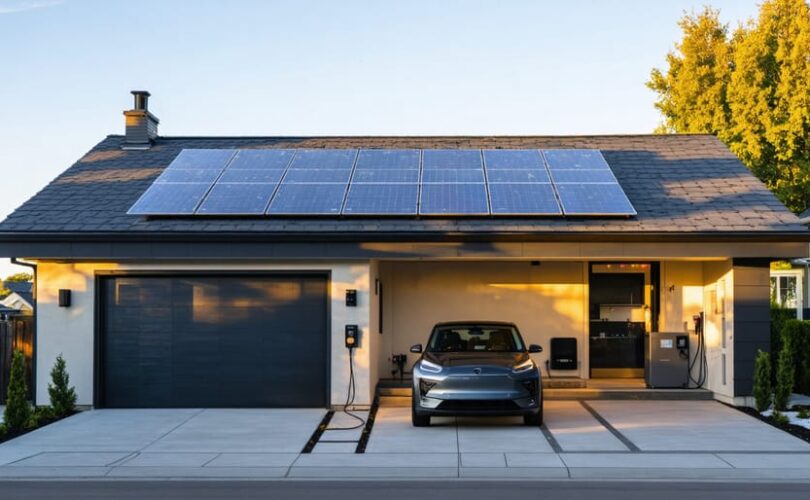
The modern smart energy home represents the convergence of solar photovoltaic technology and intelligent building management systems, creating unprecedented opportunities for energy independence, cost savings, and environmental stewardship. As global energy costs escalate and climate concerns intensify, residential and commercial property owners increasingly recognize that installing solar panels alone no longer constitutes a complete energy solution. Today’s sophisticated energy ecosystems integrate advanced PV arrays with real-time monitoring platforms, automated load management systems, battery storage solutions, and predictive algorithms that optimize energy production, consumption, and storage patterns throughout each 24-hour cycle.
This technological integration transforms passive energy consumers into active prosumers—entities that simultaneously produce, consume, store, and potentially sell electricity back to the grid. Smart energy homes leverage Internet of Things (IoT) sensors, machine learning algorithms, and cloud-based analytics to make microsecond decisions about energy routing: whether to power immediate household loads, charge battery banks for evening use, or export surplus generation to utilities during peak demand periods. The financial implications prove substantial, with properly configured systems reducing electricity costs by 70-90% while significantly increasing property valuations.
For photovoltaic professionals, understanding smart energy home architecture has become essential knowledge, bridging traditional electrical expertise with emerging digital infrastructure competencies. This comprehensive examination explores the technical foundations, practical implementation strategies, and professional opportunities within this rapidly evolving sector.
What Makes a Home Energy System ‘Smart’?
The Core Intelligence Layer
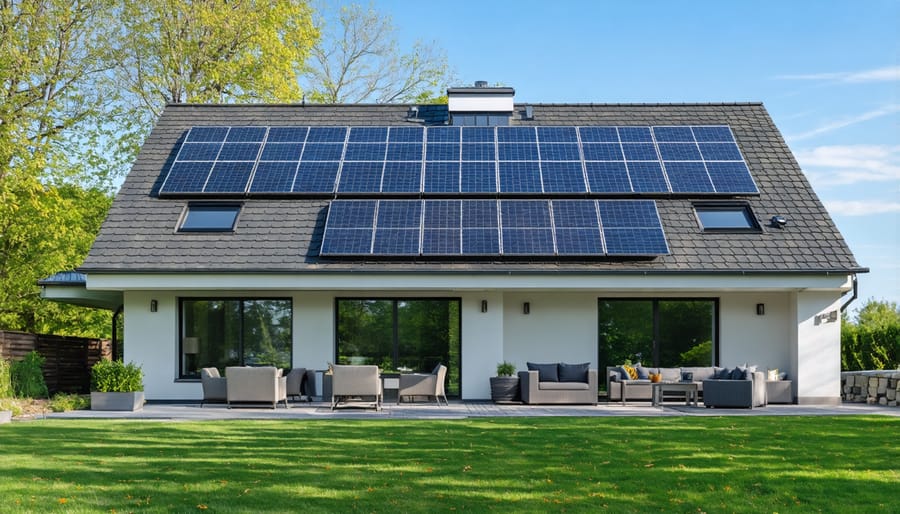
At the heart of every smart energy home lies a sophisticated intelligence layer that orchestrates energy flows, optimizes consumption patterns, and ensures seamless integration between generation, storage, and usage. This technological foundation transforms conventional solar installations into responsive, self-managing systems.
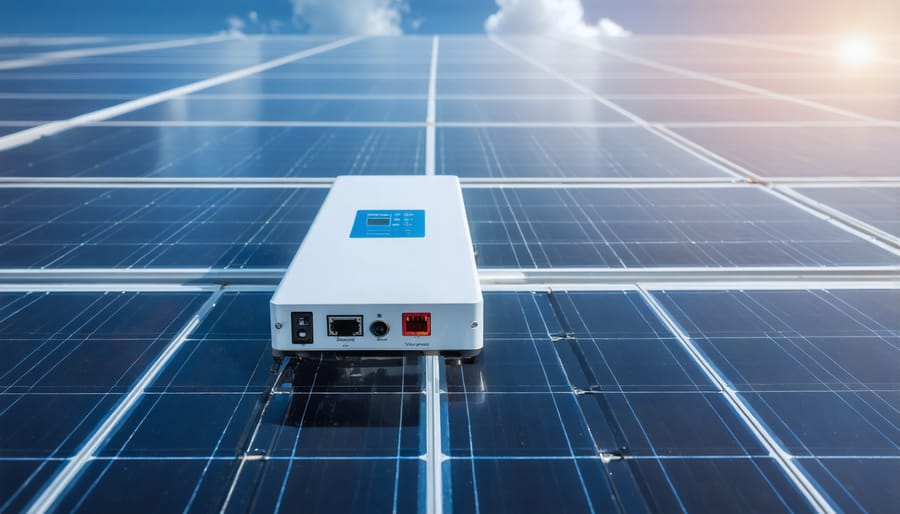
Smart inverters serve as the primary control hub, extending far beyond their traditional role of converting DC to AC power. Modern smart inverters incorporate advanced communication protocols, enabling real-time grid interaction, voltage regulation, and frequency support. These devices continuously monitor system performance, adjust output based on grid conditions, and can autonomously respond to utility signals during peak demand periods or grid disturbances.
Energy Management Systems (EMS) function as the operational brain, processing data from multiple sources to make intelligent decisions about energy allocation. An EMS analyzes generation forecasts, consumption patterns, time-of-use electricity rates, and battery charge states to determine optimal energy routing. For instance, it might prioritize charging electric vehicles during midday solar peak production while reserving stored energy for evening consumption when utility rates increase.
IoT sensors distributed throughout the home provide the granular data essential for informed decision-making. These devices monitor individual circuit loads, environmental conditions, occupancy patterns, and equipment status. Advanced EMS platforms leverage machine learning algorithms to recognize consumption patterns and predict future energy needs with increasing accuracy. Research collaborations between industry leaders and universities continue advancing these predictive capabilities, improving system efficiency by 15-30% compared to non-intelligent installations.
Data-Driven Energy Optimization
Real-time monitoring systems form the backbone of smart energy homes, continuously collecting granular data on electricity generation, consumption, and storage levels. Advanced sensors track photovoltaic output, battery state-of-charge, appliance-level usage, and environmental conditions at intervals as frequent as every few seconds. This comprehensive data stream enables sophisticated machine learning algorithms to identify consumption patterns, predict future energy demands, and optimize system performance automatically.
These intelligent algorithms analyze historical usage data alongside external inputs including weather forecasts, utility rate structures, and grid demand signals. By recognizing patterns—such as increased air conditioning loads during afternoon peak hours or reduced consumption during typical sleep periods—the system proactively adjusts energy flows. For instance, when weather predictions indicate sunny conditions, algorithms may delay battery discharge to maximize solar utilization, or conversely, precharge batteries ahead of anticipated cloudy periods.
Grid-interactive capabilities further enhance optimization potential. Smart systems respond to time-of-use pricing signals by shifting discretionary loads to off-peak hours, storing excess solar energy during low-rate periods, and even exporting power during premium-price windows where net metering policies apply. This dynamic responsiveness maximizes economic returns while supporting grid stability—particularly valuable for homeowners pursuing energy independence.
Research collaborations between universities and industry leaders continue advancing these algorithms, developing predictive models that account for occupancy patterns, seasonal variations, and equipment degradation. Academic institutions participating in renewable energy programs contribute valuable insights into optimization strategies, ensuring continuous improvement in system intelligence and efficiency outcomes.
Solar PV as the Foundation of Smart Building Energy Management
Modern Solar PV Technologies Enabling Smart Integration
The landscape of photovoltaic technology has evolved dramatically, with modern solar technologies now offering unprecedented efficiency and integration capabilities for smart home applications. Understanding these advancements is essential for implementing effective intelligent energy systems.
Monocrystalline PERC (Passivated Emitter and Rear Cell) panels represent a significant leap forward in residential solar deployment. These modules utilize advanced cell architecture that reflects unused photons back through the silicon wafer, achieving conversion efficiencies exceeding 22%. This enhanced performance translates directly to reduced roof space requirements—a critical consideration for urban residential installations where available surface area constrains system capacity.
Bifacial solar modules introduce another dimension to energy capture by generating electricity from both front and rear surfaces. When properly installed with reflective mounting systems or positioned above light-colored roofing materials, these panels can achieve 10-30% additional energy yield compared to traditional monofacial alternatives. This dual-sided generation capability aligns exceptionally well with smart energy management systems, providing more consistent power output throughout varying daily sun angles.
Solar roof tiles have emerged as a compelling solution for homeowners prioritizing aesthetic integration without compromising performance. These building-integrated photovoltaic (BIPV) products replace conventional roofing materials while maintaining power generation capabilities approaching 15-18% efficiency. Modern solar tiles communicate seamlessly with home energy management systems, enabling granular monitoring of individual tile performance and optimizing overall system output.
Each technology offers distinct advantages for smart home integration. PERC panels maximize output in limited spaces, bifacial modules enhance generation flexibility, and solar tiles eliminate visual impact concerns—collectively expanding photovoltaic adoption possibilities across diverse residential applications and architectural requirements.
Smart Inverters: The Brain of Your Solar System
Modern smart inverters have evolved far beyond simple DC-to-AC conversion, functioning as sophisticated energy management hubs that optimize performance while supporting grid stability. These advanced devices represent a critical evolution in residential solar technology, enabling homeowners to maximize energy independence while contributing to broader electrical infrastructure resilience.
At their core, smart inverters incorporate grid-support functions mandated by standards such as IEEE 1547-2018 and UL 1741 SA. These capabilities include autonomous voltage regulation, where the inverter adjusts reactive power output to maintain voltage within acceptable parameters—typically ±5% of nominal levels. This dynamic volt-VAR support prevents voltage fluctuations that can damage household electronics and destabilize local distribution networks.
Frequency response capabilities allow smart inverters to detect grid frequency deviations and adjust power output accordingly. When frequency rises above 60.1 Hz, indicating excess generation, the inverter can curtail output. Conversely, during under-frequency events below 59.5 Hz, stored energy can be dispatched if battery storage is integrated. This frequency-watt functionality provides essential grid services previously available only through conventional power plants.
Communication protocols represent another defining characteristic. Most contemporary smart inverters support multiple standards including Modbus TCP/IP, SunSpec, and IEEE 2030.5, enabling seamless integration with home energy management systems, utility demand response programs, and monitoring platforms. This interoperability allows real-time performance tracking, remote diagnostics, and coordinated operation with other distributed energy resources.
Advanced inverters also incorporate anti-islanding protection, ride-through capabilities during momentary grid disturbances, and ramp-rate controls that prevent sudden power fluctuations. Together, these features transform solar installations from passive generators into active grid participants, positioning smart homes as foundational elements of tomorrow’s decentralized, renewable-powered electrical infrastructure while providing homeowners unprecedented control over energy consumption patterns.
Key Applications of Solar PV in Smart Energy Homes
Load Shifting and Peak Shaving
Smart energy management systems leverage sophisticated algorithms to automatically orchestrate when household appliances and equipment consume electricity, strategically capitalizing on periods of abundant solar generation and favorable electricity rates. This intelligent coordination, known as load shifting, involves programming energy-intensive activities—such as water heating, pool filtration, electric vehicle charging, and major appliance operation—to coincide with peak solar production hours or off-peak utility pricing windows.
Peak shaving represents a complementary strategy where battery storage systems discharge stored energy during periods of high electricity demand when utility rates typically surge. By drawing from battery reserves rather than the grid during these premium-rate intervals, homeowners can substantially reduce their electricity costs while simultaneously alleviating strain on the broader electrical infrastructure. This approach proves particularly valuable in regions with time-of-use (TOU) rate structures, where price differentials between peak and off-peak periods create significant arbitrage opportunities.
Advanced energy management controllers continuously monitor multiple variables—including real-time solar production, battery state of charge, current electricity rates, weather forecasts, and historical consumption patterns. This comprehensive data analysis enables predictive optimization, ensuring that battery systems reserve adequate capacity for anticipated peak periods while maximizing self-consumption of solar generation. Research conducted in collaboration with leading universities demonstrates that properly configured load shifting and peak shaving strategies can reduce grid electricity purchases by 60-80% in well-designed solar-plus-storage installations, delivering measurable economic benefits while enhancing grid resilience and supporting broader renewable energy integration goals.
Predictive Energy Management
Predictive energy management represents a sophisticated evolution in smart home technology, leveraging advanced algorithms to anticipate energy needs and optimize system performance. By integrating weather forecasting data with historical consumption patterns, these systems can make intelligent decisions that maximize solar energy utilization while minimizing grid dependence and utility costs.
Modern predictive systems analyze meteorological data—including solar irradiance forecasts, temperature predictions, and cloud cover projections—to estimate upcoming photovoltaic generation capacity. When sunny conditions are anticipated, the system automatically pre-charges battery storage during off-peak hours or diverts excess solar production to pre-condition living spaces. For instance, on a forecasted hot afternoon, the system may pre-cool the home during morning hours when solar generation is abundant, reducing air conditioning demand during peak temperature periods.
Machine learning algorithms continuously refine these predictions by analyzing consumption history, occupancy patterns, and seasonal variations. This enables automated scheduling of high-energy appliances—such as washing machines, pool pumps, and electric vehicle chargers—to operate when solar generation is optimal. Academic research collaborations have demonstrated that predictive management can reduce grid consumption by 30-40% compared to reactive systems.
Leading energy management platforms now incorporate these capabilities through user-friendly interfaces, allowing homeowners to set preferences while the system handles complex optimization calculations. Universities partnering with industry leaders are developing enhanced predictive models that account for increasingly variable weather patterns, ensuring robust performance across diverse climate conditions.
Vehicle-to-Home (V2H) and Electric Vehicle Integration
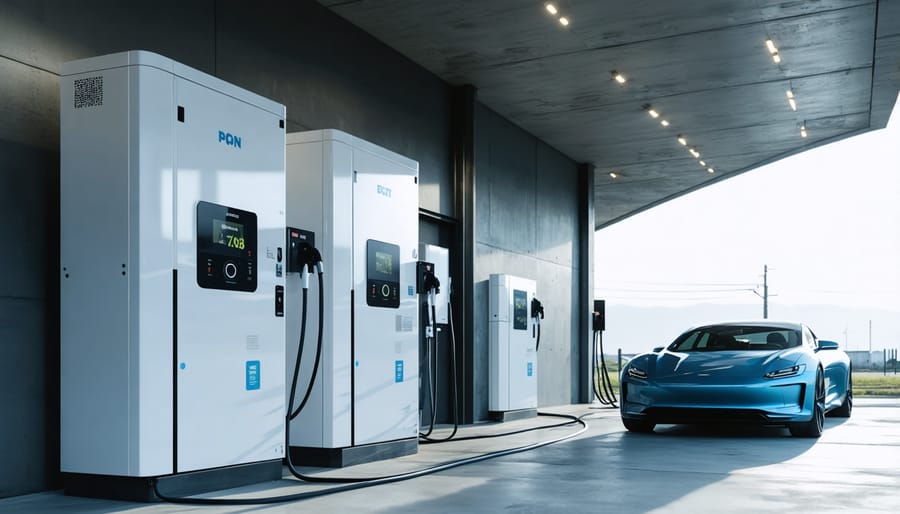
Electric vehicles represent a transformative component of smart energy homes through bidirectional charging technology, commonly known as Vehicle-to-Home (V2H) systems. This innovative approach converts EVs into mobile energy storage units that can both draw power from and supply electricity back to the home, effectively functioning as large-scale batteries integrated with residential energy management systems.
V2H systems utilize specialized bidirectional inverters that facilitate two-way power flow between the vehicle and home electrical panel. When solar panels generate excess electricity during peak production hours, intelligent energy management systems can prioritize charging the EV battery. Conversely, during evening demand peaks or utility rate surge periods, the stored energy can discharge back into the home, reducing grid dependence and maximizing self-consumption of solar-generated power.
Advanced coordination algorithms optimize charging schedules based on multiple variables: real-time solar production forecasts, time-of-use electricity rates, weather predictions, and anticipated vehicle usage patterns. Research conducted in collaboration with universities demonstrates that homes equipped with V2H capabilities can achieve 15-30% additional savings on energy costs compared to standard solar-plus-storage configurations.
The integration extends beyond economics to provide enhanced grid resilience. During power outages, EVs can serve as backup power sources, maintaining critical home functions for extended periods. As vehicle battery capacities continue expanding—many models now exceed 75 kWh—the potential for household energy autonomy grows substantially. Educational programs increasingly emphasize V2H system design as essential knowledge for renewable energy professionals navigating this rapidly evolving technological landscape.
Grid Services and Virtual Power Plants
Smart solar homes increasingly function as distributed energy resources that, when aggregated, create powerful networks capable of supporting grid infrastructure. Virtual power plants (VPPs) leverage sophisticated software platforms to coordinate thousands of residential solar installations, battery storage systems, and smart appliances, effectively creating a single, dispatchable generation asset from distributed resources.
Through demand response programs, aggregated smart homes provide critical grid stability services during peak demand periods. When utilities face supply constraints, VPP operators can temporarily reduce consumption or discharge stored energy from participating homes, receiving compensation while helping prevent blackouts. This bidirectional relationship transforms passive consumers into active grid participants, with some programs offering annual incentives ranging from $200 to $1,000 per household depending on commitment levels and system capacity.
Advanced inverter functionality enables smart solar homes to provide ancillary services including frequency regulation, voltage support, and reactive power compensation. Modern grid-interactive inverters respond within milliseconds to grid signals, adjusting output to maintain stability without homeowner intervention. Research collaborations between universities and industry partners continue refining these control algorithms, optimizing performance across diverse grid conditions.
Hybrid power systems particularly excel in VPP applications, as integrated battery storage provides flexible capacity for both energy arbitrage and emergency grid support. Aggregators typically require minimum battery capacities of 5-10 kWh for program participation, though larger systems receive preferential compensation rates. As VPP markets mature, regulatory frameworks increasingly recognize the value these distributed resources provide, establishing fair compensation mechanisms that reward both energy delivery and grid support capabilities.
Energy Storage Integration: The Missing Piece
Intelligent Battery Management Systems
Advanced Battery Management Systems (BMS) represent a critical evolution in residential energy storage, transforming batteries from passive storage devices into intelligent energy orchestrators. These sophisticated systems employ machine learning algorithms and predictive analytics to optimize charging and discharging cycles, delivering substantial economic and environmental advantages.
Modern BMS platforms integrate multiple data streams to make informed energy decisions. By analyzing utility time-of-use rate structures, these systems automatically charge batteries during off-peak periods when electricity costs are lowest and discharge during peak-rate windows, potentially reducing energy bills by 30-50%. Weather forecasting integration enables the BMS to anticipate solar production levels, adjusting storage strategies accordingly—charging from the grid before predicted cloudy periods or reserving capacity when abundant sunshine is forecast.
Household consumption pattern recognition further enhances system intelligence. Through continuous monitoring, the BMS identifies daily usage trends, seasonal variations, and appliance-specific demands. This historical data allows predictive load management, ensuring critical devices maintain power availability while optimizing non-essential loads for cost efficiency.
Environmental benefits extend beyond renewable energy utilization. Intelligent BMS reduces grid strain during peak demand periods, minimizing reliance on carbon-intensive peaker plants. Additionally, sophisticated thermal management and charge cycle optimization significantly extend battery lifespan, reducing replacement frequency and associated manufacturing impacts.
Research collaborations between industry manufacturers and university engineering departments continue advancing BMS capabilities, with emerging systems incorporating grid services participation and vehicle-to-home integration. These developments position battery management as essential infrastructure in comprehensive smart energy home ecosystems.
Practical Implementation Considerations for Aspiring PV Professionals
System Design Principles
Designing an effective smart energy home requires careful consideration of multiple interconnected elements that work together to optimize energy generation, storage, and consumption. The foundation begins with comprehensive load analysis, where homeowners must evaluate their complete energy consumption patterns throughout different seasons and times of day. This analysis identifies peak demand periods, baseline loads, and potential energy-saving opportunities that inform all subsequent design decisions.
Solar array sizing represents a critical calculation that balances available roof space, orientation, shading analysis, and household energy requirements. Professional designers typically recommend systems that generate 100-120% of annual consumption to account for efficiency losses and seasonal variations. The system design principles must also consider future expansion possibilities as household needs evolve.
Storage capacity determination involves evaluating battery system requirements based on desired autonomy periods, typically ranging from one to three days for grid-tied systems with backup capabilities. This calculation must account for depth-of-discharge limitations, temperature effects on battery performance, and the specific chemistry selected for energy storage.
Communication infrastructure forms the nervous system of smart energy homes, requiring robust protocols that enable seamless data exchange between solar inverters, battery systems, smart meters, and home energy management platforms. Modern systems typically employ combinations of Wi-Fi, Zigbee, or proprietary protocols that ensure reliable connectivity while maintaining cybersecurity standards. Universities collaborating with industry leaders continue advancing these integration technologies, developing standardized approaches that enhance interoperability across diverse equipment manufacturers.
Technology Selection and Compatibility
Selecting compatible technology components represents a critical phase in establishing an effective smart energy home system. When evaluating smart inverters, prioritize models certified to IEEE 1547-2018 standards, which ensure grid-support functions and proper voltage regulation. Modern inverters should offer built-in monitoring capabilities, rapid shutdown compliance, and firmware update provisions to accommodate evolving utility requirements.
Energy Management System (EMS) platforms vary significantly in sophistication and scalability. Leading solutions provide real-time consumption analytics, predictive load forecasting, and automated demand response capabilities. Evaluate platforms based on data visualization quality, mobile accessibility, and integration flexibility with third-party devices. Cloud-based systems offer enhanced analytics and remote accessibility, while local controllers provide greater data security and operational independence during internet outages.
Monitoring solutions should deliver granular, circuit-level insights rather than whole-home summaries alone. Look for systems offering sub-second data refresh rates and comprehensive historical analysis tools, enabling precise identification of consumption patterns and optimization opportunities.
Interoperability remains the paramount consideration when selecting components from different manufacturers. Verify adherence to common communication protocols including Modbus, SunSpec, and OCPP standards. Request documented API specifications and confirm compatibility through manufacturer technical support channels. Many universities conducting renewable energy research maintain compatibility databases and testing protocols that can inform selection decisions. Prioritizing open-standard products over proprietary systems ensures long-term flexibility, facilitates system expansion, and protects against vendor lock-in scenarios that could limit future upgrade pathways.
Regulatory and Utility Considerations
Successfully integrating smart solar systems requires navigating complex regulatory frameworks that vary significantly by jurisdiction. Net metering policies remain fundamental, allowing homeowners to receive credit for excess electricity fed back to the grid, though compensation rates and program structures differ widely among utilities. Some regions offer one-to-one retail rate credits, while others provide wholesale rates or implement capacity caps that limit program participation.
Interconnection requirements establish technical standards for connecting solar installations to the utility grid, specifying equipment certifications, insurance obligations, and inspection procedures. These protocols ensure system safety and grid stability but can add time and cost to installations. Understanding local utility rate structures—including time-of-use pricing, demand charges, and tiered rates—is essential for optimizing system design and battery storage capacity.
Emerging regulations increasingly address grid modernization, renewable energy mandates, and virtual power plant participation. Many utilities now require advanced inverter functions like voltage regulation and frequency response, while some jurisdictions mandate minimum battery storage capacities for new solar installations. Educational programs collaborating with universities help professionals stay current with evolving requirements, ensuring compliant installations that maximize financial returns while supporting grid resilience and renewable energy adoption goals.
Future Trends Shaping Smart Solar Homes
The convergence of emerging technologies promises to revolutionize smart solar homes beyond current capabilities. Artificial intelligence and machine learning algorithms are evolving to provide unprecedented levels of energy optimization, analyzing historical consumption patterns, weather forecasts, and grid pricing to autonomously manage energy flows with minimal human intervention. These AI systems will predict household energy needs days in advance, preemptively adjusting storage and consumption strategies to maximize efficiency and cost savings.
Blockchain technology is positioning itself as a transformative force in peer-to-peer energy trading. Distributed ledger systems will enable homeowners with excess solar generation to sell directly to neighbors through secure, automated transactions, bypassing traditional utility intermediaries. This decentralized energy marketplace creates new revenue streams for solar homeowners while promoting community-level energy resilience and grid independence.
Advanced photovoltaic materials represent another frontier, with perovskite solar cells and tandem cell technologies approaching commercialization. These next-generation materials promise higher conversion efficiencies exceeding 30% while reducing manufacturing costs. Flexible, lightweight solar films will enable integration into building materials previously unsuitable for conventional panels, expanding installation possibilities.
Vehicle-to-home (V2H) technology integration will transform electric vehicles into mobile energy storage units, effectively doubling or tripling household battery capacity. Bidirectional charging systems will allow EVs to supply backup power during outages or peak demand periods, creating a seamless ecosystem between transportation and residential energy management.
Universities collaborating with industry leaders are developing predictive maintenance algorithms using IoT sensor networks to identify component degradation before failures occur. These educational partnerships are accelerating innovation while preparing the next generation of professionals to implement these sophisticated systems, ensuring widespread adoption of increasingly intelligent solar home technologies.
Solar photovoltaic systems have emerged as the foundational technology enabling truly intelligent building energy management. By generating clean electricity at the point of consumption, PV installations create the essential foundation upon which smart energy homes operate, powering everything from automated climate control to energy storage systems and electric vehicle charging infrastructure. This integration transforms passive structures into responsive, efficient environments that actively manage energy flows based on real-time generation and consumption patterns.
The expanding role of solar PV in smart homes presents unprecedented opportunities for photovoltaic professionals. As residential and commercial sectors increasingly adopt integrated energy management solutions, demand continues to grow for skilled technicians, system designers, and energy consultants who understand both photovoltaic technology and intelligent building systems. These professionals serve as critical bridges between renewable energy generation and sophisticated control systems, ensuring optimal performance and maximum return on investment.
Education remains the cornerstone of advancing smart energy adoption across all sectors. Universities partnering with industry leaders are developing comprehensive programs that equip the next generation of professionals with essential knowledge spanning solar technology, energy storage, building automation, and grid integration. For aspiring professionals, pursuing structured educational pathways through accredited institutions and specialized training programs provides the technical foundation and practical skills necessary to excel in this rapidly evolving field. As smart energy homes transition from innovation to standard practice, well-educated professionals will drive continued advancement, making sustainable, intelligent buildings accessible to broader populations while contributing to global climate objectives.