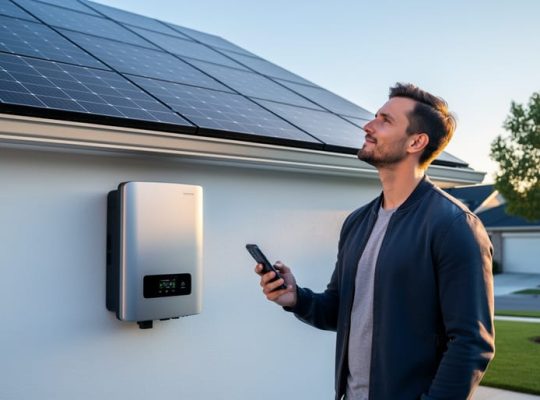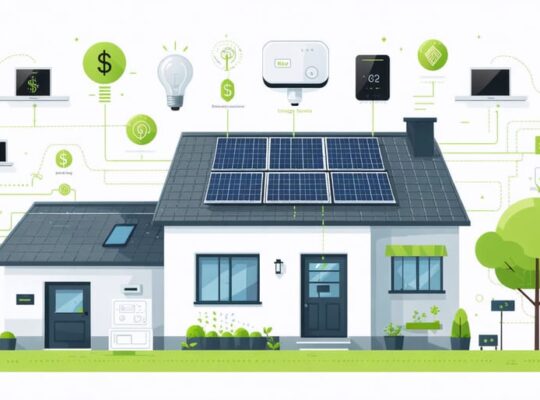
Optimize solar panel orientation to capture maximum sunlight throughout the day by adjusting tilt angles seasonally – typically latitude plus 15 degrees in winter and latitude minus 15 degrees in summer. Install advanced monitoring systems with real-time performance analytics to detect efficiency drops and maintenance needs immediately, ensuring consistent power generation. Implement automated cleaning systems and anti-soiling coatings to maximize rooftop solar efficiency by preventing dust and debris accumulation, which can reduce output by up to 30%. Deploy smart inverter technology with Maximum Power Point Tracking (MPPT) capabilities to dynamically adjust voltage and current levels, optimizing energy harvest across varying environmental conditions. These evidence-based optimization strategies, when implemented correctly, can increase photovoltaic system output by 20-40% compared to basic installations.
Optimal Panel Positioning and Orientation
Finding the Perfect Angle
The optimal tilt angle of solar panels plays a crucial role in maximizing energy production, with calculations based primarily on geographical latitude and seasonal variations. For fixed-mount systems in the Northern Hemisphere, the general rule is to set the tilt angle equal to the location’s latitude for optimal year-round performance. However, this baseline can be adjusted by ±15 degrees depending on seasonal priorities.
To determine the precise angle, professionals utilize advanced solar positioning algorithms that account for multiple variables. These include the sun’s path throughout the year, local weather patterns, and site-specific factors such as surrounding obstacles. For locations in the continental United States, tilt angles typically range from 30 to 45 degrees.
Mathematical optimization models suggest that panels should be adjusted seasonally: steeper angles (latitude plus 15 degrees) during winter months to capture low-angle sunlight, and shallower angles (latitude minus 15 degrees) during summer when the sun travels higher across the sky. This seasonal adjustment can increase annual energy yield by 5-15% compared to fixed-angle installations.
For dual-axis tracking systems, sophisticated algorithms continuously calculate the sun’s position to maintain perpendicular alignment with incoming solar radiation. While these systems can increase energy production by up to 40%, their cost-effectiveness must be evaluated against the specific project requirements and local environmental conditions.

Solar Tracking Systems
Solar tracking systems represent a significant advancement in photovoltaic technology, enabling solar panels to follow the sun’s movement throughout the day. These systems can increase energy yield by 25-45% compared to fixed installations, depending on geographical location and system configuration.
Two primary categories of solar trackers exist: single-axis and dual-axis systems. Single-axis trackers rotate along one axis, typically following the sun from east to west, and can improve energy production by 25-35%. Dual-axis trackers adjust both horizontally and vertically, maximizing solar exposure throughout the year and potentially increasing yield by 35-45%.
The selection of an appropriate tracking system depends on several factors, including installation location, climate conditions, and cost considerations. While tracking systems require additional investment and maintenance, their enhanced energy production often justifies the expense in areas with high solar irradiance.
Modern tracking systems incorporate advanced sensors and algorithms to optimize panel positioning. These systems can automatically adjust for weather conditions, detect snow loads, and assume safe positions during high winds. Some advanced trackers even utilize machine learning to predict optimal positioning based on historical performance data.
However, tracking systems may not be suitable for all installations. Roof-mounted systems typically cannot accommodate trackers, and areas with frequent cloudy weather may not benefit sufficiently from the additional investment. A thorough cost-benefit analysis should precede any tracking system implementation.
Regular Maintenance Practices
Cleaning Protocols
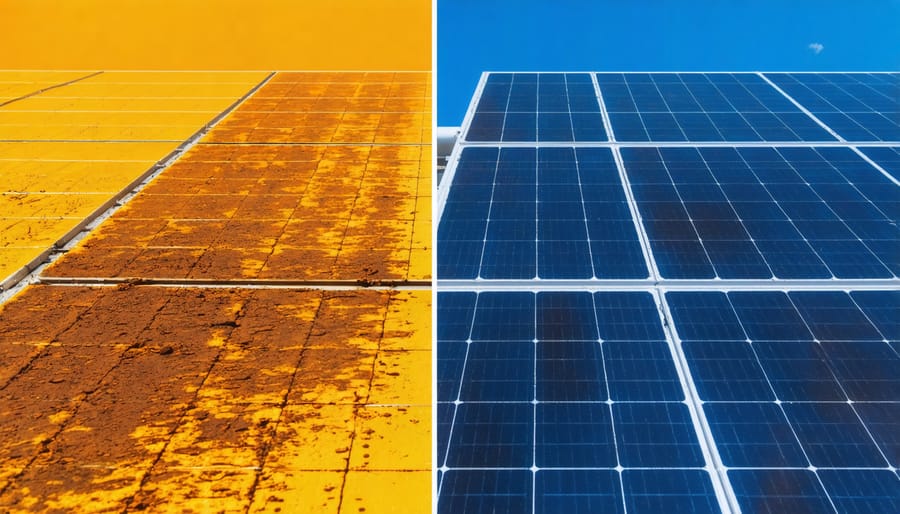
Regular cleaning of solar panels is essential for maintaining optimal energy production. Professional cleaning protocols involve a systematic approach that combines proper techniques, appropriate cleaning solutions, and safety measures. The recommended cleaning frequency varies based on location and environmental conditions, typically ranging from quarterly to bi-annual maintenance.
Begin by conducting a visual inspection to identify areas of significant dirt accumulation, bird droppings, or other debris. Use deionized or distilled water to prevent mineral deposits from forming on the panels. For stubborn deposits, utilize specialized solar panel cleaning solutions that are non-abrasive and biodegradable. Avoid standard household detergents, as these can leave residue that reduces panel efficiency.
Professional cleaning equipment should include soft-bristled brushes, microfiber cloths, and telescopic poles for safe access to elevated installations. Clean during early morning or evening hours when panels are cool to prevent thermal shock from cold water on hot surfaces. Work methodically from the top down, using gentle circular motions to remove debris without applying excessive pressure.
Automated cleaning systems, such as robotic cleaners or sprinkler systems, offer efficient alternatives for large installations. However, these systems require proper configuration and regular maintenance to ensure effective operation. Documentation of cleaning activities, including dates, methods used, and observed panel conditions, helps establish optimal cleaning intervals for specific installations.
For regions prone to specific environmental challenges like dust storms or heavy pollution, implement more frequent cleaning schedules. Consider seasonal adjustments, increasing frequency during pollen seasons or periods of high bird activity. Professional cleaning services should be certified and familiar with manufacturer specifications to prevent warranty violations during maintenance procedures.
Performance Monitoring
Effective performance monitoring is crucial to boost solar panel performance and maintain optimal energy production. Modern monitoring systems utilize specialized software and hardware components to track key performance indicators (KPIs) in real-time. Essential monitoring tools include:
Data acquisition systems (DAS) that collect performance metrics such as voltage, current, and power output at regular intervals. These systems often integrate with weather stations to correlate environmental conditions with energy production.
Remote monitoring platforms enable system owners to access performance data through web interfaces or mobile applications. These platforms typically feature automated alerts for performance anomalies and detailed analytical reports.
String-level monitoring devices measure individual panel arrays, helping identify underperforming segments within the system. This granular approach enables precise troubleshooting and maintenance scheduling.
Production meters and energy management systems track overall system output and consumption patterns. By comparing actual production against theoretical yields, system owners can calculate performance ratios and efficiency metrics.
Advanced monitoring solutions may incorporate thermal imaging and IV curve tracers to detect potential hot spots, degradation issues, or connection problems. Regular performance analysis using these tools helps maintain system efficiency and extends the operational lifespan of solar installations.
Technical Optimization Strategies
Temperature Management
Temperature management plays a crucial role in optimizing solar panel performance, as high temperatures can significantly reduce conversion efficiency. Recent solar panel efficiency breakthroughs have highlighted the importance of maintaining optimal operating temperatures for maximum power output.
To effectively manage panel temperature, implementing proper ventilation is essential. Maintaining a minimum clearance of 4-6 inches between the roof surface and panels allows for adequate airflow, naturally cooling the system. Installing specialized mounting systems with enhanced ventilation features can further improve heat dissipation.
Active cooling methods, such as water cooling systems or specialized thermal management solutions, can be implemented in commercial installations where the cost-benefit ratio justifies the investment. These systems can maintain panel temperatures within the optimal range of 25-35°C (77-95°F), preventing efficiency losses that typically occur at higher temperatures.
Light-colored mounting equipment and frames can help reduce heat absorption, while selecting panels with lower temperature coefficients ensures better performance in hot conditions. Regular monitoring of panel temperatures through thermal imaging can identify hot spots and potential ventilation issues before they impact system output.
For regions with extreme temperatures, scheduling routine maintenance during cooler periods and implementing automated cleaning systems can help maintain optimal operating conditions while preventing heat-related performance degradation.

Inverter Efficiency
The inverter plays a crucial role in maximizing solar panel output by converting DC power generated by your panels into usable AC power. Modern inverters typically achieve efficiency ratings between 95% and 98%, but selecting and configuring the right inverter can significantly impact your system’s overall performance.
When choosing an inverter, consider the string sizing ratio, which should match your array’s specifications. Undersized or oversized inverters can lead to efficiency losses and reduced energy harvest. For optimal performance, the inverter’s DC input rating should closely align with your solar array’s maximum power output while accounting for environmental factors and system design parameters.
String inverters, microinverters, and power optimizers each offer distinct advantages for different installations. String inverters work well for uniform arrays with minimal shading, while microinverters and power optimizers excel in installations with varying panel orientations or partial shading conditions.
To maintain peak efficiency, ensure your inverter’s operating temperature stays within the manufacturer’s specified range. Most inverters perform best between 20°C and 40°C. Regular monitoring of inverter performance metrics, including conversion efficiency and power quality, helps identify potential issues before they impact system output.
Advanced features like Maximum Power Point Tracking (MPPT) should be properly configured to adapt to changing environmental conditions and maximize power harvest throughout the day. Regular firmware updates ensure your inverter maintains optimal performance and benefits from the latest efficiency improvements.
Panel Configuration
The configuration of solar panels in series and parallel connections significantly impacts overall system performance. When connecting panels in series, the voltage adds up while the current remains constant, making this arrangement ideal for systems requiring higher voltage output. Conversely, parallel connections maintain voltage while combining current outputs, suitable for installations needing increased amperage.
For optimal efficiency, consider the characteristics of different types of solar panels when planning your configuration. Most residential and commercial installations benefit from a hybrid approach, combining both series and parallel connections to achieve desired voltage and current levels while maintaining system reliability.
String sizing is crucial when configuring panels in series. Calculate maximum voltage under cold conditions to ensure compliance with inverter specifications and safety requirements. For parallel connections, ensure current ratings of cables and components can handle the combined output of all strings.
To minimize power losses, match panels with similar specifications within the same string. Using micro-inverters or power optimizers can help mitigate the effects of panel mismatch and partial shading. Additionally, implementing proper string protection devices, such as blocking diodes and bypass diodes, prevents reverse current flow and hot spot formation, ensuring maximum power output and system longevity.
Environmental Considerations
Environmental factors play a crucial role in determining solar panel output efficiency. Temperature significantly impacts performance, with panels typically operating most efficiently between 15-35°C (59-95°F). Higher temperatures can reduce efficiency by 0.3-0.5% per degree Celsius above optimal conditions, making proper ventilation essential for maintaining peak performance.
Shade management requires careful consideration, as even partial shading can disproportionately affect overall system output. Trees, buildings, and other obstacles should be evaluated seasonally, as their shadows change throughout the year. When possible, implement micro-inverters or power optimizers to minimize the impact of partial shading on the entire system.
Atmospheric conditions such as air pollution, humidity, and cloud cover directly influence solar irradiance levels. In areas with high pollution or frequent cloud cover, consider using bifacial panels that can capture reflected light, potentially increasing energy yield by 5-30% depending on surface reflectivity.
Wind exposure can affect panel temperature and structural integrity. While moderate airflow helps maintain optimal operating temperatures, excessive wind may introduce dust and debris. Installing windbreaks or adjusting panel tilt angles can help balance these factors.
Geographic location and seasonal variations impact the optimal panel orientation and tilt angle. Regular adjustments to tilt angles (if feasible) can increase annual energy yield by up to 15%. Local climate data should inform installation decisions and maintenance schedules to maximize system performance throughout the year.
Maximizing solar panel output requires a comprehensive approach that combines proper installation, regular maintenance, and strategic optimization techniques. By implementing the strategies discussed in this article, system owners can significantly enhance their solar array’s performance and extend its operational lifespan. Regular cleaning, proper angle adjustment, and strategic panel placement form the foundation of effective solar optimization. Additionally, investing in high-quality monitoring systems and performing routine inspections helps identify and address potential issues before they impact system efficiency.
The importance of professional maintenance cannot be overstated, as it ensures optimal performance and prevents unnecessary energy losses. By following manufacturer guidelines, maintaining proper documentation, and staying informed about technological advancements, solar system owners can maintain peak efficiency throughout their installation’s lifetime.
Remember that maximizing solar panel output is not a one-time effort but rather an ongoing process that requires attention to detail and regular assessment. The return on investment in terms of increased energy production and system longevity makes these optimization efforts well worth the time and resources invested. As solar technology continues to evolve, staying informed about new optimization techniques and best practices will help ensure your system performs at its highest potential.