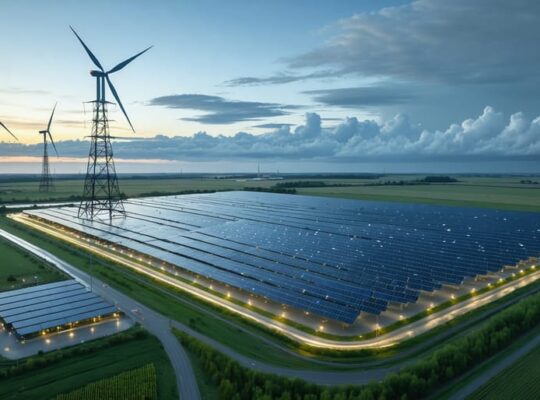
The environmental impact of renewable energy technologies presents a complex interplay of benefits and challenges that demand rigorous assessment. While these technologies significantly reduce greenhouse gas emissions and air pollution compared to fossil fuels, their deployment carries distinct ecological considerations. Large-scale solar installations can alter local habitats and land use patterns, wind farms may impact bird and bat populations, and hydroelectric projects can transform entire river ecosystems. Understanding these environmental trade-offs has become increasingly critical as renewable energy adoption accelerates globally, with cumulative installed capacity doubling every five years since 2010.
Environmental impact assessments for renewable energy projects now incorporate sophisticated modeling techniques, biodiversity surveys, and long-term monitoring protocols to evaluate both direct and indirect effects on ecosystems. These assessments have evolved to address not only immediate construction impacts but also lifecycle considerations, from raw material extraction through decommissioning. Recent studies indicate that proper siting, advanced wildlife protection technologies, and innovative design approaches can significantly minimize negative environmental consequences while maximizing clean energy benefits. This comprehensive understanding enables stakeholders to make informed decisions that balance urgent climate action with environmental preservation.
The Scope of Environmental Impact Assessments in Renewable Energy
Land Use and Habitat Considerations
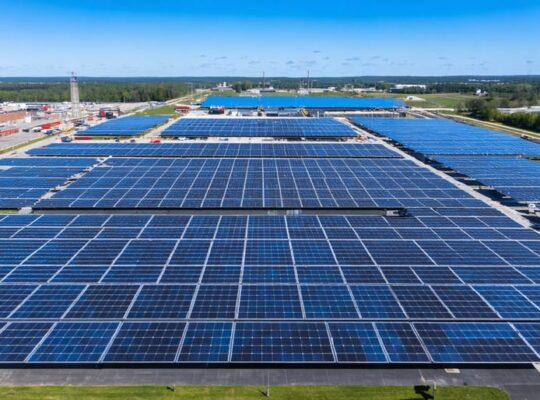
Renewable energy installations require varying amounts of land area, with each technology presenting distinct challenges and impacts on local ecosystems. Solar photovoltaic farms typically need 5-10 acres per megawatt of capacity, while wind farms can utilize land more efficiently as the areas between turbines remain available for agriculture or grazing.
The transformation of natural habitats into renewable energy sites can affect local wildlife through habitat fragmentation, migration pattern disruption, and changes in vegetation cover. For instance, utility-scale solar installations may require vegetation clearing and soil compaction, potentially affecting local flora and fauna. Wind farms, while having a smaller physical footprint, can impact bird and bat populations through collision risks and habitat displacement.
Hydroelectric projects present particularly complex habitat considerations, as they fundamentally alter river ecosystems and can affect both aquatic and terrestrial species. The creation of reservoirs can flood extensive areas, transforming local ecosystems and potentially displacing communities.
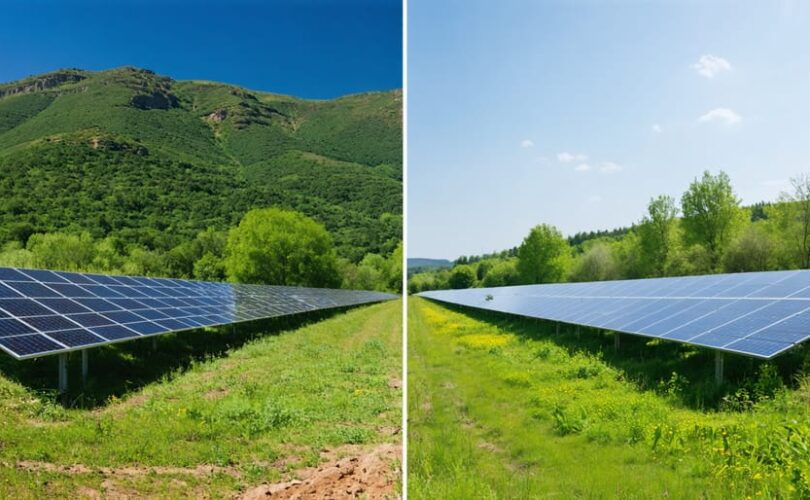
Effective land use planning can minimize these impacts through strategic site selection, avoiding critical wildlife corridors and sensitive habitats. Many renewable projects now incorporate dual-use strategies, such as agrivoltaics, which combines solar energy production with agriculture, maximizing land utility while preserving ecosystem functions. Environmental impact assessments and habitat conservation plans are crucial tools in balancing renewable energy development with biodiversity protection.
Resource Consumption and Material Lifecycle
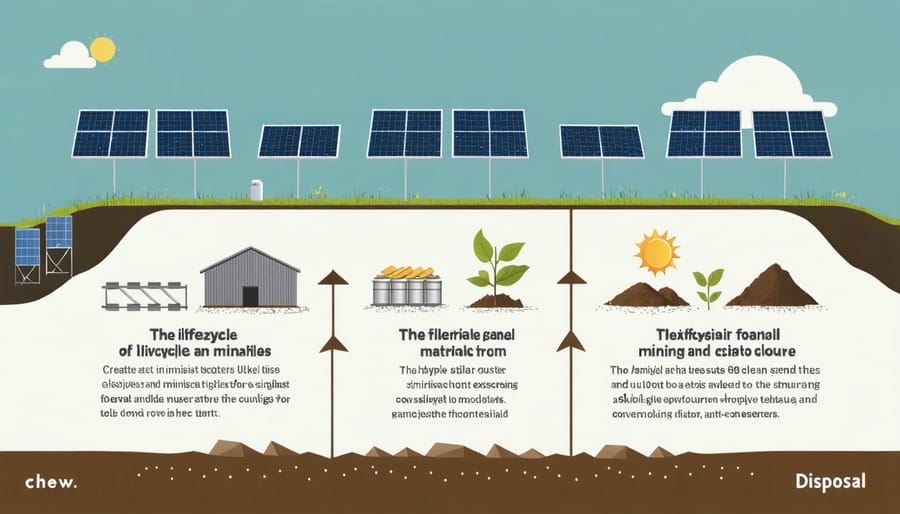
The production and deployment of renewable energy technologies necessitate careful consideration of resource consumption patterns and material lifecycle considerations. Solar panels, wind turbines, and energy storage systems require specific raw materials, including rare earth elements, silicon, copper, and various metals. The extraction and processing of these materials can have significant environmental implications, from mining impacts to energy-intensive manufacturing processes.
For solar PV systems, silicon production and panel manufacturing require substantial energy input, though this is typically offset within 1-4 years of operation through clean energy generation. The industry has made significant strides in reducing material intensity and improving manufacturing efficiency, with modern panels using thinner silicon wafers and requiring less energy to produce.
End-of-life management presents both challenges and opportunities. While most components of renewable energy systems are recyclable, current recycling infrastructure and processes require further development. Solar panels, for instance, contain valuable materials like silver and silicon that can be recovered and reused, reducing the need for virgin material extraction. The industry is actively developing improved recycling technologies and implementing circular economy principles to minimize waste and maximize resource recovery.
Manufacturers are increasingly adopting design-for-recycling approaches, making future generations of renewable energy equipment more sustainable throughout their lifecycle. This includes using fewer hazardous materials, implementing modular designs for easier component replacement, and establishing take-back programs for end-of-life products.
Current Policy Frameworks and Assessment Methods
International Standards and Guidelines
The development and implementation of international assessment standards for renewable energy projects has become increasingly crucial as the industry expands globally. Key frameworks include the International Organization for Standardization (ISO) 14040 series for Life Cycle Assessment (LCA) and the International Finance Corporation’s Environmental and Social Performance Standards.
The World Bank Group’s Environmental, Health, and Safety Guidelines (EHS Guidelines) provide specific criteria for renewable energy projects, emphasizing biodiversity protection, land use optimization, and community impact assessment. These guidelines are particularly relevant for utility-scale solar installations and wind farms, where habitat disruption and land use changes must be carefully evaluated.
The International Renewable Energy Agency (IRENA) has established comprehensive guidelines for environmental impact assessments, incorporating both quantitative metrics and qualitative factors. These include specific protocols for measuring greenhouse gas emissions avoided, water consumption, and ecosystem services affected by renewable energy installations.
European Union standards, notably the Environmental Impact Assessment Directive (2014/52/EU), have set benchmarks for other regions, requiring detailed environmental impact studies before project approval. This includes mandatory consultation with affected communities and thorough documentation of mitigation measures.
Implementation of these standards typically involves a multi-stage process:
– Initial screening and scoping of potential impacts
– Detailed environmental impact assessment
– Public consultation and stakeholder engagement
– Development of environmental management plans
– Regular monitoring and reporting
Compliance with these international frameworks is increasingly tied to project financing and regulatory approval, making them essential considerations for renewable energy developers. The standards continue to evolve, incorporating new scientific understanding and technological advances, particularly in areas such as wildlife protection measures and resource efficiency optimization.
Regional Variations in Assessment Requirements
Environmental impact assessment requirements for renewable energy projects vary significantly across different regions, reflecting diverse ecological priorities, regulatory frameworks, and socio-economic considerations. In North America, the United States implements a tiered approach through federal and state-level requirements, with the National Environmental Policy Act (NEPA) serving as the cornerstone for federal projects. Individual states often impose additional requirements, particularly in areas with sensitive ecosystems or endangered species.
The European Union maintains one of the most comprehensive assessment frameworks through its Environmental Impact Assessment (EIA) Directive, which member states must incorporate into national legislation. This system emphasizes cumulative impacts and requires extensive stakeholder consultation throughout the assessment process. Notable variations exist between countries, with Germany and Denmark implementing particularly stringent requirements for wind energy projects due to wildlife protection concerns.
In the Asia-Pacific region, assessment requirements demonstrate considerable diversity. Japan’s environmental impact assessment system focuses heavily on community engagement and cultural preservation alongside ecological considerations. Australia implements a risk-based approach, with assessment requirements varying based on project scale and potential impact severity.
Developing nations often face unique challenges in implementing environmental impact assessments. Many countries are working to balance rapid renewable energy deployment with environmental protection. India, for example, has developed specialized guidelines for solar projects in different geographical zones, considering factors such as land use, water availability, and biodiversity impacts.
International financial institutions play a crucial role in standardizing assessment practices across regions. The World Bank’s Environmental and Social Framework and the International Finance Corporation’s Performance Standards often serve as de facto requirements for projects seeking international funding, helping to establish minimum assessment standards in regions with less developed regulatory frameworks.
Understanding these regional variations is essential for project developers and stakeholders operating across different jurisdictions, as compliance requirements can significantly impact project timelines, costs, and ultimate feasibility.

Technology-Specific Impact Considerations
Solar PV Environmental Footprint
Solar photovoltaic (PV) systems, while providing clean electricity during operation, carry environmental implications throughout their lifecycle that require careful consideration. The manufacturing process of solar panels involves energy-intensive production of silicon, glass, and metal components, contributing to initial carbon emissions. However, these emissions are typically offset within 1-4 years of operation, depending on the installation location and panel efficiency.
Land use represents a significant environmental consideration, particularly for utility-scale solar installations. Large solar farms can occupy substantial areas, potentially affecting local ecosystems and wildlife habitats. However, innovative approaches such as agrivoltaics and brownfield development are minimizing these impacts by combining solar installations with agricultural activities or utilizing previously degraded land.
The production of solar panels involves several materials of environmental concern, including silicon tetrachloride, lead, and various rare earth elements. Proper manufacturing protocols and waste management systems are essential to minimize the release of these substances into the environment. Additionally, the industry is advancing toward more sustainable production methods and materials.
End-of-life management presents both challenges and opportunities. While solar panels have a typical lifespan of 25-30 years, their eventual disposal requires careful consideration. Recycling technologies are continuously improving, allowing for the recovery of valuable materials such as silver, silicon, and glass. The implementation of circular economy principles in panel design is facilitating more efficient recycling processes.
Water consumption during manufacturing and maintenance must also be considered, though operational water requirements are minimal compared to conventional power generation methods. In arid regions, dry-cleaning technologies and robotic systems are being employed to reduce water usage during panel maintenance.
The overall environmental footprint of solar PV systems continues to improve with technological advances and best practices in manufacturing, installation, and disposal. Life cycle assessments indicate that solar PV systems generate significantly lower greenhouse gas emissions compared to fossil fuel alternatives, making them a crucial component of sustainable energy transition despite their environmental challenges.
Other Renewable Technologies
While solar PV systems represent a significant portion of renewable energy development, other renewable technologies present unique environmental considerations that warrant examination. Wind energy, for instance, primarily impacts wildlife through bird and bat collisions with turbine blades. Modern wind farms incorporate advanced radar systems and protective measures to minimize these incidents, though habitat disruption during construction remains a concern.
Hydroelectric power, despite its reliability and large-scale generation capacity, can significantly alter river ecosystems and aquatic habitats. Dam construction may disrupt fish migration patterns and modify downstream water flow. However, new fish ladder technologies and environmental flow requirements help mitigate these effects. Small-scale hydroelectric projects typically have lesser environmental impacts while providing localized power generation benefits.
Geothermal energy systems present minimal visible impact once operational but require careful site selection to avoid disrupting thermal features and local ecosystems. The primary environmental considerations center around proper management of extracted fluids and potential seismic activity in certain geological contexts.
Biomass energy’s environmental impact largely depends on feedstock source and management practices. Sustainable biomass production requires careful land use planning to avoid competition with food crops and natural habitats. When properly managed, biomass can provide carbon-neutral energy while supporting waste management objectives.
Tidal and wave energy technologies, while still emerging, show promise for predictable power generation with relatively low environmental impact. Initial studies indicate minimal effects on marine life, though long-term monitoring continues as these technologies mature.
Each renewable technology presents distinct environmental challenges and benefits, necessitating comprehensive impact assessments for specific project contexts. The key to successful implementation lies in selecting appropriate technologies for local conditions while implementing robust environmental management strategies. This balanced approach ensures renewable energy development advances while maintaining ecological integrity.
Future Trends and Policy Evolution
The landscape of renewable energy environmental impact assessment is rapidly evolving, driven by technological advancements and growing environmental consciousness. As future renewable energy developments continue to expand, assessment methodologies are becoming increasingly sophisticated and data-driven.
Emerging trends indicate a shift toward integrated assessment frameworks that consider both direct and indirect environmental impacts throughout the entire project lifecycle. Advanced modeling techniques, including artificial intelligence and machine learning, are being incorporated to predict and evaluate potential environmental consequences with greater accuracy. These tools enable more precise measurement of biodiversity impacts, land-use changes, and ecosystem interactions.
Policy evolution is trending toward more stringent environmental standards while streamlining approval processes for sustainable projects. Regulatory frameworks are increasingly adopting adaptive management approaches, allowing for continuous monitoring and adjustment of mitigation strategies based on real-world performance data. This dynamic approach ensures environmental protection while supporting renewable energy deployment.
Key developments in assessment methodology include:
– Life-cycle analysis integration into standard environmental impact assessments
– Real-time monitoring systems for environmental performance
– Standardized metrics for comparing different renewable technologies
– Enhanced stakeholder engagement protocols
– Comprehensive ecosystem service valuation methods
The policy landscape is expected to emphasize:
– Mandatory biodiversity net gain requirements
– Carbon footprint assessment throughout the supply chain
– Circular economy principles in project design and decommissioning
– Regional coordination of renewable energy development
– Enhanced community benefit schemes
These evolving frameworks are particularly relevant for solar PV installations, where innovations in panel design and installation methods are creating new environmental considerations. Industry stakeholders are developing best practices that balance optimal energy generation with habitat preservation and land-use efficiency.
International collaboration is becoming increasingly important, with cross-border policies addressing global environmental challenges. This includes standardized approaches to environmental impact assessment and shared databases for cumulative impact analysis. Such cooperation is essential for addressing transboundary environmental effects and ensuring consistent protection standards across regions.
The environmental impact assessment of renewable energy technologies reveals both promising advantages and important challenges that must be carefully managed. While these technologies offer significant reductions in greenhouse gas emissions and air pollution compared to fossil fuels, their implementation requires thoughtful consideration of local ecosystems, land use, and resource consumption.
Our analysis demonstrates that successful renewable energy projects depend on comprehensive environmental impact assessments that consider both immediate and long-term effects. Solar PV installations, wind farms, and hydroelectric facilities each present unique environmental considerations that must be evaluated within their specific geographical and ecological contexts. The evidence suggests that with proper planning and mitigation strategies, most negative environmental impacts can be significantly reduced or eliminated.
Looking ahead, several key trends will shape the future of renewable energy environmental assessments. Advanced monitoring technologies and improved data analytics will enable more precise impact measurements and better predictive modeling. Growing emphasis on circular economy principles will likely influence future project designs, particularly in areas such as end-of-life management and resource recovery.
The integration of biodiversity protection measures and habitat conservation into project planning will become increasingly important as renewable energy deployment expands. Additionally, stakeholder engagement and community participation in environmental impact assessments will likely play a more prominent role in project development and approval processes.
For the renewable energy sector to maintain its sustainable trajectory, continued research, policy development, and industry collaboration are essential. Future environmental impact assessments must evolve to address emerging challenges while supporting the urgent need for clean energy transition. This balanced approach will ensure that renewable energy projects contribute positively to both environmental protection and climate change mitigation efforts.