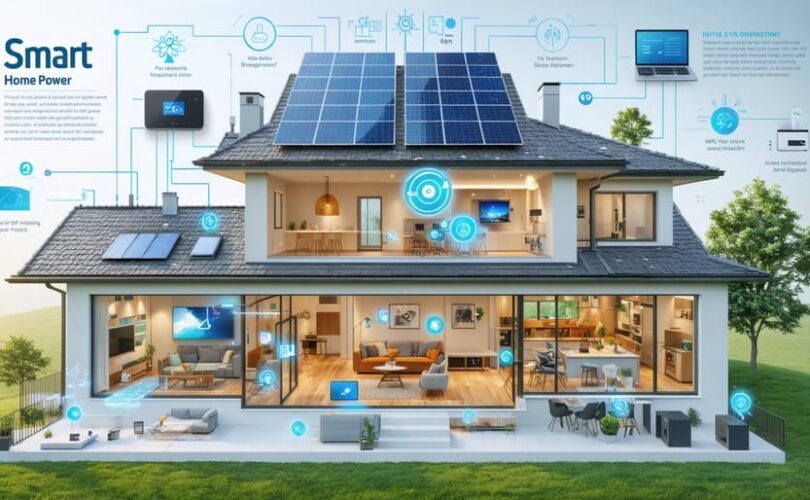
Solar integration represents a transformative convergence of renewable energy and smart home technology, revolutionizing how modern households generate, manage, and consume power. As smart solar solutions become increasingly sophisticated, the seamless incorporation of photovoltaic systems into existing home automation frameworks offers unprecedented control over energy consumption and distribution.
Today’s integrated solar systems transcend traditional power generation, incorporating advanced monitoring capabilities, predictive analytics, and automated load management to optimize energy utilization across residential and commercial applications. This technological synergy enables real-time performance tracking, intelligent power routing, and dynamic response to changing environmental conditions and energy demands.
For industry professionals and homeowners alike, understanding the intricacies of solar integration has become essential as we transition toward more sustainable and efficient energy ecosystems. The integration of solar technology with smart home systems represents not just an environmental choice, but a strategic investment in energy independence and operational efficiency, supported by increasingly sophisticated automation and control systems.
This convergence of renewable energy and smart technology heralds a new era in distributed energy management, where intelligent systems optimize power generation, storage, and consumption in real-time, maximizing the return on investment while minimizing environmental impact.
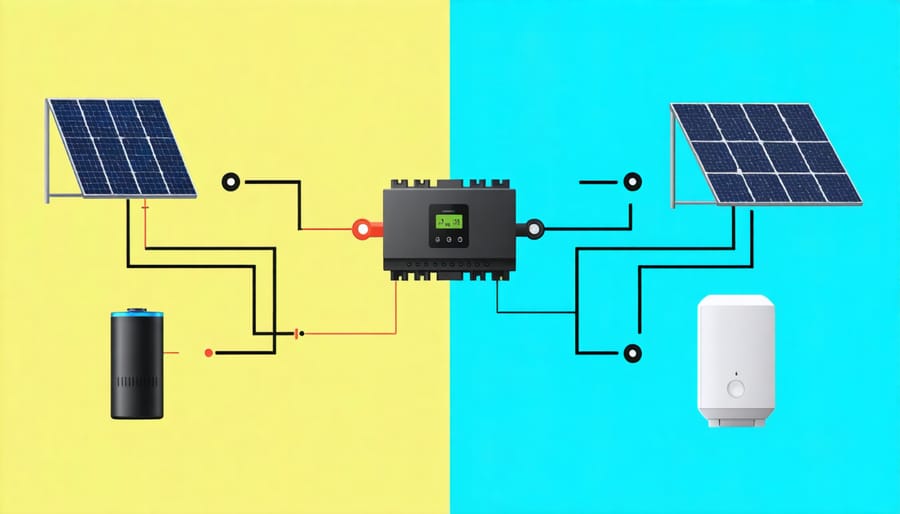
The Core Components of Solar-Smart Home Integration
Smart Solar Inverters
Smart solar inverters represent a significant advancement in photovoltaic system integration, serving as the crucial bridge between solar panels and modern smart homes. These sophisticated devices not only convert DC power from solar panels to AC power for household use but also incorporate advanced monitoring and communication capabilities that enhance overall system performance.
Modern inverters feature built-in Wi-Fi connectivity, enabling real-time data transmission and remote system management. This connectivity allows homeowners and installers to monitor power production, track system efficiency, and quickly identify potential issues. Following solar installation best practices, these inverters can be strategically positioned to optimize communication with smart home systems.
The integration capabilities of smart inverters extend beyond basic power conversion. They incorporate advanced grid support functions, including voltage regulation, reactive power control, and frequency response. These features help maintain grid stability while maximizing solar energy utilization. Additionally, many models offer direct compatibility with home energy management systems, enabling automated load balancing and energy storage coordination.
Smart inverters also facilitate adaptive power optimization, automatically adjusting their operation based on household consumption patterns and grid conditions. This intelligence helps maximize self-consumption of solar energy and reduces dependency on grid power during peak demand periods, ultimately improving the system’s economic benefits while maintaining grid reliability.
Energy Management Systems
Energy Management Systems (EMS) serve as the central intelligence hub for solar-integrated smart homes, orchestrating the complex interplay between solar generation, energy storage, and household consumption. These sophisticated platforms utilize advanced algorithms to monitor, analyze, and optimize energy flows in real-time, ensuring maximum efficiency and cost savings.
Modern EMS platforms offer comprehensive functionality, including production monitoring, consumption tracking, and automated load management. They collect data from various sources, such as solar inverters, battery systems, smart meters, and connected appliances, providing homeowners with detailed insights through user-friendly dashboards and mobile applications.
Key capabilities of these systems include predictive analytics for solar generation, dynamic load shifting, and automated demand response. The platforms can anticipate peak production periods and automatically adjust energy usage patterns, such as scheduling high-consumption appliances during optimal solar generation hours or storing excess energy in batteries for later use.
Advanced EMS solutions also integrate with utility grid services, enabling participation in demand response programs and facilitating grid stability through intelligent export control. Many systems feature machine learning algorithms that continuously improve their performance by learning from historical usage patterns and environmental data.
For optimal results, these platforms often incorporate weather forecasting, time-of-use pricing signals, and smart device scheduling to create comprehensive energy management strategies that maximize solar self-consumption while minimizing grid dependency and operational costs.
Real-Time Solar Production Monitoring
Mobile Apps and Dashboards
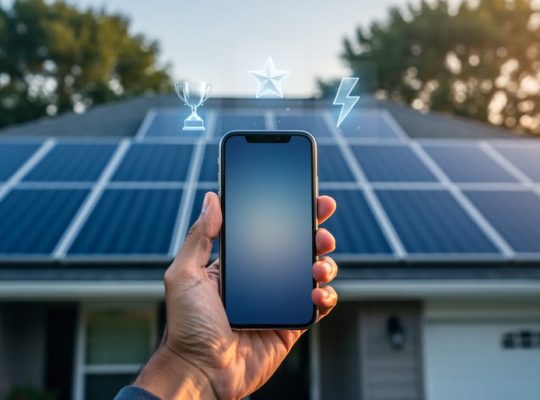
Modern solar integration systems leverage sophisticated mobile applications and web-based dashboards to provide real-time monitoring and control capabilities. These personalized solar monitoring interfaces enable users to track system performance, energy production, and consumption patterns through intuitive visualizations and detailed analytics.
Key features typically include power generation metrics, historical performance data, and automated alerts for system anomalies. Users can access comprehensive reporting tools that display daily, monthly, and annual energy yields, while also monitoring environmental impact through carbon offset calculations. Advanced dashboards incorporate weather forecasting integration to predict future energy production and optimize consumption patterns accordingly.
Mobile apps extend these capabilities by providing on-the-go access to system controls and notifications. Users can remotely adjust settings, view real-time energy flows, and receive instant alerts about system status changes. Many platforms also offer energy optimization recommendations based on usage patterns and weather conditions.
These interfaces often integrate with broader home energy management systems, enabling coordinated control of solar arrays, battery storage, and smart home devices. This seamless integration helps maximize self-consumption of solar energy and optimize overall system efficiency.

Data Analytics and Reporting
Modern solar integration systems employ sophisticated data analytics and reporting capabilities that transform raw production data into actionable insights. These systems continuously collect performance metrics, including power generation, consumption patterns, and system efficiency rates, presenting them through intuitive dashboards and detailed reports.
Advanced monitoring platforms utilize machine learning algorithms to analyze historical data, weather patterns, and real-time performance metrics. This analysis enables predictive maintenance schedules, identifies potential issues before they become critical, and optimizes system performance based on usage patterns.
The reporting interface typically provides both high-level overviews and granular details, allowing users to track daily, monthly, and annual energy production. Key performance indicators such as peak production times, energy savings, and carbon offset calculations are presented through customizable visualizations and exportable reports.
Many platforms now offer automated alert systems that notify users of significant changes in production patterns or system anomalies. Integration with smart home systems enables automated responses to production data, such as scheduling high-consumption activities during peak solar generation periods.
For commercial installations, these analytics platforms often include financial reporting features, tracking return on investment, maintenance costs, and energy cost savings, providing comprehensive data for stakeholder reporting and system optimization decisions.
Automated Energy Optimization
Load Shifting and Scheduling
Load shifting and scheduling represent critical strategies in maximizing the efficiency of solar energy systems. These techniques involve strategically timing energy consumption to align with peak solar production periods, thereby optimizing self-consumption and reducing reliance on grid power.
Smart energy management systems analyze historical consumption patterns, weather forecasts, and real-time solar generation data to create optimal scheduling plans. These systems automatically shift high-energy tasks, such as running dishwashers, charging electric vehicles, or heating water, to periods of abundant solar production.
The implementation of load shifting typically involves three key components: predictive analytics, automated control systems, and smart appliances. Predictive analytics forecast solar generation and household energy demands, while automated controls execute the planned schedules. Smart appliances respond to system signals, adjusting their operation times accordingly.
Energy storage systems play a crucial role in load shifting by storing excess solar energy during peak production for use during low-generation periods. This capability enables more flexible scheduling options and enhances system reliability.
The economic benefits of load shifting are significant, potentially reducing electricity costs by 20-30% through optimal time-of-use rate management. Additionally, this practice contributes to grid stability by reducing peak demand and improving the integration of renewable energy sources into the broader power system.
Battery Storage Integration
Battery storage systems play a pivotal role in maximizing the efficiency and reliability of solar-integrated smart homes. These systems capture excess energy generated during peak sunlight hours and store it for use during periods of low solar production or grid outages. Modern lithium-ion batteries, coupled with sophisticated battery management systems (BMS), enable homeowners to achieve greater energy independence while optimizing their solar investment.
The integration process involves connecting the battery storage system to both the solar array and the home’s electrical system through a hybrid inverter or dedicated battery inverter. Smart monitoring systems continuously analyze energy production, consumption patterns, and storage levels to make intelligent decisions about when to store or release power. This optimization helps reduce reliance on grid electricity during peak rate periods and provides backup power during outages.
Key considerations for battery storage integration include system sizing, placement requirements, and compatibility with existing solar components. The storage capacity should align with the household’s energy consumption patterns and backup power needs. Advanced battery systems also incorporate safety features such as thermal management, overcharge protection, and emergency shutdown capabilities.
The return on investment for battery storage systems continues to improve as technology advances and costs decrease. Many utility companies now offer incentives for installing battery storage, recognizing their role in grid stabilization and peak demand reduction.
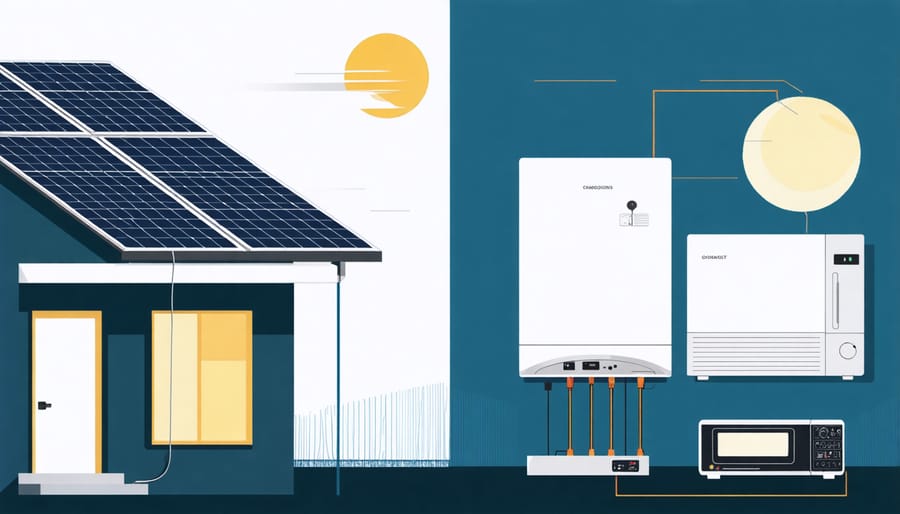
Future-Proofing Your Solar Smart Home
Emerging Technologies
The solar integration landscape is rapidly evolving with breakthrough technologies that promise to revolutionize how we harness and manage solar energy. Adaptive solar technology leads this transformation, incorporating artificial intelligence and machine learning to optimize energy production and consumption patterns in real-time.
Perovskite-silicon tandem cells represent a significant advancement, achieving efficiency rates exceeding 29% in laboratory conditions. These next-generation cells combine traditional silicon technology with perovskite materials, potentially reducing production costs while increasing energy yield.
Building-integrated photovoltaics (BIPV) are evolving beyond simple solar panels, with transparent solar cells and solar skin technologies that can be seamlessly incorporated into windows, facades, and other architectural elements. This integration maintains aesthetic appeal while maximizing energy generation potential.
Energy storage solutions are also advancing rapidly, with solid-state batteries and flow batteries emerging as promising alternatives to traditional lithium-ion systems. These technologies offer improved safety, longer lifespans, and enhanced energy density, crucial for effective solar integration.
Smart inverter technology is becoming more sophisticated, incorporating advanced grid services and improved power quality management. These systems can now provide reactive power support, voltage regulation, and seamless grid integration, making solar systems more resilient and grid-friendly.
Blockchain-enabled peer-to-peer energy trading platforms are gaining traction, allowing prosumers to directly trade excess solar energy with neighbors, optimizing local energy distribution and creating new revenue streams for solar system owners.
Compatibility Considerations
When implementing solar integration systems, ensuring long-term compatibility and expandability is crucial for future-proofing your investment. Modern solar installations should incorporate standardized communication protocols and interfaces that allow seamless integration with various smart home platforms and energy management systems.
System designers must consider the scalability of inverter capacity, battery storage capabilities, and monitoring infrastructure. This includes selecting components that support modular expansion and utilizing equipment from manufacturers with proven track records of backward compatibility and firmware update support.
The integration architecture should accommodate potential technological advancements, such as emerging energy storage solutions, advanced power electronics, and enhanced communication standards. Planning for future smart grid integration capabilities and vehicle-to-grid (V2G) functionality is increasingly important as these technologies become more prevalent.
Documentation and system specifications should be thoroughly maintained, including communication protocols, API specifications, and hardware compatibility requirements. This ensures smooth integration of future components and simplifies system upgrades or modifications.
Compatibility with utility grid requirements and local regulatory standards must be considered, as these may evolve over time. Working with certified installers and equipment providers who understand these requirements helps ensure compliance and system longevity.
Regular assessment of system performance and compatibility metrics allows for proactive identification of potential upgrade needs or compatibility issues. This approach helps maintain optimal system performance while facilitating seamless integration of new technologies and capabilities as they become available.
The successful integration of solar power systems into modern smart homes represents a crucial step toward sustainable and efficient energy management. Throughout this article, we’ve explored the fundamental components, monitoring solutions, and optimization strategies that make solar integration possible and effective. The key to successful implementation lies in careful planning, proper system sizing, and the selection of compatible components that work seamlessly together.
To begin your solar integration journey, start by conducting a thorough energy audit of your home and consulting with certified solar professionals who can assess your specific needs. Consider future expansion possibilities and ensure your chosen system can accommodate additional capacity as your energy requirements grow. Implementing a robust monitoring system will help you track performance and optimize energy usage patterns over time.
For optimal results, focus on establishing a comprehensive maintenance schedule and regularly updating your system’s software components. Stay informed about emerging technologies and regulatory changes that may affect your solar installation. Consider joining local renewable energy communities or participating in educational programs to enhance your understanding and share experiences with others.
Remember that solar integration is an ongoing process rather than a one-time installation. As technology continues to evolve, be prepared to adapt and upgrade your system to maintain peak efficiency and take advantage of new capabilities. By following these guidelines and maintaining a proactive approach to system management, you can maximize the benefits of your solar investment while contributing to a more sustainable future.