In the intricate world of solar installation, intuitive insights represent the critical difference between standard deployments and exceptional system performance. These nuanced understandings, developed through years of hands-on experience, enable installers to anticipate challenges, optimize system configurations, and deliver superior results that extend beyond textbook specifications.
Professional solar installers recognize that true expertise emerges from the subtle interplay between technical knowledge and practical wisdom. While industry guidelines provide essential frameworks, it’s the ability to read a site’s unique characteristics, interpret environmental factors, and adapt installation strategies that distinguishes master craftsmen from novice technicians.
This synthesis of scientific precision and experiential knowledge drives innovation in renewable energy deployment. By combining rigorous technical standards with refined intuitive judgment, installers can maximize energy production, enhance system longevity, and ensure optimal performance across diverse installation scenarios. These insights, earned through countless hours of field work, represent a valuable knowledge base that continues to advance the solar industry’s capabilities and reliability.
For professionals seeking to elevate their expertise, understanding these intuitive insights opens new dimensions of problem-solving capability, enabling more efficient installations and more effective troubleshooting methodologies.
Reading Your Installation Site Like a Pro
Beyond the Obvious: Critical Site Factors
Success in solar installations often hinges on nuanced factors that extend beyond standard site assessment protocols. While basic considerations like shade analysis and roof orientation are fundamental, experienced installers recognize that subtle environmental and structural elements can significantly impact system performance and longevity.
Microclimate variations, even within small geographical areas, can affect panel efficiency and maintenance requirements. Local wind patterns, particularly in urban environments, may create unexpected turbulence zones that necessitate additional mounting reinforcement. These considerations have led to the development of adaptive PV design solutions that accommodate such variations.
Building thermal dynamics play a crucial role, with roof surface temperatures and ventilation patterns influencing panel performance. Historical weather data analysis should extend beyond average conditions to account for extreme events and seasonal variations. Additionally, electromagnetic interference from nearby infrastructure, while often overlooked, can affect inverter performance and monitoring systems.
Structural considerations must include subtle factors like thermal expansion of building materials, future renovation plans, and potential changes in surrounding vegetation. Long-term environmental changes, including gradual shifts in local climate patterns or urban development, should inform system design decisions. These insights, gained through years of field experience, often determine the difference between adequate and optimal system performance.
Shade Analysis Mastery
Accurate shade analysis requires a sophisticated understanding of both seasonal and daily sun patterns, combined with precise measurement techniques. Professional solar installers recognize that shade impacts extend beyond visible shadows, considering factors such as diffuse light reduction and edge effects on module performance.
To master shade assessment, begin by conducting multiple site surveys throughout the day, documenting shade patterns at critical intervals: morning (9 AM), solar noon, and afternoon (3 PM). Use professional solar pathfinder tools or advanced digital shade analysis systems to create comprehensive year-round shade projections. These tools account for variations in sun position across seasons and generate detailed irradiance maps.
Consider the dynamic nature of shade sources. Trees grow and change seasonally, while surrounding structures may cast different shadows throughout the year. Factor in future developments or landscape changes that could affect system performance. Pay special attention to partial shading scenarios, which can disproportionately impact string inverter systems due to module mismatch effects.
For maximum accuracy, combine digital tools with physical observations. Document existing vegetation height and growth rates, and analyze historical satellite imagery to understand environmental changes over time. Calculate the specific impact of shade on production using software that models both direct and indirect irradiance losses. This comprehensive approach ensures precise system design and optimal energy yield predictions, leading to more accurate customer expectations and better long-term system performance.
Installation Efficiency Breakthroughs
Smart Tool Selection and Usage
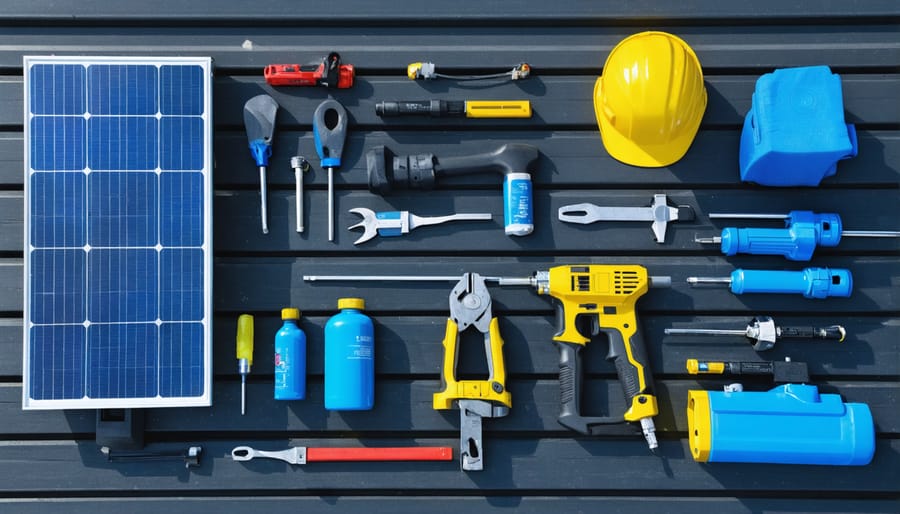
The selection and efficient utilization of tools significantly impact the quality and efficiency of solar installations. Professional installers rely on a carefully curated toolkit that combines traditional equipment with specialized solar installation instruments. Essential tools include precision levels with digital displays, torque wrenches calibrated for specific mounting systems, and infrared thermometers for temperature monitoring.
Solar pathfinders and shading analysis tools provide critical data for optimal panel placement, while multimeters with solar-specific functions enable accurate electrical measurements during installation and maintenance. Modern drone technology equipped with thermal imaging capabilities has revolutionized site surveys and system inspections, offering comprehensive aerial perspectives and heat mapping capabilities.
For maximum efficiency, organize tools systematically using modular storage systems that can be easily transported between installation sites. Consider implementing a digital tool tracking system to maintain inventory and ensure proper calibration schedules. This approach minimizes downtime and reduces the risk of misplaced equipment.
Advanced wire management tools, including specialized crimpers and stripping tools designed for solar-specific cables, ensure reliable electrical connections. Battery-powered impact drivers with torque control settings help maintain consistent mounting pressure without damaging equipment or compromising structural integrity.
When selecting tools, prioritize those with ergonomic designs and safety features that enhance worker comfort and reduce fatigue during extended installation periods. Invest in high-quality measuring and testing equipment that provides accurate data for system documentation and compliance verification. Regular tool maintenance and calibration schedules should be established to ensure consistent performance and extend equipment lifespan.
Team Coordination Techniques
Effective team coordination during solar installations requires a structured approach that balances efficiency with safety and quality. Communication protocols should be established before work begins, with clear roles assigned to each team member. This includes designating a lead coordinator who oversees the installation process and maintains constant communication with both ground and roof teams.
Daily briefings are essential for reviewing project goals, safety considerations, and potential challenges. These meetings should incorporate weather forecasts, equipment availability, and timeline updates. Teams should implement a standardized hand signal system for roof-to-ground communication, especially crucial when installing personalized solar systems with complex configurations.
Documentation plays a vital role in team coordination. Utilize digital project management tools to track progress, assign tasks, and document any modifications to the original plan. Create detailed checklists for each installation phase, ensuring all team members understand their responsibilities and can cross-reference their work against established standards.
Equipment staging should follow a logical sequence, with materials positioned strategically to minimize movement and maximize efficiency. Implement a zone-based approach where specific areas are designated for different activities: equipment preparation, mounting assembly, and electrical work.
Regular progress checks throughout the day help maintain alignment with project timelines and quality standards. These brief stand-ups allow teams to address any emerging issues promptly and adjust workflows as needed. Finally, end-of-day debriefings provide opportunities to document lessons learned and prepare for the next day’s activities, ensuring continuous improvement in team coordination and installation efficiency.
Problem-Solving in Real Time
Weather-Related Adaptations
Experienced solar installers understand that weather conditions can significantly impact installation efficiency and safety. Developing an intuitive sense for weather-related adaptations is crucial for maintaining project timelines while ensuring quality workmanship.
Key strategies include monitoring weather forecasts several days in advance and maintaining flexibility in scheduling to accommodate sudden changes. When facing unexpected conditions, installers should assess whether continuing work poses any safety risks or could compromise installation quality. High winds, for instance, require immediate evaluation of material handling procedures and may necessitate temporary work stoppage.
Temperature variations can affect solar panel handling and mounting systems. During extreme heat, materials may expand beyond normal tolerances, while cold conditions can make certain components more brittle. Seasoned professionals learn to adjust installation timing to avoid peak temperature periods and modify torque specifications according to ambient conditions.
Moisture management becomes critical during humid or dewey conditions. Experienced installers develop techniques for protecting electrical components and connection points, often creating temporary shelters or utilizing specialized moisture-resistant tools. They also recognize when morning dew or light precipitation might make roof surfaces too slippery for safe work.
These weather-related insights often come from years of field experience, but can be accelerated through proper training and mentorship programs. Maintaining detailed records of weather-related challenges and successful adaptation strategies helps build institutional knowledge and improves future project planning.
Structural Challenge Solutions
Professional installers frequently encounter structural challenges that require innovative solutions, particularly in urban solar installations where roof configurations vary significantly. The key to addressing these challenges lies in systematic assessment and strategic problem-solving.
Common mounting issues often stem from irregular roof surfaces, aging structures, or incompatible roofing materials. To ensure structural integrity, installers should first conduct comprehensive load calculations, accounting for both dead loads from equipment and dynamic loads from environmental factors. When dealing with pitched roofs, proper rafter attachment points must be identified using advanced imaging technology or physical inspection.
For flat commercial roofs, ballast systems offer a non-penetrating solution, but careful attention must be paid to weight distribution and wind uplift forces. In cases where existing roof structures show signs of wear, reinforcement techniques such as additional support beams or distributed load systems may be necessary.
Modern mounting solutions include adjustable racking systems that accommodate various roof angles and surfaces. These systems feature micro-adjustability for precise leveling and enhanced structural stability. When working with unique architectural elements, custom mounting solutions should be engineered to maintain both aesthetic appeal and structural integrity while ensuring optimal panel orientation for maximum energy yield.
Equipment Compatibility Insights
Component compatibility in solar installations requires a nuanced understanding of how different equipment interacts within the system. Experienced installers recognize that successful smart solar integration depends on careful attention to equipment specifications and their interoperability.
Key considerations include voltage tolerance ranges between inverters and panels, communication protocol compatibility among monitoring devices, and proper sizing of wire gauges and conduits. Professional installers must verify that selected components maintain optimal performance across varying environmental conditions and load scenarios.
When integrating new equipment with existing systems, attention to manufacturer specifications becomes crucial. Modern solar components often feature proprietary technologies that may not seamlessly interface with other brands. Understanding these limitations helps prevent performance issues and ensures system reliability.
Documentation of component compatibility should include detailed matrices of tested configurations and known limitations. This approach helps teams avoid common integration pitfalls and streamlines future maintenance procedures. Regular updates to compatibility documentation ensure installations remain current with evolving industry standards.
Successful equipment integration also requires consideration of future expandability and upgrade paths. Planning for potential system growth while maintaining compatibility with existing components helps maximize long-term system value and performance reliability.
The journey to mastering photovoltaic system installation is an ongoing process that combines technical knowledge with practical experience. Throughout this exploration of intuitive insights, we’ve examined critical aspects that distinguish expert installers from novices, emphasizing the importance of developing a refined sense for system optimization and problem anticipation.
These insights, gleaned from years of field experience and collaborative research, demonstrate that successful solar installations require more than following manuals and specifications. They demand a deep understanding of environmental factors, structural considerations, and system dynamics that can only be fully appreciated through hands-on experience.
To continue developing your expertise, we encourage regular engagement with industry peers, participation in advanced training programs, and careful documentation of installation experiences. Each project presents unique challenges and learning opportunities that contribute to your professional growth. Consider maintaining a detailed log of observations, solutions, and lessons learned from each installation to build your repository of practical knowledge.
Remember that intuitive understanding develops gradually through deliberate practice and reflection. Pay particular attention to subtle indicators during site assessments, installation procedures, and system commissioning. These observations often reveal patterns that inform better decision-making in future projects.
The solar industry continues to evolve with new technologies and methodologies. Stay current with industry developments through professional associations, technical workshops, and manufacturer training sessions. This combination of theoretical knowledge and practical experience will enhance your ability to make informed decisions and provide optimal solutions for your clients.
As you apply these insights in your work, focus on developing a systematic approach while remaining adaptable to unique site conditions and client requirements. Your growing expertise will contribute to the advancement of solar energy adoption and the ongoing transformation of our energy landscape.
Continue to share your knowledge with colleagues and learn from their experiences, as this collaborative approach strengthens the entire solar installation community and promotes higher installation standards industry-wide.