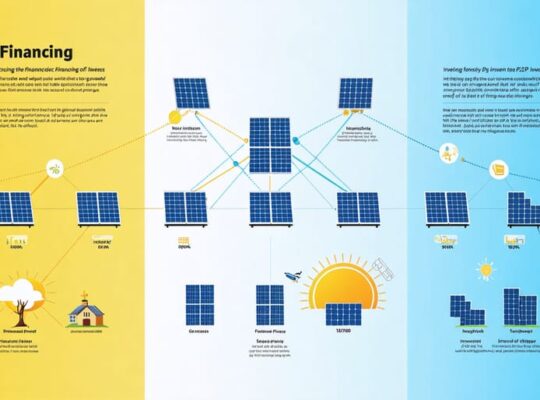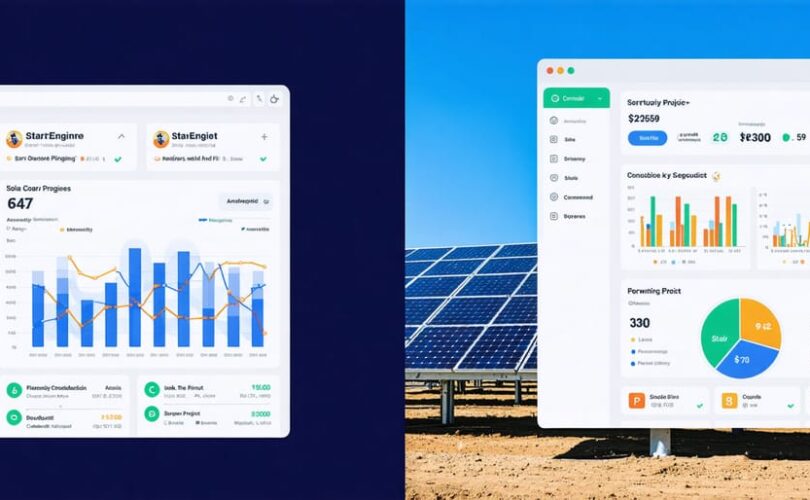
Transformative crowdfunding platforms are revolutionizing how solar startups access capital, bridging the gap between innovative renewable energy projects and mission-driven investors. Beyond traditional renewable energy funding options, these digital fundraising ecosystems enable early-stage solar ventures to secure crucial seed funding while building engaged communities of supporters. Recent data shows that renewable energy projects on leading platforms like StartEngine and Republic have achieved funding success rates 23% higher than traditional sectors, with an average raise of $2.1 million per campaign. For solar entrepreneurs, these platforms offer unique advantages: transparent deal flow, reduced administrative overhead, and direct access to sustainability-focused retail investors. The emergence of specialized clean technology funding portals further demonstrates the sector’s maturity, providing tailored solutions for renewable energy startups while ensuring regulatory compliance and professional due diligence standards.
Popular Crowdfunding Platforms for Solar Ventures
Solar-Specific Platforms
The renewable energy sector has witnessed the emergence of specialized crowdfunding platforms dedicated exclusively to solar and clean energy projects. These P2P solar investment platforms facilitate direct connections between solar project developers and potential investors, creating new opportunities for funding innovative photovoltaic solutions.
Notable platforms include SunFunder, which focuses on solar projects in emerging markets, and Mosaic, which has pioneered residential solar financing through crowdfunding. These platforms typically offer both debt and equity investment options, with minimum investment thresholds ranging from $25 to $1,000, making solar investment accessible to a broader investor base.
What distinguishes solar-specific platforms is their specialized due diligence process, incorporating technical assessments of project viability, energy yield predictions, and installation quality standards. Many platforms collaborate with established engineering firms and certification bodies to validate project specifications and performance metrics.
These platforms often feature educational resources and real-time monitoring tools that help investors understand solar technology fundamentals and track project performance. Some platforms have developed partnerships with universities and research institutions to enhance their technical evaluation capabilities and provide detailed analytics for potential investors.
For solar startups, these specialized platforms offer advantages beyond funding, including access to industry expertise, technical validation, and connections within the renewable energy ecosystem.
Mainstream Platforms Supporting Green Tech
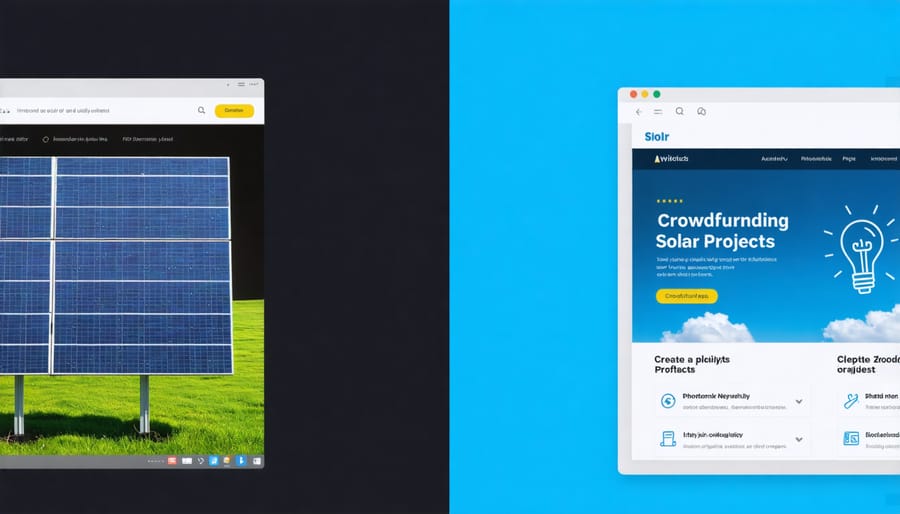
Leading crowdfunding platforms have embraced renewable energy initiatives, recognizing the growing demand for sustainable technology investments. Kickstarter introduced its Environmental Resource Center in 2021, providing specialized guidance for green tech projects and implementing stricter verification processes for environmental claims. The platform has successfully funded numerous solar innovations, including portable solar chargers and integrated photovoltaic solutions.
Indiegogo has established a dedicated cleantech category and partnered with environmental organizations to validate sustainable projects. Their Green Tech Alliance program offers reduced platform fees and enhanced visibility for verified renewable energy initiatives. The platform’s success stories include breakthrough energy storage solutions and smart grid technologies.
GoFundMe has developed specific guidelines for renewable energy projects, focusing on community solar installations and environmental justice initiatives. They provide specialized support for projects demonstrating clear environmental impact metrics and community benefits.
StartEngine and Republic have introduced green investment tracks, allowing accredited investors to support SEC-qualified renewable energy ventures. These platforms implement rigorous due diligence processes for environmental claims and provide detailed impact reporting frameworks.
WeFunder has emerged as a significant player in cleantech crowdfunding, offering equity-based funding options specifically for sustainable technology startups. Their green tech portfolio includes innovative solar manufacturing processes and advanced energy management systems, with successful campaigns raising substantial capital for scaling operations.
Choosing the Right Crowdfunding Model
Equity-Based Crowdfunding
Equity-based crowdfunding represents a significant advancement in social financing mechanisms for solar ventures, enabling investors to acquire ownership stakes in promising photovoltaic projects. This model differs from traditional crowdfunding by offering investors equity shares rather than rewards or pre-orders, creating a direct financial interest in the project’s success.
Leading platforms like StartEngine, Republic, and SeedInvest have facilitated numerous successful solar startup campaigns, with investment minimums typically ranging from $100 to $1,000. These platforms operate under SEC Regulation Crowdfunding (Reg CF), which allows companies to raise up to $5 million annually from both accredited and non-accredited investors.
For solar startups, equity crowdfunding provides several advantages beyond capital raising. It creates a community of invested stakeholders who often become brand advocates and early adopters. The democratic nature of this funding approach aligns particularly well with the solar industry’s mission of democratizing clean energy access.
However, entrepreneurs should carefully consider the regulatory requirements, including detailed financial disclosures and ongoing reporting obligations. Successful campaigns typically feature comprehensive business plans, clear valuation metrics, and transparent growth projections. The platform selection process should factor in sector expertise, investor demographics, and fee structures to maximize funding potential.
Reward-Based Campaigns
Reward-based crowdfunding represents one of the most popular funding models for solar and renewable energy startups, offering tangible benefits to both entrepreneurs and supporters. In this model, backers receive specific rewards or products in exchange for their financial contributions, creating a pre-sales mechanism that validates market demand while generating capital.
Successful reward-based campaigns typically structure their offerings in multiple tiers, ranging from small-value rewards like early-bird product access to premium packages including installation services or lifetime warranties. Solar startups often leverage this model to showcase innovative products such as portable solar chargers, integrated solar systems, or energy management solutions.
Key elements of effective reward-based campaigns include compelling project presentations, clear delivery timelines, and transparent communication about product development stages. Entrepreneurs must carefully calculate reward costs, including manufacturing, shipping, and fulfillment expenses, to ensure campaign viability.
Notable platforms like Kickstarter and Indiegogo have hosted numerous successful solar technology campaigns, with some projects raising millions in pre-orders. These platforms provide robust analytics tools, backer management systems, and promotional features that help startups reach their funding goals.
For maximum impact, campaigns should emphasize both environmental benefits and practical value propositions. Successful solar startups often incorporate sustainability metrics, energy savings calculations, and impact assessments into their campaign narratives, resonating with environmentally conscious backers while demonstrating commercial viability.
Debt Crowdfunding Options
Debt crowdfunding offers startups an alternative financing pathway that combines traditional lending principles with modern crowdfunding dynamics. Through this model, investors provide capital as loans, expecting regular interest payments and eventual principal repayment. For solar startups, this approach can be particularly attractive as it allows them to maintain equity control while accessing necessary funding.
Several platforms specialize in debt-based crowdfunding for renewable energy projects. These platforms typically offer terms ranging from 6 months to 5 years, with interest rates varying based on project risk assessment and market conditions. Similar to green bonds financing, debt crowdfunding enables solar companies to leverage their assets and future revenue streams to secure funding.
Key advantages include lower costs compared to traditional bank loans, flexible repayment schedules, and the ability to build a track record with investors. However, startups must carefully consider their debt service capabilities and ensure projected cash flows can support regular payments. Most platforms require comprehensive financial documentation, project feasibility studies, and clear revenue projections before listing opportunities.
For investors, these platforms offer fixed-income opportunities in the renewable energy sector, often with higher yields than traditional fixed-income investments. Many platforms also provide detailed due diligence reports and ongoing project monitoring to help investors assess and track their investments.
Success Factors for Solar Crowdfunding
Campaign Strategy Development
A successful crowdfunding campaign requires careful planning and strategic execution. The foundation begins with setting realistic funding goals based on detailed financial projections and market research. Campaign creators should develop a compelling narrative that clearly articulates their project’s value proposition, environmental impact, and market potential.
Visual elements play a crucial role in campaign success. High-quality product demonstrations, prototype videos, and infographics help potential investors understand the technology and its applications. Professional photography and well-designed campaign materials enhance credibility and engagement.
Reward tiers should be structured strategically, offering meaningful incentives at various investment levels. Early-bird specials and limited-time offers can create urgency and drive early campaign momentum. For solar startups, consider offering pre-orders of products, exclusive access to beta testing, or special recognition programs for early supporters.
Campaign timing and duration require careful consideration. Launches should align with industry events, avoid major holidays, and account for seasonal factors affecting solar technology deployment. Most successful campaigns run for 30-45 days, maintaining momentum through regular updates and engagement.
Building a pre-launch community is essential. Engage potential supporters through social media, email marketing, and industry networks before the campaign goes live. This creates an initial surge of support that can attract additional investors through social proof and platform algorithms.
Marketing materials should emphasize both environmental benefits and financial returns, addressing the dual motivations of impact investors and traditional backers. Regular campaign updates, transparent communication, and prompt responses to investor queries maintain trust and momentum throughout the funding period.
Investor Communication
Effective investor communication is crucial for success on crowdfunding platforms. Begin by crafting a clear, compelling pitch that articulates your solar project’s unique value proposition, market potential, and environmental impact. Your presentation should include detailed financial projections, milestone achievements, and a robust business plan that demonstrates thorough market research and risk assessment.
Maintain regular updates through the platform’s communication channels, sharing progress reports, addressing investor queries promptly, and providing transparent information about challenges and solutions. Professional documentation, including technical specifications, regulatory compliance status, and partnership agreements, should be readily available to potential investors.
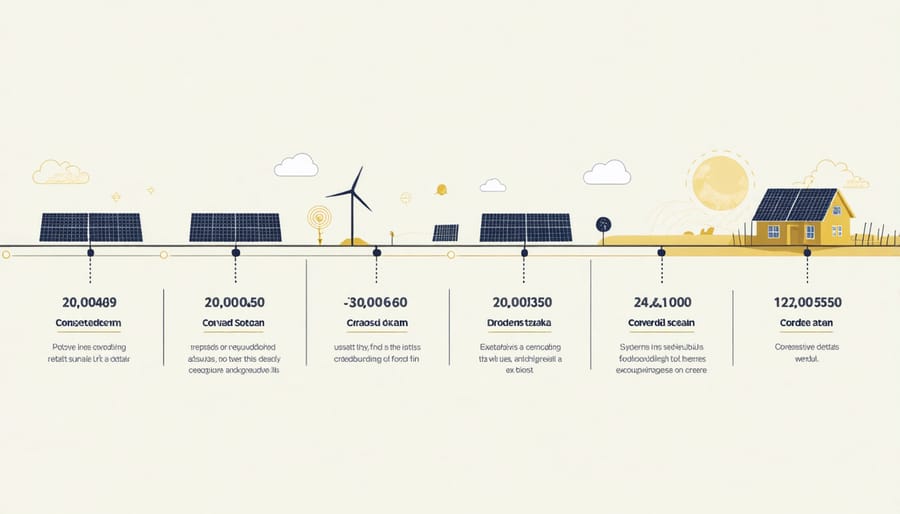
Utilize data visualization tools to present complex solar technology concepts and financial metrics in an accessible format. Create a structured timeline for project implementation and clearly outline how funding will be allocated across different development phases.
Build credibility by highlighting your team’s expertise, relevant experience in the solar industry, and any patents or proprietary technology. Consider hosting virtual presentations or webinars to engage with investors directly, allowing them to understand your vision and technical capabilities better.
Remember to maintain professional boundaries while being approachable. Document all communications and ensure consistency in your messaging across different platform channels. When addressing concerns, provide factual, well-researched responses that demonstrate your industry knowledge and commitment to investor success.
Legal and Regulatory Compliance
Crowdfunding platforms for startups must comply with various regulatory frameworks, primarily overseen by the Securities and Exchange Commission (SEC) in the United States. The JOBS Act of 2012, particularly Regulation Crowdfunding (Reg CF), established the foundational rules for equity crowdfunding, allowing companies to raise up to $5 million annually from both accredited and non-accredited investors.
Platform operators must register as funding portals with the SEC and become members of FINRA (Financial Industry Regulatory Authority). They are required to implement robust investor protection measures, including comprehensive disclosure requirements, investment limits based on income and net worth, and strict due diligence processes for listed campaigns.
Key compliance requirements include maintaining transparent communication channels, providing clear risk disclosures, and ensuring all investment offerings comply with anti-fraud provisions. Platforms must also verify investor identities, maintain accurate records, and implement cybersecurity measures to protect sensitive financial data.
International platforms face additional complexity, as they must navigate varying regulatory frameworks across jurisdictions. Many countries have established their own crowdfunding regulations, necessitating careful attention to cross-border transactions and investor eligibility requirements.
For solar startups utilizing these platforms, compliance with industry-specific regulations, such as securities laws and renewable energy regulations, adds another layer of consideration. Working with legal counsel experienced in both crowdfunding and renewable energy sectors is essential for successful regulatory navigation.
The convergence of solar technology innovation and crowdfunding platforms has created unprecedented opportunities for renewable energy startups to access capital while engaging with environmentally conscious investors. As demonstrated throughout this analysis, successful solar startups leverage these platforms not only for funding but also to build strong community relationships and validate market demand for their solutions.
The future outlook for solar startup crowdfunding appears promising, with emerging trends pointing toward increased integration of blockchain technology, standardized due diligence processes, and enhanced investor protection mechanisms. Industry experts predict that specialized renewable energy crowdfunding platforms will continue to evolve, offering more sophisticated investment products and improved transparency tools for both entrepreneurs and investors.
Key success factors for solar startups in the crowdfunding space include developing compelling narratives around environmental impact, maintaining clear communication with investors, and presenting well-documented technical and financial projections. The most successful campaigns typically combine innovative technology solutions with robust business models and experienced management teams.
Looking ahead, we can expect to see greater collaboration between traditional financial institutions and crowdfunding platforms, creating hybrid funding models that better serve the capital needs of solar startups. Additionally, regulatory frameworks are likely to continue evolving to better accommodate renewable energy investments while protecting investor interests.
For entrepreneurs in the solar sector, crowdfunding remains a viable path to early-stage funding, market validation, and community building. As the industry matures, these platforms will play an increasingly important role in accelerating the global transition to sustainable energy solutions.