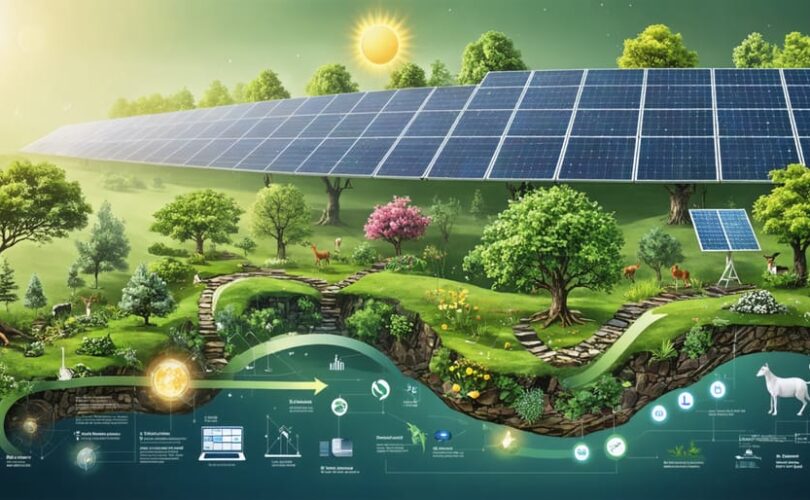
Integrating ecosystem principles into solar PV system design revolutionizes how we approach renewable energy infrastructure. Natural ecosystems demonstrate remarkable efficiency through interconnected relationships, circular resource flows, and adaptive resilience—principles that can transform conventional solar installations into regenerative energy systems. By examining these biological networks, engineers and designers can create solar arrays that not only generate clean electricity but also support biodiversity, enhance soil health, and strengthen local environmental resilience. This systems-thinking approach represents a paradigm shift from isolated technical solutions to holistic designs that consider the entire ecological context, from material sourcing to end-of-life recycling. Understanding these ecosystem dynamics enables photovoltaic professionals to develop installations that maximize energy production while minimizing environmental impact, creating a new standard for sustainable energy infrastructure that benefits both human communities and natural environments.
Understanding the Ecosystem Approach in Solar PV Design
Beyond Individual Components
The ecosystem perspective in photovoltaic systems extends beyond examining individual components in isolation, focusing instead on the dynamic interplay between various elements. This holistic approach considers how solar panels, inverters, mounting systems, and energy storage solutions work together to create a sustainable and efficient energy generation system.
Understanding these interconnections is crucial for optimizing system performance. For instance, the positioning of solar panels affects not only energy capture but also impacts the thermal management of the entire system. Similarly, the integration of smart monitoring systems with inverters and storage solutions creates a responsive network that can adapt to changing environmental conditions and energy demands.
The ecosystem approach also encompasses the relationship between PV systems and their surrounding environment. This includes considering factors such as local climate patterns, building architecture, grid infrastructure, and even wildlife protection measures. By viewing these elements as part of an interconnected whole, designers can create more resilient and environmentally compatible solar installations that deliver optimal performance while minimizing ecological impact.
This integrated perspective enables better decision-making in system design, maintenance planning, and long-term sustainability strategies.

Life Cycle Integration
The integration of life cycle considerations into ecosystem-based design requires a comprehensive understanding of the cradle-to-grave solar panel lifecycle. This approach examines environmental impacts from raw material extraction through manufacturing, installation, operation, and end-of-life management. By adopting this perspective, designers can optimize system components for minimal ecological disruption while maximizing energy generation efficiency.
Key considerations include material sourcing sustainability, manufacturing process optimization, installation site impact assessment, operational maintenance requirements, and recycling potential. This holistic view enables practitioners to identify and mitigate environmental impacts at each stage while fostering positive ecosystem interactions. For instance, careful site selection can preserve local biodiversity, while innovative mounting systems can support beneficial ground cover growth.
The integration process also emphasizes circular economy principles, encouraging the use of recyclable materials and design features that facilitate component recovery and reuse. This systematic approach helps create solar installations that not only generate clean energy but also contribute positively to their surrounding ecosystems throughout their operational lifetime.
Key Principles of Eco-System Based PV Design
Material Selection and Sustainability
Material selection in photovoltaic systems plays a crucial role in achieving sustainability and minimizing environmental impact throughout the system’s lifecycle. When adopting an eco-systems perspective, engineers and designers must consider not only the immediate performance requirements but also the long-term environmental consequences of their material choices.
Key considerations include the embodied energy of materials, their recyclability, and their potential for biodegradation or safe disposal. High-performance solar cells often incorporate rare earth elements and precious metals, necessitating careful evaluation of supply chain sustainability and environmental extraction impacts. Modern approaches prioritize materials with lower carbon footprints and those sourced from responsible suppliers who maintain ecological balance in their operations.
Sustainable material selection extends beyond the solar panels themselves to mounting systems, wiring components, and storage solutions. Advanced composite materials and recycled content are increasingly being utilized to reduce environmental impact while maintaining system efficiency. The integration of bio-based materials and environmentally friendly coating technologies demonstrates the industry’s commitment to ecological preservation.
Life cycle assessment (LCA) tools help quantify the environmental impact of different material choices, enabling informed decisions that balance performance requirements with sustainability goals. This systematic approach ensures that material selection aligns with both immediate system needs and long-term environmental objectives, supporting the transition toward truly sustainable solar energy solutions.
Energy Flow Optimization
Energy flow optimization in photovoltaic systems draws parallel principles from natural ecosystems, where energy transfer efficiency determines system sustainability. Just as natural systems evolve to maximize energy capture and minimize losses, PV system design focuses on optimizing energy conversion, storage, and distribution pathways.
Key considerations include the strategic placement of solar panels to maximize solar exposure, minimizing resistance in electrical connections, and implementing smart monitoring systems to detect and address efficiency losses. The system’s overall performance depends on maintaining equilibrium between energy generation and consumption patterns, similar to how natural ecosystems maintain energy balance through complex feedback mechanisms.
Effective energy flow optimization requires comprehensive analysis of load distribution, inverter efficiency ratings, and wire sizing to reduce transmission losses. Advanced power management systems help regulate energy flow, ensuring optimal distribution during peak generation periods and managing storage solutions during low production times.
Temperature management and regular maintenance protocols also play crucial roles in maintaining system efficiency, much like how natural systems employ various mechanisms to regulate energy transfer and maintain optimal operating conditions.
Waste Reduction Strategies
In addressing environmental concerns within photovoltaic systems, circular economy approaches have emerged as essential strategies for minimizing waste and maximizing resource efficiency. These approaches focus on designing PV systems with end-of-life considerations from the outset, incorporating modular components that facilitate repair, replacement, and eventual recycling.
Key waste reduction strategies include the implementation of design-for-disassembly principles, which enable easier separation of materials for recycling. Manufacturers are increasingly utilizing standardized components and reducing the variety of materials used in production, simplifying the recycling process. Advanced manufacturing techniques minimize material waste during production, while improved durability extends the operational lifespan of PV modules.
Resource recovery programs play a crucial role in this framework, establishing collection networks and processing facilities for end-of-life panels. These initiatives are complemented by innovative recycling technologies that can recover up to 95% of materials from decommissioned panels, including valuable elements like silver and silicon. Through these integrated approaches, the PV industry is moving toward a more sustainable, closed-loop system that minimizes environmental impact while maximizing resource utilization.
Implementation Strategies
Design Phase Integration
Incorporating ecosystem considerations during the initial design phase of photovoltaic installations requires a systematic approach that balances energy production goals with environmental preservation. The process begins with a comprehensive site assessment that evaluates existing biodiversity, soil conditions, water flow patterns, and local wildlife corridors.
Design teams should establish environmental baseline measurements and identify sensitive habitat areas before developing layout plans. This data-driven approach enables informed decisions about array placement, mounting systems, and infrastructure positioning that minimize ecological disruption.
Key integration steps include selecting appropriate panel heights to allow native vegetation growth, incorporating wildlife corridors between array rows, and designing stormwater management systems that maintain natural hydrology. Construction timing should also account for local species breeding seasons and migration patterns.
The design phase should include consultation with environmental specialists and local conservation groups to leverage their expertise and ensure compliance with ecological preservation guidelines. This collaborative approach often reveals opportunities to enhance existing habitats through strategic placement of native plant species and creation of microhabitats beneath panel arrays.
Documentation of ecosystem considerations should be maintained throughout the design process, creating a reference point for future maintenance and monitoring activities. This documentation supports adaptive management strategies and helps demonstrate environmental stewardship to stakeholders and regulatory authorities.
Monitoring and Adaptation
Effective monitoring and adaptation are crucial components of implementing an eco-systems perspective in photovoltaic installations. This approach requires continuous assessment of system performance, environmental impact, and integration with surrounding ecosystems. Regular data collection and analysis help identify patterns, potential issues, and opportunities for optimization.
Key monitoring parameters include energy production efficiency, biodiversity indicators, soil health metrics, and water management effectiveness. Advanced monitoring systems utilize sensors, data loggers, and real-time analytics to track these variables. This comprehensive data collection enables system operators to make informed decisions about necessary adjustments and improvements.
Adaptation strategies should be flexible and responsive to both environmental changes and technological advancements. This might involve adjusting panel positioning to optimize for seasonal variations, modifying vegetation management practices based on observed ecosystem responses, or upgrading components to enhance system efficiency while minimizing ecological impact.
Regular stakeholder feedback sessions and environmental impact assessments contribute to the adaptive management process. These evaluations help ensure that the system continues to meet both energy production goals and ecological preservation objectives. Successful adaptation often requires collaboration between system operators, environmental scientists, and local ecosystem experts.
Documentation of monitoring results and adaptation measures creates valuable knowledge bases for future projects and contributes to the ongoing development of sustainable PV installation practices. This systematic approach to monitoring and adaptation helps maintain optimal system performance while promoting ecological harmony.

Future Perspectives
Technological Innovations
Recent technological advancements have significantly enhanced our ability to implement ecosystem-based approaches in photovoltaic system design. Smart monitoring systems, equipped with AI and machine learning capabilities, now enable real-time analysis of environmental impacts and system performance. These innovations help optimize sustainable energy solutions while minimizing ecological disruption.
Digital twin technology has emerged as a powerful tool for modeling complex ecosystem interactions within solar installations. These virtual replicas allow designers to simulate and predict environmental impacts before physical implementation, reducing potential risks to local biodiversity.
Biodiversity sensors and environmental monitoring devices are being integrated into modern PV installations, providing continuous data on wildlife movement patterns, soil health, and vegetation growth. This data helps in making informed decisions about system placement and maintenance schedules.
Advanced materials science has produced solar panels with enhanced durability and reduced environmental impact. Bifacial panels with anti-reflective coatings minimize bird strikes while maximizing energy generation. Additionally, new mounting systems incorporate design features that facilitate wildlife corridors and promote natural habitat preservation.
Automated management systems now coordinate panel positioning with local weather patterns and wildlife activities, creating a more harmonious integration between technology and natural systems. These innovations represent significant progress in achieving balance between renewable energy generation and ecosystem preservation.
Industry Evolution
The solar industry is poised for significant transformation as ecosystem-based design principles gain traction. Industry experts predict a shift towards more integrated and holistic approaches in photovoltaic system development over the next decade. Manufacturing processes are expected to evolve, incorporating circular economy principles and emphasizing material recovery and reuse.
Solar companies are likely to form collaborative networks, sharing resources and expertise to optimize system performance and reduce environmental impact. This transition will necessitate new professional roles, such as ecosystem integration specialists and sustainability coordinators, who will bridge the gap between traditional engineering and ecological considerations.
Innovation in monitoring technologies will enable better understanding of PV systems’ interactions with local environments. Advanced sensors and AI-driven analytics will help optimize system placement and operation while minimizing ecological disruption. Industry standards and certifications are expected to emerge, specifically addressing ecosystem compatibility and environmental stewardship.
The financial sector will adapt by developing new funding models that account for ecosystem services and long-term environmental benefits. Insurance products will evolve to cover ecosystem-related risks and opportunities. Educational institutions will introduce specialized programs focusing on ecological system design, preparing the next generation of solar professionals for this paradigm shift.
These changes will reshape the competitive landscape, favoring companies that successfully integrate ecosystem thinking into their business models and technical solutions.
The ecosystem perspective in solar PV design represents a transformative approach that bridges the gap between renewable energy technology and environmental sustainability. By viewing solar installations as integral components of larger ecological systems, designers and engineers can create more resilient, efficient, and environmentally harmonious solutions. This holistic approach not only optimizes energy production but also ensures the preservation of natural habitats and biodiversity.
The key takeaways from this ecosystem-based methodology emphasize the importance of considering multiple interconnected factors: environmental impact, resource efficiency, biodiversity conservation, and long-term sustainability. Successful implementation requires careful attention to site selection, wildlife protection measures, water management strategies, and habitat preservation techniques. These considerations, when properly integrated into the design process, result in solar PV installations that contribute positively to both energy production and ecological health.
Looking forward, the ecosystem perspective will become increasingly crucial as the solar industry continues to expand. The growing emphasis on sustainable development and environmental stewardship demands that solar PV professionals adopt this comprehensive approach. By incorporating ecosystem thinking into every phase of solar PV design and implementation, we can ensure that renewable energy solutions truly fulfill their promise of environmental sustainability while meeting our growing energy needs.
This integrated approach represents the future of solar PV development, where technological innovation and ecological consciousness converge to create truly sustainable energy solutions.