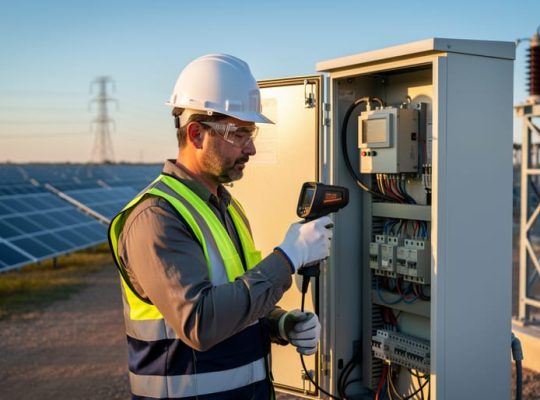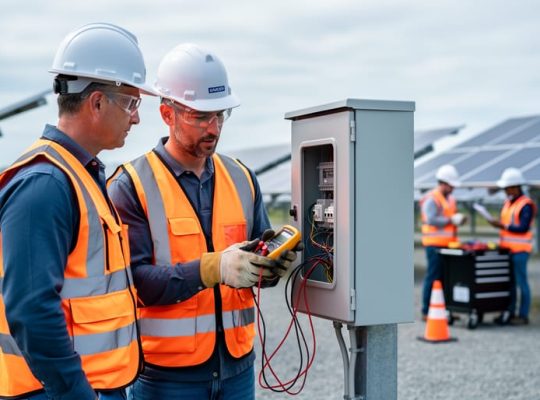
Transform your career trajectory with a two-year technical program in photovoltaic systems, where industry demand for skilled PV professionals continues to surge exponentially. These specialized programs combine hands-on laboratory experience with comprehensive theoretical knowledge, preparing graduates for immediate entry into the renewable energy sector’s most sought-after positions.
Technical programs focusing on solar technology offer distinct advantages over traditional four-year degrees: accelerated completion timelines, direct industry partnerships, and specialized curriculum designed by active professionals. Students master essential skills in system design, installation protocols, and advanced monitoring techniques while developing crucial problem-solving capabilities required for real-world applications.
Leading institutions have strategically structured these programs to address the renewable energy sector’s evolving needs, incorporating cutting-edge technologies and industry-standard certifications. The combination of intensive technical training and practical field experience positions graduates to capitalize on the explosive growth in solar energy deployment, with many securing positions months before program completion.
Program Structure and Curriculum Overview
First-Year Focus: Foundation and Fundamentals
The first year of a two-year technical program in photovoltaic systems establishes crucial foundational knowledge and practical skills. Students begin with comprehensive coursework in basic PV theory, covering essential concepts like semiconductor physics, solar radiation principles, and energy conversion processes.
Core electrical systems training includes DC and AC circuit analysis, system components, and wiring methodologies. Students learn to interpret electrical diagrams, perform basic calculations, and understand National Electrical Code (NEC) requirements specific to solar installations. Safety protocols receive significant emphasis, with dedicated modules on fall protection, electrical safety, and OSHA regulations.
Laboratory sessions complement theoretical learning, allowing students to work with actual solar components and testing equipment. These hands-on experiences include module testing, inverter installation, and basic troubleshooting procedures. Students also gain proficiency in using essential tools and monitoring equipment.
The curriculum incorporates fundamental business concepts, including project planning, cost estimation, and customer communication skills. Industry-standard software training introduces students to design tools and modeling applications. Throughout the first year, emphasis remains on building a strong technical foundation while ensuring compliance with industry standards and safety requirements.
By the end of the first year, students develop the core competencies necessary for basic solar installation work and are prepared for more advanced concepts in their second year of study.

Second-Year Specialization: Advanced Applications
The second year of technical programs delves into sophisticated applications and advanced concepts that prepare students for leadership roles in the solar industry. Students engage with complex system design principles, learning to optimize photovoltaic installations for various environmental conditions and architectural requirements. Project management becomes a central focus, with coursework covering budget planning, team coordination, and quality control protocols specific to solar installations.
A significant portion of the curriculum explores emerging technologies in solar PV, including advanced inverter systems, smart grid integration, and energy storage solutions. Students gain hands-on experience with cutting-edge monitoring systems and performance analysis tools, developing the expertise needed to optimize system efficiency and troubleshoot complex issues.
The advanced curriculum incorporates real-world case studies and collaborative projects with industry partners, allowing students to apply their knowledge in practical scenarios. Specialized modules cover advanced diagnostic techniques, performance modeling, and integration with building management systems. Students also learn about regulatory compliance, safety standards, and certification requirements specific to commercial and utility-scale installations.
By the program’s completion, participants possess comprehensive knowledge of system design software, project lifecycle management, and advanced technical documentation. This specialized training ensures graduates are well-equipped to take on supervisory roles or pursue further specialization in the rapidly evolving solar energy sector.
Industry-Academic Partnership Benefits
Real-World Project Experience
Two-year technical programs emphasize hands-on training through industry-partnered projects, providing students with practical experience in real-world scenarios. Students typically spend 40-50% of their program hours working on actual photovoltaic installations, system designs, and maintenance projects under the supervision of experienced professionals.
These programs incorporate live laboratory sessions where students work with current industry equipment and software, performing tasks such as system sizing, troubleshooting, and performance analysis. Many institutions maintain partnerships with local solar companies, allowing students to participate in commercial and residential installation projects during their studies.
Through internship placements, students gain direct exposure to professional work environments, typically completing 200-400 hours of supervised field experience. These opportunities often involve working on diverse projects, from residential rooftop installations to utility-scale solar farms. Students learn to navigate real project challenges, including site assessment, permit applications, and safety protocols.
The project experience culminates in a capstone assignment where students independently manage a complete solar installation project, from initial client consultation to final system commissioning. This comprehensive approach ensures graduates enter the workforce with documented project experience and practical skills valued by employers.
Professional Networking Opportunities
Two-year technical programs in photovoltaic technology offer extensive networking opportunities through industry partnerships and professional associations. Students gain access to exclusive job fairs, mentorship programs, and internship placements with leading solar energy companies. These programs regularly host industry speakers, technical workshops, and networking events that connect students with potential employers and industry veterans.
Many institutions maintain strong relationships with local solar installation companies, manufacturers, and energy utilities, providing direct pathways to employment. Students benefit from comprehensive career development resources, including resume writing assistance, interview preparation, and job placement services.
Professional certifications and industry memberships are often included in program fees, giving students immediate access to organizations like the Solar Energy Industries Association (SEIA) and the North American Board of Certified Energy Practitioners (NABCEP). These connections provide ongoing professional development opportunities and help students stay current with industry trends and technological advancements throughout their careers.

Career Advancement Opportunities
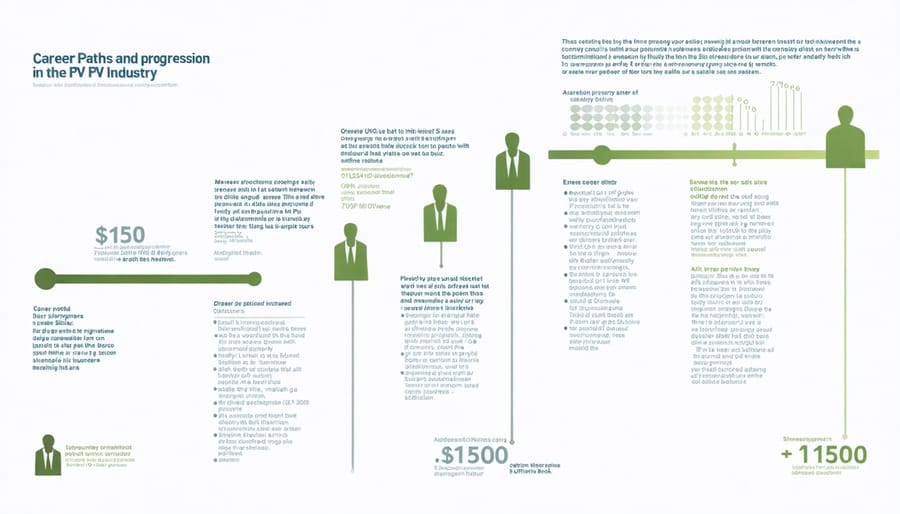
Industry Roles and Positions
Two-year technical programs in photovoltaic technology prepare graduates for diverse career opportunities across the renewable energy sector. Common entry-level positions include PV System Installer, Solar Technical Sales Representative, and Solar Project Coordinator. With experience, professionals can advance to roles such as Solar Design Engineer, Project Manager, or Quality Control Specialist.
Graduates often find employment with solar installation companies, equipment manufacturers, engineering firms, and utilities. Some pursue specialized positions in system monitoring, maintenance, and troubleshooting. Others work in solar sales and consulting, helping clients understand and implement solar solutions.
The industry also offers opportunities in emerging areas like energy storage integration, smart grid technology, and building-integrated photovoltaics. Technical program graduates may work alongside certified electricians, construction managers, and renewable energy specialists, contributing to both residential and commercial solar projects.
As the solar industry continues to grow, many professionals advance into leadership positions such as Operations Manager, Technical Director, or even start their own solar installation businesses. The combination of technical knowledge and practical skills acquired in these programs provides a strong foundation for career growth and specialization within the rapidly expanding renewable energy sector.
Salary Prospects and Growth Potential
Two-year technical programs in photovoltaic technology offer compelling financial rewards and career growth opportunities. Graduates typically enter the workforce with starting salaries ranging from $45,000 to $65,000 annually, with experienced professionals earning upwards of $85,000 per year. The rapid expansion of the solar energy sector continues to drive strong demand for qualified technicians and specialists.
Career advancement paths are well-defined, with many graduates progressing to roles such as senior solar installers, project managers, or system designers within 3-5 years. Some professionals transition into specialized areas like quality control, technical sales, or operations management. The industry’s dynamic nature creates opportunities for continuous skill development and professional growth.
The Bureau of Labor Statistics projects a 52% growth rate for solar photovoltaic installers through 2030, significantly exceeding the average for all occupations. This exceptional growth, combined with increasing adoption of renewable energy technologies, ensures strong job security and numerous advancement opportunities for technical program graduates. Additionally, many employers offer comprehensive benefits packages, ongoing training, and certification support to retain skilled professionals in this high-demand field.
Two-year technical programs in photovoltaic technology represent a strategic investment in your professional future, offering a compelling blend of practical skills and theoretical knowledge. These programs provide an accelerated path to industry-relevant certifications and career opportunities in the rapidly expanding solar energy sector. With the renewable energy industry experiencing unprecedented growth, graduates of these programs are well-positioned to meet the increasing demand for qualified PV professionals.
The value proposition of these programs extends beyond traditional education, incorporating hands-on experience, industry partnerships, and networking opportunities that facilitate seamless transition into the workforce. Students benefit from state-of-the-art laboratory facilities, expert instruction, and real-world project experience, all while building a professional portfolio that demonstrates their capabilities to potential employers.
For those considering a career in solar technology, the time to act is now. Begin by researching program offerings at accredited institutions, reviewing admission requirements, and exploring financial aid options. Consider scheduling campus visits or virtual information sessions to learn more about specific programs that align with your career goals. Many institutions offer rolling admissions and flexible start dates, making it possible to begin your journey into the PV industry at your convenience.
Take the first step toward a rewarding career in renewable energy by contacting program administrators to discuss your options and begin the application process. Your future in sustainable technology awaits.