Solar PV software has revolutionized the way we design, monitor, and optimize photovoltaic systems, emerging as an indispensable tool for maximizing renewable energy investments. Modern solar software platforms integrate advanced analytics, real-time monitoring capabilities, and sophisticated modeling tools to transform raw solar potential into actionable intelligence. These digital solutions enable project developers, installers, and asset managers to streamline operations, enhance system performance, and increase return on investment across the entire solar project lifecycle.
From initial site assessment and system design to ongoing performance monitoring and predictive maintenance, solar PV software provides the critical infrastructure needed to manage increasingly complex renewable energy installations. By leveraging artificial intelligence, machine learning, and IoT connectivity, these platforms offer unprecedented visibility into system operations while automating key processes that traditionally required extensive manual intervention.
As the solar industry continues to mature, the role of specialized software solutions becomes increasingly central to achieving operational excellence and maintaining competitive advantage. Whether for utility-scale installations or residential projects, these digital tools are essential for organizations seeking to optimize their solar assets and accelerate the global transition to renewable energy.
Understanding Solar PV Digital Twins
Core Components of PV Digital Twins
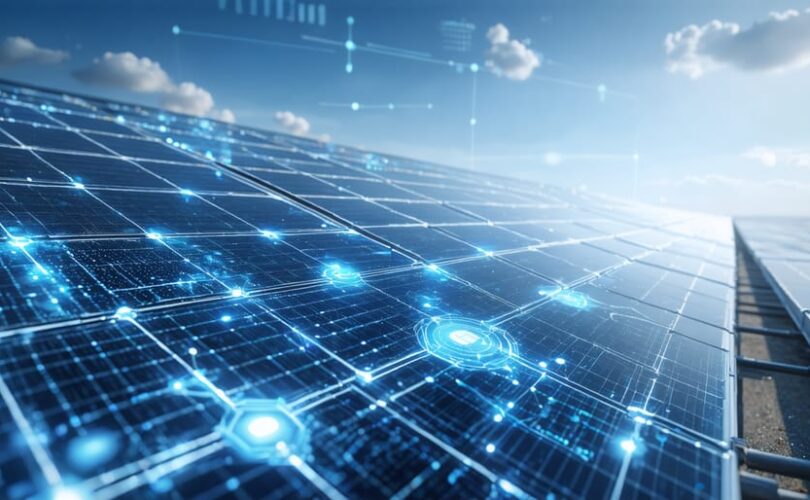
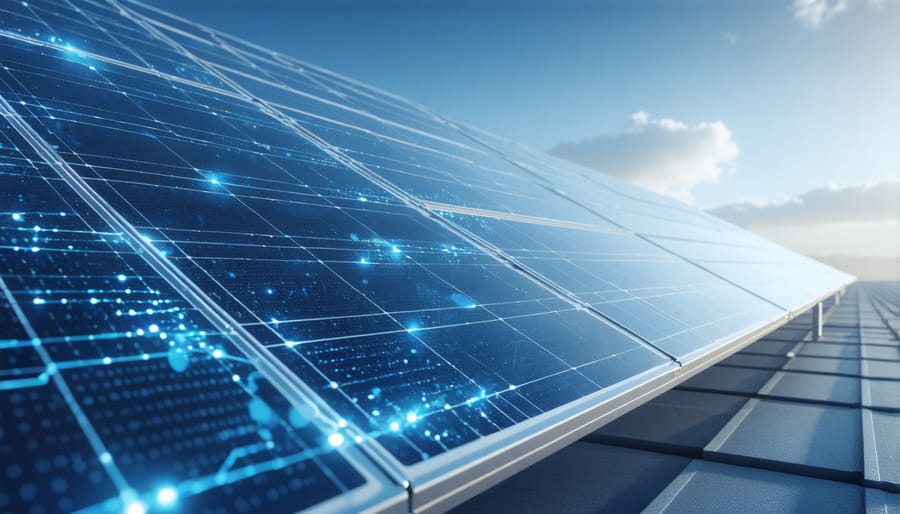
A PV digital twin system comprises several interconnected components that work together to create an accurate virtual representation of a physical solar installation. The foundational layer consists of sophisticated 3D modeling capabilities that precisely replicate the physical characteristics and spatial relationships of solar panels, inverters, and supporting infrastructure. Real-time data acquisition systems form the second crucial component, incorporating various sensors and monitoring devices that continuously collect performance metrics, environmental data, and equipment status information.
The analytics engine serves as the system’s brain, processing incoming data through advanced algorithms and machine learning models to generate insights and predictions. This component enables performance optimization, fault detection, and predictive maintenance capabilities. The simulation module allows operators to test different scenarios and operational strategies without risking the physical installation.
A robust visualization interface presents complex data in an intuitive format, enabling stakeholders to interact with the digital twin effectively. The final component is the integration framework, which ensures seamless communication between the digital twin and other enterprise systems, including asset management platforms and grid management systems. These components work in concert to deliver a comprehensive virtual representation that enhances operational efficiency and decision-making capabilities.
Real-time Data Integration
Digital twins employ sophisticated data integration systems to collect and process real-time information from solar PV installations. These systems utilize a network of IoT sensors and monitoring devices that continuously gather performance metrics, environmental data, and operational parameters. Advanced algorithms process this data stream, enabling instantaneous analysis of power output, panel efficiency, and system health.
The integration process typically involves multiple data sources, including string inverters, weather stations, and smart meters. These devices transmit information through secure protocols to centralized servers, where the digital twin software aggregates and synchronizes the data. This creates a live, virtual representation of the physical solar installation that updates in real-time.
Modern solar PV software platforms implement edge computing capabilities to process data closer to the source, reducing latency and enabling faster response times. The systems employ machine learning algorithms to detect patterns, predict potential issues, and optimize performance based on historical and current operational data. This continuous feedback loop ensures that facility managers and operators have access to accurate, up-to-date information for decision-making and maintenance planning.
Key Software Applications in PV Digital Twins
Performance Monitoring Software
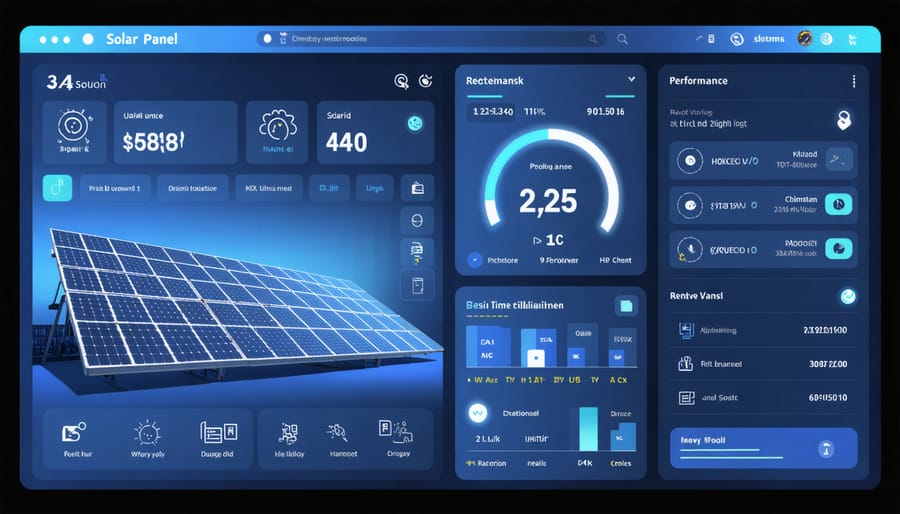
Performance monitoring software plays a crucial role in optimizing solar PV system operations by providing real-time insights into system performance and efficiency. These sophisticated tools leverage advanced technologies, including artificial neural networks, to collect, analyze, and interpret data from multiple system components.
Modern monitoring platforms offer comprehensive dashboards that display key performance indicators such as power output, energy yield, and system efficiency. They continuously track environmental parameters, including solar irradiance, temperature, and weather conditions, correlating these factors with system performance metrics. This enables operators to identify performance issues promptly and implement necessary corrective actions.
Advanced features typically include automated alert systems that notify operators of potential problems, predictive maintenance capabilities that forecast equipment failures, and detailed reporting tools for compliance and optimization purposes. Many platforms also integrate with mobile applications, allowing remote monitoring and management of solar installations from any location.
These software solutions often incorporate data visualization tools that present complex system information in easily digestible formats, enabling both technical and non-technical stakeholders to understand system performance. By providing actionable insights, performance monitoring software helps maximize system efficiency, reduce downtime, and optimize return on investment for solar PV installations.
Predictive Maintenance Systems
Predictive maintenance systems represent a critical advancement in solar PV facility management, leveraging sophisticated algorithms and real-time data analysis to anticipate potential equipment failures before they occur. These systems integrate seamlessly with AI-powered solar optimization platforms to monitor key performance indicators and component health continuously.
By analyzing historical performance data, weather patterns, and equipment diagnostics, these systems can identify subtle changes in operational parameters that might indicate pending issues. The software utilizes machine learning algorithms to establish baseline performance metrics and detect anomalies that could signal potential failures or efficiency degradation.
Key features typically include real-time monitoring of inverter performance, panel degradation analysis, and thermal imaging integration. The systems generate automated maintenance schedules based on predictive analytics, helping operators optimize resource allocation and minimize downtime.
Advanced predictive maintenance solutions also incorporate weather forecasting data to schedule maintenance during optimal conditions, reducing the risk of weather-related complications during service intervals. This proactive approach significantly reduces operational costs by preventing catastrophic failures and extending equipment lifespan.
The software provides detailed reporting capabilities, enabling facility managers to track maintenance history, component reliability, and system performance trends over time. This data-driven approach ensures maximum system uptime while optimizing maintenance budgets through strategic intervention timing.
Implementation Benefits and ROI
Operational Efficiency Gains
Solar PV software significantly enhances operational efficiency through automated monitoring, predictive maintenance, and streamlined workflow management. These solutions reduce manual intervention by automatically collecting and analyzing performance data from multiple system components in real-time. Advanced algorithms detect performance anomalies before they escalate into major issues, enabling proactive maintenance scheduling and minimizing system downtime.
Resource allocation becomes more efficient as software systems optimize crew assignments, route planning, and inventory management. Automated reporting features eliminate time-consuming manual data compilation, while integrated workflow management tools ensure standardized procedures across multiple sites. This systematic approach reduces human error and improves overall operational reliability.
Performance optimization capabilities enable operators to fine-tune system settings based on historical data and environmental conditions. The software’s ability to process vast amounts of operational data helps identify patterns and opportunities for efficiency improvements. Furthermore, integrated billing and customer management features streamline administrative tasks, reducing overhead costs and improving service delivery.
These operational improvements typically result in 15-30% reduction in maintenance costs and up to 25% increase in system uptime, delivering substantial returns on investment for solar PV operators.
Cost Reduction Analysis
Digital twin technology in solar PV systems demonstrates significant financial advantages through comprehensive cost reduction analysis. Studies show that implementing digital twins can reduce operational expenses by 15-25% through predictive maintenance and optimized performance monitoring. These virtual replicas enable operators to identify potential equipment failures before they occur, reducing unexpected downtime and associated repair costs.
The software’s advanced analytics capabilities help optimize energy production by analyzing real-time performance data against theoretical yields. This analysis typically results in a 5-10% increase in energy generation efficiency, directly impacting revenue potential. Additionally, digital twins reduce the need for frequent physical inspections, cutting labor costs and minimizing safety risks associated with manual monitoring.
Resource allocation becomes more efficient as the software provides data-driven insights for maintenance scheduling and component replacement. Organizations report up to 30% reduction in maintenance costs through better planning and reduced emergency interventions. The technology also extends equipment lifespan by enabling precise monitoring of component degradation, ultimately delivering substantial long-term cost savings through improved asset management and reduced replacement frequency.
Future Trends and Integration
The future of solar PV software is rapidly evolving, driven by groundbreaking solar panel technology advancements and innovative digital solutions. Artificial Intelligence and Machine Learning algorithms are becoming increasingly sophisticated, enabling more accurate predictions of energy production and maintenance requirements. These developments are transforming how digital twins operate, offering unprecedented levels of system optimization and predictive capabilities.
Integration with Internet of Things (IoT) devices is expected to enhance real-time monitoring and control capabilities, while blockchain in solar energy systems is poised to revolutionize data security and peer-to-peer energy trading. Advanced visualization technologies, including augmented and virtual reality, will provide maintenance technicians with immersive interfaces for system diagnostics and repair procedures.
Edge computing implementation is set to reduce latency in data processing, enabling faster response times and more efficient operations. The integration of weather forecasting algorithms with digital twins will improve production forecasting accuracy, while automated maintenance scheduling systems will optimize resource allocation and reduce downtime.
Looking ahead, we can expect to see greater emphasis on cross-platform compatibility and standardization of data formats, making it easier for different software solutions to work together seamlessly. This integration will facilitate better decision-making and more comprehensive system management capabilities for solar PV installations of all sizes.
Solar PV software has revolutionized the way we design, implement, and manage photovoltaic systems. By leveraging advanced monitoring capabilities, predictive analytics, and system optimization tools, organizations can maximize energy yield while minimizing operational costs. The integration of digital twin technology represents a significant leap forward, enabling real-time simulation and performance optimization of solar installations.
For successful implementation, organizations should prioritize selecting software solutions that align with their specific needs, ensure proper staff training, and establish clear data management protocols. Regular updates and maintenance of these systems are crucial for maintaining optimal performance. As the industry continues to evolve, staying informed about emerging software capabilities and best practices will be essential for achieving sustainable, efficient solar energy operations.
Looking ahead, the continued advancement of solar PV software will play a pivotal role in accelerating the adoption of renewable energy technologies and improving overall system efficiency.