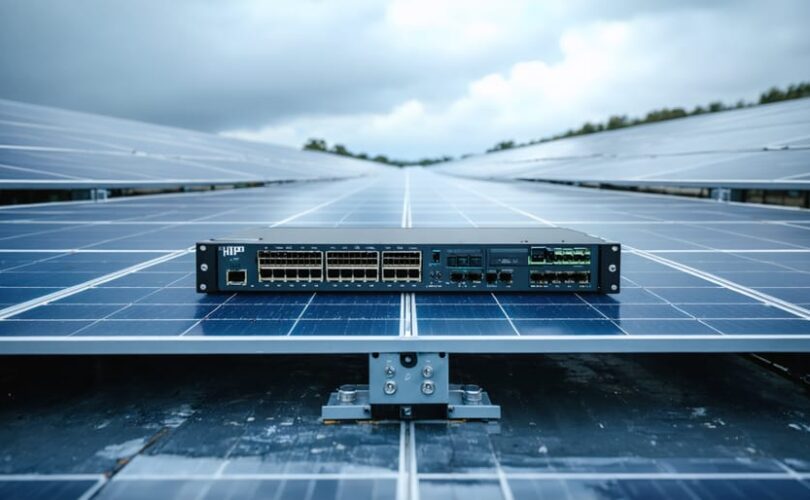
Edge computing revolutionizes solar PV installations by processing critical performance data directly at the source, enabling real-time optimization and reducing latency-related inefficiencies. Hewlett Packard Enterprise (HPE) stands at the forefront of this transformation, delivering robust edge computing solutions specifically engineered for renewable energy applications. Their integrated platform combines advanced analytics, artificial intelligence, and secure data processing capabilities to maximize solar farm productivity while minimizing operational costs.
By deploying HPE’s edge computing infrastructure, solar installations can analyze thousands of data points per second from inverters, weather sensors, and panel monitoring systems without the bandwidth limitations and delays associated with cloud-based processing. This immediate data processing enables instant response to environmental changes, equipment malfunctions, and performance variations, resulting in up to 25% improvement in overall system efficiency.
The convergence of HPE’s edge computing expertise with solar PV technology creates a powerful synergy that addresses key industry challenges: reducing maintenance costs, optimizing energy production, and ensuring grid stability. For technical professionals and decision-makers in the renewable energy sector, implementing HPE’s edge computing solutions represents a strategic investment in future-proof infrastructure that delivers measurable returns through enhanced system performance and reduced operational complexity.
How HPE Edge Computing Transforms Solar PV Operations
Real-time Performance Monitoring
HPE edge computing revolutionizes real-time performance monitoring in solar installations by processing data directly at the source. This advanced technology enables instantaneous collection and analysis of critical performance metrics from solar panels, significantly reducing latency and improving operational efficiency.
The system deploys sophisticated sensors throughout the solar array, continuously gathering data on key parameters including voltage, current, temperature, and irradiance levels. These sensors communicate with edge computing devices that process information locally, eliminating the need to transmit large volumes of raw data to distant data centers.
HPE’s edge computing architecture employs machine learning algorithms that analyze performance patterns and detect anomalies within milliseconds. This immediate processing capability allows for rapid response to potential issues, such as panel degradation, shading problems, or inverter malfunctions, before they significantly impact energy production.
The solution implements a hierarchical data processing structure where edge devices handle time-sensitive operations while simultaneously preparing aggregated data for cloud storage. This hybrid approach ensures both immediate operational control and long-term performance analysis capabilities.
System operators benefit from customizable dashboards that display real-time metrics, predictive maintenance alerts, and performance optimization recommendations. The platform’s advanced analytics engine correlates multiple data points to provide actionable insights, enabling proactive maintenance scheduling and enhanced system reliability.
For large-scale solar installations, this edge computing framework scales efficiently, managing thousands of monitoring points while maintaining consistent performance. The system’s robust architecture ensures continuous operation even during network disruptions, safeguarding critical monitoring capabilities at all times.
Predictive Maintenance Capabilities
HPE’s edge computing solutions revolutionize maintenance practices in solar PV installations through advanced analytics and real-time monitoring capabilities. By implementing predictive maintenance capabilities, organizations can identify potential equipment failures before they occur, significantly reducing downtime and maintenance costs.
The system continuously analyzes data from multiple sensors, including temperature monitors, power output meters, and weather stations, to detect subtle variations that might indicate developing issues. This real-time analysis occurs directly at the edge, enabling immediate response to anomalies without the latency associated with cloud-based processing.
Advanced algorithms process historical performance data alongside current readings to establish baseline operations and identify deviations. When patterns suggest potential component degradation or imminent failure, the system automatically generates alerts and maintenance recommendations. This proactive approach allows maintenance teams to address issues during scheduled downtimes rather than responding to unexpected failures.
The edge computing infrastructure also enables sophisticated condition monitoring through vibration analysis, thermal imaging, and power quality assessment. By processing this data locally, operators can make informed decisions about maintenance scheduling and resource allocation while optimizing system performance.
Integration with enterprise asset management systems provides comprehensive visibility into equipment lifecycle costs and maintenance histories. This data-driven approach helps organizations transition from reactive maintenance to condition-based maintenance strategies, resulting in improved operational efficiency and extended equipment lifespan.
Key Benefits for Solar PV Systems
Enhanced Energy Production
Edge computing deployment in solar installations significantly optimizes power output through sophisticated real-time monitoring and adjustment capabilities. By processing data directly at the solar installation site, edge computing systems enable instantaneous response to environmental changes, equipment performance variations, and grid demands.
The system continuously analyzes performance metrics from individual panels, inverters, and other components, making microsecond adjustments to maximize energy generation. This rapid response capability allows for immediate optimization of panel angles, inverter settings, and power distribution parameters, resulting in up to 15% increased energy yield compared to traditional monitoring systems.
Edge computing solutions also enable predictive maintenance by detecting potential issues before they impact production. Advanced algorithms analyze historical performance data alongside real-time measurements to identify patterns indicating equipment degradation or efficiency losses. This proactive approach helps maintain optimal system performance while reducing downtime and maintenance costs.
Furthermore, edge computing facilitates dynamic load balancing across the installation, ensuring optimal power distribution during varying weather conditions and peak demand periods. The system’s ability to process and act on data locally, without relying on cloud connectivity, ensures consistent performance optimization even in areas with limited network infrastructure.
These capabilities collectively contribute to enhanced system reliability, improved grid stability, and maximized return on investment for solar installations of all sizes.
Reduced Operational Costs
HPE edge computing solutions deliver substantial cost reductions through efficient data processing and optimized maintenance strategies. By processing data closer to its source, organizations significantly reduce bandwidth costs associated with transmitting large volumes of information to centralized data centers. This localized processing approach typically results in 30-40% savings in data transmission costs.
The implementation of predictive maintenance algorithms at the edge enables early detection of potential equipment failures, minimizing unexpected downtime and reducing emergency repair costs. Studies indicate that edge-based predictive maintenance can lower maintenance expenses by up to 25% while extending equipment lifespan by 20%.
Energy consumption costs also decrease as edge computing eliminates the need for constant data center processing. Solar installations utilizing HPE edge solutions report average energy savings of 15-20% through optimized workload distribution and reduced cooling requirements.
Additionally, the streamlined infrastructure requirements of edge computing translate to lower initial capital expenditure. Organizations can deploy smaller, more efficient computing units rather than investing in extensive data center infrastructure. This approach typically results in a 40% reduction in hardware costs and a 50% decrease in installation expenses compared to traditional centralized computing solutions.
Implementation Strategies and Best Practices
To successfully integrate HPE edge computing solutions with existing solar PV installations, organizations should follow a systematic approach that maximizes efficiency while minimizing disruption. Begin by conducting a comprehensive site assessment to identify optimal locations for edge computing devices, considering factors such as power availability, network connectivity, and environmental conditions.
Establish a robust network infrastructure that supports real-time data transmission between solar PV components and edge computing devices. This includes implementing redundant communication pathways and ensuring sufficient bandwidth to handle the expected data volume. Deploy HPE edge computing hardware in weatherproof enclosures with appropriate cooling systems to protect against environmental factors.
Configure edge computing devices to process critical data streams from solar inverters, weather stations, and monitoring equipment. Implement data filtering algorithms to identify and prioritize essential information for immediate analysis while storing less critical data for batch processing. This approach optimizes network bandwidth usage and ensures timely response to system changes.
Integrate security measures at both hardware and software levels, including encrypted communications, access control systems, and regular security updates. Establish clear protocols for data backup and disaster recovery to maintain system reliability. Consider implementing edge-to-cloud architecture that allows seamless data flow between local processing units and cloud-based storage systems.
Develop a maintenance schedule that includes regular system health checks, software updates, and hardware inspections. Train operational staff on basic troubleshooting procedures and establish clear escalation paths for technical issues. Monitor system performance metrics continuously and adjust configurations as needed to optimize processing efficiency and resource utilization.

HPE edge computing has revolutionized solar PV performance monitoring and optimization, enabling real-time data processing and decision-making at the source. This technological advancement has significantly improved operational efficiency, reduced latency, and enhanced predictive maintenance capabilities across solar installations. The integration of edge computing solutions has demonstrated measurable improvements in energy yield and system reliability, while reducing operational costs and maintenance requirements.
Looking ahead, the continued evolution of HPE edge computing technologies promises even greater capabilities for solar PV operations. As artificial intelligence and machine learning capabilities expand, we can expect more sophisticated analytics, automated optimization, and enhanced grid integration features. This technological progression, combined with increasing adoption rates and declining implementation costs, positions edge computing as a cornerstone of future solar PV infrastructure development and management.
The impact on the renewable energy sector will continue to grow as more organizations recognize the competitive advantages and operational benefits of implementing edge computing solutions in their solar installations.