
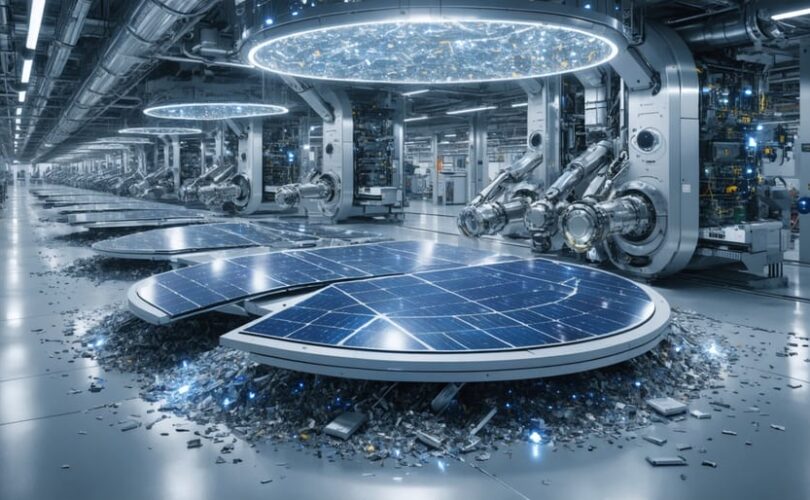
As photovoltaic installations reach their end-of-life cycle, effective recycling of solar panels has become crucial for achieving truly sustainable solar energy. The global PV waste stream is projected to reach 78 million metric tons by 2050, presenting both environmental challenges and economic opportunities. Advanced recycling technologies now enable the recovery of up to 95% of valuable materials from decommissioned panels, including high-purity silicon, silver, and glass. This systematic reclamation not only conserves precious resources but also significantly reduces the carbon footprint of solar manufacturing while creating new revenue streams within the renewable energy sector. Industry leaders and researchers are pioneering innovative processes that transform end-of-life panels from potential environmental hazards into valuable secondary raw materials, establishing a circular economy model that enhances the long-term viability of solar power. As regulations tighten and recycling infrastructure expands, implementing efficient PV recycling programs has become essential for manufacturers, installers, and waste management facilities committed to environmental stewardship and resource conservation.
The Growing Need for PV Panel Recycling
End-of-Life Solar Panel Statistics
Recent industry analyses reveal a significant surge in end-of-life solar panels, with global PV waste volumes expected to reach 78 million tonnes by 2050. The International Renewable Energy Agency (IRENA) reports that cumulative waste from decommissioned panels is projected to increase exponentially, from approximately 250,000 tonnes in 2020 to 8 million tonnes by 2030.
Currently, major solar markets like Europe, China, and the United States contribute the highest volumes of PV waste. Europe alone is anticipated to generate 3.5 million tonnes of PV waste by 2030, driven by early adoption of solar technology. First-generation panels from the 1980s and 1990s are now reaching their end of useful life, creating an immediate need for recycling infrastructure.
Standard silicon-based modules comprise approximately 90% of the current waste stream, while thin-film technologies account for the remaining 10%. These statistics underscore the urgent necessity for developing robust recycling systems and establishing efficient material recovery processes to manage this growing waste stream effectively.
Environmental Impact of Improper Disposal
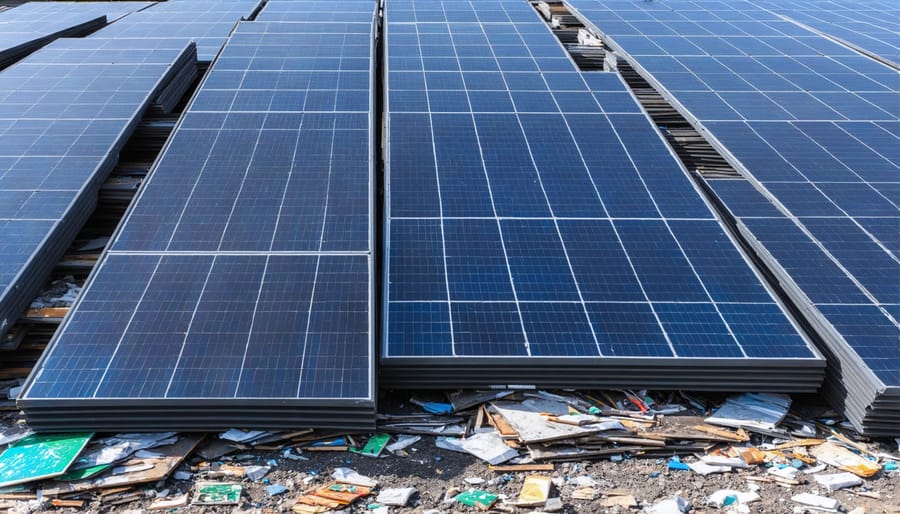
The improper disposal of photovoltaic panels poses significant environmental risks due to their complex composition of potentially hazardous materials. When PV panels end up in landfills, toxic elements such as lead, copper, and silicon tetrachloride can leach into soil and groundwater systems, compromising local ecosystems and potentially affecting human health. Furthermore, the presence of semiconductor materials and trace amounts of heavy metals requires careful handling to prevent environmental contamination.
Regulatory frameworks worldwide have established strict guidelines for PV panel disposal. The European Union’s WEEE Directive classifies solar panels as electronic waste, mandating proper collection and recycling procedures. In the United States, various state-level regulations govern the disposal of end-of-life solar panels, though federal guidelines are still evolving.
The environmental impact extends beyond immediate contamination concerns. Improper disposal wastes valuable resources that could be reclaimed through recycling, including high-purity silicon, silver, and aluminum. This unnecessary waste contributes to increased mining and processing of raw materials, leading to additional environmental degradation and carbon emissions. Proper recycling programs are essential to mitigate these environmental risks while supporting circular economy principles in the renewable energy sector.
Modern PV Recycling Technologies
Mechanical Recycling Processes
Mechanical recycling represents the primary method for processing end-of-life photovoltaic panels, involving several key stages of physical separation and material recovery. The process typically begins with the manual removal of the aluminum frame and junction box, which are easily separated and sorted for direct recycling.
The next phase involves size reduction through controlled crushing and shredding operations. This step transforms the panels into manageable fragments while preserving the integrity of valuable materials. Advanced crushing techniques ensure that the glass doesn’t contaminate other recyclable components, maintaining material purity for downstream processes.
Following size reduction, automated sorting systems employ various physical separation methods. These include screening, which separates materials by size; density separation, which segregates components based on their specific gravity; and magnetic separation, which extracts ferrous metals from the mixture. Advanced optical sorting technologies can differentiate between different types of plastics and other materials based on their spectral signatures.
The glass fraction, typically comprising about 70% of the panel’s weight, undergoes further processing to remove any remaining impurities. This refined glass can then be repurposed in new manufacturing applications. The recovered metal components, including aluminum, copper, and silver, are sorted into separate streams for specialized recycling processes.
The backsheet and encapsulant materials require additional processing steps, often involving thermal or chemical treatments to separate them from the silicon cells. While these polymer materials currently present recycling challenges, emerging technologies are improving recovery rates and exploring new applications for these materials.
This mechanical recycling approach achieves recovery rates of up to 90% for most materials, though the process continues to evolve with technological advances and increasing scale of operations.

Chemical Recycling Methods
Chemical recycling methods represent advanced approaches to recovering valuable materials from end-of-life photovoltaic panels. These processes primarily utilize chemical solvents and reactions to separate and extract precious metals, semiconductors, and other valuable components from the panel structure.
The most common chemical recycling technique involves selective etching, where specific chemical solutions systematically dissolve different layers of the solar panel. This process begins with the removal of the ethylene-vinyl acetate (EVA) encapsulant using organic solvents, followed by acid or base treatments to separate the semiconductor materials from the glass substrate.
For crystalline silicon panels, a combination of nitric acid and hydrofluoric acid treatments enables the recovery of high-purity silicon. This recovered silicon can be repurposed for new solar cells or used in other electronics manufacturing processes. The process achieves recovery rates of up to 95% for silicon materials.
Thin-film panels require different chemical approaches due to their unique composition. For instance, recovering materials from CdTe panels involves leaching with hydrogen peroxide and sulfuric acid solutions, allowing for the selective extraction of cadmium and tellurium compounds. CIGS panels undergo similar treatments with specific acid combinations to recover indium, gallium, and selenium.
Recent innovations in chemical recycling include the development of environmentally friendly solvents and closed-loop systems that minimize chemical waste. These advanced methods not only improve recovery efficiency but also reduce the environmental impact of the recycling process itself. Additionally, new chemical processes are being developed to handle emerging panel technologies, ensuring future recyclability of next-generation photovoltaic materials.
Best Practices for PV Panel Recycling
Collection and Transportation
The safe collection and transportation of end-of-life PV panels require careful planning and adherence to established protocols to prevent environmental contamination and ensure worker safety. Solar panels must be carefully removed from their mounting structures, inspected for damage, and properly packaged to prevent breakage during transit.
Trained personnel should wear appropriate personal protective equipment (PPE), including cut-resistant gloves, safety glasses, and dust masks, when handling panels. Panels should be stacked horizontally on pallets with protective padding between layers to prevent scratching and breakage. Each stack must be securely strapped and wrapped in weatherproof material to protect against moisture damage.
Transportation vehicles must be equipped with proper securing mechanisms to prevent load shifting during transit. Documentation, including waste classification forms and hazardous material declarations where applicable, should accompany each shipment. Large-scale collections often benefit from reverse logistics planning, where delivery routes for new panel installations are coordinated with collection of end-of-life panels.
Specialized collection points or temporary storage facilities should be established to accumulate sufficient quantities for economical transportation to recycling facilities. These collection points must maintain proper environmental controls and security measures. Regular inspections of stored panels help identify any deterioration or damage that could complicate the recycling process.
For optimal efficiency, transportation routes should be optimized to minimize distance and fuel consumption while maximizing load capacity. This approach reduces both environmental impact and operational costs while ensuring responsible handling of end-of-life solar panels.
Material Recovery Optimization
Material recovery optimization in PV panel recycling requires a systematic approach combining mechanical, thermal, and chemical processes to maximize the extraction of valuable components. Advanced separation techniques, including automated optical sorting and density-based segregation, enable the efficient recovery of high-purity materials such as silicon, silver, and aluminum.
To achieve optimal recovery rates, recycling facilities implement multi-stage processes that begin with careful delamination of panel components. Thermal treatment at controlled temperatures helps separate the glass from the encapsulant material while preserving the integrity of semiconductor materials. Mechanical processing follows, utilizing precise crushing and sorting equipment to separate different material fractions.
Chemical extraction methods play a crucial role in recovering precious metals and semiconductor materials. Hydrometallurgical processes, using selective leaching agents, can achieve recovery rates exceeding 95% for certain materials. Advanced filtration systems and precipitation techniques ensure the extracted materials meet industry purity standards.
Quality control measures throughout the recovery process are essential for maintaining high recovery rates. This includes regular monitoring of process parameters, material composition analysis, and adjustment of separation techniques based on input material characteristics. Implementation of artificial intelligence and machine learning algorithms helps optimize process parameters in real-time, leading to improved recovery efficiency.
Success in material recovery also depends on proper pre-sorting and characterization of end-of-life panels, as different panel technologies require specific treatment approaches to maximize recovery potential.
Quality Control and Documentation
Quality control in PV panel recycling requires strict adherence to established standards and documentation protocols to ensure environmental compliance and material recovery efficiency. Recycling facilities must implement comprehensive quality management systems that align with ISO 9001 standards and specific photovoltaic recycling guidelines.
Key documentation requirements include detailed intake records, processing parameters, and material recovery rates. Each batch of panels must be tracked through the entire recycling process, with documentation of their origin, composition, and final disposition. This chain of custody ensures transparency and enables accurate reporting to regulatory authorities.
Regular quality checks are performed at critical points in the recycling process, including:
– Initial panel assessment and sorting
– Delamination and material separation
– Chemical processing and purification
– Final material recovery and grade verification
Facilities must maintain calibrated testing equipment and certified measurement systems to validate the purity of recovered materials. Quality control personnel regularly collect and analyze samples to ensure compliance with industry specifications for recovered silicon, glass, and metals.
Environmental monitoring is another crucial aspect, requiring documentation of emissions, waste management, and worker safety protocols. Regular audits by third-party certification bodies help maintain high standards and verify compliance with environmental regulations.
All quality control data must be retained for a minimum of five years, enabling traceability and continuous process improvement. This documentation also supports research and development efforts to enhance recycling technologies and recovery rates.
Future of PV Recycling
Innovative Recycling Technologies
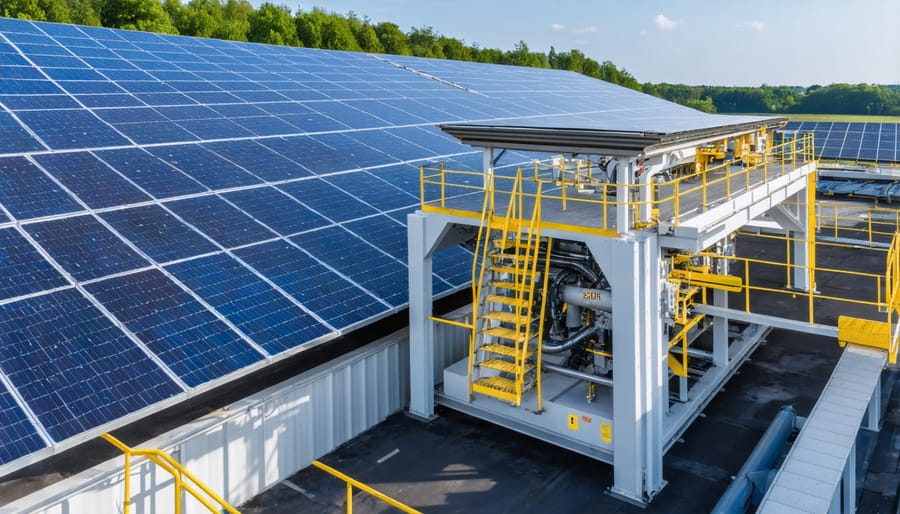
Recent advancements in innovative recycling technologies are transforming the PV panel recycling landscape. Thermal delamination processes now achieve recovery rates exceeding 95% for silicon-based panels, while automated robotic systems enable precise separation of components with minimal material loss. Advanced mechanical processing techniques utilize specialized crushing and sorting mechanisms to efficiently separate glass, metals, and semiconductor materials.
Emerging technologies include electrostatic separation methods that effectively isolate different materials based on their electrical properties, and chemical treatment processes that recover high-purity silicon and precious metals. Hydrometallurgical approaches are showing promising results in extracting valuable materials while minimizing environmental impact.
Research laboratories and industry leaders are developing novel solutions like ultrasonic delamination and laser-based separation techniques. These methods significantly reduce energy consumption during the recycling process while improving the quality of recovered materials. Additionally, artificial intelligence and machine learning algorithms are being implemented to optimize sorting processes and increase recycling efficiency.
Circular Economy Integration
PV panel recycling represents a crucial component in the broader solar panel lifecycle, embodying the principles of circular economy in the renewable energy sector. By recovering and reusing valuable materials from end-of-life panels, the industry minimizes waste while creating a sustainable supply chain for future panel production.
This integration extends beyond mere material recovery, encompassing design considerations for new panels that facilitate easier dismantling and recycling. Manufacturers are increasingly adopting design-for-recycling approaches, selecting materials and assembly methods that enhance recyclability without compromising panel performance.
The circular economy model in solar manufacturing creates multiple value streams, from reduced raw material costs to decreased environmental impact. This systematic approach helps address critical supply chain challenges, particularly for rare earth elements and precious metals used in panel production. By establishing efficient recycling networks, the industry strengthens its resilience against material shortages while demonstrating environmental stewardship.
Moreover, this circular approach generates new economic opportunities through specialized recycling facilities, technology development, and green job creation, reinforcing the solar industry’s position as a leader in sustainable energy solutions.
The successful implementation of PV panel recycling practices is crucial for the sustainable future of solar energy. By adopting comprehensive recycling strategies, we can recover valuable materials, reduce environmental impact, and create a circular economy within the solar industry. The development of efficient recycling technologies, combined with supportive policies and industry collaboration, will be key drivers in achieving these goals. As the solar industry continues to grow, stakeholders must prioritize establishing robust recycling infrastructure and implementing best practices. Moving forward, it is essential for manufacturers, installers, and facility operators to embrace these recycling protocols, invest in advanced recovery technologies, and participate in industry-wide initiatives. Together, we can ensure that solar energy remains a truly sustainable solution while maximizing the recovery and reuse of valuable materials from end-of-life PV panels.


