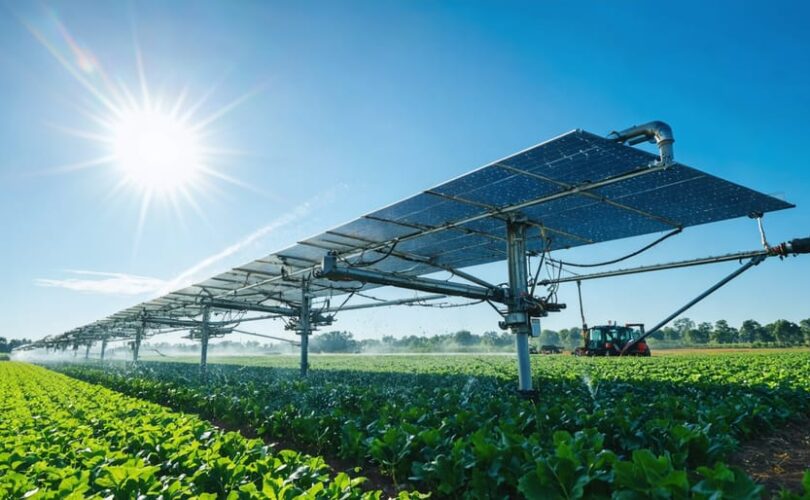
Solar-powered irrigation pumps are revolutionizing agricultural water management, offering a sustainable solution to the growing challenges of energy-intensive farming practices. These innovative systems harness solar photovoltaic (PV) technology to power water pumps, enabling farmers to irrigate crops efficiently while significantly reducing operational costs and environmental impact. By converting abundant solar energy into electrical power, these systems provide reliable irrigation capabilities without dependence on grid electricity or fossil fuels.
The integration of solar water pumps into modern irrigation systems represents a critical advancement in agricultural technology, particularly in regions with limited grid access or high energy costs. These systems typically consist of solar panels, pump controllers, and specially designed water pumps that can operate effectively under varying solar conditions. With proper sizing and implementation, solar irrigation pumps can deliver consistent water supply for crops while offering payback periods as short as 2-4 years through reduced energy costs.
The significance of solar water pumps extends beyond immediate agricultural benefits, contributing to broader sustainability goals and climate change mitigation efforts. As agriculture accounts for approximately 70% of global freshwater consumption, the adoption of solar-powered irrigation systems presents a viable pathway toward more sustainable farming practices, reduced carbon emissions, and enhanced food security.
Understanding Solar Irrigation Pump Systems
Core Components
Solar-powered irrigation systems comprise four essential components that work in harmony to deliver efficient water distribution. The solar panels, typically monocrystalline or polycrystalline modules, convert sunlight into electrical energy with conversion efficiencies ranging from 15% to 22%. These panels are strategically positioned to maximize solar exposure throughout the day, often utilizing tracking systems in large installations.
The charge controller acts as the system’s brain, regulating power flow between panels, batteries, and the pump while protecting against overcharging and voltage fluctuations. Modern controllers feature Maximum Power Point Tracking (MPPT) technology, optimizing energy harvest under varying weather conditions.
The water pump, available in both surface and submersible configurations, converts electrical energy into mechanical power for water movement. DC pumps are commonly preferred for their direct compatibility with solar panels, though AC pumps paired with inverters offer higher power options for larger operations. Pump selection depends on factors including required flow rate, total dynamic head, and daily water demand.
Storage systems complete the configuration, comprising both electrical and water storage components. Battery banks, typically utilizing lithium-ion or deep-cycle lead-acid technology, ensure operation during low-light periods. Water tanks or reservoirs serve as buffers, maintaining consistent supply during peak demand and enabling irrigation during non-sunlight hours. This integrated approach ensures reliable, sustainable water distribution for agricultural applications.
System Integration
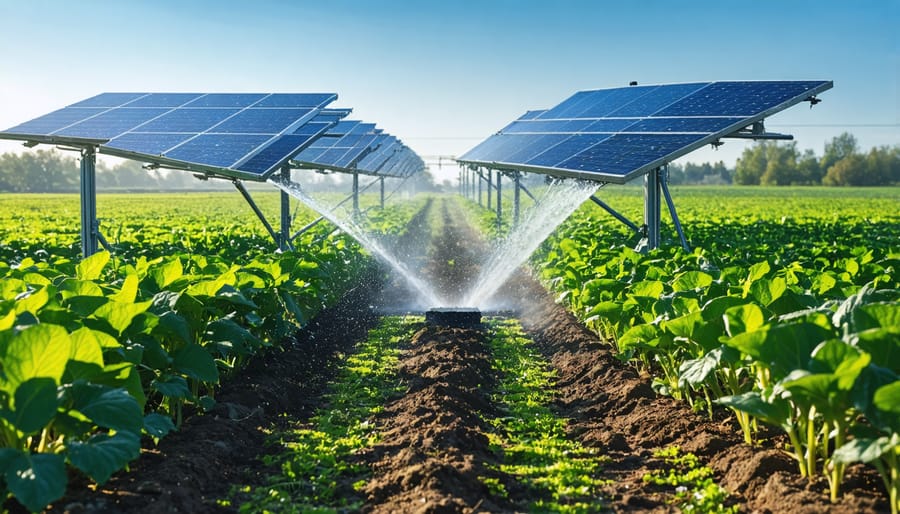
In a well-designed solar irrigation system, multiple components work in harmony to deliver efficient and reliable water distribution. The integration begins with solar panels, typically configured as part of a high-performance PV solar system, which converts sunlight into electrical energy. This power flows through charge controllers to either directly operate the pump or charge batteries for energy storage.
The pump controller serves as the system’s brain, monitoring input power, water levels, and system pressure while optimizing pump performance. It communicates with flow sensors and level switches to maintain proper water distribution and protect against dry running. Variable frequency drives (VFDs) adjust pump speed based on available solar power and irrigation requirements, ensuring maximum efficiency.
Modern systems incorporate smart irrigation controllers that integrate weather data and soil moisture sensors to determine optimal watering schedules. These controllers can be programmed to operate different zones at specific times, considering factors such as crop type, soil conditions, and seasonal variations.
The physical infrastructure includes carefully sized pipes, filters, and valves that work together to maintain proper pressure and flow rates. Pressure regulators prevent system damage while ensuring consistent water delivery across the irrigation network. This integrated approach results in a reliable, automated system that maximizes water use efficiency while minimizing energy consumption.
Water Impact Mitigation Strategies
Water Conservation Benefits
Solar-powered irrigation pumps significantly enhance water conservation in solar installations through precise control and efficient water distribution mechanisms. These systems typically achieve 40-50% reduction in water consumption compared to traditional diesel-powered pumps, primarily due to their advanced monitoring capabilities and automated operation schedules.
The implementation of solar irrigation pumps enables farmers and facility managers to establish precise watering cycles that align with specific crop requirements and environmental conditions. Through integrated soil moisture sensors and weather monitoring systems, these pumps deliver water only when necessary, eliminating wasteful overflow and reducing soil erosion.
Modern solar pump systems incorporate smart controllers that optimize water distribution based on real-time data. These controllers adjust flow rates and timing to maximize absorption and minimize evaporation losses, particularly during peak sunlight hours. Studies indicate that properly configured solar irrigation systems can maintain optimal soil moisture levels while using up to 30% less water than conventional irrigation methods.
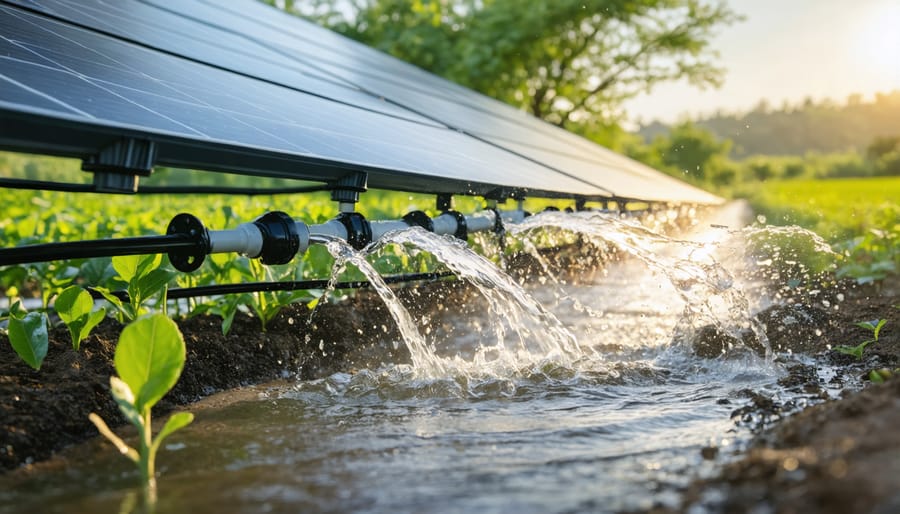
Additionally, solar-powered pumps facilitate the adoption of drip irrigation techniques, which can achieve water use efficiency rates of up to 95%. This precision delivery system ensures water reaches plant roots directly, minimizing surface evaporation and runoff. The combination of solar power and advanced irrigation technology creates a sustainable water management solution that preserves groundwater resources while maintaining agricultural productivity.
The economic benefits of water conservation through solar pumps extend beyond reduced consumption. Facilities implementing these systems often report decreased operational costs, improved crop yields, and enhanced soil health due to consistent, optimized irrigation practices.
Environmental Protection Measures
Solar-powered irrigation pumps play a crucial role in environmental conservation through their innovative approach to water management and ecosystem protection. By harnessing the environmental benefits of solar PV, these systems help preserve groundwater resources while minimizing the ecological footprint of agricultural operations.
A key environmental advantage is the prevention of groundwater depletion through smart pumping schedules aligned with natural water table recovery rates. Modern solar irrigation systems incorporate monitoring technologies that track water levels and automatically adjust pumping volumes, ensuring sustainable withdrawal rates that maintain aquifer health.
These systems also contribute to ecosystem preservation by eliminating the soil and water contamination risks associated with conventional diesel pumps. The absence of fuel leakage and exhaust emissions helps maintain soil quality and protects local biodiversity. Additionally, solar pumps can be programmed to operate during optimal daylight hours, reducing disruption to wildlife patterns and maintaining natural habitat rhythms.
Proper implementation of solar irrigation pumps includes establishing buffer zones around water sources and incorporating water-efficient distribution systems. These measures help protect riparian ecosystems and prevent soil erosion while maintaining agricultural productivity. The integration of soil moisture sensors and weather monitoring systems further optimizes water usage, ensuring that irrigation occurs only when necessary.
To maximize environmental protection, system operators should regularly monitor groundwater levels, maintain detailed pumping records, and adjust operations based on seasonal variations and ecological indicators. This data-driven approach helps create a balance between agricultural needs and environmental conservation, supporting long-term sustainability goals.
Implementation and Best Practices
Site Assessment and Planning
Proper site assessment and planning are crucial steps in implementing an effective solar-powered irrigation system. Begin by conducting a comprehensive analysis of your water requirements, considering factors such as crop type, soil characteristics, and seasonal variations in water demand. This data will help determine the optimal pump size and solar array capacity needed for your specific application.
The location selection process should prioritize areas with maximum solar exposure, typically receiving 6-8 hours of direct sunlight daily. Consider potential shading from nearby structures, trees, or geographical features that could impact system performance. The proximity to water sources and irrigation zones should also factor into your placement decision, as longer piping distances can affect system efficiency.
When integrating smart solar farming practices, evaluate the site’s topography and elevation differences between the water source and distribution points. This assessment helps calculate the total dynamic head, which is essential for selecting the appropriate pump specifications.
System sizing should account for peak water demands during critical growing periods while considering seasonal solar radiation variations. Factor in a safety margin of 10-15% to ensure reliable operation during periods of reduced sunlight or increased water requirements. Additionally, assess the site’s soil stability for mounting structures and consider access requirements for maintenance and monitoring activities.
Document existing infrastructure, including electrical connections, water storage facilities, and distribution networks. This information will guide decisions about system integration and help identify potential upgrades needed to support the solar irrigation system effectively.
Installation Considerations
Proper installation of solar water pumps for irrigation requires careful consideration of several technical factors to ensure optimal performance and longevity. The site assessment should begin with a detailed analysis of the available solar resources, including annual sun hours and seasonal variations in solar intensity. The pump location must be selected based on water source proximity, minimizing pipe runs while maximizing exposure to sunlight.
The system’s components must be correctly sized according to the specific irrigation requirements. This includes calculating the daily water demand, total dynamic head (vertical lift plus friction losses), and required flow rate. The solar array should be dimensioned to provide sufficient power during peak demand periods, typically incorporating a 20% safety margin to account for efficiency losses and system degradation over time.
Mounting structures must be engineered to withstand local wind loads and weather conditions. The solar panels should be installed at the optimal tilt angle for the location’s latitude, with consideration for seasonal adjustments if necessary. Proper grounding and surge protection are essential to safeguard the system against electrical faults and lightning strikes.
The pump controller and electrical connections require weatherproof housing and professional installation to ensure safety and reliability. Water storage tanks, if included, should be positioned to maximize gravitational flow while protecting against contamination. Regular maintenance access points must be incorporated into the design.
Foundation preparation and anchoring systems should comply with local building codes and soil conditions. Documentation of system specifications, installation procedures, and maintenance requirements should be maintained for future reference and warranty purposes.
Maintenance Requirements
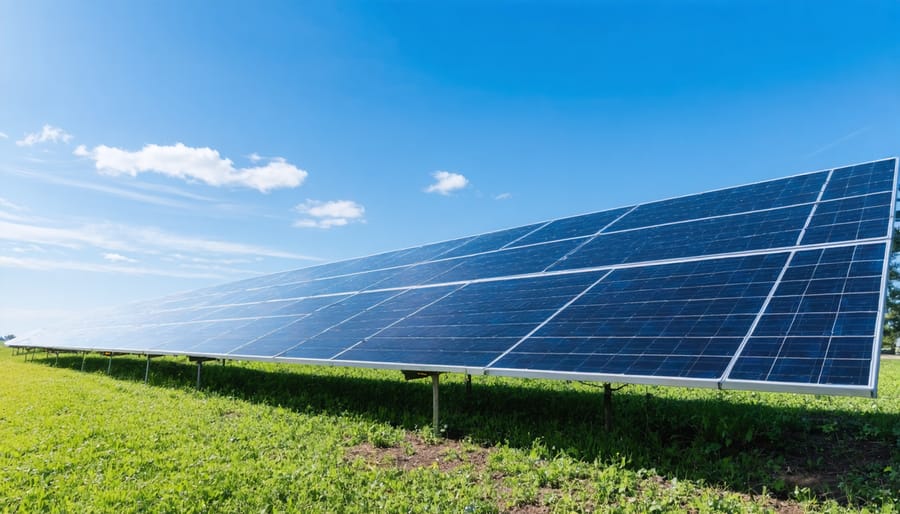
Regular maintenance of solar water pumps for irrigation systems is essential for ensuring optimal performance and longevity. A comprehensive maintenance schedule should include monthly visual inspections of solar panels, checking for dust accumulation, physical damage, or shading issues. Clean the panels using soft brushes and appropriate cleaning solutions to maintain maximum energy absorption efficiency.
Quarterly maintenance tasks should focus on the pump system components. Inspect seals, bearings, and impellers for wear and tear, and verify proper alignment of moving parts. Check electrical connections for corrosion or loose terminals, and ensure controller settings remain properly calibrated. Monitor battery banks, if present, for proper charge levels and terminal cleanliness.
Common troubleshooting scenarios include reduced pump output, system failure during optimal sunlight conditions, and irregular operation. Address these issues by:
– Verifying solar panel cleanliness and orientation
– Checking for pipe blockages or leaks
– Confirming proper controller function
– Inspecting electrical connections
– Testing pump motor operation
Annual professional inspections are recommended to assess system efficiency and identify potential issues before they become critical. Keep detailed maintenance records documenting all inspections, repairs, and performance metrics. This data helps track system degradation and optimize maintenance schedules.
For systems in agricultural settings, additional attention should be paid to filtering mechanisms and pipe networks to prevent clogging from debris or mineral deposits. Implement appropriate winterization procedures in regions susceptible to freezing temperatures.
Solar-powered irrigation pumps represent a transformative solution in modern agriculture, offering substantial benefits that extend beyond conventional irrigation methods. These systems have demonstrated remarkable success in reducing operational costs while significantly decreasing carbon emissions, making them an increasingly attractive option for both small-scale farmers and large agricultural operations.
The economic advantages of solar irrigation pumps continue to improve as technology advances and installation costs decrease. Research indicates that most systems achieve return on investment within 3-5 years, while providing reliable service for 20-25 years with minimal maintenance requirements. This long-term sustainability, coupled with independence from grid electricity and fossil fuels, positions solar pumps as a crucial component in future agricultural development.
Environmental benefits remain a key driver for adoption, with each solar pump installation potentially reducing carbon emissions by several tons annually. As climate change concerns intensify, these systems offer a practical solution for sustainable water management and responsible resource utilization.
Looking ahead, the future of solar irrigation pumps appears promising, with technological innovations focusing on improved efficiency, smart monitoring systems, and enhanced storage solutions. The integration of IoT capabilities and automated controls is expected to further optimize water usage and system performance. As global agricultural practices evolve toward sustainability, solar-powered irrigation systems will likely play an increasingly vital role in ensuring food security while maintaining environmental stewardship.