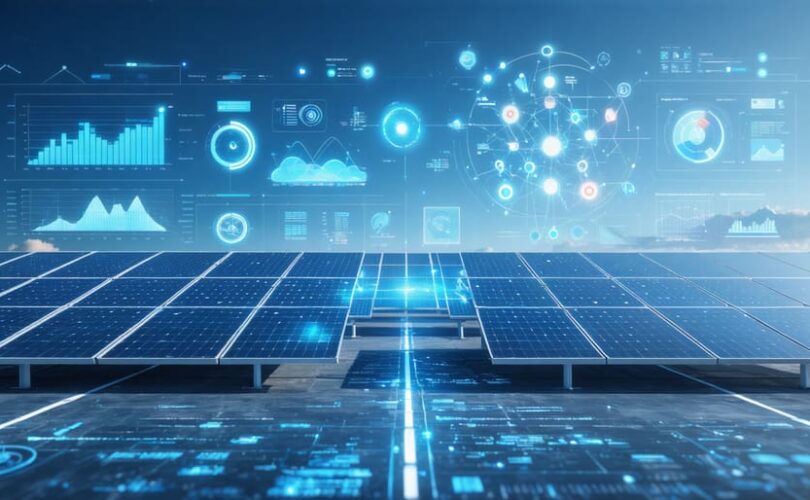
Artificial Intelligence is revolutionizing power systems management, ushering in unprecedented levels of efficiency, reliability, and sustainability. As power grids become increasingly complex with the integration of renewable energy sources, distributed generation, and dynamic load patterns, AI emerges as the crucial technology enabling smart grid optimization and predictive maintenance. Advanced machine learning algorithms now analyze vast amounts of real-time data from sensors, weather patterns, and consumption metrics to optimize power distribution, prevent outages, and reduce operational costs.
The convergence of AI with power systems represents a paradigm shift in how we generate, distribute, and consume electricity. From neural networks that predict equipment failures before they occur to deep learning models that balance grid loads in milliseconds, AI solutions are addressing the power industry’s most pressing challenges. These innovations are particularly vital as utilities worldwide transition towards renewable energy integration and face mounting pressure to enhance grid resilience while reducing carbon emissions.
This technological transformation extends beyond mere automation – it’s enabling predictive analytics for demand forecasting, intelligent fault detection, and automated grid restoration, fundamentally changing how power systems operate. For utilities and energy providers, embracing AI isn’t just about staying competitive; it’s about building the foundation for a more sustainable and reliable energy future.
The Evolution of AI in Solar PV Systems
Traditional vs. AI-Enhanced PV Systems
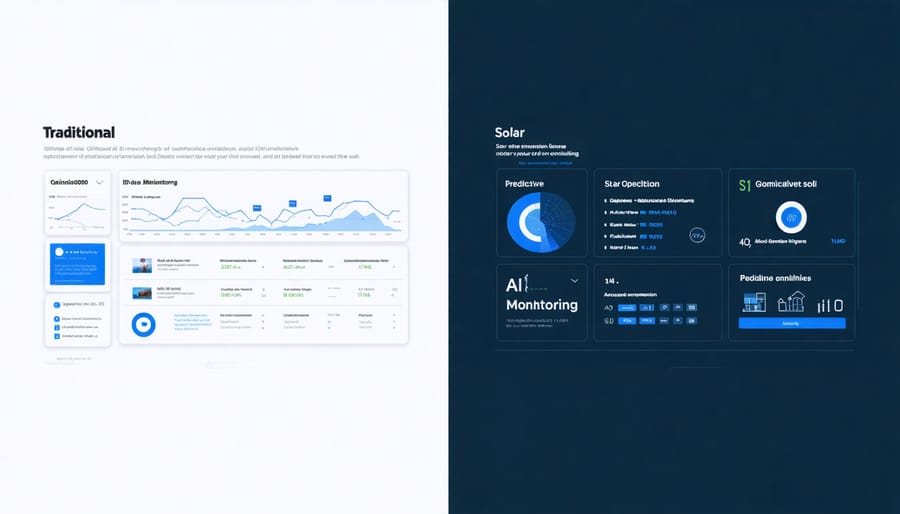
Traditional photovoltaic systems rely on fixed parameters and predetermined algorithms for power generation and distribution. These conventional systems operate based on static models that cannot adapt to real-time changes in environmental conditions, load demands, or system performance. While they have served as the foundation of solar energy infrastructure, their limitations become apparent in dynamic operating environments.
In contrast, AI-enhanced PV systems leverage machine learning algorithms and neural networks to continuously optimize performance. These smart systems analyze vast amounts of data from multiple sources, including weather patterns, energy consumption trends, and equipment status, to make real-time adjustments. The AI components can predict maintenance needs, forecast energy production, and automatically adjust system parameters for maximum efficiency.
Performance comparisons demonstrate that AI-enhanced systems typically achieve 15-20% higher energy yields compared to traditional setups. They excel in fault detection, reducing downtime by up to 35% through predictive maintenance. Additionally, AI-powered systems demonstrate superior grid integration capabilities, managing power fluctuations more effectively and maintaining stable output despite variable conditions. This enhanced performance translates to improved return on investment and greater system reliability, making AI integration increasingly attractive for modern solar installations.
Key AI Technologies in Solar
In the rapidly evolving solar energy sector, three key AI technologies stand at the forefront of innovation: machine learning, deep learning, and artificial neural networks in solar applications. Machine learning algorithms excel at pattern recognition, enabling precise solar generation forecasting and performance optimization based on historical data and environmental conditions. These systems continuously improve their accuracy through iterative learning processes.
Deep learning, a subset of machine learning, utilizes multiple layers of processing to analyze complex data structures. In photovoltaic systems, deep learning models can identify subtle patterns in energy production, weather impacts, and equipment degradation that might escape traditional monitoring methods. This capability proves particularly valuable for predictive maintenance and system optimization.
Neural networks, designed to mimic human brain function, excel at processing multiple inputs simultaneously. In solar applications, they integrate data from various sources – weather sensors, production metrics, and grid demand patterns – to optimize system performance in real-time. These technologies work synergistically to enhance solar power plant efficiency, reduce operational costs, and improve grid integration capabilities.
Real-Time Performance Optimization
Predictive Maintenance
Predictive maintenance powered by artificial intelligence has revolutionized how power systems are monitored and maintained. Through the implementation of AI-powered optimization algorithms, operators can now anticipate potential equipment failures before they occur, significantly reducing downtime and maintenance costs.
These intelligent systems continuously analyze real-time data from sensors and monitoring devices, detecting subtle patterns and anomalies that might indicate developing issues. Key parameters such as temperature variations, voltage fluctuations, and component wear are tracked and evaluated against historical performance data to generate accurate maintenance forecasts.
The AI-driven approach enables condition-based maintenance scheduling, replacing traditional time-based maintenance protocols. This results in optimal resource allocation, extended equipment lifespan, and enhanced system reliability. Machine learning models can predict component failures with increasing accuracy over time, learning from each maintenance event to improve future predictions.
Advanced neural networks analyze complex relationships between multiple variables, identifying potential cascade failures before they manifest. This proactive approach has demonstrated significant improvements in system availability, with some installations reporting up to 30% reduction in unexpected downtimes and 25% decrease in maintenance costs.
For power system operators, this translates into more efficient operations, reduced maintenance expenses, and improved grid reliability. The integration of predictive maintenance capabilities ensures maximum system uptime while optimizing maintenance resources and extending asset lifetime.
Dynamic Power Management
Dynamic Power Management (DPM) powered by artificial intelligence represents a revolutionary approach to optimizing power distribution and load balancing in modern electrical systems. AI algorithms continuously analyze real-time data from smart meters, weather forecasts, and consumption patterns to make instantaneous decisions about power routing and distribution.
These intelligent systems employ machine learning models to predict peak demand periods and automatically adjust power flow to prevent grid overload. By implementing predictive load forecasting, the system can proactively redistribute power resources, ensuring optimal efficiency and preventing potential outages.
AI-driven DPM systems excel at managing complex scenarios, such as integrating renewable energy sources with traditional power supplies. They can automatically switch between different power sources based on availability, cost, and demand, while maintaining grid stability. The system’s self-learning capabilities enable it to improve its decision-making processes over time, adapting to changing consumption patterns and grid conditions.
Modern DPM implementations utilize neural networks to process vast amounts of data points, identifying patterns and anomalies that human operators might miss. This sophisticated analysis helps utilities reduce transmission losses, optimize voltage levels, and enhance overall grid reliability. The technology also enables demand-side management, encouraging consumers to adjust their usage patterns through automated notifications and incentives during peak periods.
For power system operators, these AI solutions provide unprecedented control and visibility over their networks, resulting in improved efficiency, reduced operational costs, and enhanced grid resilience.
Weather Integration and Forecasting
Smart Weather Response
Smart weather response systems powered by AI algorithms continuously monitor and analyze meteorological data to optimize power system operations in real-time. These systems integrate data from multiple sources, including weather satellites, ground-based sensors, and meteorological forecasts, to predict and respond to weather-related challenges.
AI models process this information to anticipate weather impacts on power generation and distribution, enabling proactive adjustments to maintain grid stability. For solar installations, these systems can automatically adjust panel orientation, modify inverter settings, and regulate power flow based on approaching weather conditions.
The AI algorithms learn from historical weather patterns and their effects on system performance, continuously improving their prediction accuracy. During severe weather events, these systems can automatically initiate protective measures, such as adjusting power distribution paths or activating backup systems to prevent equipment damage and maintain service reliability.
This intelligent weather response capability has demonstrated significant improvements in grid resilience, with some installations reporting up to 30% reduction in weather-related disruptions and enhanced overall system efficiency.
Production Forecasting
Artificial Intelligence revolutionizes power system forecasting by leveraging advanced machine learning algorithms and historical data to predict energy generation patterns with unprecedented accuracy. These AI systems analyze multiple variables, including weather conditions, seasonal variations, and historical performance metrics, to generate reliable short-term and long-term production forecasts.
Modern AI forecasting models incorporate real-time data from weather stations, satellite imagery, and IoT sensors to continually refine their predictions. Deep learning networks can identify complex patterns in power generation data, enabling utilities and grid operators to optimize resource allocation and maintain grid stability more effectively.
The integration of AI-powered forecasting has demonstrated significant improvements in prediction accuracy, with some systems achieving up to 97% accuracy in day-ahead forecasting. This enhanced precision allows power system operators to better manage energy storage systems, reduce reserve requirements, and minimize the impact of intermittent renewable energy sources on grid operations.
For grid operators and utilities, these AI forecasting capabilities translate into improved operational efficiency, reduced costs, and better integration of renewable energy sources into existing power infrastructure.
Implementation Strategies
System Requirements
The implementation of AI in power systems requires robust hardware and software infrastructure to ensure optimal performance. At the hardware level, high-performance computing systems with sufficient processing power are essential, typically including multi-core processors and dedicated GPUs for complex calculations and real-time analysis. Storage capabilities should accommodate both historical and real-time data, with recommended minimum storage capacity of 1TB for smaller installations and scaling up based on system size.
Network infrastructure must support reliable data transmission, with redundant communication channels and industrial-grade sensors for data collection. As IoT integration in solar systems becomes more prevalent, compatible smart meters and monitoring devices are crucial components.
On the software side, requirements include specialized AI frameworks and libraries such as TensorFlow or PyTorch, along with robust data management systems. The software stack should incorporate:
– Real-time monitoring and control systems
– Data preprocessing and analytics tools
– Machine learning model deployment platforms
– Cybersecurity protocols and encryption
– Integration APIs for existing SCADA systems
Operating systems should be enterprise-grade with real-time processing capabilities, typically Linux-based distributions optimized for industrial applications. Regular system updates and maintenance protocols must be established to ensure continuous operation and security compliance.
Data Collection and Management
Effective data collection and management are crucial components in implementing AI solutions for power systems. Modern PV installations generate vast amounts of operational data, requiring robust systems for collection, storage, and analysis. Key parameters typically monitored include voltage levels, current flow, temperature readings, irradiance measurements, and weather conditions.
To ensure data quality and reliability, automated monitoring systems should be implemented with redundant sensors and regular calibration protocols. Real-time data acquisition systems (RDAS) play a vital role in capturing high-frequency measurements, while specialized software platforms integrate this information with historical performance data.
Advanced data management practices incorporate digital twin technology to create virtual replicas of physical installations, enabling sophisticated simulation and predictive analytics. This approach facilitates better decision-making and system optimization through continuous monitoring and analysis.
Data security and integrity are paramount considerations, necessitating encrypted storage solutions and secure transmission protocols. Implementation of standardized data formats and communication protocols ensures seamless integration with various AI analysis tools and platforms. Regular data validation and cleaning procedures help maintain accuracy and reliability in system performance assessments.
Best practices include establishing clear data governance policies, implementing automated backup systems, and maintaining detailed documentation of data collection methodologies. This structured approach enables effective AI implementation while ensuring data quality and accessibility for system optimization.
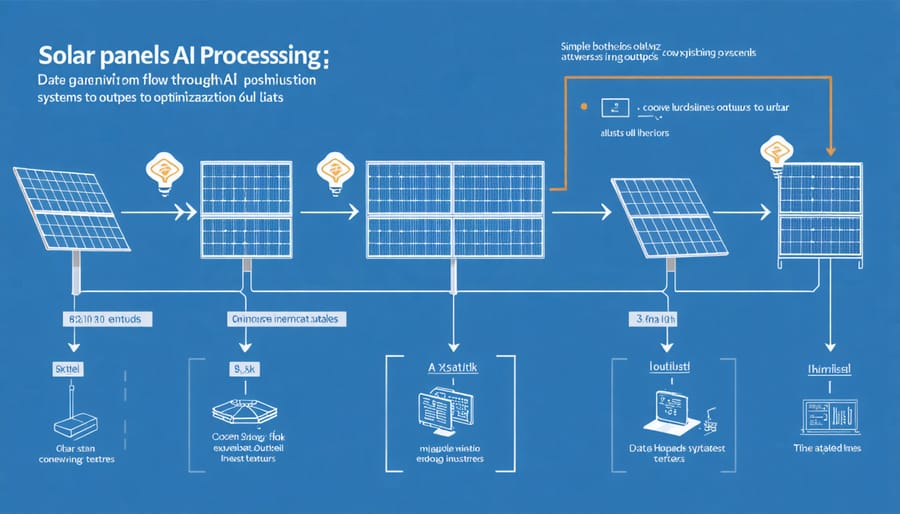
Integration Challenges and Solutions
The integration of AI systems into existing power infrastructure presents several significant challenges that require careful consideration and strategic solutions. Data quality and availability often emerge as primary concerns, as AI systems require extensive, accurate historical data for training and operation. Organizations can address this through systematic data collection protocols and the implementation of robust monitoring systems.
Interoperability between legacy systems and new AI technologies frequently poses integration difficulties. To overcome this, power system operators should adopt standardized communication protocols and implement middleware solutions that facilitate seamless data exchange between different system components.
Cybersecurity remains a critical challenge, as AI-enabled power systems become more interconnected and vulnerable to potential threats. Implementing multi-layered security frameworks, regular security audits, and encrypted communication channels helps mitigate these risks while ensuring system reliability.
Technical expertise gaps among existing staff can hinder successful AI implementation. Organizations can bridge this gap through comprehensive training programs, partnerships with technology providers, and gradual deployment approaches that allow teams to adapt progressively.
Cost considerations and return on investment concerns often create hesitation in AI adoption. Developing clear cost-benefit analyses, starting with pilot projects, and implementing scalable solutions can help organizations manage financial risks while demonstrating tangible benefits. Additionally, leveraging cloud-based solutions can reduce initial infrastructure investments while maintaining system flexibility and scalability.
The integration of artificial intelligence in photovoltaic systems represents a significant leap forward in renewable energy optimization. AI technologies have demonstrated remarkable capabilities in enhancing system efficiency, reducing operational costs, and improving overall performance through predictive maintenance and real-time monitoring. The implementation of machine learning algorithms has proven particularly effective in addressing traditional challenges such as weather-related variability and grid integration complexities.
Looking ahead, the future of AI in PV systems appears increasingly promising. As algorithms become more sophisticated and data collection methods improve, we can expect to see even more advanced applications emerging. These include enhanced forecasting models, autonomous system optimization, and seamless grid integration solutions. The development of edge computing and IoT technologies will further accelerate this evolution, enabling more distributed and intelligent power management systems.
The benefits of AI integration extend beyond technical improvements. Economic advantages include reduced maintenance costs, increased system longevity, and improved return on investment for stakeholders. Environmental benefits are equally significant, with optimized systems contributing to greater renewable energy adoption and reduced carbon emissions.
For organizations considering AI implementation in their PV systems, the path forward is clear. Investment in AI technologies, coupled with proper training and infrastructure development, will be crucial for staying competitive in the evolving energy landscape. As the technology continues to mature, we can expect to see broader adoption across the industry, leading to more efficient, reliable, and sustainable power systems.