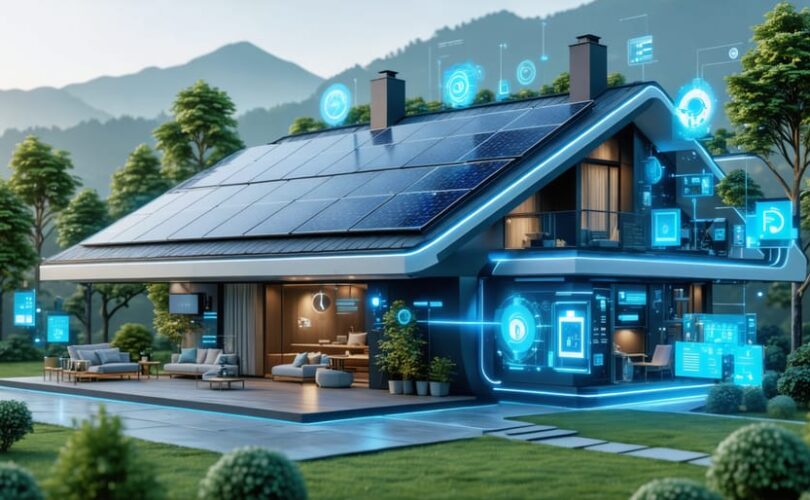
Advanced solar solutions have revolutionized renewable energy storage and deployment, fundamentally transforming how we harness and utilize solar power. Modern solar PV storage fundamentals now encompass sophisticated battery technologies, intelligent management systems, and groundbreaking thermal storage innovations that achieve unprecedented efficiency levels. These developments enable continuous power availability, grid stabilization, and enhanced energy independence for both residential and commercial applications.
Recent breakthroughs in solid-state batteries and advanced lithium-ion technologies have dramatically improved storage capacity while reducing costs by up to 40% compared to traditional systems. Integration of artificial intelligence and machine learning algorithms optimizes energy distribution, predicts consumption patterns, and automatically adjusts storage parameters to maximize system efficiency. This convergence of cutting-edge storage solutions with smart grid technologies represents a significant leap forward in sustainable energy management, positioning solar power as a cornerstone of our renewable energy future.
These advancements signal a new era in photovoltaic technology, where improved storage capabilities, enhanced grid integration, and intelligent energy management systems work seamlessly to deliver reliable, sustainable power solutions for diverse applications.
Modern Solar Storage Technologies
Lithium-Ion Battery Innovations
Recent advancements in lithium-ion battery technology have revolutionized solar energy storage capabilities, offering increasingly cost-effective storage solutions for both residential and commercial applications. The latest generation of lithium-ion batteries features enhanced energy density, improved thermal management systems, and extended cycle life, significantly boosting overall system efficiency.
Key innovations include the development of silicon-graphite composite anodes, which provide up to 50% higher energy density compared to traditional graphite anodes. Advanced cathode materials, such as nickel-rich NMC (Nickel Manganese Cobalt) compounds, have improved storage capacity while reducing cobalt dependency, making batteries more sustainable and economical.
Sophisticated battery management systems (BMS) now incorporate artificial intelligence algorithms to optimize charging cycles and predict maintenance needs. These smart systems effectively balance cell voltages, monitor temperature distributions, and protect against overcharging, thereby extending battery lifespan and improving safety parameters.
Manufacturers have also made significant strides in modular design approaches, allowing for scalable storage solutions that can be easily expanded as energy needs grow. The integration of fire-resistant materials and enhanced safety features has addressed previous concerns about thermal runaway, making modern lithium-ion batteries increasingly reliable for solar storage applications.
Recent research collaborations between industry leaders and academic institutions have yielded promising developments in solid-state electrolytes, potentially paving the way for the next generation of even safer and more efficient energy storage systems.
Flow Battery Systems
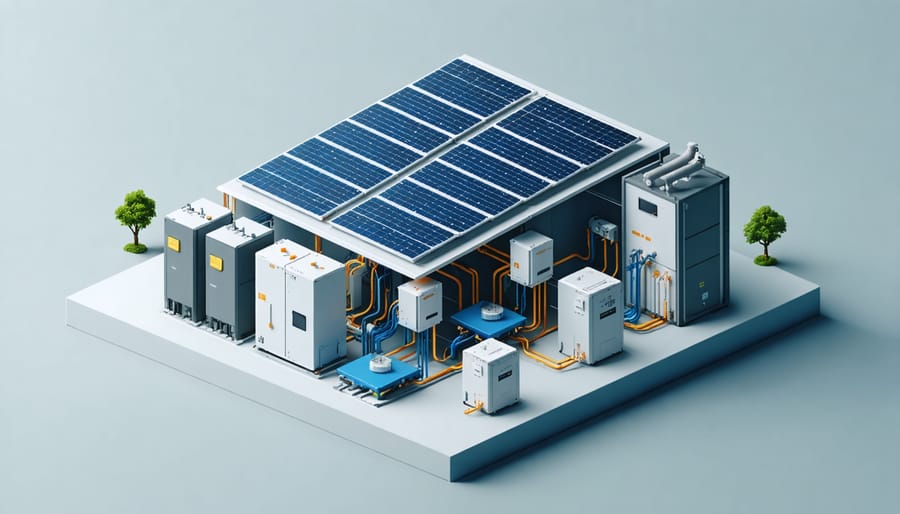
Flow battery systems represent a significant advancement in large-scale energy storage solutions for solar installations. Unlike traditional lithium-ion batteries, flow batteries store energy in liquid electrolytes contained in separate tanks, allowing for independent scaling of power and energy capacity. This unique architecture enables unprecedented flexibility in system design and capacity expansion.
The technology utilizes two electrolyte solutions that flow through electrochemical cells, facilitating the conversion between electrical and chemical energy. Common chemistries include vanadium redox and zinc-bromine pairs, each offering distinct advantages in terms of cycle life and energy density. The vanadium-based systems, in particular, demonstrate exceptional durability with minimal capacity degradation over thousands of cycles.
Key benefits of flow battery systems include their long operational lifespan (15-20 years), deep discharge capability without degradation, and rapid response to demand fluctuations. These characteristics make them ideal for grid-scale storage applications and large commercial solar installations. Additionally, the non-flammable nature of most electrolytes enhances safety compared to conventional battery technologies.
Recent developments have focused on improving energy density and reducing system costs through advanced membrane materials and optimized cell designs. While initial investment costs remain higher than some alternatives, the long-term operational benefits and minimal maintenance requirements make flow batteries increasingly attractive for utility-scale solar storage applications.
Smart Integration Systems
AI-Powered Storage Management
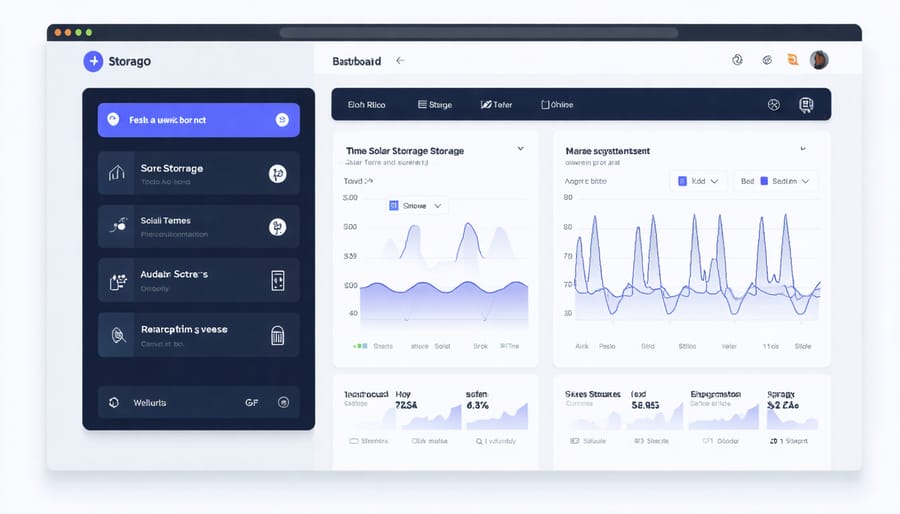
Artificial intelligence has revolutionized the way solar energy systems manage and optimize storage capabilities. Modern AI-powered solar management systems utilize advanced algorithms to predict energy generation patterns, consumption behaviors, and storage requirements with unprecedented accuracy.
These intelligent systems continuously analyze multiple data points, including weather forecasts, historical usage patterns, and real-time grid conditions, to optimize storage efficiency. By processing this information, AI algorithms can make split-second decisions about when to store excess energy and when to release it back to the grid or for local consumption.
The implementation of machine learning capabilities enables storage systems to adapt to changing conditions autonomously. For instance, during periods of expected high energy demand, the system can preemptively charge storage units using excess solar production. This predictive capability ensures optimal energy availability while minimizing waste and reducing reliance on grid power during peak pricing periods.
AI-driven storage management also enhances system longevity through intelligent battery cycling. By monitoring battery health parameters and optimizing charge-discharge cycles, these systems can extend battery life while maintaining maximum storage efficiency. The technology can detect potential issues before they become critical, allowing for preventive maintenance and reducing system downtime.
Furthermore, AI integration enables dynamic load balancing across multiple storage units, ensuring even wear and optimal performance across the entire storage infrastructure. This sophisticated approach to storage management results in improved system reliability, reduced operational costs, and maximized return on investment for solar installations.
Grid Integration Technologies
Grid integration technologies represent a crucial bridge between solar storage systems and existing power infrastructure. These advanced systems employ sophisticated power electronics and control mechanisms to ensure seamless energy flow between solar installations, storage units, and the utility grid.
Modern grid integration solutions utilize bi-directional inverters that enable both energy export to the grid and storage charging from grid power when necessary. Smart transformers and advanced metering infrastructure (AMI) work in concert to maintain proper voltage levels and frequency synchronization, ensuring grid stability even with high penetrations of solar power.
A key component of these systems is the grid-tie controller, which monitors grid conditions in real-time and manages power flow accordingly. These controllers implement advanced algorithms for power quality management, including reactive power compensation and harmonic distortion mitigation, which are essential for maintaining grid reliability.
Energy management systems (EMS) serve as the brain of grid integration, optimizing power flow based on various parameters such as time-of-use pricing, peak demand periods, and weather forecasts. These systems can automatically switch between different operating modes – grid-connected, battery backup, or island mode – depending on grid conditions and energy needs.
Protection systems play a vital role in grid integration, incorporating rapid disconnection capabilities during grid faults and automated reconnection procedures when conditions normalize. Modern solutions also feature cybersecurity protocols to protect against unauthorized access and ensure system integrity.
The latest grid integration technologies support virtual power plant (VPP) capabilities, allowing multiple distributed solar storage systems to function as a unified resource, providing grid services and participating in energy markets while maintaining individual system autonomy.
Maximizing Storage Efficiency
Temperature Management Systems
Temperature management plays a crucial role in maximizing the efficiency and longevity of solar energy storage systems. Advanced thermal regulation solutions employ sophisticated monitoring and control mechanisms to maintain optimal operating conditions for battery arrays and associated components.
Modern temperature management systems utilize a combination of active and passive cooling methods. Liquid cooling systems circulate specialized coolants through heat exchangers, efficiently dissipating excess thermal energy from high-capacity batteries. These systems are particularly effective in high-temperature environments where traditional air cooling might prove insufficient.
Smart thermal management controllers continuously monitor battery temperature profiles and adjust cooling intensity accordingly. This dynamic response system prevents thermal runaway while optimizing energy consumption for cooling operations. Some advanced solutions incorporate phase-change materials that absorb excess heat during peak operation and release it gradually during lower demand periods.
For cold-climate installations, integrated heating elements maintain batteries at their optimal operating temperature range, typically between 20-25°C. These systems activate automatically when temperatures drop below specified thresholds, ensuring consistent performance and preventing capacity loss due to cold conditions.
Recent innovations include AI-driven predictive temperature management, which anticipates thermal loads based on weather forecasts and usage patterns. This proactive approach enables more efficient resource allocation and enhanced system longevity while reducing operational costs.
Monitoring and Maintenance
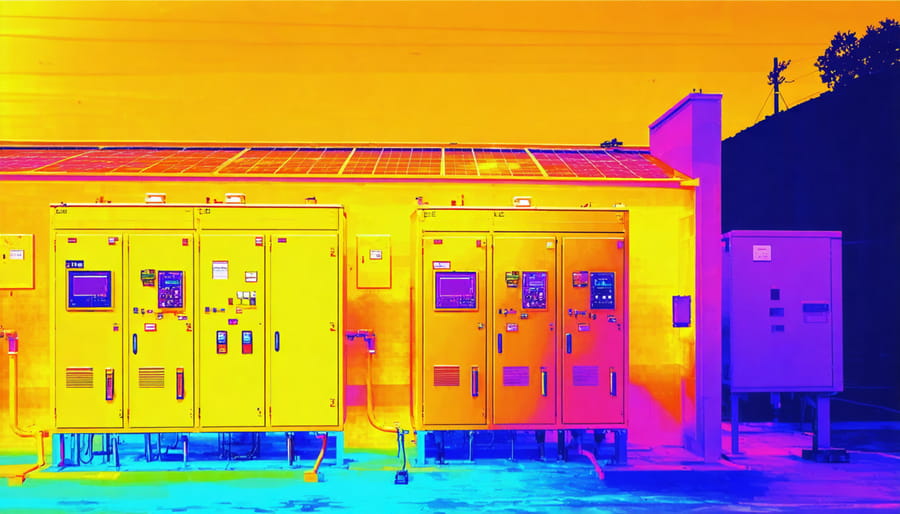
Regular monitoring and preventive maintenance are crucial for optimizing the performance and longevity of advanced solar storage systems. Modern monitoring solutions incorporate IoT sensors and sophisticated analytics platforms that provide real-time data on system performance, storage capacity, and potential issues. These tools enable system operators to track key metrics such as state of charge, depth of discharge, and cycle efficiency with unprecedented accuracy.
Predictive maintenance algorithms now utilize machine learning to anticipate potential system failures before they occur, significantly reducing downtime and maintenance costs. Remote monitoring capabilities allow technicians to diagnose and often resolve issues without on-site visits, improving response times and operational efficiency.
Essential maintenance protocols include regular inspection of battery connections, thermal management systems, and power conversion equipment. Modern storage systems feature integrated diagnostic tools that continuously monitor cell voltage, temperature, and internal resistance. This data helps maintain optimal operating conditions and extends battery life.
For lithium-ion based systems, battery management systems (BMS) play a critical role in preventing overcharging and maintaining cell balance. Regular firmware updates ensure these systems remain current with the latest safety protocols and performance optimizations.
Documentation of maintenance activities through digital platforms has become standard practice, enabling better tracking of system history and performance trends. This data-driven approach to maintenance helps optimize scheduling and resource allocation while ensuring compliance with warranty requirements and safety regulations.
Future Developments
The landscape of solar storage solutions continues to evolve rapidly, with several promising technologies on the horizon. Solid-state batteries represent one of the most significant breakthroughs, offering higher energy density, improved safety, and longer lifespans compared to traditional lithium-ion batteries. Research indicates these could become commercially viable within the next five years, potentially revolutionizing solar energy storage.
Flow batteries are gaining increased attention for grid-scale applications, with vanadium redox flow batteries leading the development. These systems offer unlimited cycling capability and can be scaled independently for power and energy capacity, making them ideal for large-scale solar installations.
Artificial Intelligence and machine learning integration is set to transform solar storage management systems. Advanced algorithms will optimize charging cycles, predict maintenance needs, and enhance overall system efficiency. This intelligence layer will enable predictive energy management, reducing waste and maximizing return on investment.
Hydrogen storage solutions are emerging as a promising long-term storage option. Through electrolysis powered by solar energy, excess electricity can be converted to hydrogen and stored indefinitely. This technology could solve the seasonal storage challenge that currently limits solar energy utilization.
Perovskite-silicon tandem cells are showing remarkable potential in laboratory settings, with efficiency rates exceeding 29%. When combined with advanced storage solutions, these cells could significantly increase the overall system efficiency and reduce the physical footprint required for solar installations.
Materials science innovations are driving the development of more efficient and sustainable storage solutions. New electrode materials and electrolyte compositions are being tested to create batteries with higher energy density, faster charging capabilities, and reduced environmental impact.
The integration of these emerging technologies with existing infrastructure will be crucial for widespread adoption. Industry leaders are developing standardized protocols for compatibility, ensuring seamless integration with smart grids and energy management systems.
Advanced solar storage solutions have fundamentally transformed the landscape of renewable energy implementation, offering unprecedented control over energy management and distribution. The integration of cutting-edge battery technologies, smart management systems, and innovative thermal storage solutions has addressed the longstanding challenge of intermittency in solar power generation. These developments have made solar energy more reliable, efficient, and commercially viable across diverse applications.
The impact of these advancements extends beyond technical improvements, creating significant economic and environmental benefits. Energy independence has become increasingly achievable for both residential and commercial users, while grid stability has improved through better load management and reduced peak demand stress. The demonstrated success of large-scale storage projects worldwide has established a clear pathway for future renewable energy infrastructure development.
Looking ahead, the continued evolution of storage technologies promises even greater efficiency gains and cost reductions. The combination of artificial intelligence, advanced materials science, and improved system integration capabilities suggests a future where solar storage solutions will play an even more crucial role in global energy systems. As research institutions and industry leaders continue to innovate, these technologies will become more accessible, sustainable, and efficient, accelerating the transition to renewable energy sources.
The transformation brought about by advanced solar storage solutions represents a critical milestone in our journey toward sustainable energy independence, setting the stage for a more resilient and environmentally conscious energy future.