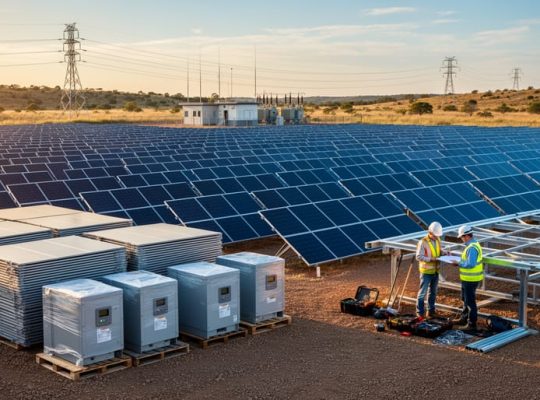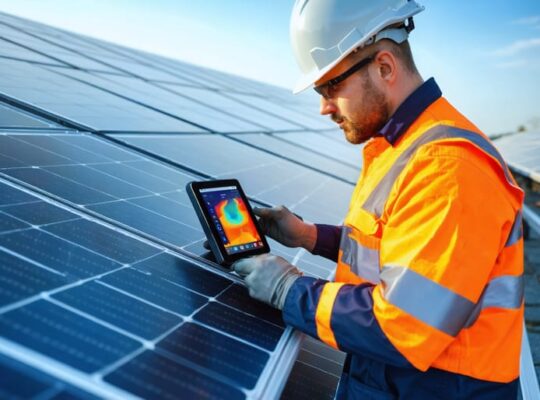
In today’s rapidly evolving solar PV industry trends, global supply chain management has become a critical determinant of business success. Modern supply chains face unprecedented challenges, from geopolitical tensions and resource constraints to technological disruptions and sustainability demands. Organizations must now orchestrate complex networks of suppliers, manufacturers, and distributors across multiple continents while maintaining operational efficiency and meeting stringent environmental standards.
The integration of advanced technologies, including artificial intelligence, blockchain, and Internet of Things (IoT) sensors, has transformed traditional supply chain models into dynamic, data-driven ecosystems. These innovations enable real-time visibility, predictive analytics, and automated decision-making capabilities that were unimaginable just a decade ago. Companies leveraging these tools gain competitive advantages through enhanced risk management, optimized inventory levels, and reduced operational costs.
As global markets become increasingly interconnected, successful supply chain management requires a delicate balance between efficiency, resilience, and sustainability. Organizations must develop strategies that not only streamline operations but also ensure adaptability to market disruptions while meeting growing demands for environmental responsibility. This comprehensive approach to supply chain management represents the future of global commerce, where success depends on the ability to navigate complexity while delivering sustainable value to stakeholders.
This exploration delves into the essential components, best practices, and emerging trends shaping modern supply chain management, offering insights for organizations seeking to excel in today’s dynamic business environment.
The Evolution of PV Supply Chain Management
Traditional vs. Modern Supply Chain Models
The evolution of PV manufacturing supply chains reflects significant transformations aligned with industry growth patterns and technological advancement. Traditional models relied heavily on vertical integration, where manufacturers controlled most aspects of production in-house, from raw material processing to final assembly. This approach, while offering tight quality control, often resulted in higher costs and limited flexibility.
Modern supply chain models embrace a more distributed and specialized network of suppliers, manufacturers, and distributors. This transformation enables manufacturers to leverage expertise from multiple partners, optimize costs through strategic sourcing, and respond more quickly to market demands. Key differences include the adoption of just-in-time inventory management, real-time data analytics for demand forecasting, and increased emphasis on sustainability metrics.
Contemporary approaches also incorporate digital integration, allowing seamless communication between stakeholders and enabling predictive maintenance capabilities. This shift has significantly reduced lead times, improved quality control, and enhanced overall operational efficiency while supporting the industry’s rapid scaling requirements.
Digital Transformation in PV Supply Chains
Digital transformation has revolutionized PV supply chain management through advanced technologies and data-driven solutions. Cloud-based platforms enable real-time monitoring of inventory levels, production schedules, and logistics operations, significantly improving operational efficiency and reducing response times to market demands.
The integration of Internet of Things (IoT) sensors throughout the supply chain provides valuable data on equipment performance, environmental conditions, and material flow. This enhanced visibility allows managers to optimize processes, predict maintenance needs, and minimize downtime in PV manufacturing facilities.
Artificial Intelligence and Machine Learning algorithms analyze vast amounts of supply chain data to identify patterns, forecast demand, and optimize inventory management. These technologies help organizations make informed decisions about procurement, production scheduling, and distribution strategies.
Blockchain technology is emerging as a crucial tool for ensuring transparency and traceability in PV supply chains. It enables verification of component origins, quality certifications, and sustainable sourcing practices, addressing growing demands for accountability in renewable energy manufacturing.
Digital transformation also facilitates better collaboration between supply chain partners through integrated communication platforms and shared data ecosystems, creating more resilient and adaptive supply networks.
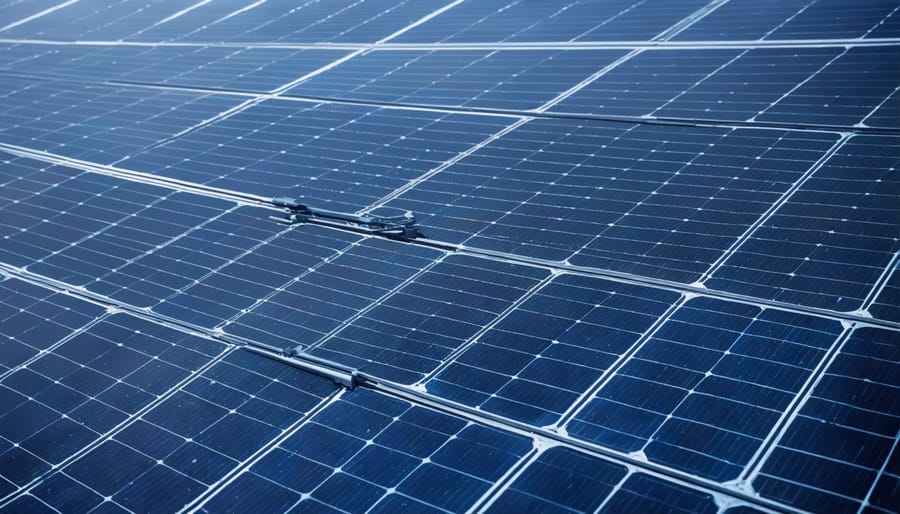
Key Components of Modern PV Supply Chain Management
Raw Material Sourcing and Management
Raw material procurement in modern supply chain management requires a strategic approach that balances cost efficiency with sustainability and reliability. Organizations implement sophisticated sourcing strategies that include multi-supplier networks, long-term partnerships, and risk mitigation protocols to ensure consistent material availability.
Critical to successful raw material management is the implementation of advanced inventory management systems that utilize real-time tracking and predictive analytics. These systems help organizations maintain optimal stock levels while minimizing carrying costs and reducing the risk of stockouts. Companies often employ just-in-time (JIT) inventory practices, balanced with strategic buffer stocks for critical materials.
Quality control measures begin at the source, with rigorous supplier qualification processes and ongoing performance monitoring. Organizations typically establish clear quality standards and specifications, conducting regular audits and assessments of supplier facilities. This approach ensures consistency in material quality and helps maintain production standards throughout the supply chain.
Sustainability considerations have become increasingly important in raw material sourcing. Companies are adopting responsible sourcing practices, including environmental impact assessments, ethical labor standards verification, and circular economy initiatives. Many organizations now require suppliers to meet specific sustainability criteria and provide documentation of their environmental management practices.
Risk management in raw material sourcing involves geographic diversification of suppliers, development of alternative materials, and establishment of contingency plans for supply disruptions. Organizations regularly conduct market analysis and maintain relationships with multiple qualified suppliers to ensure supply chain resilience.
Production Network Optimization
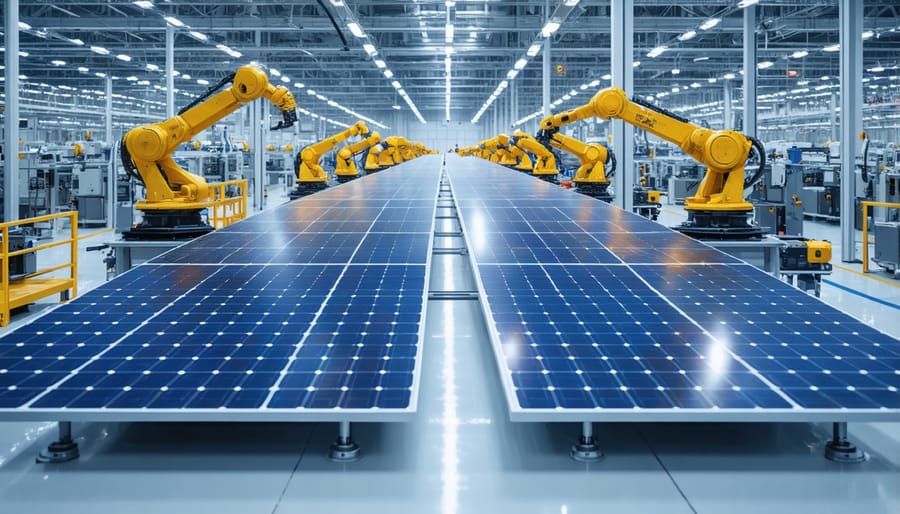
Production network optimization in modern solar supply chain management focuses on streamlining manufacturing and assembly processes to maximize efficiency and reduce costs. By implementing advanced automation systems and lean manufacturing principles, companies can significantly improve their production capabilities while maintaining quality standards.
Key optimization strategies include the integration of smart manufacturing technologies, such as IoT sensors and real-time monitoring systems, which enable precise control over production parameters. These technologies have proven particularly valuable in commercial solar implementation projects, where consistent quality and timely delivery are crucial.
Advanced analytics and machine learning algorithms help identify bottlenecks, predict maintenance needs, and optimize resource allocation across the production network. This data-driven approach enables manufacturers to reduce waste, minimize downtime, and improve overall equipment effectiveness (OEE).
Successful optimization also requires effective coordination between different production facilities and supply chain partners. By implementing standardized processes and quality control measures across the network, companies can ensure consistent output while maintaining flexibility to meet varying market demands.
Additionally, the adoption of modular production systems allows for rapid reconfiguration of manufacturing lines, enabling quick responses to changing market conditions and technological advancements. This adaptability is essential in the fast-evolving solar industry, where product specifications and requirements frequently change.
Distribution and Logistics Innovation
Modern distribution and logistics management has evolved significantly with the integration of advanced technologies and data-driven approaches. Real-time tracking systems, powered by IoT sensors and GPS technology, enable precise monitoring of shipments throughout the supply chain network. This enhanced visibility allows organizations to optimize routing decisions, reduce transit times, and minimize logistics costs while maintaining product quality.
Automated warehouse management systems (WMS) have revolutionized inventory control and order fulfillment processes. These systems utilize artificial intelligence and machine learning algorithms to predict demand patterns, optimize storage locations, and streamline picking operations. The implementation of robotics and autonomous guided vehicles (AGVs) in distribution centers has further improved operational efficiency and reduced human error.
Last-mile delivery optimization has become increasingly crucial, particularly with the rise of e-commerce. Companies are adopting innovative solutions such as urban micro-fulfillment centers, drone deliveries, and crowd-sourced delivery networks to meet consumer expectations for faster delivery times while managing costs effectively.
Sustainable logistics practices are gaining prominence, with organizations implementing green transportation initiatives and eco-friendly packaging solutions. Electric vehicles, route optimization for reduced carbon emissions, and recyclable packaging materials are becoming standard practices in modern distribution networks.
Cross-docking facilities and regional distribution centers enable faster product movement and reduced handling costs. These facilities, combined with advanced transportation management systems (TMS), facilitate efficient coordination between suppliers, carriers, and customers while maintaining optimal inventory levels throughout the network.
Economic Impact Analysis
Cost Reduction Strategies
In today’s competitive market, effective cost reduction in supply chain management has become paramount for maintaining profitability while delivering value. Companies implementing strategic cost optimization approaches typically focus on several key areas that directly impact solar PV economics and operational efficiency.
Inventory optimization stands as a primary cost reduction lever, utilizing advanced analytics and demand forecasting to maintain optimal stock levels. This approach minimizes holding costs while ensuring sufficient supply to meet market demands. Implementation of just-in-time (JIT) delivery systems further reduces warehouse expenses and improves cash flow management.
Transportation cost optimization involves strategic carrier selection, route optimization, and load consolidation. Companies are increasingly adopting multi-modal transportation solutions and leveraging technology-driven logistics platforms to reduce fuel consumption and delivery times.
Supplier relationship management plays a crucial role in cost reduction. Establishing long-term partnerships with key suppliers enables volume-based discounts, improved payment terms, and collaborative innovation opportunities. Regular supplier performance evaluations ensure consistent quality while maintaining competitive pricing structures.
Process automation and digitalization significantly reduce operational costs through improved efficiency and reduced human error. Implementation of advanced enterprise resource planning (ERP) systems, automated warehouse management, and artificial intelligence-driven demand prediction tools streamline operations while cutting administrative expenses.
Sustainable practices, while initially requiring investment, often lead to substantial long-term cost savings. Energy-efficient facilities, waste reduction programs, and recycling initiatives not only reduce operational expenses but also align with environmental compliance requirements and customer expectations.
Market Competitiveness
In today’s competitive global marketplace, supply chain efficiency has become a critical differentiator for organizations seeking to maintain and enhance their market position. MS Global’s supply chain management practices demonstrate how optimized logistics and procurement processes directly contribute to competitive advantage through cost reduction, improved service delivery, and enhanced market responsiveness.
The implementation of advanced analytics and real-time monitoring systems has enabled MS Global to achieve significant improvements in inventory management and demand forecasting accuracy. This enhanced precision translates into reduced carrying costs and minimal stockouts, allowing the company to offer more competitive pricing while maintaining healthy profit margins.
Supply chain digitalization initiatives have resulted in remarkable improvements in order fulfillment rates and delivery times, contributing to higher customer satisfaction levels and increased market share. The integration of blockchain technology and IoT sensors has enhanced transparency and traceability throughout the supply network, building stronger trust relationships with both suppliers and customers.
Strategic supplier partnerships and regional distribution networks have strengthened MS Global’s market position by ensuring reliable access to critical components and reducing lead times. This robust supply chain infrastructure has proven particularly valuable during market disruptions, enabling the company to maintain operations while competitors struggled with shortages and delays.
Environmental sustainability initiatives within the supply chain have also boosted market competitiveness by appealing to environmentally conscious consumers and meeting increasingly stringent regulatory requirements. The adoption of green logistics practices and sustainable sourcing policies has positioned MS Global as an industry leader in environmental stewardship, creating additional market differentiation and value proposition for stakeholders.
Future Trends and Innovations
AI and Machine Learning Applications
Artificial intelligence and machine learning are revolutionizing supply chain management in the modern solar industry by enabling predictive analytics, automated decision-making, and real-time optimization. Advanced AI algorithms analyze vast datasets to forecast demand patterns, optimize inventory levels, and predict potential disruptions before they impact operations.
Machine learning models are particularly effective in demand forecasting, using historical data, market trends, and external factors to accurately predict future requirements. This predictive capability allows companies to maintain optimal inventory levels, reduce warehousing costs, and ensure timely delivery of components.
Smart automation systems, powered by AI, streamline warehouse operations through intelligent routing, automated quality control, and robotics integration. These systems work alongside blockchain technology in supply chains to enhance transparency and traceability throughout the distribution network.
AI-driven risk management systems continuously monitor supply chain operations, identifying potential bottlenecks and suggesting mitigation strategies. These systems analyze supplier performance, market conditions, and geopolitical factors to maintain supply chain resilience.
The integration of Internet of Things (IoT) sensors with AI platforms enables real-time monitoring of inventory movement, environmental conditions, and equipment performance. This connectivity provides valuable insights for optimization while reducing operational costs and improving sustainability metrics across the supply chain network.
Sustainability Integration
In modern supply chain management, sustainability integration has become a critical strategic imperative. Organizations are increasingly implementing comprehensive environmental management systems that span their entire supply chain network. These systems focus on reducing carbon footprints, minimizing waste, and optimizing resource utilization throughout all operational stages.
Key sustainability initiatives include the adoption of green procurement practices, where suppliers are evaluated and selected based on their environmental performance and commitment to sustainable practices. Companies are implementing reverse logistics programs to manage product returns and end-of-life disposal responsibly, while simultaneously reducing packaging waste and implementing recycling programs.
Energy efficiency plays a crucial role in sustainable supply chain operations. Organizations are investing in renewable energy sources for their facilities, optimizing transportation routes to reduce fuel consumption, and implementing smart warehousing solutions that minimize energy usage. Advanced analytics and IoT sensors help monitor and manage resource consumption in real-time.
Supplier collaboration has emerged as a vital component of sustainability integration. Companies are working closely with their suppliers to develop innovative solutions for reducing environmental impact, often through knowledge sharing and joint sustainability initiatives. This collaborative approach extends to establishing clear sustainability metrics and performance indicators that are regularly monitored and reported.
The integration of sustainability practices also includes social responsibility aspects, ensuring fair labor practices and supporting local communities throughout the supply chain network. This holistic approach to sustainability not only reduces environmental impact but also creates long-term value for stakeholders while meeting increasing consumer demands for environmentally responsible business practices.
Risk Management Strategies
Modern supply chain management demands sophisticated risk mitigation strategies to ensure operational resilience. Organizations implement multi-layered approaches combining data analytics, diversified sourcing, and strategic partnerships to protect against disruptions. Advanced predictive modeling helps identify potential vulnerabilities before they impact operations, while real-time monitoring systems enable swift responses to emerging threats.
Key risk management components include supplier diversity programs, which prevent over-reliance on single sources, and geographic distribution of manufacturing facilities to minimize regional risk exposure. Companies increasingly adopt digital twin technology to simulate supply chain scenarios and test mitigation strategies before implementation. This proactive approach allows organizations to optimize their response protocols and maintain business continuity.
Buffer inventory management, strategic redundancy in critical components, and flexible transportation networks form the foundation of robust risk mitigation frameworks. Organizations also emphasize supplier relationship management through regular audits, performance monitoring, and collaborative planning to ensure alignment with quality standards and delivery expectations.
Insurance strategies have evolved to include sophisticated financial instruments that protect against supply chain disruptions. These may encompass business interruption coverage, contingent business interruption insurance, and trade credit insurance. Additionally, companies implement blockchain technology for enhanced transparency and traceability, reducing risks associated with counterfeit products and compliance violations.
The integration of artificial intelligence and machine learning further strengthens risk assessment capabilities, enabling pattern recognition and early warning systems for potential supply chain disruptions.
The photovoltaic supply chain management landscape continues to evolve rapidly, driven by technological advancements, market demands, and environmental imperatives. As our analysis has shown, successful PV supply chain management requires a delicate balance of efficiency, sustainability, and resilience. Organizations must adapt to increasingly complex global networks while maintaining cost-effectiveness and environmental responsibility.
Key insights from our examination reveal that digital transformation, particularly through Industry 4.0 technologies, plays a crucial role in optimizing supply chain operations. The integration of artificial intelligence, blockchain, and IoT devices has revolutionized inventory management, quality control, and supply chain visibility. These technological solutions, combined with robust risk management strategies, enable companies to better navigate supply chain disruptions and market uncertainties.
Looking ahead, the PV supply chain sector faces both challenges and opportunities. Supply chain localization trends and increasing emphasis on circular economy principles are reshaping traditional supply chain models. We anticipate greater focus on sustainable practices, including recycling programs for end-of-life panels and reduced carbon footprints in transportation and manufacturing processes.
The future outlook suggests continued investment in supply chain automation, enhanced supplier relationship management, and stronger emphasis on workforce development through specialized training programs. Organizations that embrace these evolving trends while maintaining agility in their operations will be better positioned for success in the competitive PV market.
As the industry matures, collaboration between academic institutions, industry players, and regulatory bodies will become increasingly important for developing innovative solutions and establishing best practices in PV supply chain management. This collective approach will be vital for addressing future challenges and ensuring the sustainable growth of the solar energy sector.