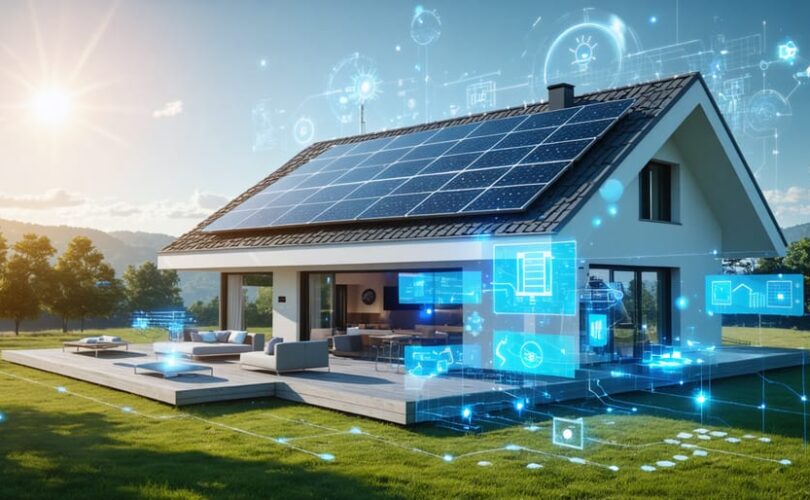
Transform your property into a completely energy-independent ecosystem through comprehensive zero grid power solutions. Modern off-grid systems now enable sustainable off-grid living without compromising modern conveniences or reliability. Advanced photovoltaic arrays, coupled with high-capacity lithium battery storage systems, smart energy management controllers, and hybrid inverters, form the foundation of true energy autonomy.
This integrated approach revolutionizes traditional power infrastructure by eliminating utility dependencies while maintaining consistent power delivery. Strategic system sizing, incorporating detailed load analysis and seasonal variations, ensures optimal performance across diverse environmental conditions. Professional implementation requires precise calculations of peak demand, storage requirements, and redundancy measures to guarantee uninterrupted power supply.
Recent technological breakthroughs in energy storage efficiency, smart load management, and predictive maintenance protocols have made zero grid solutions increasingly viable for residential, commercial, and industrial applications. These systems now achieve 99.9% reliability when properly designed and maintained, matching or exceeding traditional grid performance metrics while eliminating monthly utility costs and environmental impact.
For photovoltaic professionals and renewable energy enthusiasts, understanding these advanced integration techniques represents the next frontier in sustainable energy independence. The convergence of improved battery chemistry, sophisticated power electronics, and artificial intelligence-driven control systems has created unprecedented opportunities for complete grid separation.
Understanding Zero Grid Power Systems
Core Components of Zero Grid Systems
A zero grid power system relies on four fundamental components working in harmony to deliver reliable, sustainable energy. Solar panels serve as the primary power generators, converting sunlight into electrical energy through photovoltaic cells. Modern monocrystalline and polycrystalline panels offer efficiency rates between 15-22%, providing optimal energy generation even in varying weather conditions.
Battery storage systems form the critical energy repository, enabling continuous power supply during non-generating hours. Lithium-ion batteries have emerged as the industry standard, offering superior energy density, longer cycle life, and minimal maintenance requirements compared to traditional lead-acid alternatives. Most residential systems utilize batteries ranging from 10-15 kWh capacity.
Inverters play a dual role by converting the DC power generated by solar panels into usable AC power and managing power flow throughout the system. Pure sine wave inverters ensure clean, stable power delivery suitable for sensitive electronic equipment. Modern hybrid inverters integrate both solar charging and battery management capabilities, streamlining system architecture.
Charge controllers regulate the power flow between solar panels and batteries, preventing overcharging and extending battery life. MPPT (Maximum Power Point Tracking) controllers optimize energy harvest by maintaining optimal voltage levels between panels and batteries, improving system efficiency by 20-30% compared to traditional PWM controllers. These controllers also provide crucial system monitoring and protection functions.
System Architecture and Design Principles
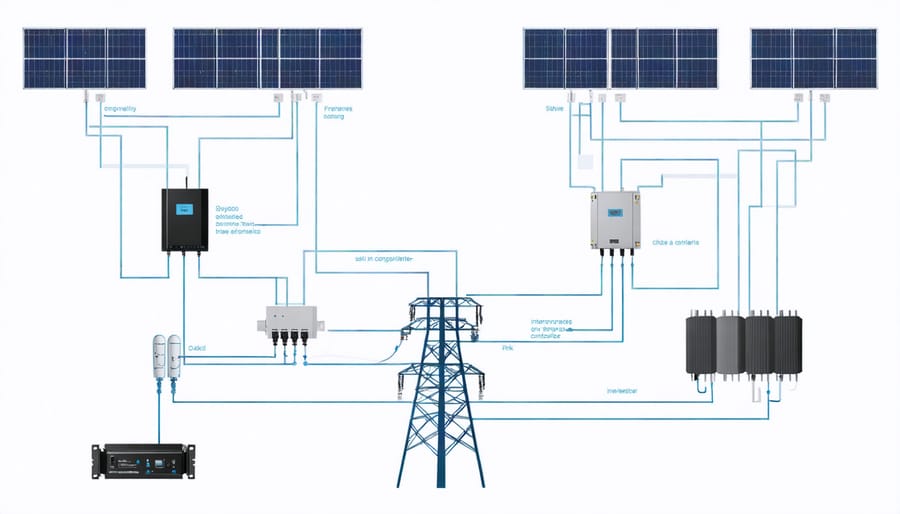
The foundation of effective zero grid power solutions lies in robust system design principles that ensure reliability and optimal performance. The architecture typically comprises four primary components: energy generation, storage, distribution, and management systems. Solar arrays serve as the primary generation source, strategically positioned to maximize sun exposure throughout the day.
Critical to the system’s effectiveness is the integration of advanced battery storage solutions, typically utilizing lithium-ion or advanced lead-acid technologies. These storage systems must be sized appropriately to accommodate both daily usage patterns and potential periods of reduced generation capacity. The distribution network incorporates sophisticated power inverters and charge controllers to maintain stable power quality and protect system components.
Energy management systems (EMS) form the intellectual core of zero grid installations, continuously monitoring power flow, battery status, and consumption patterns. Smart load management protocols prioritize essential services during periods of limited generation, while automated switching systems ensure seamless operation during varying conditions.
Physical layout considerations include equipment placement for thermal management, accessibility for maintenance, and protection from environmental factors. Redundancy in critical components enhances system reliability, while modular design approaches facilitate future expansion and component replacement. Integration of weather monitoring systems enables predictive adjustment of energy management strategies, optimizing system performance across seasonal variations.
Energy Storage Solutions
Battery Technologies and Selection
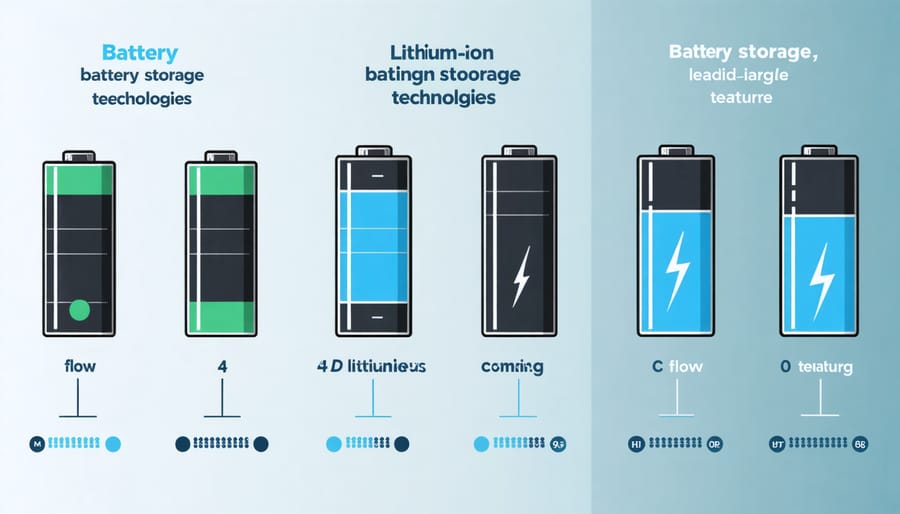
Battery selection is a critical component in zero grid power solutions, as it directly impacts system reliability, performance, and cost-effectiveness. The most common battery technologies used in off-grid systems include Lead-Acid, Lithium-ion, and Flow batteries, each offering distinct advantages and limitations.
Lead-Acid batteries, including both flooded and sealed varieties, remain popular due to their lower initial cost and proven reliability. While they offer good performance in moderate temperatures, they typically have shorter lifespans (5-10 years) and require regular maintenance. Their depth of discharge is limited to about 50% to prevent premature degradation.
Lithium-ion batteries, particularly Lithium Iron Phosphate (LiFePO4), represent the current industry standard for off-grid applications. These batteries offer superior energy density, longer cycle life (15-20 years), and deeper discharge capabilities up to 80%. Though initially more expensive, their longer lifespan and minimal maintenance requirements often result in better long-term value.
Flow batteries, utilizing liquid electrolytes, excel in large-scale applications. Their primary advantages include unlimited cycle life, full discharge capability, and independent scaling of power and energy capacity. However, their higher costs and complex system requirements typically limit their use to commercial or utility-scale installations.
Key selection criteria for battery systems include:
– Energy capacity requirements
– Peak power demands
– Depth of discharge tolerance
– Expected lifecycle
– Environmental conditions
– Maintenance capabilities
– Budget constraints
When sizing battery banks, consider both daily energy consumption and autonomy requirements during periods of limited solar production. A typical residential system should provide 2-3 days of autonomy, while critical installations may require 5-7 days. Temperature compensation and regular monitoring systems are essential for optimal battery performance and longevity.
The integration of smart battery management systems (BMS) helps protect against overcharging, deep discharge, and thermal issues while providing real-time performance data for system optimization.
Smart Energy Management Systems
Modern smart energy management systems form the backbone of efficient zero grid power solutions, acting as the central nervous system that optimizes energy generation, storage, and consumption. These sophisticated systems utilize advanced algorithms and real-time monitoring to balance power flow between solar arrays, battery banks, and connected loads.
At their core, these systems employ intelligent load management protocols that prioritize critical applications while deferring non-essential power consumption to periods of peak generation. Through continuous monitoring of system parameters such as battery state of charge, solar generation capacity, and load demands, the management system makes informed decisions to maintain system stability and maximize energy efficiency.
Key features of these systems include predictive analytics that forecast energy production based on weather patterns, adaptive load scheduling that optimizes energy usage patterns, and automated fault detection mechanisms that ensure system reliability. Advanced monitoring interfaces provide system owners with detailed insights into energy flows, component performance, and potential optimization opportunities.
The integration of smart meters and sensors throughout the system enables granular data collection, facilitating precise energy accounting and system performance analysis. This data-driven approach allows for continuous system optimization and helps identify potential inefficiencies or maintenance requirements before they impact system performance.
Modern energy management systems also incorporate communication protocols that enable remote monitoring and control capabilities. This feature allows system operators to adjust settings, troubleshoot issues, and implement system updates without physical site visits, reducing maintenance costs and improving system reliability.
For maximum effectiveness, these systems typically include customizable alert mechanisms that notify operators of critical events or performance anomalies, ensuring prompt response to potential issues. The combination of automated control algorithms and human oversight creates a robust framework for maintaining optimal system performance while minimizing energy waste and maximizing self-consumption rates.

System Sizing and Implementation
Load Analysis and Capacity Planning
Accurate load analysis and system sizing forms the foundation of any successful zero grid power solution. The process begins with a comprehensive energy audit that identifies all electrical loads, their power ratings, and daily usage patterns. This assessment requires detailed documentation of both essential and non-essential loads, including seasonal variations and peak demand periods.
To calculate daily energy requirements, multiply each appliance’s power rating (in watts) by its daily operating hours. Sum these values to determine the total daily energy consumption in watt-hours (Wh). Include a safety factor of 15-20% to account for system losses and unexpected usage patterns. This calculation becomes crucial when determining battery capacity and solar array size.
System capacity planning involves several critical factors:
– Peak load requirements
– Daily energy consumption patterns
– Seasonal variations in solar radiation
– Battery depth of discharge limitations
– System efficiency losses
– Future expansion possibilities
The solar array size must be designed to meet daily energy needs while accounting for factors such as:
– Geographic location and solar insolation
– Panel efficiency ratings
– System losses (inverter, wiring, etc.)
– Weather patterns and cloudy day scenarios
– Temperature derating factors
Battery bank sizing requires careful consideration of:
– Days of autonomy required
– Maximum depth of discharge
– Temperature effects on battery performance
– Charging efficiency
– Battery lifecycle requirements
Professional design software and simulation tools can help optimize system components and validate calculations. Regular monitoring and adjustment of load patterns ensure system performance meets design specifications. This systematic approach to capacity planning helps create reliable, efficient, and cost-effective zero grid power solutions.
Installation Best Practices
The successful implementation of a zero grid power solution requires meticulous attention to installation practices that ensure optimal system performance and longevity. Begin with a comprehensive site assessment, evaluating factors such as solar exposure, structural integrity, and potential shading obstacles. Document existing electrical infrastructure and plan cable routing to minimize voltage drops and maximize system efficiency.
Equipment placement demands careful consideration of environmental factors. Mount solar panels at the optimal angle for your geographical location, typically between 30-45 degrees, while ensuring adequate spacing for ventilation and maintenance access. Install battery banks in temperature-controlled, well-ventilated areas to prevent thermal stress and extend battery life. Position inverters and charge controllers in protected locations that allow easy monitoring and maintenance access.
Proper grounding and surge protection are critical safety elements. Implement a robust grounding system that meets local electrical codes and provides adequate protection against lightning strikes and power surges. Use appropriate conductor sizes and types for all electrical connections, ensuring compatibility with system voltage and current requirements.
Weather sealing and waterproofing deserve special attention, particularly for roof penetrations and outdoor equipment enclosures. Utilize industry-approved flashing techniques and appropriate sealants to prevent water infiltration. Install conduit systems with proper drainage considerations to prevent moisture accumulation.
Documentation plays a vital role in system maintenance and troubleshooting. Create detailed as-built drawings showing equipment locations, wire runs, and connection points. Label all components clearly, including circuit breakers, disconnects, and emergency shutdown procedures. Maintain comprehensive records of system specifications, warranty information, and maintenance requirements.
Finally, conduct thorough system testing before commissioning. Verify proper operation of all components, check electrical connections for proper torque, and confirm system protection features are functioning correctly. Perform baseline performance measurements to establish benchmarks for future system monitoring and maintenance activities.
Maintenance and Optimization

Preventive Maintenance Schedules
Effective solar system maintenance is crucial for ensuring the longevity and optimal performance of zero grid power solutions. A comprehensive maintenance schedule should include daily, monthly, quarterly, and annual inspections.
Daily monitoring involves checking system performance indicators and error messages through the monitoring interface. Monthly tasks include visual inspections of solar panels for dust, debris, or damage, and verification of battery charge levels and inverter operation.
Quarterly maintenance requires more detailed attention:
– Cleaning solar panels with appropriate solutions
– Inspecting and tightening electrical connections
– Checking battery terminals for corrosion
– Testing backup systems and emergency protocols
– Verifying charge controller settings
Annual maintenance should be performed by qualified technicians and includes:
– Detailed performance analysis and efficiency testing
– Thermal imaging of panels and connections
– Battery capacity testing and electrolyte level checks
– Inverter calibration and firmware updates
– Complete system safety audit
Documentation of all maintenance activities is essential for warranty purposes and system optimization. Implement a digital maintenance log to track performance trends and schedule preventive measures. During extreme weather conditions or in areas with high pollution, increase the frequency of inspections and cleaning procedures to maintain system efficiency.
Performance Monitoring and Troubleshooting
Effective monitoring and troubleshooting are crucial for maintaining optimal performance in zero grid power solutions. Modern systems incorporate advanced monitoring tools that provide real-time data on energy production, consumption patterns, and system health. These monitoring systems typically include data loggers, power meters, and sophisticated software platforms that track key performance indicators.
Essential monitoring parameters include DC voltage levels, current flow, power output, inverter efficiency, and battery state of charge. Remote monitoring capabilities enable system operators to receive instant alerts about performance issues or component failures, allowing for prompt intervention. Many monitoring solutions also feature historical data analysis, helping identify trends and potential system degradation over time.
When troubleshooting, systematic approach is vital. Common issues include reduced power output, battery charging problems, and inverter malfunctions. Diagnostic tools such as multimeters, thermal cameras, and I-V curve tracers help identify specific component failures or system inefficiencies. Regular performance analysis should compare actual system output against expected values, considering factors like weather conditions and seasonal variations.
Documentation of system performance, maintenance activities, and troubleshooting procedures is essential for long-term system optimization. This includes maintaining detailed logs of component replacements, system upgrades, and performance anomalies. Professional monitoring services can provide expert analysis and recommendations for system improvements, ensuring maximum energy independence and return on investment.
Zero grid power solutions represent a transformative approach to energy independence, combining advanced photovoltaic technology with sophisticated storage systems and intelligent management controls. As demonstrated throughout this discussion, these systems offer viable pathways to complete energy autonomy while contributing to environmental sustainability and long-term cost savings.
The successful implementation of zero grid power solutions relies on careful system design, appropriate component selection, and meticulous maintenance protocols. The integration of high-efficiency solar panels, advanced battery storage systems, and smart inverter technologies has made off-grid living increasingly accessible and reliable. Furthermore, continuous improvements in energy storage technology and decreasing component costs are making these systems more financially viable for a broader range of applications.
Looking ahead, the future of zero grid power solutions appears promising. Emerging technologies such as advanced energy management systems, improved battery chemistry, and more efficient photovoltaic cells will further enhance system performance and reliability. The growing focus on sustainability and energy independence, coupled with supportive regulatory frameworks and declining equipment costs, suggests continued growth in this sector.
However, successful adoption requires careful consideration of local conditions, energy requirements, and available resources. Education and professional training will play crucial roles in expanding implementation, while ongoing research and development will address current limitations and challenges. As climate change concerns intensify and energy security becomes increasingly important, zero grid power solutions will likely become an integral part of our energy landscape, offering sustainable alternatives for both residential and commercial applications.