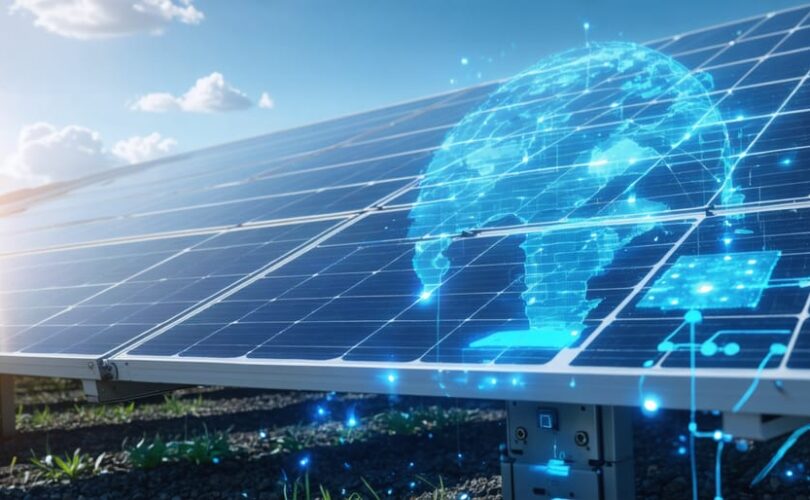
Artificial Intelligence is revolutionizing predictive maintenance across industries, transforming reactive repair schedules into proactive maintenance strategies that prevent equipment failures before they occur. By analyzing vast amounts of sensor data in real-time, AI algorithms can detect subtle patterns and anomalies that signal potential system failures, enabling maintenance teams to address issues during planned downtimes rather than during costly emergency shutdowns.
Machine learning models, trained on historical performance data and equipment specifications, now achieve unprecedented accuracy in predicting component lifespans and optimal maintenance intervals. This precision allows organizations to reduce maintenance costs by up to 30% while increasing equipment reliability and operational efficiency. In photovoltaic systems specifically, AI-powered predictive maintenance has proven instrumental in maximizing energy yield and extending system longevity through early detection of performance degradation and component wear.
The integration of AI in predictive maintenance represents more than just technological advancement – it marks a fundamental shift in how organizations approach asset management and operational reliability. As sensor technologies become more sophisticated and data processing capabilities expand, the potential for AI to optimize maintenance strategies continues to grow, promising even greater efficiencies and cost savings for forward-thinking organizations.
How AI Revolutionizes PV System Monitoring
Real-time Performance Analysis
Modern AI algorithms excel at continuously monitoring and analyzing system performance through sophisticated real-time analytics. These intelligent systems process vast amounts of data from multiple sensors, including voltage levels, current flow, temperature variations, and environmental conditions. By establishing baseline performance metrics and detecting subtle deviations, AI algorithms can identify potential issues before they escalate into serious problems.
The analysis occurs across three key dimensions: component-level monitoring, system-wide performance assessment, and environmental impact correlation. Machine learning models continuously adapt their parameters based on historical data, improving their accuracy in detecting anomalies and predicting maintenance needs. This dynamic approach enables the system to distinguish between normal operational variations and genuine performance issues.
Advanced neural networks can simultaneously process multiple data streams, creating a comprehensive understanding of system behavior. This capability allows for precise identification of performance degradation patterns and their root causes, enabling maintenance teams to implement targeted interventions efficiently and cost-effectively.
Pattern Recognition and Anomaly Detection
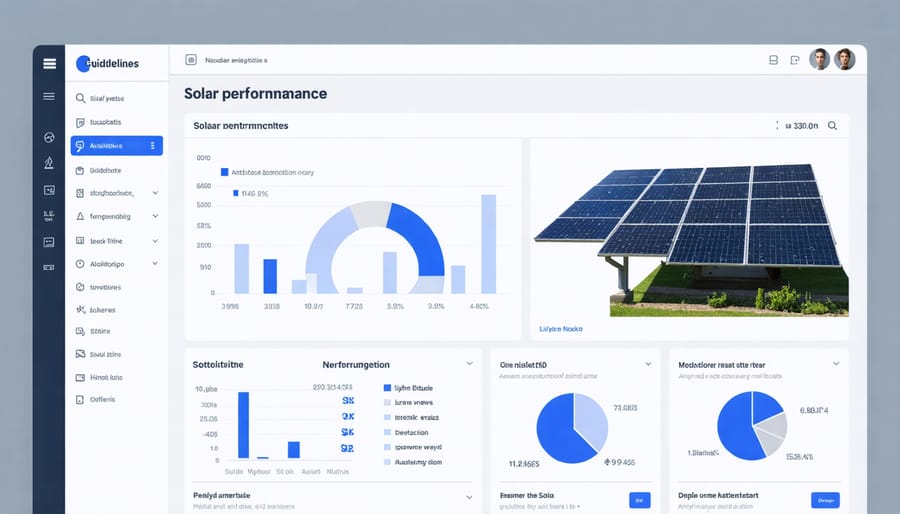
Pattern recognition algorithms in AI systems continuously analyze data streams from PV system sensors, establishing baseline operational patterns and identifying deviations that may indicate potential issues. These systems process multiple parameters simultaneously, including voltage levels, current flow, temperature variations, and performance metrics, to create a comprehensive understanding of normal system behavior.
When abnormal patterns emerge, AI models evaluate the significance of these deviations using advanced statistical methods and machine learning techniques. The system categorizes anomalies based on their severity and likelihood of causing equipment failure. This process becomes increasingly accurate over time as the AI learns from historical data and actual maintenance outcomes.
Modern AI systems can distinguish between temporary fluctuations and genuine problems, reducing false alarms while catching subtle indicators of developing issues. The technology employs both supervised learning, which uses labeled historical failure data, and unsupervised learning techniques that can identify previously unknown pattern anomalies. This dual approach ensures comprehensive coverage of potential system issues, enabling maintenance teams to address problems before they escalate into critical failures.
Predictive Maintenance Capabilities

Machine Learning Models for Failure Prediction
Several machine learning models have proven effective in machine learning in solar maintenance, each offering unique advantages for different predictive maintenance scenarios. Random Forest algorithms excel in handling complex datasets and identifying multiple failure patterns simultaneously, making them particularly valuable for large-scale solar installations.
Support Vector Machines (SVMs) demonstrate exceptional accuracy in detecting anomalies and classifying potential equipment failures, especially when dealing with non-linear relationships in sensor data. Their ability to establish clear decision boundaries helps maintenance teams distinguish between normal operations and potential fault conditions.
Deep Learning Neural Networks, particularly Long Short-Term Memory (LSTM) networks, excel at processing time-series data from solar panels and inverters. These models can identify subtle patterns that might indicate developing issues, enabling early intervention before critical failures occur.
Gradient Boosting algorithms, such as XGBoost and LightGBM, have shown remarkable success in predicting component degradation and maintenance needs. Their sequential learning approach allows for highly accurate predictions while maintaining computational efficiency.
For real-time monitoring applications, Convolutional Neural Networks (CNNs) have proven effective in analyzing thermal imaging data and detecting physical defects in solar panels. These models can process visual data quickly and accurately, making them invaluable for automated inspection systems.
Data-Driven Maintenance Scheduling
AI-driven maintenance scheduling represents a significant advancement in photovoltaic system management, utilizing sophisticated algorithms to determine optimal maintenance timing and resource allocation. By analyzing historical performance data, weather patterns, and equipment degradation rates, AI systems create highly accurate maintenance forecasts that maximize system efficiency while minimizing operational costs.
These intelligent systems process multiple data streams simultaneously, including real-time sensor readings, performance metrics, and environmental conditions. The AI algorithms identify patterns and correlations that human operators might miss, enabling precise predictions of when specific components will require attention. This data-driven approach ensures maintenance activities are scheduled before equipment failure occurs, but not so early that resources are wasted on unnecessary interventions.
The scheduling system considers various factors such as maintenance crew availability, spare parts inventory, weather forecasts, and peak production periods. By optimizing these variables, AI helps organizations achieve the perfect balance between system performance and maintenance costs. For instance, the system might recommend scheduling non-critical maintenance during periods of naturally lower solar production to minimize revenue impact.
Furthermore, AI-powered scheduling tools adapt and improve over time through machine learning capabilities. As more operational data becomes available, these systems refine their predictions and recommendations, leading to increasingly efficient maintenance strategies. This continuous optimization process helps solar facilities maintain peak performance while reducing unnecessary downtime and operational expenses.
Implementation Benefits and ROI
Operational Cost Reduction
Implementing AI-driven predictive maintenance solutions delivers substantial cost reductions across multiple operational aspects. By detecting potential equipment failures before they occur, organizations can maximize solar ROI through strategic maintenance scheduling and resource allocation. Studies indicate that predictive maintenance can reduce maintenance costs by 25-30% and eliminate up to 75% of breakdowns.
The financial benefits extend beyond direct maintenance savings. AI systems optimize spare parts inventory management by accurately forecasting component requirements, reducing carrying costs and storage expenses. Additionally, preventing unexpected failures minimizes production losses and extends equipment lifespan, contributing to long-term cost efficiency.
Labor costs see significant reduction through automated monitoring and precise maintenance scheduling. Technicians can focus on critical tasks rather than routine inspections, improving workforce productivity. The system’s ability to prioritize maintenance activities ensures resources are allocated where they deliver the highest value, creating a more efficient operational framework that supports sustainable cost management.
System Longevity and Performance Optimization
AI-driven predictive maintenance significantly helps extend solar panel lifespan while optimizing overall system performance. By continuously monitoring and analyzing performance metrics, AI algorithms can detect subtle degradation patterns before they lead to significant efficiency losses. This proactive approach enables maintenance teams to address potential issues during their early stages, preventing cascading failures that could otherwise reduce system output.
Studies indicate that AI-enhanced maintenance strategies can improve energy production efficiency by 3-5% annually compared to traditional maintenance approaches. The technology achieves this by maintaining optimal operating conditions through precise fault prediction and targeted interventions. Furthermore, AI systems can adapt their predictive models based on historical performance data, environmental conditions, and maintenance outcomes, creating increasingly accurate forecasts over time.
The implementation of AI-driven maintenance protocols has demonstrated a potential increase in system longevity of up to 15%, while simultaneously reducing operational costs and minimizing unexpected downtime. This dual benefit of extended service life and enhanced performance efficiency makes AI-powered predictive maintenance an invaluable tool for maximizing return on investment in photovoltaic installations.
Future Developments and Integration
The integration of AI in predictive maintenance continues to evolve rapidly, with several promising developments on the horizon. Advanced machine learning algorithms are becoming increasingly sophisticated, enabling more accurate fault prediction and system optimization. Edge computing implementation is gaining traction, allowing for real-time data processing directly at solar installation sites, reducing latency and improving response times.
Emerging technologies like digital twins are revolutionizing maintenance strategies by creating virtual replicas of physical PV systems. These digital models enable operators to simulate various scenarios and optimize maintenance schedules without risking actual system performance. Additionally, the integration of blockchain technology is enhancing data security and transparency in maintenance operations.
The convergence of IoT sensors with AI systems is expected to create more comprehensive monitoring networks. These networks will utilize advanced analytics to provide deeper insights into system behavior and potential failures. Machine vision technologies, coupled with drone inspections, are becoming more sophisticated, offering enhanced capabilities for aerial thermal imaging and visual inspections.
Future developments will likely focus on standardization of AI maintenance protocols across the industry, making implementation more accessible for smaller operators. Cross-platform integration capabilities will improve, allowing different monitoring systems to communicate seamlessly. As quantum computing advances, its integration with AI maintenance systems could dramatically enhance processing power and predictive capabilities, revolutionizing how we approach solar system maintenance and optimization.
The integration of AI-driven predictive maintenance in photovoltaic systems represents a significant leap forward in operational efficiency and system reliability. By leveraging advanced algorithms and machine learning capabilities, organizations can achieve substantial cost reductions, minimize downtime, and extend equipment lifespan. The data-driven insights provided by AI systems enable proactive maintenance strategies, resulting in optimized performance and enhanced return on investment. As the renewable energy sector continues to evolve, early adoption of AI-powered maintenance solutions positions organizations at the forefront of technological innovation. The compelling benefits of reduced operational costs, improved system reliability, and enhanced resource allocation make AI-driven predictive maintenance an essential investment for forward-thinking PV system operators. Embracing this technology not only ensures operational excellence but also contributes to the broader goal of sustainable energy production.