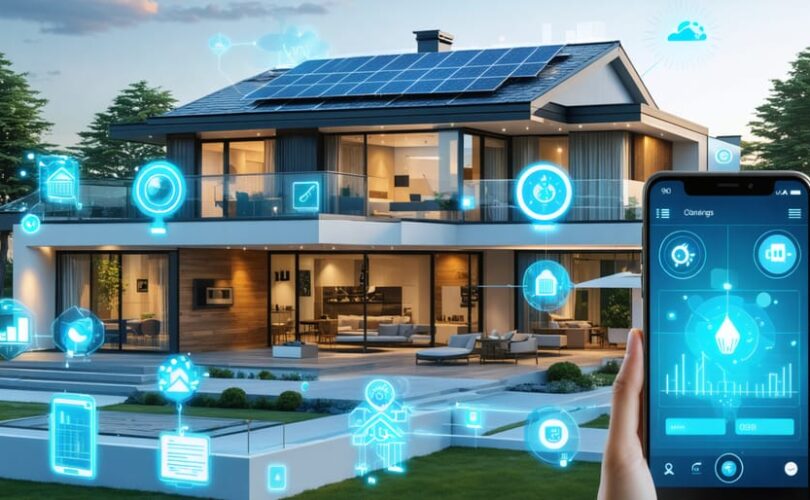
Transform your living space into an intelligent ecosystem with modern smart home automation systems that revolutionize daily living. Advanced technologies like AI-powered thermostats reduce energy consumption by up to 23% annually, while integrated security systems with facial recognition and real-time monitoring provide enterprise-grade protection. Smart lighting solutions automatically adjust based on natural light levels and occupancy patterns, optimizing both comfort and efficiency. These interconnected systems leverage machine learning algorithms to analyze usage patterns, creating personalized automation schedules that maximize energy savings while maintaining optimal living conditions.
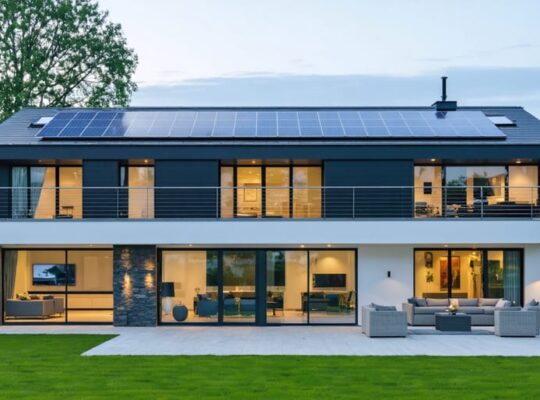
Recent innovations in smart home technology have enabled seamless integration with renewable energy systems, particularly solar installations, allowing homeowners to monitor and optimize their power consumption in real-time. This convergence of smart home capabilities with sustainable energy solutions represents a significant advancement in residential energy management, offering unprecedented control over household operations while reducing environmental impact and utility costs.
Smart Thermostats: The Gateway to Energy Savings
Learning Algorithms and Temperature Optimization
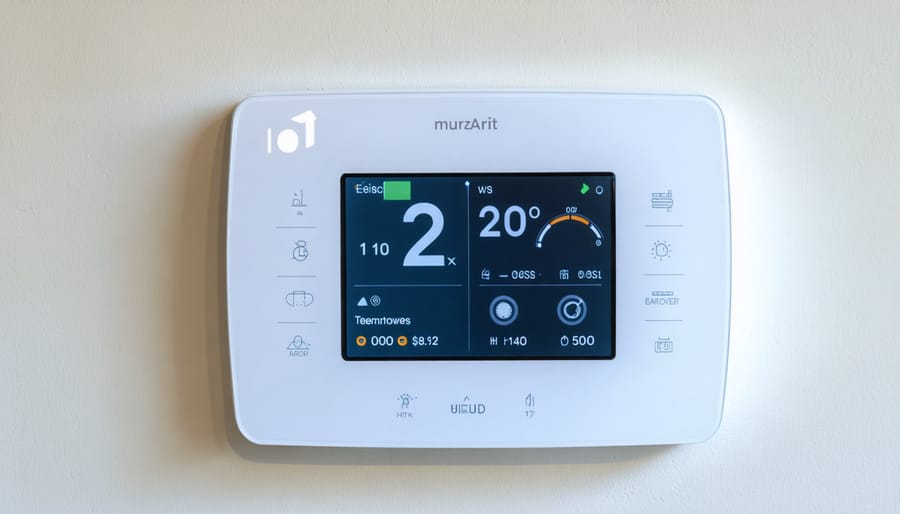
Modern smart thermostats employ sophisticated machine learning algorithms to optimize home temperature control and energy efficiency. These intelligent systems continuously analyze household occupancy patterns, temperature preferences, and energy consumption data to create personalized heating and cooling schedules. Understanding these smart thermostat benefits is crucial for maximizing home energy efficiency.
The learning process typically begins with basic programming inputs but evolves through multiple data collection points. Motion sensors track when residents are active in different areas, while temperature sensors monitor both indoor and outdoor conditions. This data is processed through adaptive algorithms that recognize daily routines, seasonal changes, and even unexpected variations in household patterns.
Advanced systems incorporate weather forecasts and historical performance data to make predictive adjustments. For instance, if the algorithm detects that the home typically takes 30 minutes to reach optimal temperature during cold mornings, it will automatically initiate heating before residents wake up. These systems also learn from manual adjustments, gradually refining their understanding of user preferences.
Integration with other smart home devices enhances the learning capability. When connected to smart windows, lighting systems, and occupancy sensors, the thermostat can make more informed decisions about temperature management, leading to improved comfort and reduced energy consumption.
Integration with Solar PV Systems
The integration of smart thermostats with solar PV systems represents a significant advancement in home energy management. These systems work in tandem to optimize energy consumption by utilizing real-time solar production data and weather forecasts. Smart thermostats can automatically adjust heating and cooling schedules to maximize the use of solar-generated electricity during peak production hours.
When solar panels generate excess power during sunny periods, smart thermostats can pre-cool or pre-heat your home, effectively storing energy in the form of thermal mass. This intelligent load shifting ensures that your home relies less on grid power during non-solar hours or cloudy days. Advanced algorithms in these systems learn from your energy usage patterns and solar generation curves to create optimal comfort schedules.
Many modern smart thermostats feature dedicated solar integration modes that communicate directly with your solar inverter. This allows for real-time monitoring of solar production and automated temperature adjustments based on available solar power. Some systems even incorporate predictive analytics, using weather forecasts to anticipate solar generation and adjust HVAC operations accordingly.
The financial benefits are substantial, as this integration can increase solar self-consumption rates by up to 25%. Additionally, these systems often provide detailed energy analytics, helping homeowners understand and optimize their combined solar and HVAC performance through user-friendly mobile applications and dashboard interfaces.
Automated Lighting Systems
Motion Sensors and Occupancy Detection
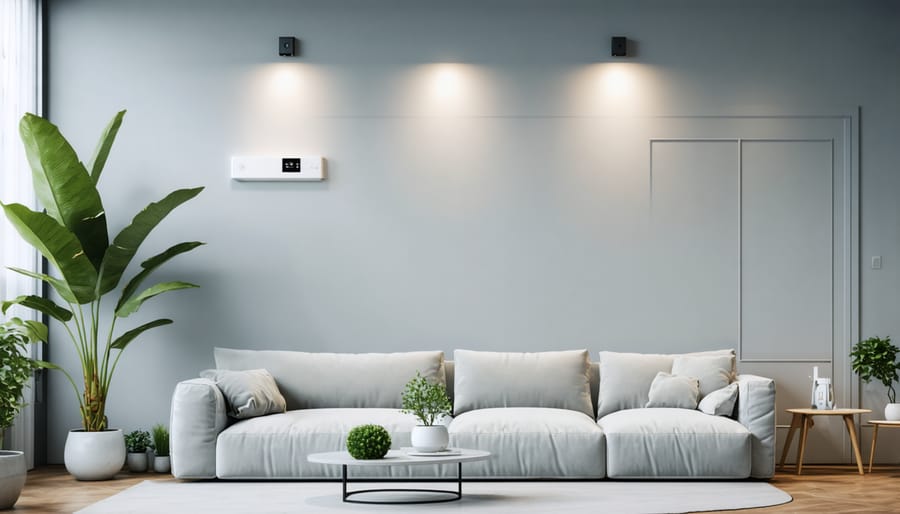
Motion sensors and occupancy detection systems represent a significant advancement in smart home energy management, particularly in lighting control. These intelligent systems utilize advanced infrared and ultrasonic technology to detect human presence and movement within spaces, automatically managing lighting based on actual room usage.
The technology operates through strategically placed sensors that monitor specific zones or rooms. When movement is detected, the system activates the lights; conversely, when no activity is registered for a predetermined period, the lights automatically switch off. This automation eliminates the common occurrence of lights being left on in unoccupied spaces, resulting in substantial energy savings.
Modern occupancy detection systems offer sophisticated features such as daylight harvesting, which adjusts artificial lighting levels based on available natural light. Some systems can even learn occupancy patterns over time, anticipating usage and optimizing lighting schedules accordingly.
Integration with other smart home components enhances functionality further. For instance, motion sensors can trigger specific lighting scenes, adjust HVAC settings, or activate security systems. This interconnected approach not only maximizes energy efficiency but also improves home security and occupant comfort, making it an essential component of comprehensive smart home automation systems.
LED Integration and Daylight Harvesting
LED integration and daylight harvesting represent a significant advancement in smart home lighting technology, combining energy-efficient LED fixtures with sophisticated sensors and control systems. These systems automatically adjust artificial lighting levels based on the amount of natural light available, maintaining optimal illumination while minimizing energy consumption.
Modern daylight harvesting systems utilize photosensors strategically placed throughout the home to measure ambient light levels. When sufficient natural light enters through windows and skylights, the system automatically dims or turns off LED lights in affected areas. This dynamic adjustment occurs seamlessly throughout the day, responding to changing weather conditions and sun positions.
The integration of smart LED systems with home automation platforms enables precise scheduling and zone control. Occupancy sensors further enhance efficiency by ensuring lights operate only when spaces are in use. Advanced systems can even learn occupant preferences and daily routines, automatically adjusting light temperatures and intensities to support natural circadian rhythms.
Implementation of these technologies typically results in 20-60% reduction in lighting-related energy consumption. When combined with smart home energy management systems, LED integration and daylight harvesting contribute significantly to overall home efficiency while maintaining optimal comfort levels for occupants.
Smart Energy Monitoring Systems
Real-time Consumption Tracking
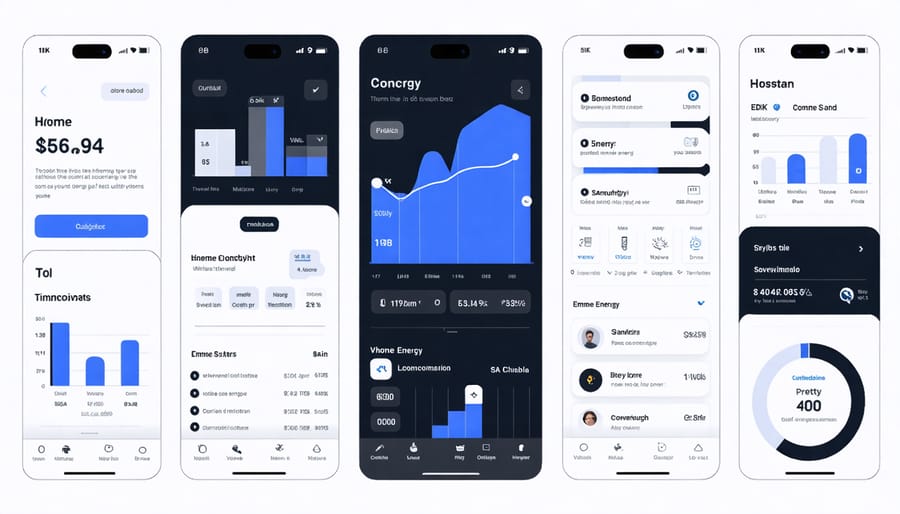
Real-time consumption tracking systems represent a cornerstone of modern smart home energy management. These sophisticated monitoring solutions provide homeowners with detailed insights into their energy usage patterns through user-friendly dashboards and mobile applications. By implementing comprehensive home energy efficiency testing and monitoring systems, residents can identify specific areas of energy waste and opportunities for optimization.
These systems typically utilize smart meters and submetering devices to track consumption across different appliances and systems within the home. Real-time data collection enables immediate detection of unusual consumption patterns, such as HVAC systems running unnecessarily or standby power draw from idle electronics. Advanced monitoring platforms can disaggregate energy usage by device, allowing homeowners to understand which appliances consume the most power and when.
The integration of artificial intelligence and machine learning algorithms enhances these systems’ capabilities by providing predictive insights and automated optimization recommendations. For example, the system might suggest optimal times to run energy-intensive appliances based on solar production peaks or recommend specific energy-saving measures tailored to the household’s usage patterns.
Many modern tracking systems also incorporate features like automated alerts for unusual consumption spikes, monthly performance reports, and integration with smart home automation platforms for coordinated energy management. This comprehensive approach to energy monitoring enables homeowners to make informed decisions about their energy consumption while maximizing the benefits of their solar installation.
Solar PV Performance Integration
Smart home integration with solar PV systems enables homeowners to monitor and optimize their energy production and consumption in real-time. Advanced monitoring systems collect data from solar panels, inverters, and household appliances, providing detailed insights into energy generation patterns and usage behaviors.
These systems typically feature user-friendly dashboards that display key metrics such as current power output, historical performance data, and energy consumption trends. Homeowners can track their solar production against household demand, identifying peak usage periods and opportunities for efficiency improvements.
Modern solar PV monitoring platforms incorporate weather forecasting and predictive analytics to optimize energy usage. When integrated with smart home automation systems, these platforms can automatically adjust device operations based on solar production levels. For example, during peak solar generation hours, the system might automatically run energy-intensive appliances like washing machines or charge electric vehicles.
The integration also enables dynamic load management, where smart devices prioritize solar power usage when available and switch to grid power when necessary. Real-time monitoring alerts users to potential system issues, ensuring optimal performance and rapid maintenance response.
Many systems now offer mobile applications for remote monitoring and control, allowing homeowners to manage their energy usage from anywhere. This data-driven approach helps maximize solar investment returns while contributing to more sustainable energy consumption patterns.
Smart Appliance Networks
Peak Load Management
Smart home technology plays a crucial role in managing peak energy demand through intelligent load scheduling and automated consumption patterns. Modern smart appliances can communicate with the power grid and adjust their operation based on real-time electricity demand and pricing signals. This capability allows homeowners to automatically shift energy-intensive tasks to off-peak hours when electricity rates are lower.
For example, smart thermostats can pre-cool homes during off-peak periods and reduce cooling demand during peak hours while maintaining comfort levels. Smart washing machines and dishwashers can be programmed to operate during late evening or early morning hours when grid demand is minimal. Electric vehicle charging systems can intelligently schedule charging sessions to avoid peak periods.
Many utility companies offer demand response programs that interface with smart home systems. These programs provide incentives for reducing electricity consumption during high-demand periods. Smart home energy management systems can automatically participate in these programs by temporarily adjusting appliance settings or cycling non-essential loads.
The integration of smart appliances with home energy storage systems further enhances peak load management capabilities. During peak demand periods, the system can switch to stored energy instead of drawing power from the grid. This not only reduces strain on the electrical infrastructure but also helps homeowners avoid premium rates during peak hours.
Through coordinated operation of smart appliances and automated response to grid signals, households can significantly reduce their peak energy consumption while maintaining desired comfort and convenience levels.
Solar-Optimized Operation
Smart home technology enables homeowners to maximize solar energy efficiency through intelligent scheduling of household appliances. Advanced energy management systems analyze solar production patterns and automatically adjust device operations to align with peak generation hours.
These systems utilize machine learning algorithms to predict solar output based on weather forecasts and historical data. During periods of high solar generation, the system automatically activates energy-intensive appliances like washing machines, dishwashers, and water heaters. Conversely, it reduces non-essential power consumption during low-production periods.
Smart inverters communicate with home energy management platforms to provide real-time production data, enabling dynamic load balancing. When excess solar power is available, the system can automatically charge electric vehicles, heat water for later use, or run pool pumps and irrigation systems.
Modern smart homes can also integrate with battery storage systems, storing surplus solar energy for use during evening hours or cloudy days. The system monitors battery levels and grid electricity prices to optimize when to store, use, or export solar power.
Automated smart blinds and HVAC controls further enhance solar optimization by managing heat gain and cooling needs based on sun position and interior temperatures. This comprehensive approach to energy management ensures maximum utilization of solar resources while maintaining comfort and convenience for homeowners.
The integration of smart home technologies with renewable energy systems represents a significant step forward in residential energy management and sustainability. By combining automated controls, intelligent monitoring, and advanced energy management systems, homeowners can achieve unprecedented levels of efficiency and cost savings. The data shows that households implementing comprehensive smart home solutions typically reduce their energy consumption by 20-30%, with some achieving even greater savings through optimized scheduling and automated responses to usage patterns.
These integrated systems not only enhance daily comfort and convenience but also contribute to broader environmental goals by minimizing waste and maximizing the utilization of renewable energy sources. The ability to monitor and adjust energy usage in real-time, coupled with predictive analytics and machine learning capabilities, enables homeowners to make informed decisions about their energy consumption patterns.
As smart home technology continues to evolve and become more accessible, the barriers to adoption are steadily decreasing. The investment in these systems typically pays for itself through reduced utility bills and increased property value. Moreover, the scalability of smart home solutions allows homeowners to start with basic implementations and gradually expand their systems as needs and budgets permit.
For those considering the transition to a smart home environment, the time has never been better to embrace these technologies. The combination of improved reliability, decreased costs, and enhanced integration capabilities makes smart home solutions an increasingly attractive option for environmentally conscious homeowners seeking to optimize their energy usage and reduce their carbon footprint.