Metal Structural Insulated Panels (MSIPs) represent a revolutionary advancement in modern construction technology, seamlessly integrating with building-integrated photovoltaic systems to create energy-efficient building envelopes. These engineered composite panels, consisting of two metal facings bonded to an insulating core, deliver superior thermal performance while maintaining exceptional structural integrity. By combining the durability of metal with high-performance insulation, MSIPs address critical challenges in contemporary architecture: energy efficiency, structural strength, and rapid construction timelines.
The integration of MSIPs in commercial and residential construction has transformed building practices, offering up to 50% reduction in energy costs compared to traditional building methods. Their precision-engineered design not only accelerates construction schedules but also ensures consistent quality and performance across diverse architectural applications. As the construction industry increasingly embraces sustainable building solutions, MSIPs emerge as a cornerstone technology for achieving both environmental objectives and stringent building performance standards.
Understanding Metal Structural Insulated Panels
Core Components and Materials
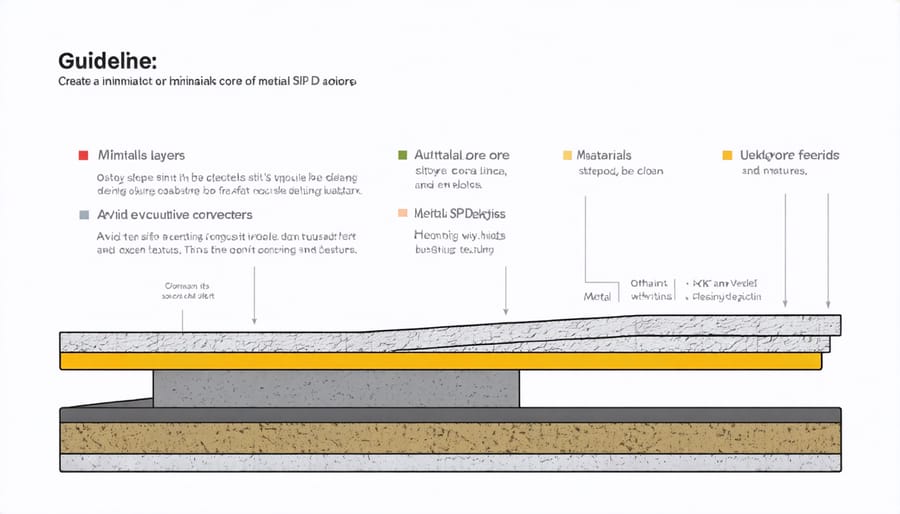
Metal structural insulated panels (SIPs) consist of three primary layers strategically engineered for optimal performance. The exterior layers comprise high-strength metal facade panels, typically constructed from steel or aluminum sheets with protective coatings to prevent corrosion. These metal skins provide structural integrity and weather resistance while maintaining a sleek architectural appearance.
The core layer consists of rigid insulation material, most commonly expanded polystyrene (EPS), polyurethane foam, or polyisocyanurate. This insulating core is chemically bonded to the metal faces using specialized structural adhesives, creating a robust composite structure. The thickness of this core layer varies between 4 to 12 inches, depending on the required thermal performance and structural specifications.
Additional components include specialized fasteners, sealants, and connecting mechanisms designed to ensure proper panel-to-panel integration and attachment to the building framework. These components are engineered to maintain thermal efficiency while providing necessary structural support and preventing thermal bridging across the assembly.
Structural Properties and Benefits
Metal structural insulated panels (MSIPs) combine exceptional structural strength with superior thermal performance, making them ideal for modern building applications. The panels feature a rigid insulation core, typically polyurethane or expanded polystyrene, sandwiched between two metal facings, usually steel or aluminum. This composition creates a lightweight yet robust building component with remarkable load-bearing capabilities.
The structural integrity of MSIPs stems from their composite action, where the metal faces work in conjunction with the core material to resist bending and compression forces. This design typically achieves spans of up to 30 feet without additional support, reducing the need for internal structural elements. The panels demonstrate excellent resistance to wind loads and maintain their structural properties across diverse climate conditions.
Thermally, MSIPs provide impressive R-values ranging from R-20 to R-50, depending on core thickness and material. The continuous insulation eliminates thermal bridging common in traditional construction methods, resulting in superior energy efficiency. Additionally, the metal faces offer inherent fire resistance, moisture protection, and durability against environmental factors, contributing to the panels’ extended service life and reduced maintenance requirements.
Integration with Photovoltaic Systems
PV Mounting Solutions
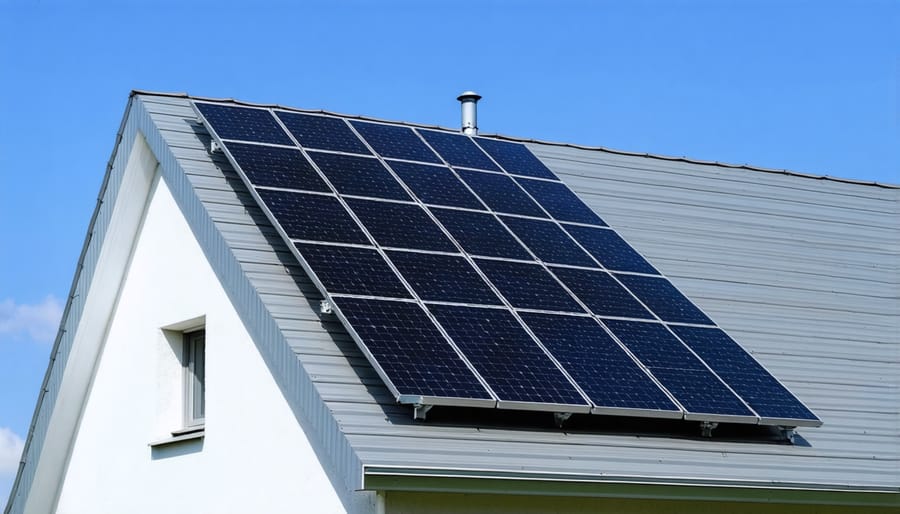
Metal structural insulated panels (MSIPs) offer versatile mounting solutions for photovoltaic systems, combining structural integrity with efficient installation methods. The primary mounting approaches include direct attachment, rail-based systems, and integrated mounting solutions.
Direct attachment methods utilize specially designed mounting brackets that secure directly to the metal skin of the panels. These brackets feature weatherproof sealing systems and are typically made from corrosion-resistant materials such as aluminum or stainless steel. The mounting points are strategically placed to distribute loads evenly across the panel structure while maintaining the integrity of the insulation core.
Rail-based systems provide additional flexibility in PV module placement and maintenance. These systems employ horizontal or vertical mounting rails attached to the MSIP surface using engineered fastening solutions. The rails create an air gap between the PV modules and the panel surface, promoting ventilation and improving overall system performance.
Integrated mounting solutions represent the most advanced approach, where mounting provisions are incorporated during the MSIP manufacturing process. These factory-installed mounting points eliminate the need for field penetrations and reduce installation time. Some manufacturers offer pre-engineered solutions with built-in wiring channels and mounting hardware specifically designed for their panel systems.
Load calculations must account for dead loads, wind uplift, and snow accumulation. Typical mounting systems can support loads ranging from 30 to 50 pounds per square foot, depending on the specific design and local building codes. Structural engineers should verify that the selected mounting solution meets project requirements and regional building regulations.
Modern mounting systems also incorporate features for proper wire management and grounding, ensuring safe and compliant installations while maintaining the panel’s thermal performance and weather resistance.
Electrical Integration and Wiring
The electrical integration of metal structural insulated panels (MSIPs) requires careful planning and execution to ensure optimal performance and safety. These panels are designed with pre-engineered channels or raceways that facilitate the installation of electrical wiring systems, making them particularly suitable for building-integrated solar storage solutions.
The electrical wiring system typically consists of dedicated conduits integrated within the panel’s core during manufacturing. These conduits are strategically placed to minimize thermal bridging while maintaining the panel’s structural integrity. Electrical boxes and junction points are pre-mapped and cut into the panels using precise manufacturing techniques, ensuring consistent placement and reducing on-site installation time.
Installers must follow specific protocols when routing cables through MSIPs. The process involves using fish tape or guide wires to pull electrical cables through the pre-engineered channels. Special attention must be paid to maintaining proper separation between power and communication cables to prevent electromagnetic interference.
For safety and code compliance, all electrical connections within MSIPs must be accessible through removable access panels or junction boxes. The system design must account for future maintenance requirements and potential upgrades. Grounding considerations are particularly important, with dedicated grounding points integrated into the metal faces of the panels.
Modern MSIPs often incorporate smart wiring solutions that enable advanced monitoring and control capabilities. These systems can include pre-installed sensors for temperature monitoring, occupancy detection, and energy consumption tracking, supporting comprehensive building management systems while maintaining the panel’s thermal performance.

Performance and Efficiency Benefits
Energy Efficiency Metrics
Metal structural insulated panels (MSIPs) demonstrate superior insulation efficiency with typical R-values ranging from R-20 to R-50, significantly outperforming traditional building materials. Laboratory testing reveals that MSIPs can reduce heating and cooling energy consumption by 40-60% compared to conventional construction methods.
Thermal performance metrics indicate that MSIPs achieve a U-value of 0.15-0.25 W/m²K, demonstrating excellent thermal resistance. Air infiltration rates are measured at 0.03 air changes per hour (ACH) under standard testing conditions, representing a 95% improvement over traditional stick-frame construction.
Annual energy consumption analysis shows that buildings utilizing MSIPs typically require 30-50% less energy for temperature regulation. This translates to approximately 12-15 kWh/m² per year for heating in temperate climates, compared to 25-30 kWh/m² for conventional buildings.
The panels’ thermal mass coefficient, measuring heat storage capacity, ranges from 0.8-1.2 kJ/kgK, enabling effective temperature regulation throughout daily cycles. When integrated with photovoltaic systems, MSIPs contribute to overall building energy efficiency by maintaining optimal operating temperatures for solar panels, resulting in 5-8% higher PV system performance compared to standard mounting solutions.
These quantifiable metrics demonstrate MSIPs’ substantial contribution to building energy performance and sustainability goals, making them an ideal choice for modern construction projects focusing on energy efficiency.
Cost-Benefit Analysis
The integration of metal structural insulated panels with building-integrated photovoltaics presents a compelling economic case when evaluated across multiple parameters. Initial installation costs typically range from $25-40 per square foot, approximately 15-20% higher than traditional construction methods. However, this premium is offset by substantial long-term benefits.
Energy savings constitute the primary financial advantage, with metal SIP-BIPV systems reducing heating and cooling costs by 40-60% compared to conventional building envelopes. The dual functionality of these panels as both structural components and power generators eliminates the need for separate PV mounting systems, resulting in labor cost reductions of 25-30% during installation.
Maintenance costs are notably lower, as metal SIPs demonstrate superior durability with an expected lifespan of 40-50 years, compared to 25-30 years for traditional construction. The integrated PV system typically maintains 80% of its original efficiency after 25 years, ensuring consistent energy generation and return on investment.
Return on investment analysis indicates a payback period of 7-10 years in most climate zones, factoring in energy savings, renewable energy incentives, and reduced maintenance requirements. Additional value derives from increased property valuation, with studies showing a 4-6% premium for buildings incorporating these systems. Insurance costs may also decrease due to the superior fire resistance and structural integrity of metal SIP-BIPV installations.
Installation and Maintenance Considerations
Installation Best Practices
The successful installation of metal structural insulated panels requires careful attention to detail and adherence to manufacturer specifications. Begin by thoroughly inspecting the panels for any damage and ensuring all necessary components are present. The installation surface must be level, clean, and properly prepared according to structural requirements.
Start by installing the base track system, ensuring it’s perfectly level and securely anchored to the foundation. Apply appropriate sealant or gasket material to create a weather-tight barrier. Panels should be positioned vertically, beginning from a corner, with temporary bracing used to maintain alignment during installation.
Secure each panel using manufacturer-approved fasteners, maintaining consistent spacing and proper torque specifications. Special attention must be paid to joint connections between panels, utilizing recommended sealants and connection systems to ensure structural integrity and thermal efficiency.
Install vapor barriers and flashing at all openings, joints, and penetrations. Weather-resistant barriers should be properly integrated with window and door openings. For roof applications, ensure proper overlap of panels and appropriate drainage provisions.
Quality control checks should be performed throughout the installation process, verifying panel alignment, joint integrity, and fastener placement. Complete the installation by adding finishing trim pieces and conducting a final inspection of all seals and connections.
Always follow local building codes and maintain proper safety protocols throughout the installation process. Professional installation teams should be certified and experienced in metal SIP systems to ensure optimal performance and longevity.
Maintenance Requirements
Metal structural insulated panels require systematic maintenance and monitoring to ensure their long-term performance and structural integrity. Regular inspections should be conducted at least annually, focusing on the panel joints, seals, and connection points. These inspections should check for any signs of moisture infiltration, corrosion, or degradation of the insulating core material.
The exterior metal surfaces should be cleaned periodically using non-abrasive cleaners to remove dirt, debris, and environmental contaminants that could potentially compromise the panel’s protective coating. Special attention must be paid to areas where panels interface with other building components, such as windows, doors, and roof penetrations.
Weather seals and gaskets should be examined for wear and replaced as needed to maintain the building envelope’s integrity. Any damaged or deteriorating sealants must be promptly addressed to prevent water intrusion and potential structural issues. The fastening systems should be inspected for proper tension and signs of stress or fatigue.
Building owners should maintain detailed maintenance records, including inspection dates, findings, and any repairs performed. Environmental monitoring systems can be installed to track temperature, humidity, and moisture levels within the panel system, providing early warning of potential issues. Professional assessment is recommended every five years to evaluate the overall system performance and identify any necessary preventive maintenance measures.
In cases where panels are integrated with photovoltaic systems, additional monitoring of electrical connections and thermal performance may be required to ensure optimal energy efficiency and safety.
Metal structural insulated panels (SIPs) represent a significant advancement in building-integrated photovoltaic (BIPV) technology, offering a compelling solution for the future of sustainable construction. The integration of these panels demonstrates exceptional potential in addressing multiple challenges faced by the renewable energy and construction sectors simultaneously.
The combination of structural integrity, superior insulation properties, and power generation capabilities positions metal SIPs as a versatile solution for modern building envelopes. Their ability to reduce installation complexity while enhancing building energy efficiency makes them particularly attractive for large-scale commercial and industrial applications.
Research and implementation data suggest that metal SIPs in BIPV applications can reduce overall construction costs by up to 20% compared to traditional methods while simultaneously providing clean energy generation. The durability of metal-faced panels ensures long-term performance and reliability, making them a cost-effective investment for building owners and developers.
Looking ahead, the continued development of metal SIP technology is expected to further improve their efficiency and versatility. Advances in manufacturing processes and materials science are likely to yield even better performance metrics and broader application possibilities. As the construction industry moves toward more sustainable practices, metal SIPs are well-positioned to play a crucial role in achieving net-zero energy buildings and supporting global sustainability goals.
For the BIPV sector to realize its full potential, continued collaboration between manufacturers, researchers, and construction professionals will be essential in optimizing these systems and expanding their implementation across diverse architectural applications.