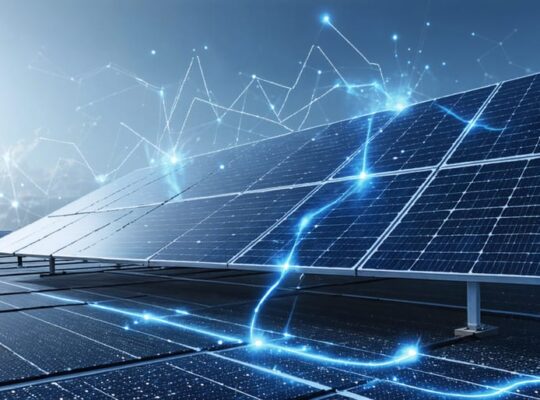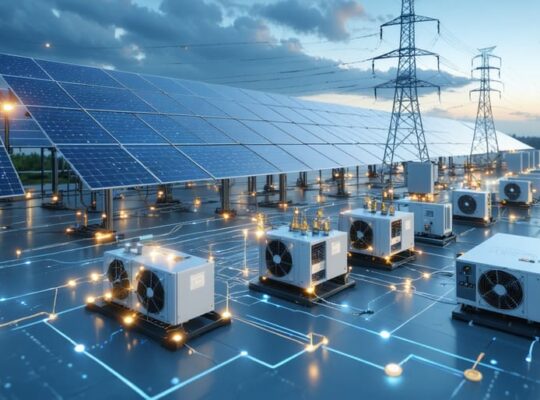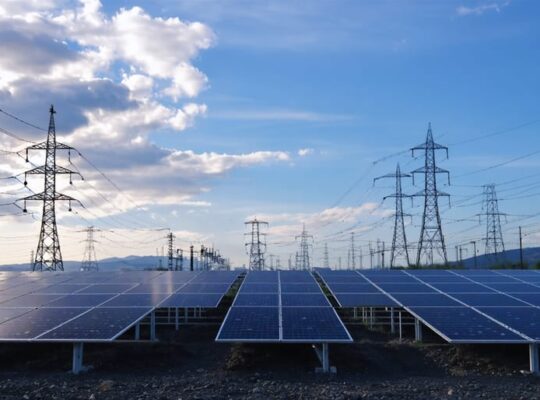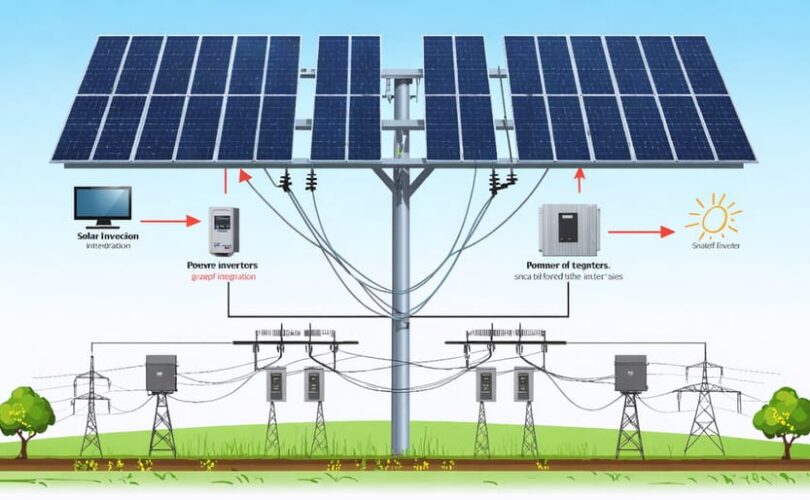
Solar power’s integration into the electrical grid represents one of the most significant advances in modern energy infrastructure. Grid-tied solar systems transform traditional one-way power distribution into a dynamic, bidirectional network that efficiently manages renewable energy resources. This sophisticated interplay between solar installations and utility infrastructure enables excess solar energy to flow back into the power grid, creating a more resilient and sustainable energy ecosystem.
The process fundamentally relies on advanced inverter technology and smart metering systems, which seamlessly convert DC power from solar panels into grid-compatible AC electricity. When solar production exceeds local demand, this surplus energy doesn’t go to waste—instead, it flows back through the meter, effectively running it backward and contributing to the broader power supply. This bidirectional energy flow not only benefits individual solar system owners through net metering programs but also strengthens grid stability and reduces dependency on conventional power plants during peak demand periods.
Understanding this grid integration mechanism has become crucial for energy professionals, utilities, and policymakers as solar adoption continues to accelerate worldwide. The technical sophistication of modern grid integration systems represents a critical evolution in renewable energy infrastructure, enabling more efficient energy distribution and storage solutions while maintaining grid reliability and power quality.
The Grid-Solar Connection Process
Essential Grid Integration Components
The successful integration of solar power into the electrical grid relies on several critical components working in harmony. At the heart of this system are utility interactive inverters, which convert the DC power generated by solar panels into grid-compatible AC power. These sophisticated devices also monitor grid conditions and automatically disconnect when necessary for safety and stability.
Smart meters play a dual role in grid integration, measuring both the electricity consumed from the grid and the excess power fed back into it. These bidirectional meters enable accurate billing and credit calculations for net metering programs, providing real-time data to both utilities and system owners.
Additional essential components include isolation switches, which allow safe disconnection during maintenance or emergencies, and protection equipment such as surge arresters and circuit breakers that safeguard both the solar installation and grid infrastructure. Grid-tie transformers may also be necessary for larger installations to match voltage levels between the solar system and the utility grid.
Modern monitoring systems complete the integration package, providing detailed performance data, fault detection, and remote management capabilities. These systems typically include communication interfaces that enable utilities to monitor and control solar installations as part of their broader grid management strategy.

Power Flow Mechanisms
The flow of electricity between solar systems and the grid operates through a sophisticated interplay of components and mechanisms. At the heart of this system is the grid-tie inverter, which converts DC power generated by solar panels into AC power compatible with the grid. This bidirectional power flow is carefully monitored by solar power meters and sophisticated control systems.
When solar production exceeds local consumption, excess electricity flows through the inverter and into the grid. This process is governed by automatic voltage regulators and protective relays that ensure proper synchronization with grid frequency and voltage levels. The inverter continuously monitors grid conditions and automatically disconnects if grid voltage or frequency deviates from acceptable ranges.
Net metering systems track the bidirectional flow, recording both energy consumption from the grid and excess production fed back. Modern smart inverters incorporate advanced grid support functions, including reactive power compensation and voltage regulation, contributing to grid stability.
The actual power transfer occurs through a service panel equipped with a dual-register meter. This setup includes safety mechanisms like anti-islanding protection, which prevents solar systems from energizing the grid during outages, protecting utility workers and equipment. Additional components such as isolation transformers and surge protection devices ensure safe and efficient power flow while maintaining power quality standards.

Grid Integration Challenges
Voltage Regulation Issues
Voltage regulation presents a significant challenge in grid-connected solar power systems due to the variable nature of solar generation. When multiple photovoltaic systems feed power into the grid simultaneously, voltage levels can fluctuate beyond acceptable limits, potentially compromising grid stability and power quality.
Grid operators employ sophisticated voltage control mechanisms to maintain stability. These include on-load tap changers (OLTC) at distribution transformers, which adjust voltage levels in real-time, and smart inverters that can dynamically modify their power output characteristics. Modern inverters are equipped with volt-VAR control capabilities, allowing them to either absorb or inject reactive power to help regulate local voltage levels.
The impact of voltage fluctuations becomes particularly pronounced in areas with high solar penetration. During peak solar production periods, especially in residential areas where multiple systems are feeding power back simultaneously, local grid voltage can rise significantly. Conversely, sudden drops in solar output, such as during cloud cover, can cause voltage dips.
To address these challenges, utilities implement various solutions including:
– Advanced distribution management systems (ADMS)
– Voltage regulators at strategic grid locations
– Energy storage systems for voltage support
– Smart grid technologies for real-time monitoring and control
These mechanisms work together to ensure that voltage levels remain within acceptable ranges, typically ±5% of nominal voltage, while maximizing the integration of solar power into the existing grid infrastructure.
Power Quality Management
Power quality management is crucial for maintaining grid stability when integrating solar power systems. The introduction of solar inverters into the grid creates potential challenges that must be carefully managed to ensure reliable power delivery. One primary concern is harmonic distortion, which occurs when the inverter’s switching operations generate unwanted frequency components in the electrical system.
Modern grid-tied inverters employ sophisticated algorithms and filtering mechanisms to minimize harmonic distortion. These systems continuously monitor and adjust their output to maintain compliance with IEEE 519 standards, which specify acceptable limits for harmonic content in electrical systems.
Frequency control is another critical aspect of power quality management. Grid operators must maintain a stable frequency (typically 50 or 60 Hz) despite variations in solar power output. Advanced inverters now include frequency response capabilities, allowing them to adjust their output power based on grid frequency deviations, contributing to overall system stability.
Power factor correction plays a vital role in optimizing grid efficiency. Solar inverters can provide reactive power support, helping to maintain the power factor close to unity. This capability reduces transmission losses and improves voltage stability across the distribution network. Modern smart inverters can dynamically adjust their reactive power output based on grid conditions, supporting both local and system-wide power quality requirements.
To ensure optimal performance, these power quality parameters are continuously monitored through advanced metering infrastructure and control systems, allowing for real-time adjustments and preventive maintenance when needed.
Grid Stability Considerations
The integration of solar power into the electrical grid presents significant stability challenges that utilities must carefully manage. As solar penetration increases, grid operators face several key considerations, including voltage regulation, frequency control, and power quality maintenance.
One primary concern is the intermittent nature of solar generation, which can cause rapid fluctuations in power output due to weather conditions and cloud cover. These variations require sophisticated grid management systems to maintain stable voltage levels and prevent power quality issues. Modern smart grid technologies employ advanced inverters and power electronics to help mitigate these fluctuations through reactive power compensation and voltage support capabilities.
Grid stability also depends on maintaining a precise balance between power generation and consumption. Traditional power plants provide inertia to the grid through their rotating masses, helping to maintain frequency stability. Solar installations, however, lack this inherent mechanical inertia, necessitating alternative approaches such as synthetic inertia systems and energy storage solutions.
The geographical distribution of solar installations adds another layer of complexity. Clustered solar installations can create localized voltage rises during peak generation periods, while sudden drops in solar output can strain conventional power plants that must quickly ramp up production to maintain grid stability. To address these challenges, utilities implement advanced forecasting systems, automated control mechanisms, and strategic placement of energy storage systems.
These stability considerations ultimately influence grid codes and interconnection requirements for solar installations, ensuring reliable integration while maintaining power quality standards.
Solutions and Modern Technologies
Smart Inverter Technologies
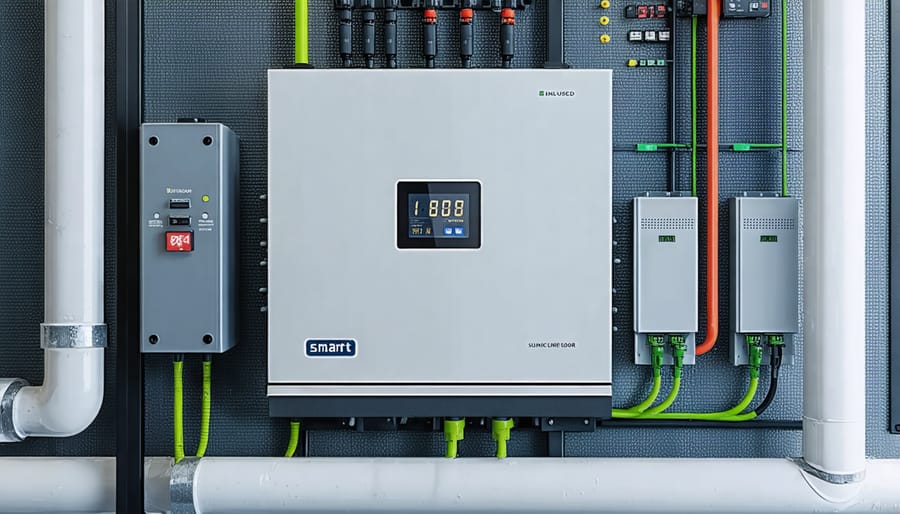
Smart inverters represent a significant advancement in solar grid integration technology, incorporating sophisticated features that enhance grid stability and power quality. These modern devices go beyond basic DC-to-AC conversion, offering dynamic voltage and frequency support, reactive power control, and real-time communication capabilities with grid operators.
A key feature of smart inverters is their ability to provide grid support functions through advanced power electronics. They can automatically adjust their operating parameters in response to grid conditions, maintaining stability during voltage fluctuations or frequency deviations. This functionality includes low-voltage ride-through (LVRT) and high-voltage ride-through (HVRT) capabilities, allowing solar systems to remain connected during brief grid disturbances.
These inverters also excel in power quality management, offering sophisticated harmonic control and power factor correction. They can regulate reactive power output to help maintain grid voltage levels, contributing to overall system efficiency. Many smart inverters feature autonomous voltage regulation, which helps maintain stable voltage levels at the point of common coupling.
Modern smart inverters incorporate robust communication protocols, enabling two-way data exchange with utility management systems. This connectivity allows for remote monitoring, control, and firmware updates, facilitating better grid integration and management. Grid operators can send commands to adjust inverter settings in real-time, optimizing system performance and responding to changing grid conditions.
The implementation of smart inverter technologies has become crucial for high-penetration solar scenarios, where traditional grid infrastructure requires additional support to maintain stability and reliability.
Energy Storage Integration
Battery storage systems play a crucial role in optimizing solar power integration with the electrical grid. These advanced energy storage solutions serve as buffers between intermittent solar generation and grid demand, ensuring stable power supply during periods of low solar production or peak consumption.
Modern grid-scale battery systems typically employ lithium-ion technology, offering high energy density and rapid response capabilities. These systems can respond to grid fluctuations within milliseconds, providing essential services such as frequency regulation, voltage support, and load shifting. During periods of excess solar generation, batteries store surplus energy that would otherwise be curtailed, releasing it when demand exceeds immediate solar production.
The integration of storage systems enables better grid stability through several mechanisms:
– Peak shaving: Reducing strain on the grid during high-demand periods
– Ramp rate control: Smoothing out sudden changes in solar output
– Frequency regulation: Maintaining consistent grid frequency
– Backup power: Supporting critical infrastructure during outages
Grid operators increasingly rely on sophisticated energy management systems (EMS) to coordinate between solar arrays, battery storage, and grid requirements. These systems use predictive algorithms to optimize charging and discharging cycles, maximizing both grid stability and economic value. As storage technology continues to advance and costs decrease, the role of battery systems in solar grid integration becomes increasingly central to renewable energy deployment.
Grid Management Systems
Modern grid management systems represent a sophisticated network of hardware and software components designed to efficiently handle bidirectional power flow from solar installations. These systems incorporate advanced monitoring equipment, smart meters, and automated control mechanisms to maintain grid stability while accommodating variable solar generation.
At the heart of these systems are SCADA (Supervisory Control and Data Acquisition) platforms that provide real-time monitoring and control capabilities. Grid operators use these tools to track power quality parameters, voltage levels, and frequency stability across the network. Advanced smart grid integration technologies enable automated responses to fluctuations in solar power production, ensuring seamless integration with conventional power sources.
Power electronics play a crucial role in these management systems, with intelligent inverters capable of providing grid support functions such as reactive power compensation and voltage regulation. Modern systems also incorporate advanced forecasting algorithms that predict solar generation patterns based on weather data and historical performance metrics.
Data analytics and artificial intelligence enhance grid operation by optimizing power flow, predicting maintenance needs, and identifying potential issues before they affect system performance. These management systems also facilitate demand response programs, allowing utilities to better match solar generation with consumption patterns while maintaining grid reliability and power quality standards.
Future Outlook and Industry Developments
The integration of solar power into the electrical grid continues to evolve rapidly, with several promising developments on the horizon. Advanced inverter technologies are becoming increasingly sophisticated, incorporating artificial intelligence and machine learning algorithms to optimize power flow and grid stability. These smart inverters can predict solar generation patterns, manage energy storage systems, and respond to grid demands in real-time.
Virtual power plants (VPPs) are emerging as a crucial development in solar grid integration. These systems aggregate multiple distributed energy resources, including residential solar installations, to create a coordinated network that can provide grid services traditionally supplied by conventional power plants. VPPs enable better demand response management and increase grid reliability while maximizing the value of distributed solar assets.
Energy storage technologies are advancing significantly, with new battery chemistries and storage solutions being developed. Flow batteries and solid-state batteries show promise for grid-scale storage, offering longer durations and improved safety compared to current lithium-ion systems. These advancements will enable better management of solar intermittency and enhance grid stability.
Grid modernization initiatives are focusing on implementing advanced metering infrastructure (AMI) and smart grid technologies. These improvements will enable bidirectional communication between utilities and solar systems, allowing for more efficient power distribution and real-time monitoring of grid conditions.
Blockchain technology is being explored for peer-to-peer energy trading platforms, enabling solar prosumers to directly trade excess energy with neighbors or other consumers. This development could revolutionize the traditional utility business model and create new opportunities for solar energy monetization.
Research institutions and industry leaders are developing enhanced forecasting tools that combine weather data, historical generation patterns, and artificial intelligence to predict solar power output more accurately. These tools will help grid operators better manage the integration of variable solar resources.
Policy frameworks are evolving to support higher penetrations of solar power, with many jurisdictions implementing updated interconnection standards and grid codes. These regulations are being designed to ensure grid stability while maximizing the benefits of distributed solar generation.
Looking ahead, the integration of solar power into the grid will likely become more seamless as these technologies mature. The combination of advanced inverters, energy storage systems, and smart grid technologies will enable higher penetrations of solar power while maintaining grid reliability and power quality. This evolution will play a crucial role in achieving renewable energy goals and creating a more sustainable electricity system.
The integration of solar power into the electrical grid represents a critical advancement in our transition toward sustainable energy systems. Throughout this exploration of solar grid integration, we’ve examined the fundamental mechanisms, technical requirements, and innovative solutions that enable photovoltaic systems to contribute effectively to our power infrastructure.
The bidirectional flow of electricity between solar installations and the grid demonstrates the sophisticated evolution of our power distribution networks. From smart inverter technology to advanced metering systems, each component plays a vital role in ensuring seamless integration while maintaining grid stability and reliability.
As we’ve discussed, successful grid integration relies on overcoming several technical challenges, including voltage regulation, frequency control, and power quality management. The continued development of energy storage solutions, enhanced grid management systems, and improved forecasting technologies will be crucial in maximizing the potential of solar power integration.
Looking ahead, the future of solar grid integration holds promising opportunities. Emerging technologies such as artificial intelligence-driven grid management, advanced power electronics, and innovative storage solutions will further enhance our ability to incorporate higher percentages of solar power into the grid. The ongoing collaboration between industry stakeholders, research institutions, and utilities will be essential in driving these innovations forward.
For professionals and stakeholders in the solar energy sector, staying informed about these developments and actively participating in the evolution of grid integration technologies will be crucial. As we continue to push the boundaries of renewable energy integration, the lessons learned and technologies developed will pave the way for a more sustainable and resilient power infrastructure.