Solar PV monitoring systems represent the central nervous system of modern photovoltaic installations, enabling unprecedented control and optimization of renewable energy generation. Through advanced real-time analytics, these sophisticated monitoring solutions transform raw performance data into actionable insights, helping facility managers and operators maximize energy yield while minimizing maintenance costs.
As photovoltaic installations continue scaling globally, effective monitoring has become indispensable for ensuring optimal system performance, rapid fault detection, and data-driven decision making. Modern monitoring platforms combine precise sensor networks, intelligent analytics software, and automated reporting capabilities to provide comprehensive visibility into every aspect of solar plant operations – from individual panel performance to overall system efficiency.
This integration of cutting-edge monitoring technology with solar power generation represents a crucial advancement in renewable energy management, enabling proactive maintenance strategies and performance optimization that were previously impossible. For stakeholders across the solar industry, from system owners to O&M providers, understanding and implementing robust monitoring solutions has become fundamental to achieving maximum return on investment while contributing to a more sustainable energy future.
Essential Components of PV Monitoring Systems
Data Acquisition Devices
Data acquisition devices form the backbone of modern solar PV monitoring systems, collecting and transmitting crucial performance data in real-time. At the heart of these systems are dataloggers, sophisticated devices that capture and store essential parameters such as voltage, current, power output, and environmental conditions. These dataloggers interface directly with solar array components, ensuring accurate and consistent data collection.
Communication gateways serve as vital intermediaries between the monitoring hardware and data management systems. These gateways, integral to IoT-enabled monitoring systems, facilitate secure data transmission through various protocols such as RS485, Modbus, or wireless technologies like WiFi and cellular networks.
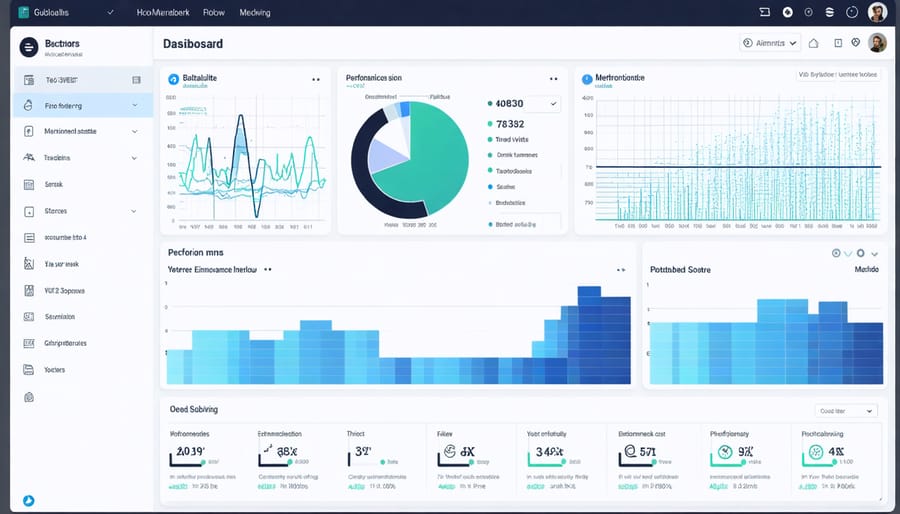
Modern monitoring interfaces provide user-friendly dashboards for system operators and stakeholders. These interfaces typically feature:
– Real-time performance visualization
– Historical data analysis tools
– Customizable alert systems
– Remote configuration capabilities
– Performance reporting functions
The quality of data acquisition devices significantly impacts monitoring accuracy and system reliability. Professional-grade equipment ensures precise measurements and robust communication, while advanced encryption protocols protect data integrity. When selecting monitoring hardware, considerations should include sampling rates, storage capacity, communication reliability, and compatibility with existing solar PV components.
Sensor Technologies
Solar PV monitoring systems rely on a sophisticated network of sensors to collect critical performance data. Irradiance sensors measure the amount of solar radiation reaching the panels, providing essential information about potential energy generation. These devices typically include pyranometers for global radiation measurement and reference cells that match the spectral response of the installed PV modules.
Temperature sensors play a dual role in monitoring both ambient conditions and module temperatures. Module temperature sensors are typically attached to the back of solar panels to measure operating temperatures, which directly affect conversion efficiency. Ambient temperature sensors provide contextual data to evaluate system performance under varying weather conditions.
Power meters form the backbone of performance monitoring, measuring electrical parameters at multiple points throughout the system. These devices track voltage, current, power factor, and energy production in real-time. Modern power meters feature high sampling rates and advanced communication capabilities, enabling precise monitoring of both DC and AC circuit parameters.
Additional specialized sensors may include anemometers for wind speed measurement, humidity sensors, and soiling monitors. These complementary devices help create a comprehensive picture of environmental conditions affecting system performance. Data from all sensors is typically collected by a central monitoring unit, which processes and transmits information to monitoring platforms for analysis and visualization.
Quality standards for sensor selection emphasize accuracy, reliability, and calibration requirements to ensure precise monitoring and meaningful data collection. Regular maintenance and calibration of these sensors ensure the continued accuracy of the monitoring system.
Key Parameters Monitored in PV Systems
Electrical Parameters
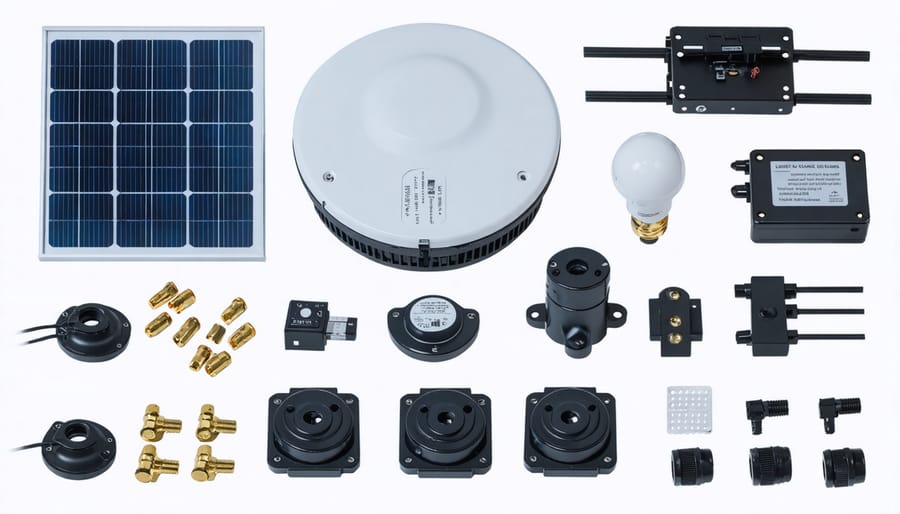
Monitoring electrical parameters is fundamental to assessing solar PV system performance and ensuring optimal operation. The primary electrical parameters monitored include DC voltage, DC current, AC voltage, AC current, power output, and cumulative energy yield.
DC voltage and current measurements are taken at the string level, providing insights into individual panel performance and potential issues like partial shading or module degradation. These measurements help identify underperforming strings and validate system design specifications. AC voltage and current monitoring occurs at the inverter output, ensuring proper grid integration and power quality compliance.
Power output monitoring provides real-time performance data, typically measured in kilowatts (kW), enabling operators to verify that the system generates electricity at expected levels. This data is crucial for comparing actual performance against predicted values and detecting efficiency losses promptly. Energy yield, measured in kilowatt-hours (kWh), represents the cumulative electricity production over time and is essential for calculating system efficiency and financial returns.
Advanced monitoring systems incorporate power factor analysis, frequency monitoring, and harmonic distortion measurements to ensure grid compliance and optimal power quality. These systems often feature automated alerts when electrical parameters deviate from predetermined thresholds, allowing for quick response to potential issues.
Data logging intervals for electrical parameters typically range from one to fifteen minutes, with some high-precision systems offering sub-minute resolution. This granular data collection enables detailed performance analysis, trend identification, and accurate forecasting of future energy production. Regular monitoring of these electrical parameters is crucial for preventive maintenance, warranty compliance, and maximizing system lifetime value.
Environmental Parameters
Environmental parameters play a crucial role in solar PV system performance and efficiency. Temperature monitoring is essential as solar panel efficiency typically decreases with rising temperatures. Most monitoring systems track both ambient temperature and module temperature, enabling operators to understand thermal impacts on power output and identify potential heat-related issues.
Solar irradiance measurement provides vital data about the available solar resource. Pyranometers and reference cells measure global horizontal irradiance (GHI) and plane-of-array (POA) irradiance, offering insights into expected versus actual energy production. This data helps determine system performance ratio and detect underperforming modules or arrays.
Weather condition monitoring encompasses multiple parameters that affect solar PV performance. Wind speed and direction measurements help evaluate cooling effects on panels and structural loads on mounting systems. Humidity sensors track moisture levels that may impact electrical connections and overall system durability. Precipitation monitoring aids in understanding cleaning requirements and potential shading from snow accumulation.
Advanced monitoring systems often include specialized sensors for:
– Soiling measurement to determine cleaning schedules
– Air quality monitoring to assess dust and pollution impacts
– Cloud cover detection for production forecasting
– UV radiation measurement for degradation analysis
These environmental parameters, when analyzed together, provide a comprehensive understanding of external factors affecting system performance. The data enables predictive maintenance, performance optimization, and accurate energy yield forecasting. Regular monitoring of these parameters helps operators maintain optimal system efficiency and extend equipment lifetime through informed decision-making and timely interventions.
Advanced Monitoring Features
Performance Analysis Tools
Performance analysis tools in solar PV monitoring systems provide essential metrics for evaluating system efficiency and identifying optimization opportunities. The performance ratio (PR) serves as a key quality indicator, measuring the relationship between actual and theoretical energy outputs while accounting for environmental factors such as temperature and irradiance.
Yield analysis tools calculate specific yield (kWh/kWp) and reference yield measurements, offering standardized comparisons across different installations regardless of size or location. These calculations help operators assess system performance against expected benchmarks and industry standards.
Loss assessment capabilities enable detailed examination of various efficiency reducers, including:
– Thermal losses from temperature effects
– Optical losses due to reflection and soiling
– Electrical losses in cables and inverters
– Shading impacts from nearby structures or vegetation
– System downtime and component failures
Modern monitoring platforms integrate these tools with sophisticated algorithms to generate automated performance reports and alerts. The analysis software typically features visualization tools that present data through intuitive dashboards, helping stakeholders identify trends and make informed decisions about maintenance and optimization strategies.
Regular performance analysis using these tools ensures optimal system operation, validates warranty claims, and supports preventive maintenance scheduling. The collected data also proves valuable for research institutions and manufacturers working to improve solar technology efficiency and reliability.
Fault Detection Systems
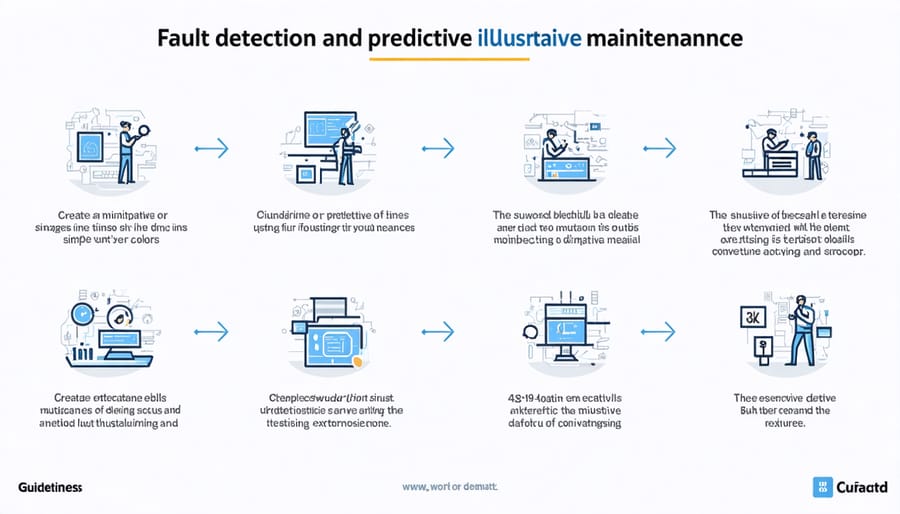
Modern solar PV monitoring systems incorporate sophisticated fault detection mechanisms that utilize advanced algorithms and real-time data analysis to identify potential issues before they escalate into major problems. These systems continuously monitor key performance indicators and automatically generate alerts when parameters deviate from expected values.
The integration of artificial intelligence and machine learning has revolutionized fault detection capabilities, enabling predictive maintenance solutions that can forecast potential equipment failures and performance degradation. This proactive approach significantly reduces system downtime and maintenance costs.
Automated fault detection systems typically monitor multiple parameters simultaneously, including:
– String current variations
– Inverter efficiency metrics
– Module temperature patterns
– Grid connection stability
– Voltage anomalies
When anomalies are detected, the system generates immediate notifications through various channels such as email alerts, SMS messages, or dashboard notifications. These alerts are categorized by severity levels, allowing maintenance teams to prioritize their response effectively.
The most advanced systems can differentiate between temporary performance dips caused by environmental factors and genuine system faults, reducing false alarms and improving operational efficiency. This intelligent filtering ensures that maintenance resources are deployed only when necessary, optimizing both system performance and maintenance costs.
Remote Management Capabilities
Remote management capabilities represent a significant advancement in solar PV monitoring, enabling system operators to control and optimize their installations from anywhere with internet connectivity. These features allow for real-time system adjustments, immediate response to performance issues, and efficient maintenance scheduling without requiring physical presence at the installation site.
System operators can remotely configure monitoring parameters, adjust inverter settings, and implement operational changes through secure web-based interfaces or mobile applications. This includes the ability to modify power output levels, update firmware, and fine-tune system performance based on environmental conditions or energy demand patterns.
Remote troubleshooting capabilities enable technicians to diagnose and often resolve issues without site visits, significantly reducing maintenance costs and system downtime. Advanced platforms offer automated alert systems that can trigger predetermined responses to specific conditions, such as automatically adjusting inverter settings during grid instability or extreme weather events.
Security features are integral to remote management systems, incorporating encryption protocols, multi-factor authentication, and access control measures to protect against unauthorized system access. Regular over-the-air updates ensure that monitoring systems maintain optimal performance and security standards while incorporating new features and capabilities.
The integration of remote management with predictive maintenance algorithms allows operators to schedule preventive interventions based on performance trends and component health indicators, maximizing system efficiency and extending equipment lifespan.
Comprehensive solar PV monitoring has emerged as a cornerstone of successful photovoltaic installations, enabling stakeholders to optimize system performance through data-driven decision-making. The integration of advanced monitoring solutions provides immediate and long-term benefits, including enhanced system efficiency, reduced maintenance costs, and improved return on investment.
As we look toward the future, several promising trends are shaping the evolution of PV monitoring systems. Artificial intelligence and machine learning algorithms are becoming increasingly sophisticated, enabling predictive maintenance capabilities and automated performance optimization. The integration of Internet of Things (IoT) devices is facilitating more granular data collection and real-time analysis, while cloud-based platforms are making monitoring more accessible and cost-effective for system owners of all sizes.
The convergence of monitoring technologies with smart grid infrastructure is opening new possibilities for grid integration and energy management. Advanced monitoring systems are enabling better forecasting of solar power generation, supporting grid stability, and facilitating the integration of energy storage solutions. This technological synergy is crucial for the continued growth of renewable energy adoption.
Furthermore, the standardization of monitoring protocols and data formats is improving interoperability between different systems and components. This standardization, combined with increasing cybersecurity measures, is creating more robust and reliable monitoring solutions that can adapt to evolving industry needs.
As solar PV installations continue to proliferate globally, the role of comprehensive monitoring systems becomes increasingly vital. These systems not only ensure optimal performance and reliability but also contribute to the broader goals of sustainable energy transition and grid modernization. The future of solar PV monitoring lies in its ability to deliver more intelligent, automated, and integrated solutions that support the expanding renewable energy landscape while maintaining high standards of efficiency and reliability.