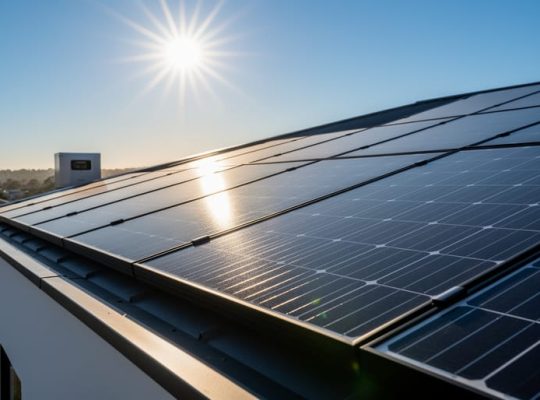
In today’s data-driven industrial landscape, predictive maintenance has emerged as a transformative approach to equipment management, particularly in photovoltaic systems. By leveraging advanced analytics, artificial intelligence, and real-time sensor data, organizations can now anticipate potential failures before they occur, dramatically reducing downtime and maintenance costs. This proactive strategy represents a significant shift from traditional reactive or scheduled maintenance approaches, offering up to 40% reduction in maintenance costs and 70% decrease in equipment breakdowns.
A well-designed predictive maintenance plan combines sophisticated monitoring technology with strategic implementation protocols to optimize asset performance and reliability. Through continuous analysis of equipment behavior patterns, system operators can identify subtle changes that indicate potential issues, enabling precise intervention at the most cost-effective moment. This approach not only extends equipment lifespan but also maximizes operational efficiency, ensuring optimal return on investment for solar energy installations.
Understanding and implementing a predictive maintenance strategy has become crucial for facility managers and solar farm operators who seek to maintain competitive advantage in an increasingly demanding market. The integration of smart sensors, machine learning algorithms, and automated diagnostic tools creates a comprehensive maintenance ecosystem that drives operational excellence while minimizing resource expenditure.
The Evolution of PV System Maintenance
Traditional vs. AI-Driven Maintenance
Traditional maintenance approaches rely heavily on fixed schedules and reactive responses to system failures. While these essential solar PV maintenance practices have served the industry for years, they often result in unnecessary maintenance costs and unexpected downtime. AI-driven maintenance, by contrast, leverages advanced algorithms and real-time data analysis to predict potential failures before they occur.
The key differential lies in the ability of AI systems to continuously monitor performance metrics, weather conditions, and component health. While traditional methods might schedule inspections quarterly or annually, AI-powered solutions provide constant surveillance and immediate alerts when anomalies are detected. This proactive approach typically reduces maintenance costs by 25-30% and extends equipment lifespan by up to 20%.
Furthermore, AI systems can identify subtle patterns and correlations that human operators might miss. For instance, they can detect minimal changes in power output that could indicate early-stage degradation, allowing for intervention before significant performance losses occur. This predictive capability transforms maintenance from a reactive necessity into a strategic asset management tool.
The Cost Benefits of Predictive Maintenance
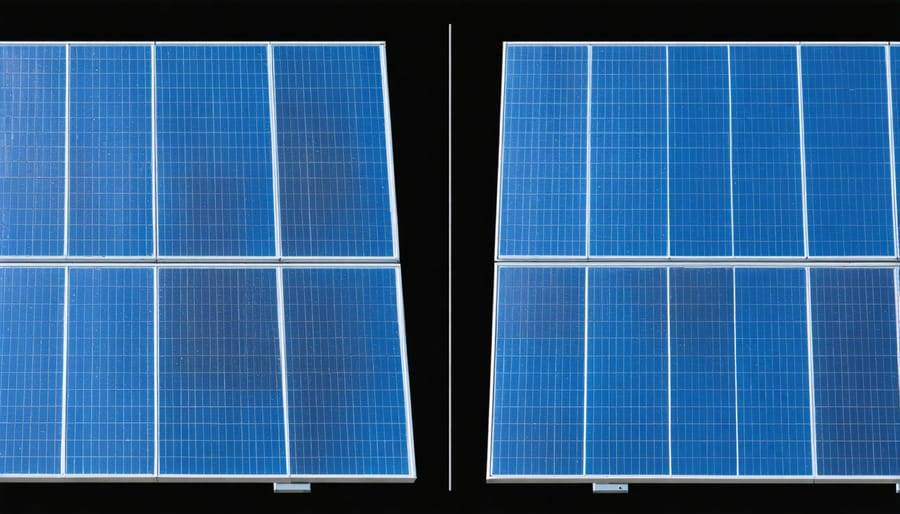
Implementing predictive maintenance in photovoltaic systems delivers substantial financial benefits through reduced operational costs and improved system efficiency. Studies indicate that organizations can achieve a 25-35% reduction in maintenance costs compared to reactive maintenance approaches. The primary cost advantages stem from preventing unexpected equipment failures, which typically result in expensive emergency repairs and production losses.
By detecting potential issues before they escalate, facilities can optimize their maintenance schedules and resource allocation. This proactive approach typically results in a 70% reduction in system downtime and a 50% decrease in spare parts inventory costs. Labor expenses are also significantly reduced as maintenance tasks can be planned and executed during regular working hours, eliminating premium charges for emergency services.
The return on investment (ROI) for predictive maintenance implementation usually becomes evident within 12-18 months. Organizations report an average increase in equipment lifespan of 20-40%, translating to substantial savings in replacement costs. Furthermore, optimized energy production through well-maintained systems can increase annual revenue by 3-5%, making predictive maintenance a financially sound investment for PV system operators.
The initial implementation costs are offset by long-term savings, with most facilities experiencing a positive ROI within the first year of deployment.
Core Components of AI-Driven Predictive Maintenance
Data Collection and Sensors
Effective predictive maintenance relies heavily on robust data collection infrastructure and advanced sensor networks. A comprehensive PV monitoring system typically incorporates multiple sensor types, including voltage and current sensors, temperature probes, irradiance meters, and weather stations.
These sensors continuously collect performance metrics such as power output, module temperature, string current, and environmental conditions. Modern data acquisition systems (DAS) sample these parameters at predetermined intervals, typically ranging from seconds to minutes, ensuring high-resolution temporal data for analysis.
Key monitoring equipment includes:
– String-level current monitors
– Inverter-integrated sensors
– Infrared thermal cameras
– Environmental sensors
– Power quality analyzers
– Module-level optimizers with built-in monitoring
Data collection methods have evolved to include wireless sensor networks, reducing installation complexity and enabling real-time data transmission. Cloud-based platforms aggregate this information, creating comprehensive databases for analysis. The integration of IoT devices has further enhanced data collection capabilities, allowing for more granular monitoring and faster response times to potential issues.
Quality assurance protocols ensure data accuracy through regular sensor calibration and validation procedures, maintaining the reliability of the predictive maintenance system.

AI Analytics and Machine Learning Models
Artificial Intelligence and Machine Learning models form the backbone of modern predictive maintenance systems in photovoltaic installations. These sophisticated algorithms analyze data streams from solar monitoring systems to identify patterns and anomalies that might indicate potential equipment failures or performance degradation.
The AI systems typically employ multiple analytical approaches, including regression analysis for performance forecasting, classification algorithms for fault detection, and neural networks for pattern recognition. These models process both historical and real-time data, considering variables such as weather conditions, equipment age, performance metrics, and maintenance records to generate accurate predictions.
Machine Learning algorithms continuously improve their accuracy through iterative learning processes. As more operational data becomes available, the models refine their predictive capabilities, reducing false positives and enhancing maintenance scheduling precision. This self-improving aspect ensures that maintenance recommendations become increasingly reliable over time.
The AI system categorizes maintenance needs into different priority levels based on factors such as failure probability, potential impact on system performance, and replacement part availability. This hierarchical approach enables maintenance teams to optimize their resources and schedule interventions before critical failures occur, significantly reducing downtime and maintenance costs while maximizing system efficiency.
Integration with IoT sensors and advanced monitoring platforms allows these AI models to provide real-time alerts and detailed diagnostic information, empowering maintenance teams with actionable insights for proactive system management.
Automated Alert Systems
Automated alert systems form the backbone of modern predictive maintenance strategies in photovoltaic installations. These systems continuously monitor key performance indicators and equipment health metrics through an interconnected network of sensors and data collection points. When potential issues are detected, the system automatically generates notifications through multiple channels, ensuring rapid response from maintenance teams.
The notification hierarchy typically operates on three levels of urgency. Critical alerts, indicating immediate system risks, are sent via SMS, email, and push notifications simultaneously to designated emergency response personnel. High-priority warnings, suggesting developing issues that require attention within 24-48 hours, are communicated through email and dashboard notifications. Regular maintenance alerts are integrated into weekly planning schedules through the facility’s maintenance management software.
These systems utilize machine learning algorithms to minimize false alarms while maintaining high sensitivity to genuine issues. The alert parameters are continuously refined based on historical data and actual maintenance outcomes, improving accuracy over time. Integration with work order management systems enables automatic task creation and resource allocation, streamlining the maintenance workflow.
Modern alert systems also provide detailed diagnostic information alongside notifications, enabling maintenance teams to prepare appropriate tools and replacement parts before arriving on site. This proactive approach significantly reduces system downtime and optimizes maintenance efficiency, ultimately contributing to improved solar plant performance and reliability.

Implementing a Predictive Maintenance Strategy
Assessment and Planning
The foundation of an effective predictive maintenance strategy begins with a comprehensive assessment of your photovoltaic system’s current state and operational requirements. This initial phase involves collecting baseline data about system components, performance metrics, and historical maintenance records to establish performance benchmarks. Understanding these factors is crucial for solar panel longevity and optimal system performance.
Key assessment components include analyzing equipment specifications, environmental conditions, and operational patterns. Facility managers should document existing maintenance procedures, identify critical components, and evaluate potential failure modes. This information helps determine appropriate monitoring parameters and establish threshold values for predictive analytics.
The planning phase focuses on defining clear objectives, selecting appropriate monitoring technologies, and establishing data collection protocols. Consider factors such as sensor placement, data storage requirements, and integration with existing management systems. Develop a timeline for implementation, allocate resources, and identify necessary training requirements for maintenance personnel.
Success metrics should be established during this phase, including target uptime percentages, maintenance cost reduction goals, and expected performance improvements. These metrics will serve as benchmarks for evaluating the effectiveness of your predictive maintenance program once implemented. Remember to account for regulatory requirements and safety standards specific to photovoltaic installations when developing your maintenance strategy.
Technology Integration
Modern predictive maintenance relies heavily on the integration of advanced technologies to collect, analyze, and interpret data effectively. The foundation of this system begins with the strategic placement of Internet of Things (IoT) sensors throughout the photovoltaic installation. These sensors continuously monitor key parameters including temperature, voltage, current, irradiance, and environmental conditions.
Data acquisition systems (DAS) serve as the central nervous system, collecting information from multiple sensor points and transmitting it to cloud-based storage platforms. This real-time data collection enables immediate detection of performance anomalies and potential system failures.
Artificial Intelligence and Machine Learning algorithms process this data stream, identifying patterns and trends that might escape human observation. These systems learn from historical performance data, improving their predictive accuracy over time. The AI models can forecast potential equipment failures weeks or even months in advance, allowing maintenance teams to plan interventions strategically.
SCADA (Supervisory Control and Data Acquisition) systems integrate with these technologies to provide comprehensive monitoring and control capabilities. Modern SCADA platforms offer user-friendly dashboards that display real-time system status, maintenance alerts, and performance metrics.
To ensure successful technology integration, organizations should:
– Implement robust cybersecurity measures
– Ensure sensor calibration and regular validation
– Maintain reliable network connectivity
– Train staff on system operation and data interpretation
– Establish clear protocols for data management and backup
This technological framework forms the backbone of an effective predictive maintenance strategy, enabling proactive rather than reactive maintenance approaches.
Staff Training and Adaptation
The successful implementation of a predictive maintenance plan hinges heavily on proper staff training and organizational adaptation. Maintenance teams must develop new competencies in data analysis, digital tool operation, and predictive technology utilization. This requires a structured training program that covers both technical skills and theoretical understanding of predictive maintenance principles.
Organizations should establish a comprehensive training curriculum that includes hands-on experience with monitoring systems, data interpretation workshops, and troubleshooting scenarios. Regular assessment and certification programs ensure that staff members maintain and upgrade their skills as technology evolves. Cross-training between departments also promotes better collaboration and knowledge sharing.
Change management plays a crucial role in transitioning from traditional maintenance approaches to predictive strategies. Leadership must clearly communicate the benefits and expectations while addressing concerns and resistance to change. Creating a supportive environment that encourages continuous learning and improvement helps staff embrace new methodologies.
To ensure sustainable adoption, organizations should:
– Develop clear standard operating procedures
– Establish mentorship programs
– Provide ongoing technical support
– Create feedback channels for process improvement
– Regular update training materials to reflect technological advances
Investment in staff development yields significant returns through improved system reliability, reduced downtime, and more efficient resource allocation. Regular evaluation of training effectiveness helps refine the program and ensures maintenance teams remain capable of maximizing the benefits of predictive maintenance technologies.
The integration of AI-driven predictive maintenance in photovoltaic systems represents a significant advancement in solar energy management, offering compelling benefits that extend beyond traditional maintenance approaches. Through the systematic analysis of real-time data and machine learning algorithms, organizations can now anticipate potential failures, optimize performance, and significantly reduce operational costs.
The implementation of predictive maintenance strategies has demonstrated substantial improvements in system reliability, with studies showing up to 30% reduction in unexpected downtime and a 25% decrease in maintenance costs. These improvements directly translate to enhanced energy production efficiency and extended equipment lifespan, making solar power generation more sustainable and economically viable.
Looking ahead, the future of predictive maintenance in PV systems appears increasingly promising. Technological advancements in sensor capabilities, data analytics, and artificial intelligence continue to evolve, offering more sophisticated and accurate prediction models. The integration of edge computing and IoT devices is expected to further enhance real-time monitoring capabilities, enabling faster response times and more precise maintenance scheduling.
Industry trends suggest that predictive maintenance will become increasingly accessible to smaller solar installations, democratizing advanced maintenance capabilities across the sector. This accessibility, coupled with improving cost-effectiveness of implementation, positions predictive maintenance as a standard practice rather than a luxury in PV system management.
The environmental impact of these developments cannot be understated. By optimizing system performance and reducing component failures, predictive maintenance contributes to maximizing clean energy generation while minimizing waste from premature equipment replacement. This aligns perfectly with the broader goals of sustainable energy production and responsible resource management.
As we move forward, collaboration between industry stakeholders, research institutions, and technology providers will be crucial in advancing predictive maintenance capabilities. The continued development of standardized practices and integration protocols will facilitate wider adoption, ultimately leading to a more resilient and efficient solar energy infrastructure. This evolution in maintenance strategy represents not just a technological advancement, but a fundamental shift toward more intelligent and sustainable energy management practices.