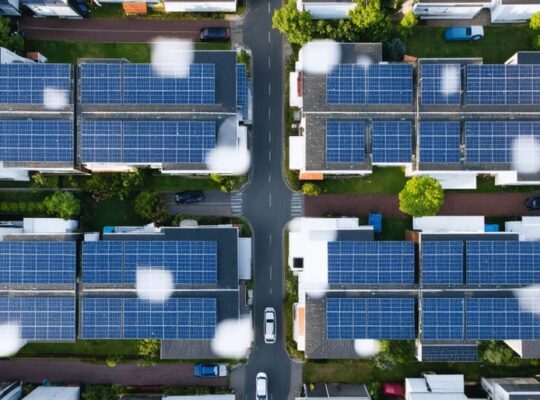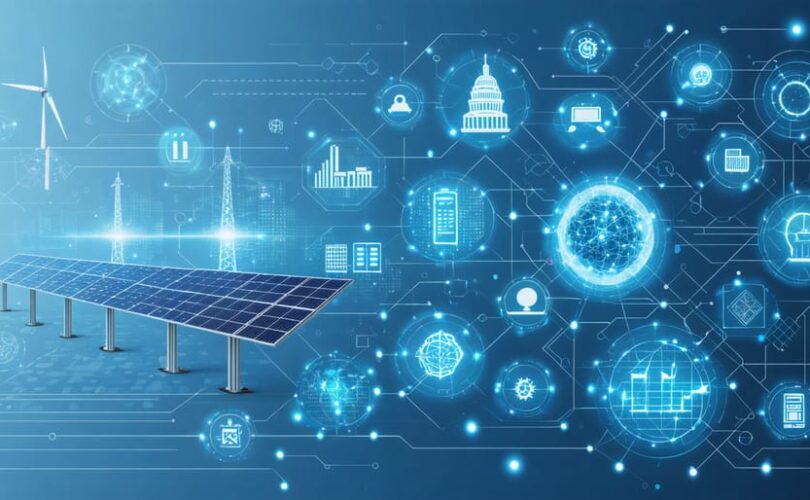
Grid resilience stands at the forefront of our energy future, driven by unprecedented collaboration between utilities, technology innovators, and research institutions. As renewable energy adoption accelerates, smart grid integration has become critical for maintaining power system stability and reliability. Strategic partnerships between utility operators, technology developers, and academic institutions are revolutionizing how we approach grid modernization, creating robust solutions for tomorrow’s energy challenges.
These innovative collaborations are delivering breakthrough technologies in grid monitoring, advanced control systems, and predictive maintenance capabilities. By combining real-time data analytics with artificial intelligence, these partnerships are developing adaptive grid systems that can automatically respond to fluctuating demand patterns and integrate increasing amounts of renewable energy sources.
The convergence of public and private sector expertise has accelerated the deployment of cutting-edge solutions, from advanced energy storage systems to sophisticated demand response programs. This collaborative approach not only enhances grid reliability but also creates a framework for sustainable energy distribution that benefits both providers and consumers, while supporting the transition to a more resilient and sustainable power infrastructure.
The Evolution of Grid Resilience in Solar PV Systems

Traditional Grid Vulnerabilities
Traditional power grids face several inherent vulnerabilities that can significantly impact solar PV integration and overall system reliability. Centralized generation and distribution networks are particularly susceptible to single-point failures, which can cascade into widespread outages affecting numerous connected solar installations. Weather-related events, such as severe storms and extreme temperatures, frequently stress grid infrastructure beyond its designed capacity.
Physical infrastructure limitations, including aging transformers and outdated transmission lines, often struggle to accommodate bidirectional power flows characteristic of solar PV systems. This creates voltage regulation challenges and potential system instability. Cybersecurity threats pose another critical vulnerability, as increasingly digitized grid operations become attractive targets for malicious actors.
Load balancing issues emerge when solar generation peaks don’t align with demand patterns, potentially leading to grid congestion and curtailment of renewable resources. Additionally, traditional grids typically lack adequate energy storage capabilities, making it difficult to maintain stability during rapid fluctuations in solar power output. These vulnerabilities underscore the urgent need for innovative solutions and strategic partnerships to enhance grid resilience and optimize solar PV performance.
Modern Resilience Requirements
Modern grid resilience standards have evolved significantly to address the increasing complexity of grid-connected photovoltaic systems. Today’s installations must meet stringent requirements for voltage regulation, frequency control, and fault ride-through capabilities. These standards ensure that solar installations can maintain stability during grid disturbances and contribute to overall system reliability.
Key requirements include advanced inverter functionality with reactive power support, dynamic voltage control, and rapid response to grid events. Systems must demonstrate the ability to operate within specified frequency ranges and maintain connection during short-term voltage fluctuations. Additionally, modern installations are expected to provide grid support services, such as frequency regulation and voltage control, contributing to grid stability rather than merely consuming or producing power.
Remote monitoring capabilities and automated control systems are now standard requirements, enabling rapid response to grid conditions and seamless integration with utility management systems. These features allow for real-time adjustment of power output and system parameters, ensuring optimal performance while maintaining grid stability.
Strategic Innovation Partnerships
Research Institution Collaborations
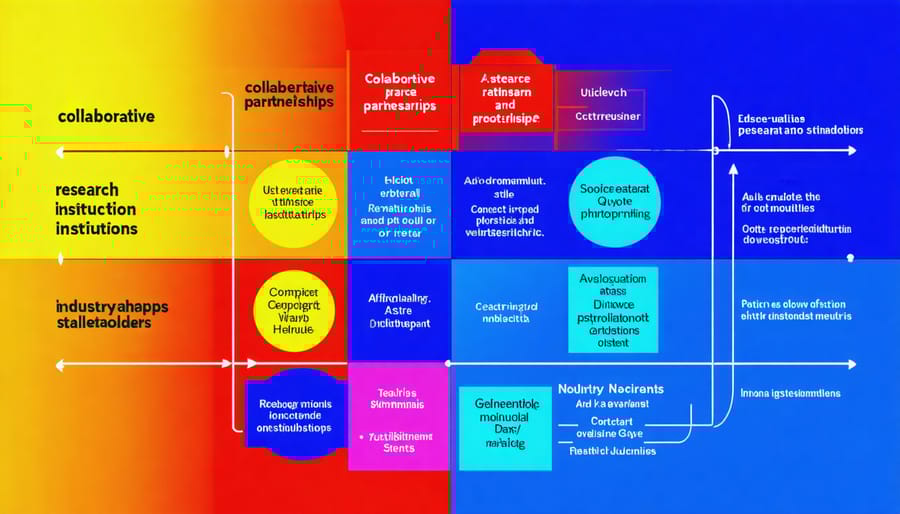
Research institutions and universities play a pivotal role in advancing grid resilience through collaborative partnerships with industry stakeholders. These academic partnerships facilitate groundbreaking research in areas such as advanced control systems, predictive analytics, and innovative storage solutions for grid stability.
Leading universities contribute significant resources and expertise through specialized research centers focused on power systems engineering and renewable energy integration. These centers typically combine theoretical research with practical applications, utilizing state-of-the-art laboratories and simulation facilities to test new grid technologies before field deployment.
The collaboration between academic institutions and utility companies has led to several breakthrough innovations, including advanced microgrid architectures, smart inverter technologies, and sophisticated demand response systems. Graduate students and faculty researchers work alongside industry professionals to develop and validate new approaches to grid management and resilience.
These partnerships also foster knowledge transfer through joint research publications, technical workshops, and specialized training programs. Many universities have established dedicated power systems laboratories that serve as testing grounds for new grid technologies and provide hands-on experience for future power systems engineers.
The academic-industry collaboration model has proven particularly effective in addressing complex grid challenges, as it combines the theoretical expertise of academic researchers with the practical experience of industry professionals. This synergy accelerates the development and implementation of innovative solutions for enhanced grid stability and reliability.
Industry-Utility Synergies
Manufacturers and utilities have developed sophisticated collaborative frameworks to enhance grid resilience through strategic partnerships. These relationships typically begin with comprehensive assessments of grid vulnerabilities and specific regional challenges, followed by the joint development of targeted solutions.
Utility companies provide critical operational data and real-world testing environments, while manufacturers contribute technical expertise and innovative technologies. This symbiotic relationship has led to the development of advanced grid management systems, smart inverters, and automated fault detection mechanisms that significantly improve grid stability.
Key collaboration areas include the implementation of advanced metering infrastructure (AMI), distribution automation systems, and grid-edge devices. Manufacturers work closely with utilities to customize equipment specifications and control algorithms that address specific grid challenges while meeting regulatory requirements.
These partnerships often extend beyond hardware solutions to include shared research initiatives and pilot programs. For example, several major utilities have established innovation labs where manufacturers can test new technologies under real-world conditions. This arrangement accelerates the deployment of proven solutions while minimizing implementation risks.
The success of these collaborations is evident in improved grid reliability metrics and reduced system restoration times following disruptions. Regular feedback loops between utilities and manufacturers ensure continuous improvement of resilience strategies and the rapid integration of technological advances into existing infrastructure.
Advanced Technical Solutions
Smart Inverter Technologies
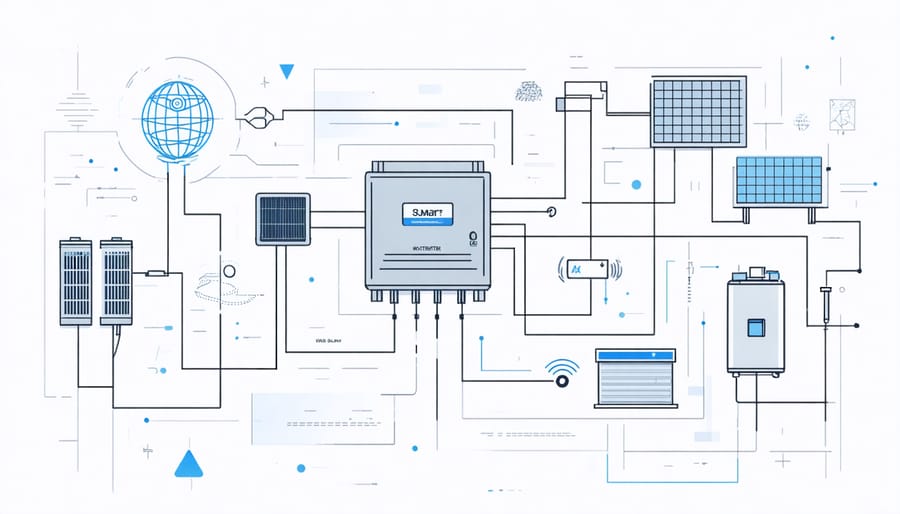
Smart inverter technologies represent a crucial advancement in modern grid integration, with utility interactive inverters leading the transformation of power distribution systems. These sophisticated devices offer multiple grid-support functions, including voltage regulation, frequency response, and power factor correction, which significantly enhance grid stability and reliability.
Advanced inverter capabilities now include real-time communication with grid operators, allowing for dynamic response to grid conditions. This bi-directional communication enables precise control over power flow and helps maintain grid frequency within acceptable limits. The integration of artificial intelligence and machine learning algorithms further enhances these capabilities, enabling predictive maintenance and optimized performance.
Key features of modern smart inverters include low-voltage ride-through (LVRT), which allows systems to remain connected during brief grid disturbances, and anti-islanding protection, ensuring safety during power outages. Additionally, these systems can provide reactive power support, helping to stabilize voltage levels across the distribution network.
Recent developments in smart inverter technology have introduced advanced grid-forming capabilities, enabling these devices to establish and maintain grid stability even in scenarios with high renewable energy penetration. This functionality is particularly crucial for microgrids and remote power systems, where maintaining power quality and system stability presents unique challenges.
Energy Storage Integration
Battery energy storage systems (BESS) play a pivotal role in enhancing grid resilience through innovative energy storage solutions that address intermittency challenges in renewable energy generation. These systems serve multiple critical functions, including frequency regulation, voltage support, and load shifting, which collectively strengthen grid stability and reliability.
Modern grid partnerships increasingly incorporate advanced storage technologies to create more robust and flexible power networks. Large-scale battery installations, when strategically placed throughout the grid, provide essential backup power during outages and help maintain consistent energy supply during peak demand periods. This integration enables smoother incorporation of variable renewable energy sources while maintaining grid frequency and voltage within acceptable ranges.
The implementation of smart grid technologies alongside storage systems enables real-time monitoring and automated response to grid disturbances. These intelligent systems can rapidly dispatch stored energy to prevent cascading failures and maintain service continuity. Furthermore, distributed storage networks create multiple power delivery pathways, reducing single points of failure and enhancing overall system resilience.
Partnership initiatives between utilities, technology providers, and research institutions continue to advance storage integration capabilities. These collaborations focus on optimizing battery performance, developing advanced control algorithms, and implementing predictive maintenance strategies to maximize system reliability and operational efficiency.
Grid Management Systems
Modern grid management systems represent the backbone of resilient power distribution networks, combining advanced monitoring capabilities with sophisticated control mechanisms. These systems utilize real-time data analytics, artificial intelligence, and automated response protocols to maintain grid stability and optimize power flow management.
Central to these systems are Supervisory Control and Data Acquisition (SCADA) platforms, which provide operators with comprehensive visibility into grid performance metrics. Advanced sensors deployed throughout the network continuously monitor voltage levels, frequency variations, and power quality parameters, enabling rapid detection of potential disturbances before they escalate into major issues.
Smart inverters and power electronics play a crucial role in grid stabilization by automatically adjusting reactive power output and implementing fault ride-through capabilities. These devices work in conjunction with advanced metering infrastructure (AMI) to create a dynamic, responsive grid environment that can accommodate varying loads and intermittent renewable energy sources.
Distribution automation systems further enhance grid resilience by enabling self-healing capabilities. When faults occur, these systems can automatically isolate affected sections and reroute power through alternative pathways, minimizing service disruptions. Machine learning algorithms analyze historical performance data to predict potential equipment failures and optimize maintenance schedules.
The integration of these technologies creates a robust framework for maintaining grid stability while supporting the increasing penetration of renewable energy sources. Through continuous monitoring and automated control mechanisms, grid management systems ensure reliable power delivery while adapting to evolving energy landscapes.
Implementation Success Stories
Several notable grid resilience partnerships have demonstrated remarkable success in enhancing power system reliability and integration of renewable energy sources. The New York Power Authority’s collaboration with the Electric Power Research Institute (EPRI) exemplifies how strategic partnerships can drive innovation. Their joint implementation of advanced grid monitoring systems across 11 substations resulted in a 45% reduction in outage duration and improved response times by 30% during severe weather events.
In California, the Pacific Gas and Electric Company partnered with Tesla to create one of the world’s largest battery storage systems. This collaboration led to the successful deployment of a 182.5MW energy storage facility that provides critical grid support during peak demand periods and maintains stability during renewable energy fluctuations. The system has already prevented three major outages and reduced dependency on fossil fuel peaker plants by 60%.
The Duke Energy and Siemens partnership in North Carolina showcases the power of public-private collaboration in grid modernization. Their smart grid initiative, incorporating advanced metering infrastructure and automated distribution systems, has improved power quality for over 7 million customers. The project achieved a 25% reduction in system losses and enhanced renewable energy integration capacity by 40%.
In Europe, the Danish transmission system operator Energinet’s partnership with universities and technology providers has revolutionized grid management. Their implementation of AI-based forecasting tools and dynamic line rating systems has enabled the integration of 50% wind power into the grid while maintaining 99.99% reliability. This success has become a model for other European nations pursuing aggressive renewable energy goals.
The Australian Energy Market Operator’s collaboration with local utilities and research institutions demonstrates the effectiveness of multi-stakeholder partnerships. Their Virtual Power Plant (VPP) program, connecting thousands of residential solar and battery systems, has created a distributed energy resource capable of providing 250MW of grid support. This initiative has reduced grid infrastructure costs by $30 million and improved system resilience during extreme weather events.
These success stories highlight how well-structured partnerships can deliver tangible improvements in grid reliability, renewable energy integration, and system efficiency. The common thread among these examples is the combination of technological innovation, stakeholder collaboration, and clear performance metrics, providing valuable blueprints for future grid resilience initiatives.
Grid resilience and innovation partnerships are transforming the future of power distribution systems through collaborative efforts between utilities, technology providers, research institutions, and regulatory bodies. These partnerships have demonstrated significant success in developing advanced monitoring systems, implementing smart grid technologies, and creating more robust infrastructure solutions. Looking ahead, the integration of artificial intelligence, machine learning, and advanced data analytics will further enhance grid reliability and adaptability. The emergence of new storage technologies and distributed energy resources presents promising opportunities for grid modernization. As climate challenges intensify, these partnerships will become increasingly vital in ensuring power system stability and resilience. The continued evolution of regulatory frameworks and funding mechanisms will support the next generation of grid innovations, ultimately leading to a more sustainable and reliable energy future.