
Transform your career in the rapidly expanding solar industry through professional PV installer training. As the renewable energy sector grows exponentially, qualified solar installers remain in high demand, commanding competitive salaries and enjoying stable career prospects. Getting started with PV installation requires comprehensive technical education, hands-on experience, and industry-recognized certifications.
Professional PV installer training programs combine theoretical knowledge of solar technology, electrical systems, and safety protocols with practical installation experience. These programs typically span 3-6 months, culminating in NABCEP certification – the gold standard in solar installation credentials. Through structured learning modules, apprenticeships, and supervised field work, aspiring installers develop the essential skills needed to design, install, and maintain sophisticated photovoltaic systems.
The investment in quality PV installer training pays dividends through increased earning potential, career advancement opportunities, and the satisfaction of contributing to a sustainable energy future. Leading training programs incorporate the latest industry innovations, safety standards, and installation methodologies, ensuring graduates enter the workforce fully prepared for the technical demands of solar installation projects.
Core Technical Skills for PV Installation Success
Electrical Systems and Safety Protocols
Understanding electrical systems is fundamental to PV installation, requiring comprehensive knowledge of DC and AC circuits, voltage calculations, and grounding principles. Installers must master both theoretical concepts and practical applications while adhering to essential safety protocols throughout the installation process.
Training programs emphasize National Electrical Code (NEC) requirements specific to solar installations, including proper wire sizing, overcurrent protection, and disconnect placement. Students learn to interpret electrical diagrams, perform voltage drop calculations, and implement appropriate grounding techniques for both roof-mounted and ground-mounted systems.
Safety training covers personal protective equipment (PPE) usage, arc flash protection, and lockout/tagout procedures. Installers must demonstrate proficiency in identifying electrical hazards, implementing emergency response procedures, and maintaining proper isolation during maintenance activities.
Key focus areas include:
– Conductor selection and ampacity calculations
– System grounding requirements and methods
– Surge protection device installation
– Disconnecting means and overcurrent protection
– Equipment bonding and grounding
– Safety procedures for working with energized equipment
These electrical fundamentals form the backbone of PV installation expertise, ensuring systems operate safely and efficiently while meeting all regulatory requirements and industry standards.
PV System Components and Integration
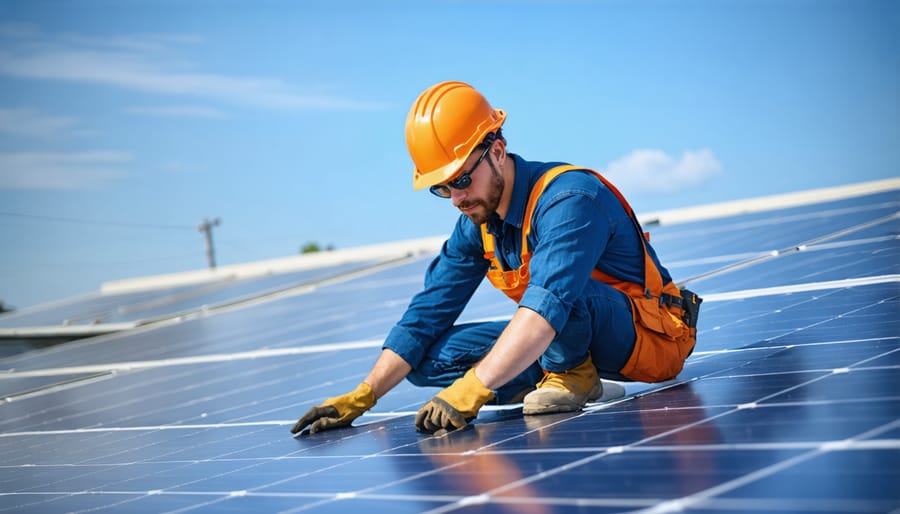
Understanding the core components of a solar PV system and their proper integration is fundamental to successful installation practices. Training programs emphasize comprehensive knowledge of solar modules, mounting systems, inverters, and electrical equipment. Students learn to assess and implement various mounting solutions, including roof-mounted, ground-mounted, and tracking systems, while considering structural integrity and local building codes.
A critical aspect of PV system integration involves mastering inverter technology and electrical connections. Training covers both string and microinverter configurations, DC-to-AC conversion principles, and optimal system sizing calculations. Participants develop expertise in proper wire management, grounding techniques, and safety equipment installation.
The curriculum includes hands-on experience with monitoring systems, disconnect switches, and overcurrent protection devices. Students learn to properly sequence installation steps, from initial site assessment through final system commissioning. Special attention is given to weatherization techniques, ensuring long-term system reliability and performance.
Professional training also covers the integration of energy storage systems, smart monitoring solutions, and grid connection requirements. Participants gain practical experience in troubleshooting common installation challenges and implementing quality control measures throughout the installation process. This comprehensive approach ensures installers can deliver safe, efficient, and code-compliant solar energy systems.
Hands-On Training Components
Laboratory and Simulation Exercises
Laboratory and simulation exercises form a crucial component of PV installer training, providing hands-on experience in a controlled environment before working on actual installations. These exercises typically take place in purpose-built training facilities equipped with mock rooftops, electrical systems, and various types of solar panels and mounting systems.
Students practice essential skills such as panel placement, racking system assembly, and electrical connections using industry-standard tools and equipment. Advanced training facilities often incorporate virtual reality (VR) simulators that allow trainees to experience different installation scenarios and troubleshooting situations without physical risk.
The laboratory setting enables instructors to demonstrate proper safety protocols, including fall protection techniques and electrical safety measures. Trainees learn to handle specialized tools, conduct system testing, and perform quality control checks under close supervision. Many facilities feature different roof types and angles, allowing students to gain experience with various installation configurations they might encounter in the field.
Simulation software plays an important role in teaching system design and performance analysis. Students learn to use industry-standard software for shade analysis, energy production calculations, and system layout optimization. These digital tools help trainees understand how environmental factors and installation decisions impact system efficiency.
Weather-resistant indoor facilities ensure that training can continue regardless of outdoor conditions, maintaining consistent learning schedules. This controlled environment also allows for detailed examination of components and systematic practice of installation techniques without time pressure.

Field Installation Practice
Field installation experience forms a crucial component of comprehensive PV installer training, combining classroom knowledge with hands-on practical application. During supervised field training, apprentice installers work alongside experienced professionals to master essential installation techniques and safety protocols in real-world conditions.
Training typically begins with basic mounting system installation on mock rooftops or ground-mounted structures. Students learn proper techniques for installing racking systems, module placement, and securing components according to manufacturer specifications. This hands-on experience progresses to more complex tasks, including electrical wiring, inverter installation, and system commissioning.
Mentorship programs pair trainees with seasoned installers who provide guidance on best practices, troubleshooting methods, and industry standards. These relationships often extend beyond initial training, creating valuable professional networks and ongoing learning opportunities. Mentors also help trainees develop critical problem-solving skills by addressing common installation challenges and site-specific considerations.
On-site training emphasizes OSHA safety requirements, proper tool handling, and fall protection protocols. Students practice using personal protective equipment (PPE) while performing installations at height. They also learn to conduct thorough site assessments, identify potential hazards, and implement appropriate safety measures.
Many training programs incorporate real client projects under supervision, allowing students to experience the complete installation process from initial site survey to final system commissioning. This practical exposure helps develop project management skills, customer communication abilities, and quality control practices essential for successful career development in the solar industry.
Industry Certifications and Standards
NABCEP Certification Path
The North American Board of Certified Energy Practitioners (NABCEP) certification represents the gold standard in professional solar installation credentials. To obtain NABCEP certification, candidates must complete a structured pathway that includes both educational requirements and hands-on experience. The process begins with acquiring foundational knowledge through NABCEP Associate Program or equivalent training, which covers essential concepts in photovoltaic system design and installation.
Candidates must then accumulate documented installation experience, typically requiring at least 58 hours of advanced PV training and demonstration of 2,000 hours of installation work experience. This practical experience must include specific tasks such as system design, installation, commissioning, and maintenance under qualified supervision.
The final step involves passing the NABCEP PV Installation Professional Certification Exam, a rigorous test that evaluates comprehensive knowledge of industry standards, safety protocols, and best practices. The exam covers topics including site assessment, system design, installation methods, electrical requirements, and maintenance procedures.
Maintaining NABCEP certification requires ongoing professional development and recertification every three years, ensuring certified installers stay current with evolving industry standards and technologies. This commitment to continuous learning and professional excellence makes NABCEP certification highly valued by employers and customers alike.
Additional Industry Credentials
Beyond the essential NABCEP certification, PV installers can enhance their credentials through several valuable industry certifications. The UL PV System Installation Certification demonstrates expertise in safety standards and installation best practices, while the IREC Certified Clean Energy Trainer certification qualifies professionals to educate others in solar installation techniques.
The Electronics Technicians Association (ETA) offers the Photovoltaic Installer certification, which validates technical knowledge of PV system components and installation procedures. For those focusing on electrical aspects, obtaining a state electrical license or journeyman electrician certification can significantly boost career prospects.
Safety certifications like OSHA 10-Hour Construction Safety and Health certification are highly valued by employers. Additionally, manufacturer-specific certifications from major solar equipment producers can demonstrate expertise with particular products and systems.
Business-oriented professionals may benefit from project management certifications like the PMP (Project Management Professional) or LEED Green Associate certification, which focuses on sustainable building practices. These complementary credentials can open doors to leadership roles and specialized positions within the solar industry, particularly in commercial and utility-scale projects.
Career Development and Advanced Training
Specialization Opportunities
PV installers can enhance their expertise through various specialized training paths, allowing them to develop advanced skills in specific areas of solar technology. Understanding these advanced training strategies is crucial for career advancement and maintaining competitive edge in the renewable energy sector.
Key specialization areas include commercial-scale installations, which focus on large-scale project management and complex system design. Battery storage integration training enables installers to work with cutting-edge energy storage solutions, while specialized roof mounting courses develop expertise in different roofing materials and structural considerations.
Advanced monitoring and diagnostics training helps professionals troubleshoot sophisticated solar systems efficiently. Specialized certifications in micro-inverter technologies and power electronics provide deeper technical knowledge for optimizing system performance.
Design software proficiency programs teach installers to use industry-standard tools for system modeling and performance analysis. Safety leadership certification prepares experienced installers for supervisory roles, while off-grid system specialization focuses on standalone power solutions for remote locations.
These specializations typically require completion of foundational certification programs and practical experience. Many training providers offer modular learning paths, allowing professionals to build expertise progressively while maintaining their current work commitments.
Industry Networking and Professional Growth
Building a strong professional network is crucial for success in the solar installation industry. Start by joining prominent industry associations such as the Solar Energy Industries Association (SEIA) and the North American Board of Certified Energy Practitioners (NABCEP), which offer valuable networking opportunities and resources for professional development.
Attend solar industry trade shows, conferences, and workshops to connect with experienced professionals, manufacturers, and potential employers. These events provide opportunities to learn about the latest technological advancements, industry trends, and best practices while expanding your professional circle.
Consider participating in mentorship programs offered by established solar companies or industry organizations. These relationships can provide invaluable guidance, insider knowledge, and potential career opportunities. Additionally, engage with online professional communities and forums dedicated to renewable energy and solar installation to share experiences and stay informed about industry developments.
To advance your career, pursue specialized certifications and continuing education opportunities. Many manufacturers offer product-specific training programs that can enhance your expertise and make you more valuable to employers. Document your project experience and maintain a portfolio of successful installations to demonstrate your growing capabilities.
Network with local contractors, electrical companies, and renewable energy organizations to identify job opportunities and potential partnerships. Join local chambers of commerce and sustainable energy groups to establish connections within your community and build a reputation as a knowledgeable solar professional.
Embarking on a career as a PV installer offers tremendous opportunities in the rapidly growing solar energy sector. Throughout this comprehensive guide, we’ve explored the essential components of becoming a qualified solar installation professional, from foundational education requirements to advanced certification pathways.
The journey begins with acquiring fundamental technical knowledge through accredited training programs, followed by hands-on experience and professional certifications like NABCEP. These credentials demonstrate your expertise and commitment to industry standards, making you more attractive to potential employers and clients.
Key takeaways for aspiring PV installers include:
– Pursuing formal education through recognized institutions
– Gaining practical experience through apprenticeships or entry-level positions
– Obtaining relevant certifications and maintaining them through continuing education
– Staying updated with evolving industry standards and technologies
– Building a professional network within the solar community
To begin your career path, consider enrolling in a comprehensive training program that combines classroom instruction with practical fieldwork. Research local training providers, connect with industry professionals, and identify mentorship opportunities. Remember that successful PV installers continually invest in their professional development to stay competitive in this dynamic field.
The solar industry’s continued growth ensures strong career prospects for well-trained installers. By following the outlined educational pathway and maintaining high professional standards, you’ll be well-positioned to contribute to the renewable energy revolution while building a rewarding career.


