# Advanced Encapsulation Materials: The Critical Barrier Between Solar Cells and Environmental Degradation
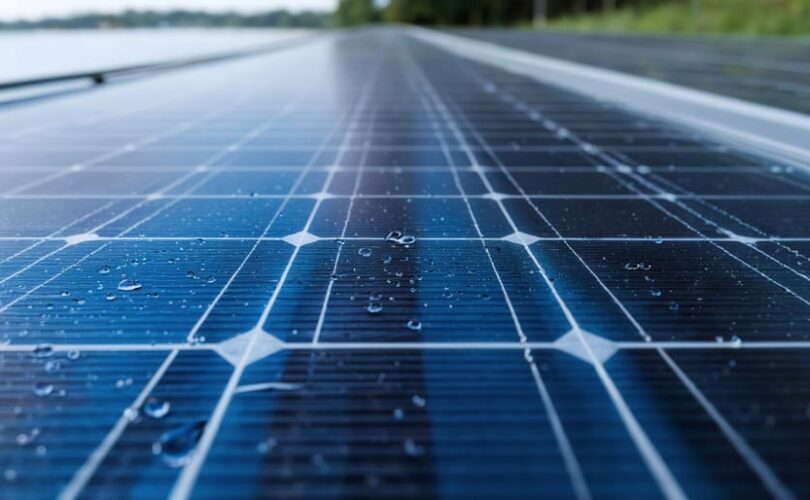
Encapsulation materials serve as the primary defense system protecting photovoltaic cells from moisture ingress, UV radiation, thermal stress, and mechanical damage—factors that can reduce panel efficiency by up to 30% within the first decade of operation. These polymer-based layers, typically ethylene vinyl acetate (EVA) or emerging alternatives like polyolefin elastomers (POE) and thermoplastic polyurethane (TPU), must maintain optical transparency exceeding 90% while withstanding temperature fluctuations from -40°C to 85°C across 25-year service lifetimes.
Modern encapsulation technology directly impacts the levelized cost of energy (LCOE) by determining panel durability, power output stability, and warranty compliance. As bifacial modules, high-efficiency cells, and building-integrated photovoltaics (BIPV) gain market share, material selection becomes increasingly complex—requiring careful evaluation of thermal conductivity, water vapor transmission rates (WVTR below 1 g/m²/day), and compatibility with advanced cell architectures like PERC and heterojunction technologies.
This comprehensive analysis examines proven encapsulation systems alongside emerging materials addressing industry challenges such as potential-induced degradation (PID), light-induced degradation (LID), and accelerated aging in harsh climates. Understanding these materials empowers engineers and researchers to specify appropriate solutions that balance performance requirements, manufacturing feasibility, and long-term reliability—ultimately advancing photovoltaic technology toward greater energy yield and extended operational lifespans.
What Encapsulation Materials Actually Do in Solar Panels
The Three-Layer Protection System
Solar panels rely on a sophisticated three-layer encapsulation system to protect photovoltaic cells from environmental stressors while maintaining optimal energy conversion. Understanding this PV module structure is fundamental for anyone entering the photovoltaic industry.
The **front encapsulant** serves as the primary barrier between solar cells and external elements. Positioned directly beneath the protective glass, this transparent layer must exhibit high optical transmittance to maximize light penetration while providing electrical insulation and moisture resistance. Its adhesive properties ensure strong bonding to both the glass cover and the solar cells.
At the core, **photovoltaic cells** are sandwiched between encapsulant layers, creating a protective cocoon that maintains cell alignment and prevents mechanical stress during temperature fluctuations.
The **back encapsulant** completes the protection system, working in conjunction with the backsheet to seal the module’s rear surface. This layer prevents moisture ingress from behind while accommodating thermal expansion and contraction cycles throughout the panel’s operational lifetime. Together, these three layers form an integrated barrier system that preserves cell efficiency, prevents delamination, and ensures long-term panel reliability under diverse environmental conditions.
Key Performance Requirements
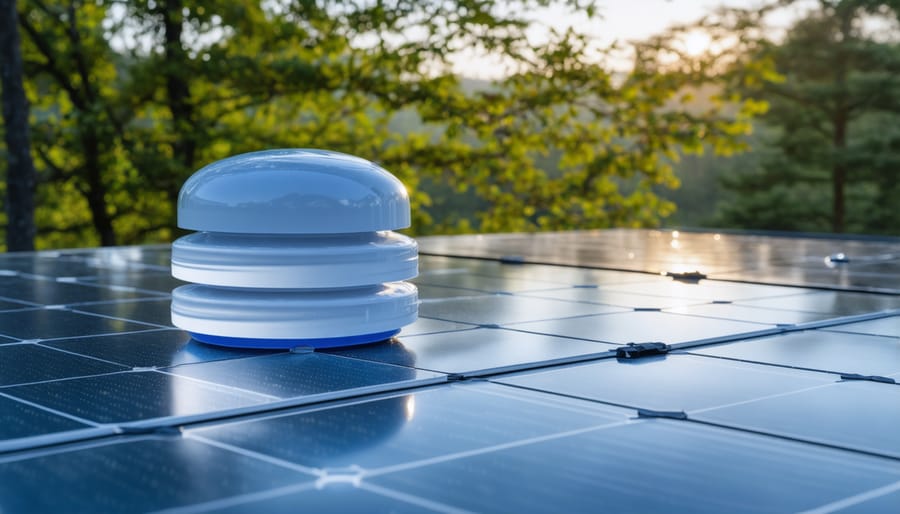
Encapsulation materials must meet stringent performance requirements to ensure photovoltaic modules withstand decades of environmental exposure. **UV resistance** stands paramount, as encapsulants face continuous solar radiation that can degrade polymer structures, leading to yellowing and reduced power output. Materials must demonstrate minimal degradation after prolonged UV exposure testing, typically exceeding 25 years of simulated conditions.
**Thermal stability** ensures encapsulants maintain structural integrity across temperature fluctuations ranging from -40°C to 85°C. This property prevents delamination and maintains adhesion during thermal cycling, which occurs daily as panels heat and cool. **Moisture barrier capabilities** protect sensitive photovoltaic cells from water vapor ingress, a primary cause of corrosion and performance degradation. Effective encapsulants exhibit water vapor transmission rates below 10 g/m²/day.
**Optical clarity** directly impacts energy conversion efficiency, requiring materials to maintain high light transmittance—typically above 90%—throughout their operational lifetime. Finally, **adhesion strength** between encapsulant layers, cells, and glass or backsheet materials prevents delamination under mechanical stress and environmental conditions. Research institutions collaborating with industry leaders continuously refine testing protocols to verify these critical properties, ensuring encapsulation materials meet evolving performance standards for next-generation photovoltaic systems.
Traditional Encapsulation Materials and Their Limitations
EVA: The Industry Standard
Ethylene-vinyl acetate (EVA) emerged as the photovoltaic industry’s encapsulation material of choice in the 1980s and maintains approximately 85% market share today. This transparent thermoplastic polymer revolutionized solar panel manufacturing through its exceptional balance of optical clarity, adhesion properties, and processing efficiency.
EVA’s dominance stems from several technical and economic advantages. The material exhibits excellent light transmission rates exceeding 90%, ensuring minimal energy losses. Its thermoplastic nature allows straightforward lamination at temperatures between 140-160°C, creating strong bonds with silicon cells, glass, and backsheet materials. During the curing process, cross-linking agents transform EVA from a flexible polymer into a durable, weather-resistant encapsulant that protects cells from moisture infiltration and mechanical stress.
The cost-performance equation particularly favors EVA. With established manufacturing infrastructure and streamlined processing techniques, EVA encapsulation costs remain competitive at approximately $0.02-0.03 per watt. This affordability, combined with proven field performance spanning decades, makes EVA the baseline standard against which emerging encapsulation materials are measured.
However, EVA does present limitations. Extended exposure to high temperatures and UV radiation can trigger degradation through acetic acid formation, potentially corroding cell components—a challenge that has spurred development of advanced alternatives for demanding applications.
Common Failure Mechanisms
Despite rigorous testing and quality controls, encapsulation materials face several degradation pathways that compromise photovoltaic panel performance over time. Understanding these failure mechanisms is essential for professionals working to extend panel longevity and maintain energy output.
**Discoloration** represents one of the most visible degradation forms, occurring when UV exposure and thermal cycling cause chemical changes in the encapsulant. Ethylene-vinyl acetate (EVA), the most common encapsulation material, can yellow or brown over time, reducing light transmission by up to 10-15% and directly diminishing power generation. This photochemical degradation accelerates in hot, humid climates where high temperatures catalyze acetic acid formation.
**Delamination** occurs when adhesive bonds between the encapsulant and adjacent layers—typically the glass cover, solar cells, or backsheet—deteriorate. Moisture ingress, thermal stress, and manufacturing defects contribute to this separation, creating air gaps that increase reflection losses and expose cells to corrosive elements. Research conducted in collaboration with universities has shown that delamination can reduce panel efficiency by 5-20% depending on severity.
**Corrosion facilitation** happens when compromised encapsulation allows moisture and oxygen to reach metallic components, particularly cell interconnects and junction boxes. This electrochemical process accelerates in the presence of acetic acid released from degrading EVA.
**Potential-Induced Degradation (PID)** occurs when voltage differences between the cell and frame drive ion migration through the encapsulant, particularly sodium ions from glass surfaces. This phenomenon can cause severe power losses—sometimes exceeding 30%—within just a few years of operation, especially in high-voltage system configurations.

Advanced Encapsulation Materials Revolutionizing PV Durability
Polyolefin Encapsulants (POE)
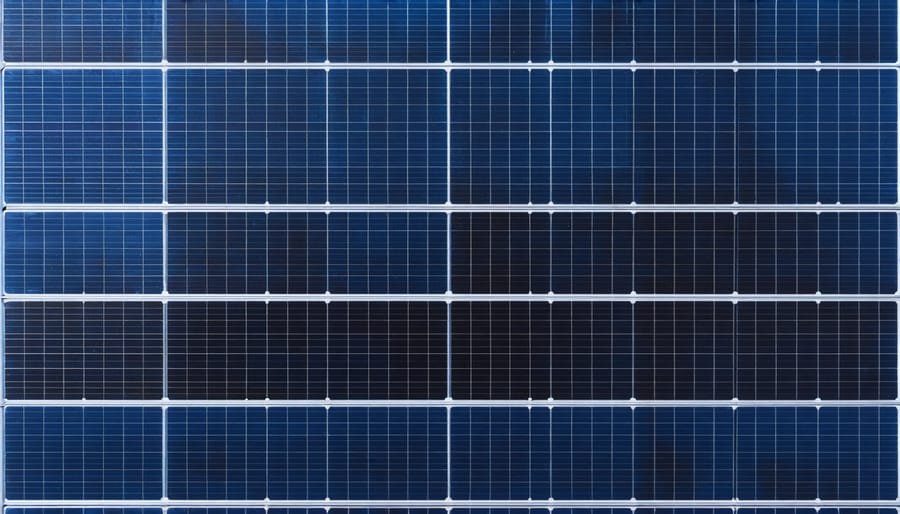
Polyolefin encapsulants (POE) represent a significant advancement in photovoltaic encapsulation technology, addressing critical performance limitations found in traditional EVA materials. These thermoplastic polyolefin-based encapsulants offer superior moisture barrier properties, with water vapor transmission rates up to 50% lower than EVA, substantially extending module operational lifetimes in humid environments.
POE’s molecular structure provides exceptional resistance to potential-induced degradation (PID), a phenomenon that can reduce panel efficiency by up to 30% in conventional modules. This characteristic makes POE particularly valuable for high-voltage system configurations where PID risks intensify. Research conducted through university collaborations has demonstrated that POE-encapsulated modules maintain over 95% of their initial power output after accelerated stress testing equivalent to 25 years of field exposure.
The material’s enhanced durability and optical stability have driven its widespread adoption in bifacial modules and high-efficiency cell technologies, including PERC and HJT architectures. POE’s lower processing temperatures reduce thermal stress on sensitive cell structures, enabling manufacturers to preserve the efficiency gains of advanced cell designs.
Market adoption has accelerated significantly, with POE encapsulants now representing approximately 30% of global production volume as of 2024. Leading manufacturers increasingly specify POE for premium module lines, particularly those targeting utility-scale projects requiring extended performance warranties. Despite higher material costs compared to EVA—typically 20-30% more expensive—the long-term reliability benefits justify the investment for performance-critical applications.
Thermoplastic Polyurethane (TPU)
Thermoplastic Polyurethane (TPU) represents a promising frontier in photovoltaic encapsulation technology, particularly for next-generation flexible and lightweight solar applications. Unlike traditional thermoset materials such as EVA, TPU is a thermoplastic polymer that can be repeatedly melted and reformed, offering significant recyclability advantages as the solar industry moves toward circular economy models.
TPU encapsulants deliver exceptional mechanical flexibility and high elongation capacity, making them ideal for building-integrated photovoltaics (BIPV), portable solar devices, and curved architectural installations. Research collaborations between industry leaders and universities have demonstrated TPU’s superior resistance to moisture ingress and improved impact tolerance compared to conventional encapsulants, critical factors for panels exposed to diverse environmental conditions.
The material’s inherent transparency maintains excellent optical transmission rates, typically exceeding 90% across the solar spectrum, while its low-temperature processing requirements reduce manufacturing energy consumption. TPU formulations can be tailored with UV stabilizers and anti-yellowing additives to enhance long-term durability. Although TPU encapsulants currently represent a higher initial investment than EVA, their recyclability profile, reduced weight, and compatibility with emerging thin-film and organic photovoltaic technologies position them as a strategic choice for innovative solar applications where flexibility and sustainability are paramount design considerations.
Silicone-Based Encapsulants
Silicone-based encapsulants represent a premium tier of protection for photovoltaic modules operating in the most demanding conditions. These materials, typically composed of polydimethylsiloxane (PDMS) polymers, excel where conventional encapsulants reach their performance limits. Their molecular structure provides exceptional thermal stability, maintaining integrity across temperature ranges from -40°C to +200°C without degradation—a critical advantage for installations in extreme climates.
The superior UV resistance of silicone encapsulants significantly reduces yellowing and mechanical breakdown over extended operational periods, often exceeding 30 years. This longevity makes them particularly valuable for utility-scale projects where replacement costs are prohibitive. Unlike EVA materials, silicones exhibit minimal water vapor transmission rates and excellent resistance to potential-induced degradation (PID), preserving electrical performance throughout the module’s lifetime.
Leading research institutions collaborating with industry partners have demonstrated that silicone encapsulants maintain 95% optical transmission after accelerated aging tests equivalent to decades of field exposure. While their higher cost compared to EVA materials—typically 3-5 times greater—initially deterred widespread adoption, decreasing prices and proven reliability are expanding their use beyond niche applications. Today’s aspiring photovoltaic professionals should recognize silicone encapsulants as the material of choice for high-reliability applications, including aerospace, automotive integration, and challenging environmental deployments where long-term performance justifies the premium investment.
Ionomer and Other Novel Materials
Ionomers represent a significant advancement in encapsulation technology, offering exceptional adhesion properties and enhanced moisture resistance compared to conventional EVA materials. These thermoplastic polymers contain ionic groups that create strong molecular bonds with solar cell components, improving long-term module reliability. Research collaborations between industry leaders and universities have demonstrated that ionomer-based encapsulants can reduce potential-induced degradation (PID) by up to 80% in laboratory testing.
Hybrid compositions combining multiple polymer systems show particular promise for next-generation modules. Polyolefin elastomer (POE) blends with cross-linking additives achieve superior UV stability while maintaining the processing advantages of traditional materials. Academic researchers are also exploring silicone-thermoplastic hybrids that could extend module lifespans beyond 30 years in harsh environments.
Emerging innovations include self-healing encapsulants containing microencapsulated healing agents that automatically repair micro-cracks, and transparent conducting encapsulants that could eliminate separate interconnection layers. While these materials remain primarily in research phases, educational programs now incorporate studies of these cutting-edge technologies to prepare the next generation of photovoltaic professionals for evolving industry demands. Testing protocols continue validating these materials’ performance under accelerated aging conditions before commercial deployment.
Performance Enhancements Beyond Material Selection
UV Stabilizers and Anti-Reflective Additives
Chemical additives play a critical role in maintaining encapsulant performance throughout a photovoltaic module’s operational lifetime. UV stabilizers, typically hindered amine light stabilizers (HALS) and UV absorbers, protect encapsulation materials from photodegradation caused by prolonged solar exposure. These compounds intercept harmful ultraviolet radiation before it can break down polymer chains, preventing the yellowing and embrittlement that reduce light transmission and compromise structural integrity.
Anti-reflective additives further optimize optical properties by minimizing surface reflection at material interfaces, allowing more photons to reach solar cells. This enhancement can improve overall module efficiency by 2-3% compared to untreated encapsulants. Modern formulations combine multiple additive systems to address both immediate performance needs and long-term degradation mechanisms.
Research collaborations between industry and universities continue advancing additive technology, developing next-generation stabilizer packages that extend module lifespans beyond 30 years while maintaining transparency levels above 90%. Understanding these chemical interventions enables photovoltaic professionals to specify appropriate encapsulation materials for diverse environmental conditions and performance requirements.
Moisture Barrier Technologies
Moisture infiltration remains one of the most critical challenges in photovoltaic module longevity. Advanced multi-layer encapsulation systems now employ strategic combinations of materials with complementary barrier properties—typically integrating ionomer-based encapsulants with glass substrates and specialized backsheets to create redundant moisture defense mechanisms. These architectures significantly reduce water vapor transmission rates compared to single-layer approaches.
Edge-sealing innovations represent another frontier in moisture protection. Traditional module edges have historically been vulnerable entry points for moisture. Contemporary solutions include butyl rubber edge tapes, silicone-based perimeter seals, and thermoplastic edge bands that bond directly to the encapsulant during lamination. Research collaborations between manufacturers and universities have yielded promising results with desiccant-integrated edge seals that actively absorb residual moisture.
Emerging technologies also explore atomic layer deposition for ultra-thin barrier coatings and self-healing polymer systems that repair micro-cracks before moisture penetration occurs. These advanced moisture barrier technologies extend module operational lifetimes beyond 30 years while maintaining performance warranties, addressing the industry’s growing demands for enhanced durability in diverse environmental conditions.
Manufacturing Process Innovations
Precision control during the manufacturing process directly influences encapsulant effectiveness and module longevity. Lamination temperature management proves critical—temperatures typically range between 140-150°C for EVA materials, ensuring complete polymer cross-linking while preventing cell damage. Advanced manufacturers employ multi-stage heating profiles that eliminate air pockets and achieve uniform adhesion across all layers.
Curing processes have evolved significantly, with vacuum lamination cycles optimized to remove trapped gases before encapsulant solidification. Modern facilities utilize real-time monitoring systems that track temperature distribution, pressure consistency, and curing completion across production batches. These automated quality control measures detect potential delamination risks before modules leave the production line.
Research collaborations with universities have advanced non-destructive testing methods, including electroluminescence imaging and infrared thermography, to verify encapsulation integrity. Leading manufacturers now implement statistical process control protocols that maintain consistent material properties, reducing field failures and extending warranty confidence. These innovations ensure encapsulants perform reliably throughout their 25-30 year service life.
Testing and Certification Standards for Encapsulation Materials
IEC Standards and Accelerated Testing
Photovoltaic modules must withstand decades of environmental exposure, making rigorous testing essential for validating encapsulation material performance. The IEC 61215 standard establishes the primary qualification requirements for crystalline silicon terrestrial photovoltaic modules, incorporating multiple accelerated stress tests that simulate long-term field conditions.
**Damp heat testing** subjects modules to 85°C temperature and 85% relative humidity for 1,000 hours, revealing how encapsulants resist moisture ingress and subsequent degradation. This protocol exposes vulnerabilities in adhesion, potential for delamination, and the material’s barrier properties against corrosive elements.
**Thermal cycling** involves 200 cycles between -40°C and 85°C, testing the encapsulant’s ability to accommodate thermal expansion mismatches between different module components. Materials that maintain strong adhesion and mechanical integrity through these temperature extremes demonstrate superior reliability.
**UV exposure testing** delivers 15 kWh/m² of UV radiation at specific wavelengths, assessing photochemical stability and yellowing resistance. Encapsulants that maintain optical clarity and mechanical properties after UV exposure indicate better long-term energy yield preservation.
These accelerated protocols compress 20-25 years of field exposure into weeks, enabling researchers and manufacturers to identify material weaknesses and predict field performance with greater confidence.
Real-World Performance Validation
Laboratory testing provides crucial baseline data, but real-world performance validation remains essential for understanding how encapsulation materials truly perform over decades of outdoor exposure. Field testing under actual operating conditions reveals degradation mechanisms that accelerated indoor tests may not fully replicate, including combined effects of UV radiation, temperature cycling, humidity, and mechanical stress.
Long-term outdoor exposure studies, often conducted through collaborations with universities and research institutions, track material performance across diverse climates—from desert heat to coastal humidity. These studies typically span 25-30 years, matching warranty periods, and provide invaluable data on how laboratory predictions translate to installed systems. Discrepancies between lab and field results inform material improvements and more accurate accelerated testing protocols.
Performance validation also helps manufacturers refine educational program offerings, ensuring aspiring professionals understand both theoretical material properties and practical limitations. Field data validates encapsulant selection criteria, confirming whether enhanced moisture barriers or UV-resistant formulations deliver promised benefits in specific geographical locations and installation configurations.
Economic and Environmental Considerations
Cost-Performance Analysis
While advanced encapsulation materials like POE and thermoplastic polyurethane initially cost 15-30% more than traditional EVA, the long-term financial benefits significantly outweigh upfront expenses. Premium encapsulants reduce degradation rates from 0.8% to as low as 0.4% annually, translating to 10-15% higher energy yield over a 25-year operational period. This enhanced performance directly impacts levelized cost of energy (LCOE), reducing it by approximately $0.01-0.02 per kilowatt-hour.
Maintenance cost reductions present another compelling advantage. Panels with superior moisture barriers experience fewer failures, decreasing warranty claims by up to 40% and eliminating costly field replacements. For large-scale installations, this represents substantial savings in logistics, labor, and downtime.
When calculating total cost of ownership, advanced encapsulation materials deliver return on investment within 7-10 years through improved energy production alone. Combined with extended module lifespans approaching 30-35 years versus the standard 25, these materials enable project developers to achieve better financing terms and improved bankability. Research partnerships between manufacturers and universities continue optimizing material formulations to further enhance cost-performance ratios, making advanced encapsulation increasingly accessible across market segments.
Recyclability and Circular Economy
Encapsulation material selection significantly influences solar panel recyclability and environmental impact throughout the product lifecycle. Traditional EVA-based encapsulants create strong adhesion that complicates cell recovery during end-of-life processing, requiring energy-intensive thermal or chemical treatments that reduce recycling efficiency and economic viability.
Emerging thermoplastic encapsulants, particularly ionomer-based materials and thermoplastic polyolefins (TPO), offer promising solutions for improved recyclability. Unlike thermoset EVA, thermoplastic materials can be softened through controlled heating, enabling non-destructive disassembly and efficient separation of valuable silicon cells, glass, and metals. This reversibility aligns with circular economy approaches that prioritize material recovery and reuse.
Research institutions are collaborating with manufacturers to develop encapsulants with “designed-for-disassembly” properties, incorporating debonding layers or materials that respond to specific stimuli for simplified separation. These innovations support industry sustainability goals, including the European Union’s requirement that 85% of panel mass be recycled by 2030. Educational programs increasingly emphasize lifecycle assessment and material selection criteria that balance performance, cost, and environmental responsibility, preparing professionals to implement sustainable photovoltaic technologies.
Selecting the Right Encapsulation for Different Applications
Climate-Specific Considerations
Environmental conditions significantly influence encapsulation material selection and panel longevity. In hot-humid climates like Southeast Asia, moisture ingress accelerates degradation, making materials with superior water vapor barrier properties essential. EVA formulations with enhanced moisture resistance or advanced polyolefin elastomers (POE) demonstrate improved durability in these regions. Desert environments present extreme UV exposure and thermal cycling challenges, requiring encapsulants with robust UV stabilizers and high-temperature tolerance—typically achieved through specialized EVA additives or silicone-based materials.
Cold climates demand encapsulants that maintain flexibility at low temperatures to prevent delamination during freeze-thaw cycles. POE materials excel here due to their enhanced low-temperature performance. Marine environments combine high humidity with salt exposure, creating corrosive conditions that necessitate encapsulants with excellent adhesion properties and chloride resistance. Research collaborations between industry and universities continue advancing climate-specific formulations, with field studies demonstrating that properly matched encapsulation materials can extend panel operational life by 20-30% in challenging environments compared to standard configurations.
Module Technology Matching
Encapsulation material selection must align with specific cell architectures to optimize performance and reliability. Monocrystalline and multi-crystalline modules traditionally utilize standard EVA encapsulants, though POE alternatives are increasingly popular for enhanced moisture resistance and reduced PID susceptibility.
PERC technology demands encapsulants with superior UV stability and low degradation rates to preserve the passivated rear surface. These modules benefit from advanced EVA formulations or POE materials that minimize acetic acid formation, which can corrode rear contacts.
Bifacial modules present unique challenges, requiring optically transparent encapsulants and backsheets to maximize rear-side light capture. Glass-glass configurations with POE encapsulation are preferred for their excellent transmittance and long-term stability.
Emerging technologies like tandem cells and perovskite-silicon hybrids require specialized encapsulants with enhanced thermal management properties and chemical compatibility. Research institutions and manufacturers collaborate to develop tailored encapsulation solutions that address the specific degradation mechanisms of these advanced architectures, ensuring optimal energy yield throughout the module’s operational lifetime.
Advanced encapsulation materials represent the cornerstone of photovoltaic panel longevity, directly determining whether modules achieve their promised 25-30 year operational lifespans or succumb to premature degradation. The evolution from traditional EVA to sophisticated multi-layer systems incorporating POE, thermoplastic polyurethane, and ionomer-based solutions reflects the industry’s commitment to enhancing durability under increasingly challenging environmental conditions. These material innovations address critical failure mechanisms—moisture ingress, UV degradation, potential-induced degradation, and thermal cycling stress—that have historically compromised panel performance.
For aspiring photovoltaic professionals, understanding encapsulation material properties is essential for informed decision-making in system design and procurement. The trajectory toward next-generation encapsulants with self-healing capabilities, enhanced barrier properties, and improved optical transmission demonstrates that material science remains a dynamic field with significant room for advancement. When evaluating PV modules, professionals should prioritize manufacturers demonstrating transparency in material specifications, compliance with IEC 61215 and IEC 61730 standards, and willingness to provide accelerated aging test data.
Quality verification extends beyond manufacturer claims. Engaging with independent testing laboratories, reviewing third-party certifications, and understanding the specific environmental stressors in deployment regions enables more accurate assessments of long-term reliability. As the renewable energy sector expands globally, the selection of appropriate encapsulation materials—informed by rigorous material science principles and validated performance data—will increasingly distinguish successful installations from underperforming assets, ultimately advancing the industry’s sustainability objectives.