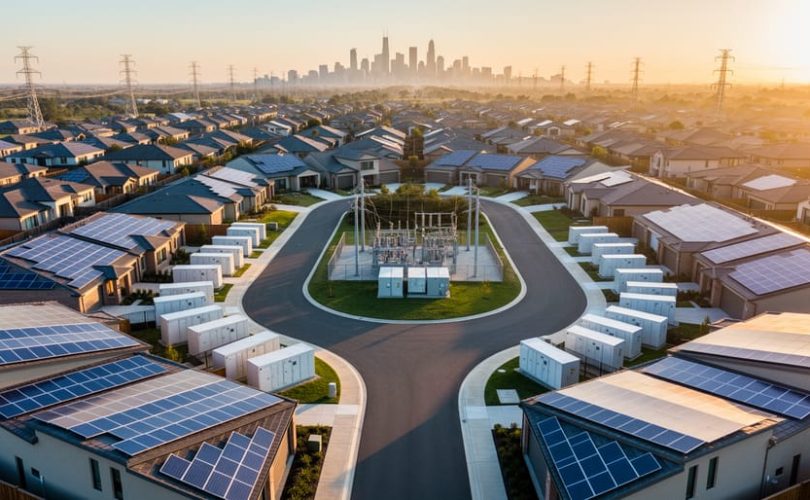
The solar industry stands at a critical inflection point where distributed energy resources must transition from isolated assets to coordinated grid participants. Distributed Energy Resource Management Systems (DERMS) platforms represent the technological backbone enabling this transformation, orchestrating thousands of solar installations, battery storage units, and other resources into cohesive virtual power plants that deliver grid services previously reserved for conventional generation.
DERMS technology addresses a fundamental challenge facing modern power systems: how to integrate variable renewable generation at scale while maintaining grid reliability and stability. Through real-time monitoring, advanced forecasting algorithms, and automated control capabilities, these platforms aggregate distributed photovoltaic systems into dispatchable resources that grid operators can reliably deploy for frequency regulation, voltage support, and peak demand management. The implications extend beyond technical performance to economic viability, as digital innovation transforms residential and commercial solar installations into revenue-generating grid assets.
Understanding DERMS functionality has become essential for solar professionals navigating the industry’s evolution toward grid-interactive systems. This technology bridges the gap between distributed generation and centralized grid operations, creating new market opportunities while solving critical infrastructure challenges. As regulatory frameworks increasingly mandate grid-supportive capabilities for new solar installations, DERMS platforms will determine which projects deliver both environmental benefits and financial returns in tomorrow’s dynamic energy markets.
What Is a DERMS Platform?
Core Components of DERMS Architecture
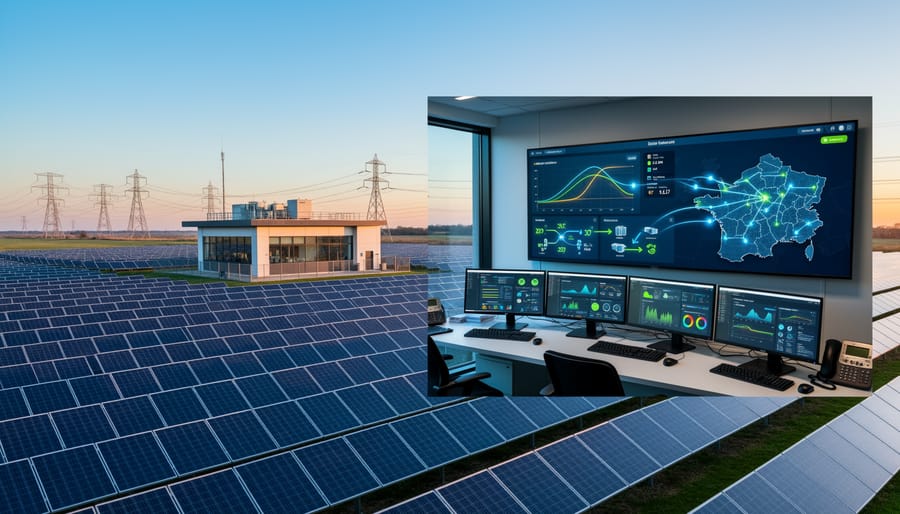
A robust DERMS platform consists of several interconnected technical layers that work in concert to manage distributed energy resources effectively. Understanding these core components is essential for professionals working with grid-interactive photovoltaic systems and virtual power plants.
The communication infrastructure forms the foundation, utilizing standardized protocols such as IEEE 2030.5, OpenADR, and Modbus to enable bidirectional data exchange between DERs and control systems. These protocols ensure interoperability across diverse equipment manufacturers and facilitate real-time communication necessary for grid stability. For photovoltaic installations, this layer transmits generation data, receives curtailment signals, and coordinates with inverter control systems.
The control and optimization engine represents the platform’s decision-making core. This component processes real-time grid conditions, electricity market signals, and weather forecasts to dispatch commands that optimize DER performance. Advanced algorithms balance multiple objectives including peak demand reduction, frequency regulation, and economic dispatch while respecting equipment constraints and grid operating limits.
Data analytics and forecasting capabilities provide predictive intelligence that distinguishes modern DERMS from basic control systems. Machine learning models analyze historical performance data, weather patterns, and consumption trends to generate accurate solar production forecasts and load predictions. These insights enable proactive grid management rather than reactive responses to changing conditions.
The integration layer serves as the bridge between DERMS and existing utility systems including SCADA, distribution management systems, and energy management platforms. This middleware translates data formats, synchronizes operations, and ensures cybersecurity through encrypted communications and authentication protocols. Many universities partnering with industry leaders are conducting research on enhancing these integration capabilities to support higher renewable penetration levels.
Together, these components create a comprehensive platform capable of transforming distributed photovoltaic systems into actively managed grid assets that enhance reliability while maximizing clean energy utilization.
How DERMS Differs from Traditional Solar Management
Traditional solar management systems operated on a fundamentally passive model, primarily focused on monitoring generation output and ensuring basic operational parameters remained within acceptable ranges. These legacy systems treated solar installations as one-directional energy sources, with limited capability beyond tracking performance metrics and generating historical reports. System operators received data after the fact, leaving little room for proactive optimization or grid interaction.
DERMS platforms represent a transformative shift toward active grid participation and intelligent resource coordination. Unlike their predecessors, smart PV systems enabled by DERMS engage in bidirectional communication with grid operators, responding dynamically to real-time conditions. This includes curtailing generation during oversupply periods, ramping up output when demand peaks, and providing ancillary services like frequency regulation and voltage support.
The optimization capabilities distinguish modern DERMS from traditional approaches. Rather than simply maximizing individual system output, DERMS balances multiple objectives simultaneously: grid stability requirements, economic signals from energy markets, storage system coordination, and demand-side management. Advanced forecasting algorithms predict generation patterns hours or days ahead, enabling proactive dispatch decisions rather than reactive responses.
Furthermore, DERMS aggregates distributed resources into coordinated fleets, transforming scattered installations into reliable, dispatchable assets. This aggregation capability allows smaller residential and commercial systems to participate in wholesale energy markets and provide grid services previously exclusive to large centralized power plants. The platform’s intelligence layer continuously learns from operational data, refining performance through machine learning algorithms that traditional systems entirely lacked.
Virtual Power Plants: Aggregating Solar Assets for Grid Services
The VPP Business Model for Solar
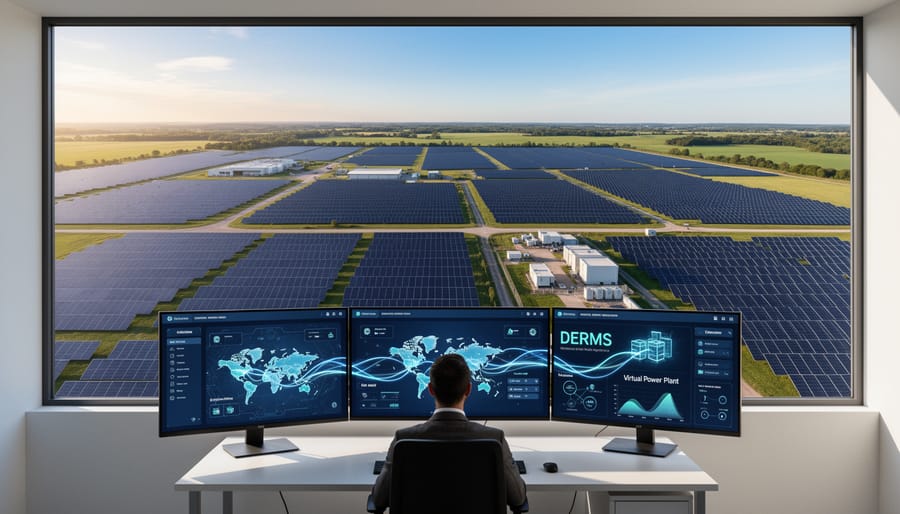
Virtual power plants unlock significant economic value by aggregating distributed solar resources into market-ready portfolios that utilities and grid operators can dispatch. Rather than generating revenue solely through electricity production, solar assets participating in VPPs access multiple revenue streams that substantially improve project economics.
Ancillary services represent a primary revenue opportunity. Grid operators require constant balancing between electricity supply and demand, maintaining frequency within narrow tolerances. Through DERMS platforms, aggregated solar facilities—often paired with battery storage—provide frequency regulation by rapidly adjusting output in response to grid signals. These services command premium pricing because they ensure grid stability, with some markets paying $15-40 per megawatt-hour beyond standard energy rates.
Demand response programs offer another compelling revenue channel. During peak demand periods when electricity prices spike, VPP operators can curtail solar output or discharge stored energy, receiving capacity payments for their participation. Commercial and industrial solar installations particularly benefit from this model, as their controllable load profiles make them valuable grid assets. Annual demand response payments typically range from $50-150 per kilowatt of enrolled capacity, depending on regional market structures.
Capacity markets provide longer-term revenue certainty. Grid operators compensate resources that guarantee availability during critical periods, essentially paying for reliability insurance. Solar-plus-storage VPPs can bid into capacity auctions, securing multi-year contracts that improve financing terms and project bankability. Research collaborations between universities and industry leaders continue advancing forecasting algorithms that optimize capacity market participation.
DERMS platforms automate participation across these markets simultaneously, managing complex bid-stack optimization that would be impossible manually. For solar developers and operators, VPP participation transforms projects from simple generation assets into sophisticated grid resources, potentially increasing total revenue by 20-40 percent while supporting grid decarbonization objectives.
Real-Time Coordination and Dispatch
At the operational core of DERMS platforms lies sophisticated real-time coordination technology that enables simultaneous management of hundreds or thousands of distributed solar installations. These systems continuously process grid signals, weather data, and market pricing information to make split-second decisions about energy dispatch across entire fleets of photovoltaic assets.
The coordination process begins with the DERMS platform receiving signals from grid operators, which may include frequency regulation requests, voltage support needs, or demand response events. The platform’s algorithms instantly assess the available capacity across all connected solar sites, factoring in current production levels, battery state of charge, and site-specific constraints. Within milliseconds, the system generates and transmits optimized dispatch commands to individual installations, ensuring collective response while respecting equipment limitations and contractual obligations.
Market opportunity response represents another critical coordination function. DERMS platforms monitor wholesale electricity prices and ancillary service markets, automatically adjusting energy storage discharge timing and solar curtailment decisions to maximize revenue. This capability transforms distributed solar arrays into responsive market participants that can capitalize on price spikes or provide valuable grid services during peak demand periods.
Advanced DERMS implementations employ predictive analytics and machine learning to anticipate grid needs before they occur. By analyzing historical patterns and real-time weather forecasts, these platforms can pre-position energy resources, ensuring optimal response capability when critical grid events materialize. This proactive coordination approach enhances grid reliability while delivering superior economic performance for solar asset owners and operators participating in virtual power plant networks.
Key Capabilities of Modern DERMS Platforms for Smart PV
Forecasting and Predictive Analytics
Modern DERMS platforms leverage sophisticated forecasting capabilities that combine machine learning algorithms with real-time weather data to predict solar generation with remarkable accuracy. These machine learning predictions analyze historical performance data, satellite imagery, meteorological forecasts, and on-site sensor readings to generate precise forecasts ranging from minutes to days ahead.
The integration of multiple data sources enables DERMS to account for variables such as cloud cover patterns, temperature fluctuations, seasonal variations, and atmospheric conditions that directly impact photovoltaic output. Advanced algorithms continuously refine their predictions by learning from actual generation outcomes, improving forecast accuracy over time through iterative model training.
Grid operators benefit significantly from these predictive capabilities, as accurate solar generation forecasts facilitate optimal resource allocation and reduce reliance on costly backup power sources. Universities collaborating with DERMS developers contribute to advancing these forecasting methodologies through research into novel prediction techniques and validation studies.
For distribution system operators managing high penetrations of distributed solar assets, predictive analytics enable proactive grid management strategies. Rather than reacting to sudden generation changes, operators can anticipate solar output fluctuations hours or days in advance, scheduling grid resources accordingly and minimizing curtailment events. This forecasting precision transforms intermittent solar generation into a more predictable, manageable resource that supports grid stability while maximizing renewable energy utilization and economic value for asset owners.
Grid Services and Frequency Regulation
Modern distributed energy resources management systems serve as sophisticated coordinators between solar installations and grid operators, enabling photovoltaic systems to deliver essential stability services traditionally provided by conventional power plants. Through advanced monitoring and real-time control capabilities, DERMS platforms transform passive solar arrays into active grid participants capable of responding to system needs within milliseconds.
Voltage support represents one of the most critical functions DERMS-enabled solar systems provide. By adjusting reactive power output through inverter controls, these systems maintain voltage levels within acceptable ranges across distribution networks. This capability becomes particularly valuable during periods of high solar generation when voltage rise can threaten grid stability. The platform continuously monitors voltage conditions and automatically adjusts inverter settings to inject or absorb reactive power as needed.
Frequency regulation represents another vital service where DERMS platforms excel. When grid frequency deviates from standard levels due to supply-demand imbalances, the system can rapidly curtail solar generation or coordinate battery storage discharge to restore equilibrium. This fast frequency response capability helps prevent cascading failures and maintains power quality for sensitive industrial and commercial operations.
Academic institutions partnering with industry leaders have documented significant improvements in grid resilience through DERMS implementation. Research demonstrates that coordinated DER control reduces the need for expensive transmission upgrades while improving overall system reliability. Educational programs now incorporate these grid service concepts, preparing the next generation of solar professionals to design and manage increasingly sophisticated distributed energy networks that actively support rather than challenge grid operations.
Energy Storage Integration
Battery energy storage systems have transformed from supplementary components into essential elements of modern DERMS platforms, fundamentally changing how distributed solar resources interact with the grid. Energy storage integration enables DERMS to convert intermittent solar generation into reliable, dispatchable power that grid operators can schedule and deploy with precision.
The synergy between solar photovoltaic systems and battery storage creates what industry professionals call solar-plus-storage configurations. These hybrid systems deliver substantially more value than standalone solar installations by addressing the inherent variability of solar generation. When a DERMS platform coordinates battery systems alongside solar arrays, it can store excess energy during peak production hours and dispatch it during periods of high demand or low generation, effectively time-shifting renewable energy to match grid needs.
Battery systems provide DERMS platforms with critical grid services that solar alone cannot deliver. These include frequency regulation, voltage support, peak demand reduction, and emergency backup power. Modern DERMS software continuously optimizes battery charge and discharge cycles based on multiple variables: real-time electricity prices, weather forecasts, grid conditions, and customer energy needs.
For photovoltaic professionals, understanding energy storage integration is increasingly essential. The technical requirements extend beyond basic electrical knowledge to encompass sophisticated control algorithms, state-of-charge management, and degradation modeling. Universities collaborating with industry leaders now offer specialized training programs that combine solar engineering fundamentals with energy storage system design and DERMS operation, preparing the next generation of professionals for this rapidly evolving sector.
The economic case for solar-plus-storage continues strengthening as battery costs decline and grid services markets expand, making storage integration a core competency for modern renewable energy practitioners.
Market Participation and Revenue Optimization
DERMS platforms fundamentally transform solar assets from passive generation sources into active market participants capable of generating multiple revenue streams beyond traditional power purchase agreements. By aggregating distributed solar resources into portfolio-level offerings, these platforms enable participation in wholesale energy markets, ancillary services, and capacity programs that were previously accessible only to large-scale generators.
The optimization begins with sophisticated forecasting algorithms that predict solar generation patterns alongside market price signals. DERMS platforms continuously analyze locational marginal pricing, frequency regulation requirements, and capacity auction opportunities to determine optimal bidding strategies. When wholesale prices spike during peak demand periods, the platform can strategically curtail solar export to storage systems, then dispatch that energy when market conditions maximize returns.
For ancillary services participation, DERMS platforms coordinate rapid response capabilities across multiple solar installations. Frequency regulation markets, which compensate resources for maintaining grid stability within narrow frequency bands, represent particularly valuable opportunities. The platform automates bid submissions, manages real-time dispatch instructions from independent system operators, and ensures compliance with performance requirements across diverse market structures.
Revenue optimization extends beyond market participation to include demand charge management and grid services compensation. Advanced DERMS platforms employ machine learning to refine bidding strategies based on historical performance data, seasonal patterns, and evolving market rules. This continuous optimization process enables solar asset owners to capture value from multiple simultaneously-operating programs while maintaining system reliability and meeting contractual obligations. The resulting revenue diversification reduces financial risk and improves overall project economics for commercial and utility-scale deployments.
Technical Requirements for DERMS-Ready Solar Installations
Smart Inverter Functionality and IEEE 2547
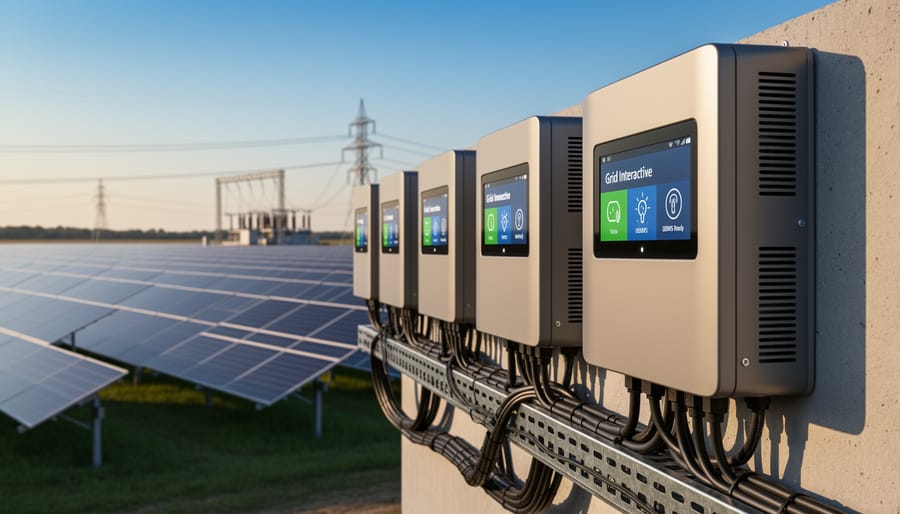
Modern smart inverter technology has evolved far beyond simple DC-to-AC conversion, now serving as intelligent grid assets capable of providing essential grid services. These advanced devices enable bidirectional communication with DERMS platforms while executing sophisticated control functions that maintain grid stability and power quality.
IEEE 2547 standards establish the technical requirements for interconnecting distributed energy resources with the electric power system. This comprehensive framework defines how solar inverters must respond to grid conditions, including voltage and frequency deviations. The standards mandate capabilities such as volt-VAR response, where inverters automatically adjust reactive power output based on voltage levels, and frequency-watt response, which modulates active power during frequency disturbances.
Smart inverters also provide volt-watt functionality, reducing active power output during overvoltage conditions without disconnecting from the grid. This prevents unnecessary system shutdowns while protecting grid infrastructure. Dynamic reactive current support enables inverters to inject or absorb reactive power during voltage sags or swells, mimicking the behavior of traditional synchronous generators.
DERMS platforms leverage these IEEE 2547-compliant functions to coordinate thousands of inverters simultaneously, transforming individual solar installations into a cohesive virtual power plant. Through continuous monitoring and automated dispatch commands, DERMS optimizes inverter settings in real-time, balancing local generation with grid requirements. This integration ensures solar systems contribute positively to grid resilience rather than creating operational challenges for utilities.
Communication Protocols and Cybersecurity
Effective DERMS platforms rely on standardized communication protocols to enable seamless data exchange between distributed solar assets and grid management systems. Understanding these protocols and associated cybersecurity measures is essential for professionals implementing grid-interactive photovoltaic installations.
Modbus, one of the most widely adopted protocols in energy systems, provides simple serial communication for connecting solar inverters and battery storage systems. Its straightforward architecture makes it popular for smaller-scale deployments, though it requires additional security layers when deployed across open networks. DNP3 (Distributed Network Protocol 3) offers more robust functionality specifically designed for utility-scale applications, featuring built-in data integrity checks and time-stamping capabilities critical for accurate grid coordination. This protocol excels in managing large numbers of distributed solar assets across extensive geographic areas.
IEEE 2030.5, also known as Smart Energy Profile 2.0, has emerged as the preferred standard for demand response and DER management in North America. This protocol supports secure, IP-based communication and includes native encryption capabilities, making it particularly suitable for residential and commercial solar installations requiring IoT integration.
Cybersecurity remains paramount as connected solar assets become potential entry points for grid attacks. DERMS implementations must incorporate multiple security layers including encrypted communications, authentication protocols, regular firmware updates, and network segmentation. Industry best practices recommend implementing zero-trust architectures and conducting regular vulnerability assessments to protect critical energy infrastructure from evolving cyber threats.
The Business Case: Why Solar Professionals Should Care About DERMS
New Revenue Opportunities for Solar Operators
DERMS platforms unlock multiple revenue streams that transform solar installations from simple energy generators into sophisticated grid assets. Through participation in wholesale energy markets, solar operators can access capacity payments typically ranging from $50 to $200 per kilowatt-year, depending on regional market structures and grid operator requirements. These payments compensate system owners for guaranteeing available capacity during peak demand periods, creating predictable annual income independent of energy production.
Ancillary service markets present additional monetization opportunities. DERMS-enabled solar systems with integrated battery storage can provide frequency regulation services, earning $15 to $40 per megawatt-hour in many regions. Voltage support and reactive power services generate supplementary compensation while enhancing grid stability. Research collaborations between universities and energy operators have documented cases where ancillary service participation increases total system revenue by 20 to 35 percent compared to energy-only sales.
Demand charge reduction represents another significant economic benefit, particularly for commercial and industrial solar installations. DERMS platforms optimize energy dispatch to minimize peak demand charges, which can constitute 30 to 70 percent of electricity costs for large facilities. By intelligently managing solar output and storage discharge, operators consistently achieve demand charge reductions of $10,000 to $100,000 annually per facility.
Educational programs focusing on energy market participation have become essential for professionals seeking to maximize these revenue opportunities. Understanding market bidding protocols, settlement procedures, and performance requirements enables solar operators to capture the full economic potential of DERMS-coordinated systems while contributing to grid resilience and renewable energy integration.
Competitive Differentiation in the PV Market
As utilities transition toward grid-interactive renewable energy systems, photovoltaic professionals who understand DERMS technology gain significant competitive advantages. Forward-thinking solar installers and designers are positioning themselves as strategic partners rather than simple equipment providers by offering DERMS-ready solutions that meet evolving utility requirements.
Many utilities now mandate grid-interactive capabilities for new solar installations, particularly for commercial and utility-scale projects. Professionals equipped with DERMS knowledge can navigate interconnection agreements more effectively, expedite project approvals, and demonstrate compliance with technical standards like IEEE 2030.5 and California’s Rule 21. This expertise translates directly into winning contracts in competitive bidding scenarios.
Educational institutions are recognizing this market shift by incorporating DERMS curriculum into renewable energy programs, creating pathways for aspiring professionals to enter the field with relevant skills. Industry partnerships between universities and technology providers ensure training materials reflect real-world implementation challenges.
Beyond technical competence, DERMS literacy enables professionals to articulate value propositions that resonate with utility procurement teams and large commercial clients seeking to monetize flexibility services. As virtual power plant deployments accelerate, those who can design, commission, and maintain DERMS-integrated systems will command premium positioning in an increasingly sophisticated solar market.
Educational Pathways for DERMS and VPP Expertise
Building competency in Distributed Energy Resource Management Systems and Virtual Power Plant operations requires specialized knowledge that bridges electrical engineering, software systems, and grid operations. As the solar industry rapidly adopts these advanced technologies, professionals must pursue targeted educational pathways to remain competitive and effective in their roles.
University programs now offer coursework specifically addressing DERMS implementation, grid integration challenges, and energy management systems. These academic programs provide foundational knowledge in power systems analysis, control theory, and renewable energy integration that forms the basis for understanding platform operations. Engineering and renewable energy degree programs increasingly incorporate modules on distributed energy resources, demand response mechanisms, and grid modernization strategies.
Professional development opportunities extend beyond traditional degree programs. Industry certifications focused on energy management systems, grid-interactive technologies, and microgrid operations equip practitioners with practical skills directly applicable to DERMS platform deployment. Online learning platforms and technical workshops offer flexible options for working professionals seeking to expand their expertise without interrupting their careers.
Mose Solar recognizes the critical need for accessible, high-quality education in this evolving field. Through collaborations with university partners, the company develops educational programs that combine theoretical understanding with hands-on experience in DERMS platform operation. These initiatives provide aspiring photovoltaic professionals with direct exposure to real-world system architectures, operational challenges, and optimization strategies employed in modern grid-interactive solar installations.
Hands-on training with simulation software, case study analysis of existing Virtual Power Plant implementations, and internship opportunities with companies deploying DERMS technologies further accelerate competency development. By engaging with these diverse educational resources, solar professionals position themselves at the forefront of an industry transformation that will define the next generation of renewable energy systems.
The integration of DERMS platforms represents a fundamental transformation in how solar photovoltaic systems interact with the electrical grid. As distributed energy resources continue proliferating, these sophisticated management systems have evolved from optional enhancements to essential infrastructure components. For photovoltaic professionals, mastering DERMS technology is no longer a specialized niche but a core competency that will define career trajectories in the renewable energy sector.
The convergence of solar technology and grid modernization creates unprecedented opportunities for innovation and professional growth. DERMS platforms enable solar installations to transcend their traditional role as simple generation assets, transforming them into intelligent, responsive grid participants that deliver reliability, flexibility, and economic value. This evolution addresses critical challenges facing grid operators while unlocking new revenue streams for solar asset owners.
For those entering or advancing within the photovoltaic industry, developing expertise in DERMS technology, grid integration principles, and virtual power plant operations provides substantial competitive advantages. Universities and industry organizations are expanding educational programs to address this skills gap, recognizing that tomorrow’s solar professionals must understand both energy generation and intelligent grid management.
As utility-scale deployments expand and residential solar systems become increasingly sophisticated, the DERMS platform ecosystem will continue evolving. Professionals who invest in understanding these systems today position themselves at the forefront of an industry reshaping how society generates, distributes, and consumes electricity. The future of solar energy is inherently grid-interactive, and DERMS platforms are the technology making that future possible.