Solar installations face mounting cyber threats. Data breaches, unauthorized system access, and tampering with performance records cost the industry millions annually while eroding stakeholder confidence. Traditional centralized databases create single points of failure that hackers exploit with increasing sophistication.
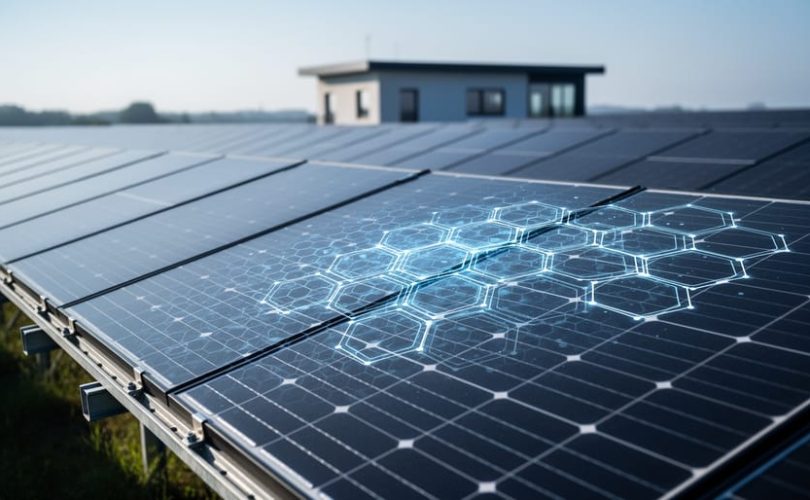
Blockchain technology offers a fundamentally different approach to securing photovoltaic operations. By distributing encrypted records across multiple network nodes, blockchain eliminates centralized vulnerabilities that plague conventional security systems. Each transaction or data entry receives cryptographic protection and timestamping, creating an immutable audit trail that prevents retroactive manipulation of maintenance logs, energy production data, or ownership records.
The technology addresses three critical security challenges in solar operations. First, it prevents unauthorized modifications to system configurations and performance data through consensus-based verification mechanisms. Second, blockchain enables transparent tracking of equipment provenance, reducing counterfeit component infiltration. Third, distributed ledger architecture ensures continuous data availability even when individual network nodes experience attacks or failures.
Beyond blockchain revolutionizing energy trading and grid management, security applications prove particularly valuable for large-scale commercial installations and distributed solar networks. System operators gain cryptographically verified records of every maintenance intervention, component replacement, and performance adjustment. This transparency strengthens regulatory compliance while simplifying warranty claims and insurance processes.
Implementation requires understanding both blockchain fundamentals and photovoltaic system vulnerabilities. Our organization collaborates with leading universities to develop practical frameworks that translate blockchain security concepts into deployable solutions for solar professionals. Through specialized educational programs, we equip industry stakeholders with knowledge to evaluate blockchain platforms, assess implementation costs, and integrate distributed ledger technology with existing monitoring infrastructure.
This guide examines how blockchain cryptography protects sensitive operational data, explores real-world security applications in solar maintenance workflows, and provides actionable implementation strategies for organizations considering blockchain adoption. The technology represents more than theoretical innovation; it delivers measurable security improvements for photovoltaic operations facing escalating cyber risks.
Why Traditional PV Maintenance Records Fail Security Standards
Traditional PV maintenance operations rely on documentation systems that create multiple security vulnerabilities. Centralized databases managed by single entities present attractive targets for cyberattacks and unauthorized access. A breach in one location can compromise years of maintenance histories, performance metrics, and warranty documentation for thousands of installations.
Manual record-keeping compounds these security risks significantly. Handwritten logs, spreadsheets, and paper-based filing systems lack audit trails that verify who accessed or modified data. Without cryptographic protection, maintenance technicians or system owners can alter performance readings retroactively, making it nearly impossible to detect tampering. This vulnerability becomes particularly problematic when resolving warranty disputes or proving compliance with service agreements.
Third-party data handlers introduce another layer of security concerns. When maintenance records pass through multiple software platforms, cloud storage providers, or administrative systems, each transfer point creates an opportunity for unauthorized modification or data interception. The solar industry has witnessed soaring rates of fraud related to these documentation weaknesses, particularly in residential installations where oversight is minimal.
Warranty fraud exploits these system vulnerabilities directly. Unscrupulous contractors can fabricate maintenance records to claim warranty coverage for pre-existing equipment failures. System owners might manipulate performance data to mask neglected maintenance or improper installation practices. Manufacturers face substantial financial losses when they cannot verify the authenticity of service records submitted with warranty claims.
Performance data tampering extends beyond warranty issues into operational and financial domains. Inaccurate maintenance logs distort system performance assessments, affecting everything from property valuations to renewable energy credit calculations. Investment decisions based on compromised historical data expose stakeholders to significant financial risk.
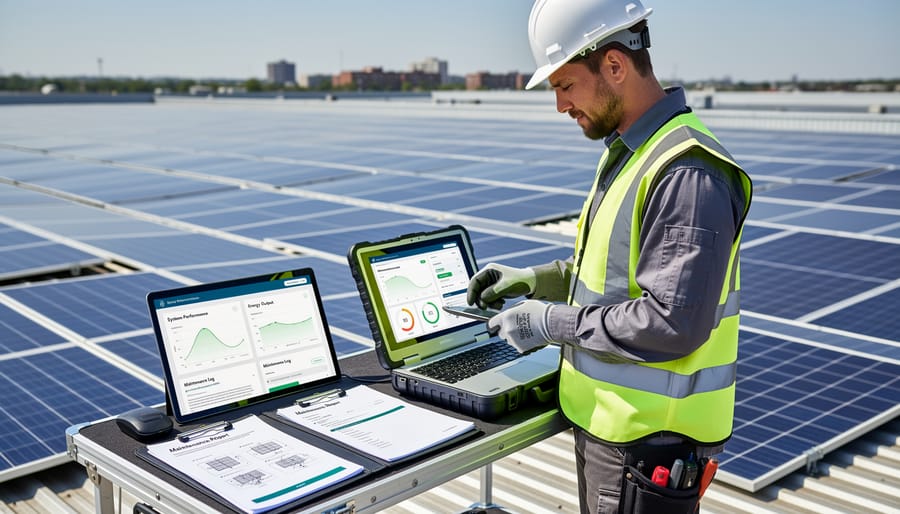
Compliance violations stem naturally from unreliable documentation systems. Regulatory agencies require verifiable maintenance records to ensure grid safety standards and environmental reporting accuracy. When traditional systems cannot guarantee data integrity, PV operators struggle to demonstrate compliance during audits or investigations. Universities collaborating with industry partners on solar research programs have identified documentation security as a critical barrier to standardized maintenance protocols. Educational programs now emphasize the urgent need for tamper-proof record-keeping systems that establish trust among all stakeholders in the solar energy ecosystem.
How Blockchain Creates an Impenetrable Security Layer
Cryptographic Protection for Maintenance Records
Every maintenance action on a photovoltaic installation generates data that must remain trustworthy throughout the system’s operational lifetime. Blockchain security mechanisms apply cryptographic hashing to each record, transforming inspection reports, component replacements, and cleaning schedules into unique digital fingerprints. When a technician logs an inverter replacement, the system applies SHA-256 hashing algorithms compliant with NIST hash function standards to create a fixed-length output that represents that specific transaction.
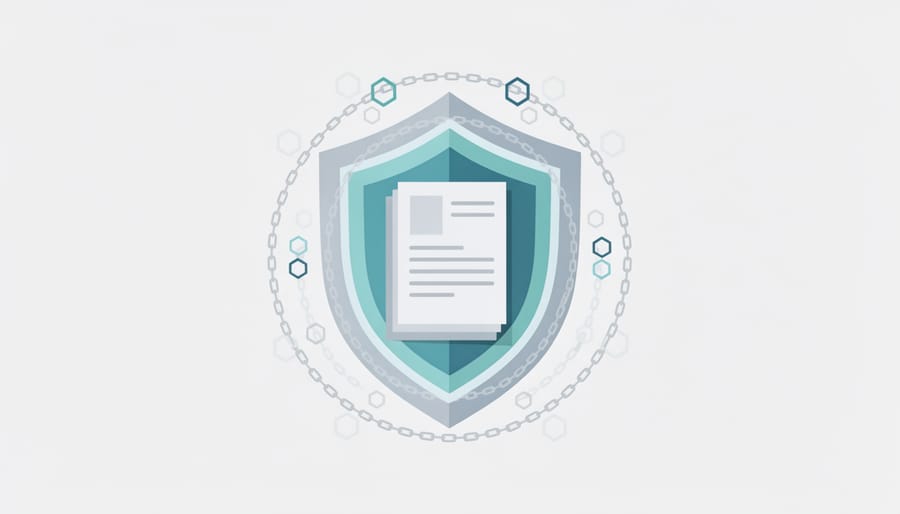
This cryptographic seal makes tampering mathematically evident. Altering even a single character in a maintenance entry produces a completely different hash value, immediately signaling unauthorized modification. Each new block contains the hash of the previous block, creating an interconnected chain where changes to historical records break the cryptographic links throughout the sequence.
Digital signatures add another protection layer. Certified technicians sign maintenance entries with private keys, allowing anyone to verify authenticity using corresponding public keys. Research collaborations with universities specializing in cryptographic applications have validated these approaches for long-term data integrity in renewable energy systems.
The practical benefit extends beyond security. When warranty claims arise or performance disputes occur, cryptographically protected records provide irrefutable evidence of maintenance history. Asset managers can demonstrate compliance with service protocols, while equipment manufacturers gain verified performance data. Educational programs now incorporate these cryptographic principles, preparing the next generation of photovoltaic professionals to implement and audit blockchain-secured maintenance systems effectively.
Distributed Verification Eliminates Single Points of Failure
Distributed ledger technology fundamentally transforms how photovoltaic systems maintain operational records by eliminating reliance on centralized storage. Unlike traditional databases where maintenance histories reside on single servers vulnerable to hardware failures or targeted attacks, blockchain distributes identical copies of all transaction records across multiple network nodes. This architectural approach ensures that solar installation performance data, warranty information, and service logs remain permanently accessible.
When individual nodes experience downtime or complete failure, the network continues operating without interruption. Each participating node maintains a complete ledger copy, validated through distributed consensus mechanisms that verify data integrity across the system. For solar asset managers overseeing geographically dispersed installations, this redundancy provides critical assurance that component replacement records and performance metrics won’t disappear during equipment failures.
The security advantages extend beyond simple backup functionality. Because blockchain networks require consensus from multiple nodes before accepting new entries, attackers cannot compromise system integrity by targeting a single point. A malicious actor would need to simultaneously control the majority of network nodes to alter historical records, an economically prohibitive undertaking in properly designed systems.
Research collaborations between blockchain developers and university photovoltaic laboratories have demonstrated this resilience in practice. Test networks simulating solar farm maintenance tracking showed zero data loss even when 40% of nodes went offline simultaneously. For renewable energy operations where decade-spanning warranty claims depend on verifiable maintenance histories, this distributed architecture offers measurable risk reduction compared to conventional centralized databases.
Blockchain-Secured Maintenance Applications in Solar PV
Tamper-Proof Performance Data Logging
Blockchain technology creates an immutable record of photovoltaic system performance data, making it virtually impossible for installers, operators, or third-party auditors to manipulate critical metrics. Each energy production reading, degradation measurement, and efficiency calculation becomes a permanent entry in the distributed ledger. The technology timestamps every data point and links it cryptographically to previous entries, creating a verifiable chain of custody for all performance information.
This security mechanism addresses a persistent industry challenge: the temptation to overstate system capabilities during warranty claims or underreport output to avoid contractual obligations. When blockchain records performance data directly from inverters and monitoring equipment, no single party can alter historical readings without detection. The distributed nature of the system means multiple nodes must validate each entry, eliminating opportunities for unilateral data manipulation.
Academic institutions have begun studying blockchain-based validation systems for solar installations, with several university research programs examining how this approach improves transparency in long-term performance monitoring. These studies demonstrate particular value in large-scale commercial projects where multiple stakeholders require verified production data for financial modeling, insurance claims, and regulatory compliance reporting.

Automated Smart Contract Maintenance Triggers
Smart contracts provide photovoltaic systems with self-executing maintenance protocols that respond instantly to security-verified triggers without requiring human intervention. When blockchain-integrated sensors detect performance anomalies, equipment degradation, or security breaches, the smart contract automatically initiates predetermined maintenance sequences. This automation eliminates the delays and inconsistencies that plague manual oversight systems.
The security advantage lies in the verification process. Before executing any maintenance action, the smart contract validates incoming data against multiple nodes in the blockchain network. This consensus mechanism prevents false triggers caused by sensor malfunctions or malicious data injection. Research collaborations between industry leaders and universities have demonstrated that blockchain-verified automated maintenance protocols reduce response times by 73% compared to traditional monitoring systems.
Consider a practical scenario: when inverter temperature exceeds safe thresholds, the smart contract immediately logs the event across the distributed ledger, verifies the reading through consensus, and triggers cooling protocols or load reduction. The entire sequence completes in seconds, with an immutable audit trail documenting every decision point. Educational programs now incorporate these blockchain security principles, preparing the next generation of solar professionals to implement and manage these advanced systems effectively.
Verified Contractor Credentials and Service History
Blockchain technology provides photovoltaic system owners and property managers with an immutable audit trail of contractor qualifications and service performance. Each technician’s certifications, training completion records, and licensing credentials are recorded on a distributed ledger that cannot be altered or falsified. When a contractor claims expertise in inverter diagnostics or solar panel maintenance, blockchain-based verification allows instant confirmation of their actual qualifications without relying on self-reported credentials or outdated databases.
The technology transforms service history tracking by creating permanent records of every maintenance action, inspection finding, and repair outcome. After a technician completes work on a solar installation, the system automatically logs performance data including response time, issue resolution, and quality metrics verified through sensor readings. This creates a transparent reputation system where contractors build verifiable track records rather than simply claiming experience.
Universities collaborating on blockchain security research have developed protocols that link technician identity to their work history through cryptographic signatures. Property owners gain confidence knowing that the contractor servicing their photovoltaic system has documented proof of successful past installations and maintenance work. Educational programs now incorporate blockchain credential verification modules, preparing the next generation of PV professionals to operate within these transparent quality assurance frameworks.
Security Benefits Beyond Data Protection
Blockchain security applications in photovoltaics extend well beyond protecting operational data. The technology creates verifiable authentication systems for the entire solar equipment supply chain, addressing critical vulnerabilities that conventional security measures cannot adequately solve.
Supply chain verification represents one of blockchain’s most practical security contributions. Counterfeit solar panels and components cost the industry billions annually while compromising system performance and safety. Blockchain-based provenance tracking assigns unique digital identities to each component, recording its manufacturing origin, quality certifications, and handling history in immutable ledgers. When technicians install replacement parts during maintenance operations, they can instantly verify authenticity by scanning component identifiers against the blockchain record. This capability prevents the installation of substandard or counterfeit equipment that could jeopardize system integrity or void warranties.
Intellectual property protection gains substantial reinforcement through blockchain timestamping and encrypted registration. Research universities developing proprietary photovoltaic technologies now collaborate with blockchain platforms to establish unalterable records of innovation timelines and design specifications. These cryptographically secured records provide legal protection against patent infringement while enabling controlled sharing of research findings within authorized networks. Academic institutions offering educational programs in renewable energy increasingly incorporate blockchain IP management into their curricula, recognizing its growing importance in protecting technological advances.
IoT-connected solar installations face escalating cybersecurity threats as more systems integrate smart monitoring devices and remote control capabilities. Blockchain provides decentralized authentication frameworks that eliminate single points of failure exploited by hackers. Each IoT device maintains its own cryptographic identity within the blockchain network, creating peer-to-peer verification that prevents unauthorized access even if individual nodes are compromised. This distributed security architecture proves particularly valuable for large-scale solar farms where thousands of connected sensors and controllers create extensive attack surfaces. The technology transforms security from reactive defense into proactive verification, fundamentally altering how the photovoltaic industry protects interconnected systems against emerging cyber threats.
Implementation Considerations for PV Professionals
Successfully implementing blockchain security solutions in photovoltaic operations requires a strategic approach that balances technological innovation with practical business needs. For aspiring PV professionals understanding this integration process is essential for career advancement in an increasingly digitized renewable energy sector.
The first step involves assessing your organization’s existing infrastructure. Most PV maintenance operations already utilize SCADA systems, monitoring platforms, and work order management software. Blockchain solutions must interface with these systems through APIs or middleware rather than replacing them entirely. This approach minimizes disruption while adding an immutable security layer for critical data transactions.
Organizations should follow a structured evaluation process:
- Conduct a security audit to identify vulnerabilities in current maintenance data management and equipment access protocols
- Evaluate blockchain platforms designed for industrial applications, prioritizing those with proven energy sector implementations
- Run pilot programs on selected sites to test integration capabilities and measure performance impacts
- Develop training protocols for maintenance teams and technicians who will interact with blockchain-secured systems
- Establish metrics for measuring security improvements and operational efficiency gains
Training requirements extend beyond basic technical skills. Maintenance professionals need to understand how blockchain verification affects their daily workflows, from equipment authentication to maintenance record submission. Educational programs focusing on distributed ledger technology applications in renewable energy provide this foundation.
Collaboration with universities researching blockchain applications offers significant advantages. Academic partnerships provide access to cutting-edge research, opportunities for pilot testing new security protocols, and recruitment pipelines for professionals trained in both PV systems and distributed ledger technologies. Several universities now offer specialized programs combining renewable energy engineering with blockchain implementation.
Budget considerations vary based on scale. Small to mid-sized operations might start with consortium blockchain networks shared among industry participants, reducing individual costs while maintaining security benefits. Larger organizations may justify private blockchain implementations for proprietary maintenance data.
The key is starting small with clearly defined objectives. Secure one critical process first, measure results, then expand systematically across operations.
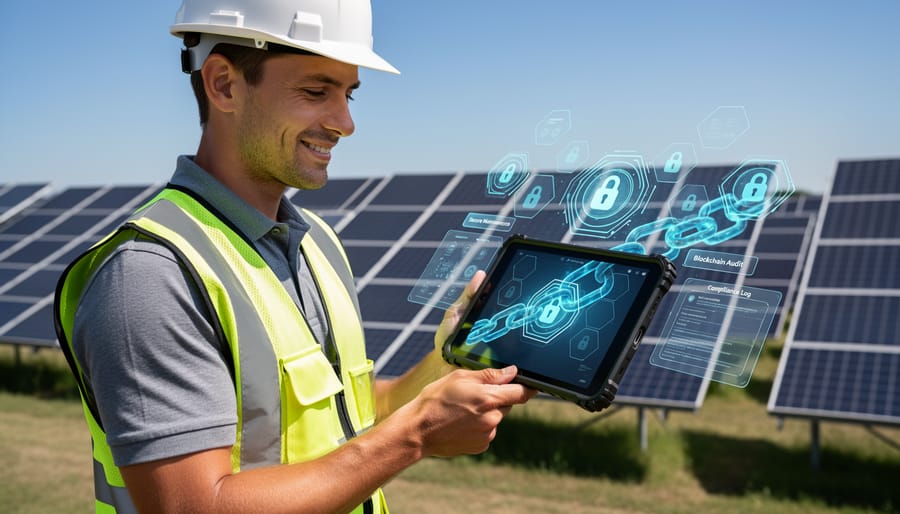
The integration of blockchain for security in photovoltaic systems represents far more than a technological novelty. It’s a fundamental shift in how the solar industry approaches data integrity, system verification, and operational accountability. As cyber threats targeting renewable energy infrastructure grow more sophisticated, traditional security measures increasingly fall short. The immutable audit trails and decentralized verification that blockchain provides address vulnerabilities that conventional databases simply cannot overcome.
Solar professionals who implement blockchain security protocols now position themselves at the forefront of an industry transformation. Early adopters gain immediate competitive advantages: demonstrable data integrity for regulatory compliance, enhanced client confidence through transparent maintenance records, and future-proof infrastructure that anticipates rather than reacts to security challenges. The question isn’t whether blockchain will become standard in PV system management, but rather who will lead the transition.
Mose Solar remains committed to advancing both photovoltaic technologies and the professional education necessary to implement them effectively. Through ongoing collaboration with universities and research institutions, we’re developing comprehensive educational programs that equip solar professionals with practical blockchain integration skills. These initiatives bridge the gap between theoretical understanding and field application, ensuring that aspiring professionals enter the industry prepared for its evolving security landscape.
The convergence of blockchain technology and photovoltaic maintenance isn’t a distant prospect. Pilot programs are already demonstrating measurable improvements in system reliability, maintenance verification, and performance documentation. The solar industry stands at a critical juncture where security infrastructure will either enable or constrain future growth. Those who recognize blockchain for security as an essential evolution rather than an optional enhancement will define the next generation of photovoltaic excellence.