Showing 3 Result(s)
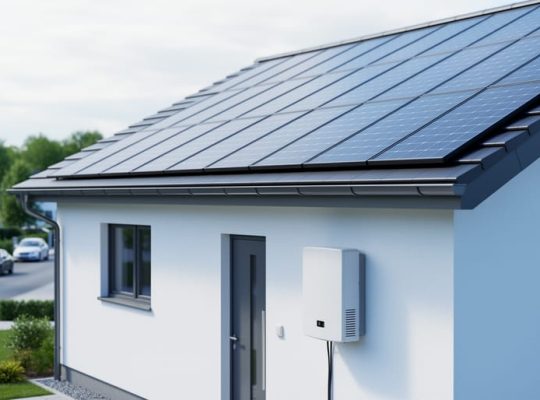
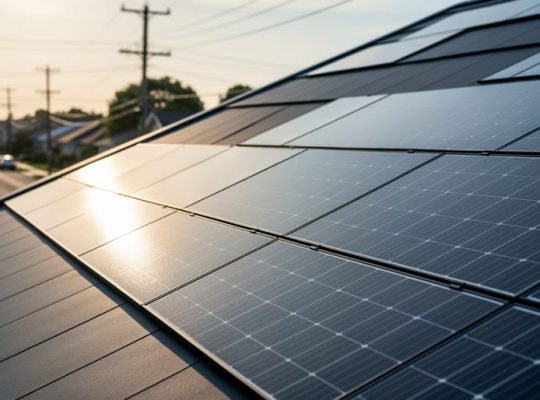
Rooftop solar panels with a nearby residential battery storage unit, photographed in bright daylight to suggest off-grid solar readiness.

Solar Panels Without Grid Connection: What You Need to Know Before Going Off-Grid

No, solar panels do not have to be connected to the grid. You can install photovoltaic systems in three distinct configurations: grid-connected (with or without battery storage), hybrid systems that combine grid connection with backup batteries, or completely off-grid installations that operate independently. The choice depends on your energy goals, budget constraints, local regulations, and access to utility infrastructure.
Grid-connected systems remain the most common option in areas with reliable utility service, allowing homeowners and businesses to draw power when needed and often sell excess generation back through net …

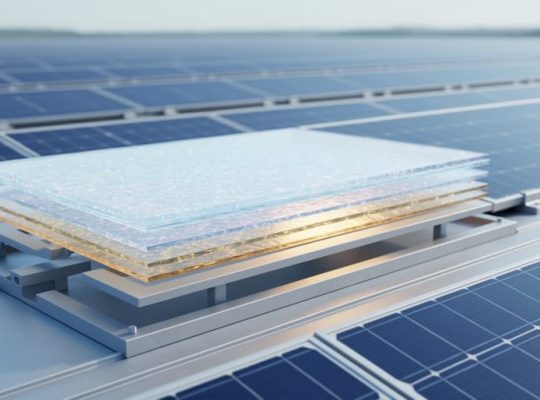
Close-up of a modern solar road surface with transparent embedded panels showing photovoltaic cells beneath, photographed at ground level on a wet roadway.

What Are Solar-Powered Roads (and How Do They Work)?

Solar-powered roads are roadway systems embedded with photovoltaic cells designed to generate electricity while serving as a driving surface. These installations integrate solar panels into the pavement itself, replacing traditional asphalt or concrete with reinforced transparent materials that allow sunlight to reach solar cells beneath the surface.
The concept addresses two critical infrastructure needs simultaneously: aging transportation networks and renewable energy capacity. As nations work to expand their clean energy portfolios, the idea of transforming millions of square meters of underutilized pavement into power-…

A futuristic glowing quantum orb with light-wave patterns hovering above a modern solar panel array, symbolizing quantum computing applied to solar PV data analysis.

What Is Quantum Computing in Solar PV Data Analysis (and How Does It Work)?

Quantum computing is a revolutionary computational approach that harnesses quantum mechanical phenomena to process information in ways fundamentally impossible for classical computers, representing a potential paradigm shift for solar photovoltaic data analysis and optimization challenges. Unlike traditional binary computing, quantum systems exploit superposition and entanglement to evaluate multiple solutions simultaneously, a capability that could transform how the solar industry tackles complex modeling, grid integration, and materials discovery problems.
The solar PV sector generates massive datasets from performance monitoring…