
Discover the latest advancements revolutionizing the solar energy landscape. From record-breaking efficiency milestones to aesthetically pleasing designs, solar technology is experiencing an unprecedented surge of innovation. Cutting-edge energy storage solutions are unlocking the full potential of solar power, while AI-driven optimization maximizes performance and reliability. Floating solar farms are expanding the frontiers of installation possibilities, and solar-powered vehicles are redefining transportation. As these groundbreaking trends converge, they pave the way for a brighter, cleaner, and more sustainable future powered by the sun. Join us as we explore the exciting world of solar energy and the transformative trends shaping its trajectory.
Skyrocketing Solar Efficiency

Perovskite Solar Cells
Perovskite solar cells have emerged as a promising technology in the quest for higher solar cell efficiency. These cells utilize perovskite materials, which are a class of crystalline substances with a unique structure that allows for efficient light absorption and charge transport. Recent advancements in perovskite research have demonstrated the potential to significantly boost solar cell efficiency beyond the limits of traditional silicon-based cells.
One of the key advantages of perovskite solar cells is their ability to be manufactured using simple and cost-effective methods, such as solution processing and printing techniques. This opens up the possibility of large-scale production and widespread adoption of perovskite solar technology.
Moreover, perovskite cells can be stacked on top of existing silicon cells to create tandem solar cells, which harness a wider range of the solar spectrum and achieve even higher efficiency levels. This combination of perovskite and silicon has the potential to push solar cell efficiency beyond 30%, marking a significant milestone in the solar energy industry.
As research continues to refine and optimize perovskite solar cell technology, it holds great promise for revolutionizing the solar energy landscape and accelerating the transition towards a sustainable energy future.
Bifacial Solar Modules
Bifacial solar modules represent a significant advancement in photovoltaic technology, offering increased energy output by capturing light from both the front and back surfaces of the panel. Unlike traditional monofacial panels, which only absorb sunlight from one side, bifacial modules feature solar cells on both sides, allowing them to generate electricity from direct sunlight on the front and reflected light on the back. This innovative design enables bifacial panels to harvest additional energy from the ground, rooftops, or other reflective surfaces, resulting in higher overall energy yields. The performance of bifacial modules is influenced by factors such as the reflectivity of the surrounding environment, the mounting structure’s height, and the panel’s tilt angle. With the potential to boost energy production by up to 30% in optimal conditions, bifacial solar modules are becoming increasingly popular in utility-scale solar projects and are expected to play a significant role in the future of solar energy generation. As research and development continue to refine this technology, the industry anticipates further improvements in efficiency and cost-effectiveness, making bifacial solar modules an attractive option for maximizing solar energy output in various applications. Learn more about the opportunities with used bifacial solar panels.
Solar Goes Stylish
Building-Integrated Photovoltaics (BIPV)
Building-Integrated Photovoltaics (BIPV) is a revolutionary trend in solar energy that seamlessly integrates solar technology into building designs. By replacing traditional building materials with photovoltaic elements, BIPV transforms architectural structures into clean energy powerhouses. Solar panels can be incorporated into roofs, facades, windows, and skylights, creating a harmonious blend of aesthetics and functionality. BIPV not only generates renewable electricity but also enhances the thermal insulation and shading properties of buildings, reducing energy consumption for heating and cooling. This innovative approach eliminates the need for separate solar panel installations, making it an attractive option for architects, builders, and property owners seeking to maximize energy efficiency and minimize visual impact. As BIPV technology continues to advance, it opens up new possibilities for sustainable and visually stunning buildings that actively contribute to a greener future. With its ability to seamlessly integrate into various architectural styles and materials, BIPV is set to revolutionize the way we design and construct buildings, paving the way for a more sustainable and energy-efficient built environment.
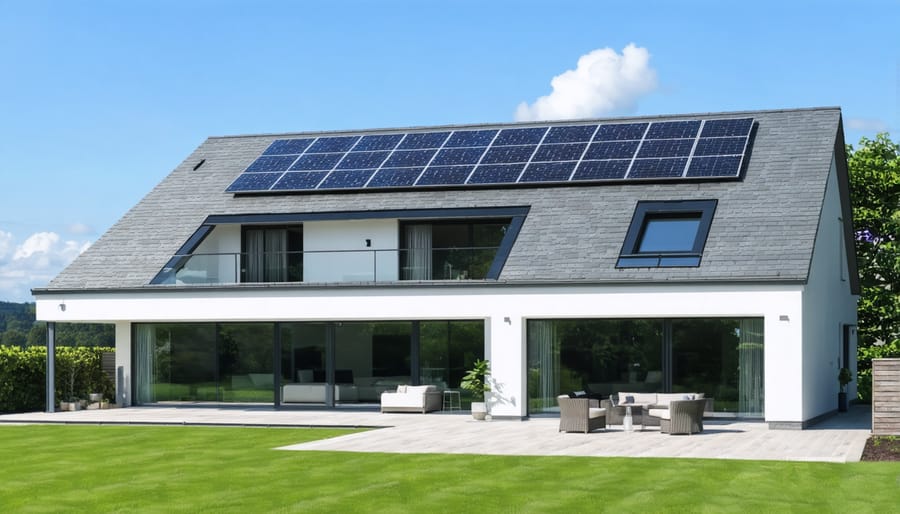
Colored Solar Panels
Advancements in colored solar panels are revolutionizing the aesthetics of solar energy. By incorporating various hues and designs, these panels seamlessly blend with building facades, rooftops, and landscapes. Researchers have developed thin, semi-transparent solar cells that can be applied to windows, allowing for energy generation without compromising natural light. Additionally, innovative coating technologies enable the customization of panel colors to match specific architectural styles. These breakthroughs not only enhance the visual appeal of solar installations but also encourage wider adoption by addressing aesthetic concerns. As colored solar panels continue to improve in efficiency and affordability, they are poised to transform the way we integrate renewable energy into our built environment.
Solar Storage Revolution
Advanced Battery Technologies
The solar energy industry has seen significant advancements in battery storage technologies, which are crucial for overcoming the intermittent nature of solar power. Advanced battery technologies such as lithium-ion, flow batteries, and sodium-ion batteries are being developed and optimized for solar energy storage. These innovations focus on increasing energy density, reducing costs, and extending battery life. Lithium-ion batteries, in particular, have seen remarkable improvements in performance and affordability, making them a popular choice for both residential and utility-scale solar projects. Flow batteries, which store energy in liquid electrolytes, offer the potential for longer-duration storage and easier scalability. Researchers are also exploring the use of abundant materials like sodium to create cost-effective and environmentally friendly battery solutions. Additionally, the integration of smart battery management systems and AI-powered optimization tools is enhancing the efficiency and reliability of solar energy storage. These advancements in battery technologies are not only enabling the widespread adoption of solar power but also paving the way for a more sustainable and resilient energy future.
Concentrating Solar Power (CSP) Storage
Concentrating Solar Power (CSP) plants have the unique ability to store thermal energy for later use, making them a valuable asset in the solar energy landscape. By using molten salt or other heat transfer fluids, CSP plants can capture and store excess heat generated during peak sunlight hours. This stored thermal energy can then be used to generate electricity even when the sun is not shining, such as during evening hours or on cloudy days. The storage capability of CSP plants helps to mitigate the intermittency issues associated with solar power, providing a more stable and reliable source of renewable energy.
Solar Meets AI
The integration of artificial intelligence (AI) in the solar energy sector is revolutionizing the way we harness and optimize renewable power. AI-powered algorithms are being employed to enhance the performance, efficiency, and reliability of solar energy systems. By analyzing vast amounts of data from weather patterns, solar panel performance, and energy consumption, AI can predict optimal solar panel placement, identify potential issues, and maximize energy output. Machine learning models can also forecast energy demand, enabling better grid management and reducing energy waste. Furthermore, AI is being used to develop intelligent energy management systems that can automatically adjust energy distribution based on real-time demand and supply, ensuring optimal utilization of solar-generated electricity. As AI is optimizing solar energy systems, it is paving the way for more efficient, cost-effective, and sustainable solar power solutions. The integration of AI in solar energy is not only improving the performance of individual solar installations but also contributing to the development of smart grids and the overall advancement of the renewable energy sector. As AI continues to evolve, it holds immense potential to transform the way we generate, distribute, and consume solar energy, making it a more viable and accessible alternative to fossil fuels.

Floating Solar Farms
Floating photovoltaic (FPV) installations, also known as floating solar farms, have emerged as a promising solution to land scarcity and environmental concerns. By deploying solar panels on water bodies such as reservoirs, lakes, and even oceans, these innovative systems offer numerous benefits. Firstly, floating solar farms reduce the competition for valuable land resources, making solar energy more accessible in densely populated areas. Secondly, the cooling effect of water on the panels enhances their efficiency, leading to higher energy yields compared to land-based installations. Moreover, floating solar arrays can help reduce water evaporation and algae growth, contributing to water conservation efforts. The growth of floating solar farms has been remarkable, with countries like China, Japan, and South Korea leading the way. As the technology matures and costs continue to decrease, the potential for widespread adoption of floating solar farms is immense. These installations not only provide clean energy but also offer unique opportunities for integrating with existing water infrastructure, such as hydroelectric dams, creating hybrid renewable energy systems. With their environmental and economic advantages, floating solar farms are set to play a significant role in the future of solar energy.
Solar Mobility Surge
The solar energy industry is not only revolutionizing the way we power our homes and businesses but also transforming the transportation sector. As electric vehicles (EVs) gain popularity, the integration of solar technology in the automotive industry is becoming increasingly prevalent. Solar panels are being incorporated into the design of EVs, allowing them to harness the sun’s energy to extend their driving range and reduce reliance on charging infrastructure. This symbiotic relationship between solar and EVs is paving the way for a cleaner, more sustainable future of transportation.
Moreover, solar energy is being utilized to power charging stations for EVs, further reducing the carbon footprint associated with transportation. Solar-powered charging infrastructure is being deployed in parking lots, along highways, and at workplaces, providing convenient and eco-friendly charging options for EV owners. This integration of solar and EV charging infrastructure is not only benefiting individual vehicle owners but also contributing to the development of smart cities and sustainable urban transportation networks.
The solar mobility surge extends beyond personal vehicles, with public transportation systems also embracing solar energy. Solar-powered buses, trams, and even trains are being introduced in cities around the world, reducing greenhouse gas emissions and improving air quality. These solar-powered public transport options are not only environmentally friendly but also cost-effective in the long run, as they reduce fuel expenses and maintenance costs associated with traditional fossil fuel-based vehicles.
As the world moves towards a more sustainable future, the integration of solar energy in the transportation sector is expected to continue its upward trajectory. With advancements in solar cell efficiency, battery storage, and vehicle design, the potential for solar-powered transportation is limitless. The solar mobility surge is not just a trend but a crucial step towards mitigating climate change and creating a cleaner, greener world for generations to come.
Conclusion
In conclusion, the solar energy industry is rapidly evolving, driven by advancements in technology, aesthetics, storage solutions, artificial intelligence, and innovative applications. As efficiency rates continue to rise and costs decline, solar power is becoming an increasingly attractive and accessible option for both residential and commercial users. The integration of AI and machine learning is optimizing solar systems, maximizing energy production, and streamlining maintenance. Floating solar farms and solar-powered mobility solutions are opening up new opportunities for renewable energy generation and sustainable transportation. With these exciting trends shaping the future of solar energy, it is clear that this clean, renewable power source will play a pivotal role in meeting the world’s growing energy demands while combating climate change. As research and development continue to push the boundaries of what is possible, the solar energy industry is poised for unprecedented growth and innovation in the coming years. Governments, businesses, and individuals alike are recognizing the immense potential of solar power, and the future looks brighter than ever for this transformative technology. By embracing these current trends and investing in solar energy, we can create a more sustainable, resilient, and prosperous future for generations to come.