Discover if flexible solar panels are a smart investment for your energy needs. Our comprehensive guide explores the key factors to consider when choosing the best flexible solar panels, including efficiency, durability, and cost-effectiveness compared to traditional rigid panels. We dive into the unique advantages of flexible panels, such as lightweight portability and versatile mounting options, while also addressing potential drawbacks like lower power output and shorter lifespans. By weighing the pros and cons, you’ll gain a clear understanding of whether flexible solar technology aligns with your specific energy requirements and budget. Let us help you navigate this innovative renewable energy solution and make an informed decision for a sustainable future.
How Flexible Solar Panels Work
Materials Used in Flexible Panels
Flexible solar panels utilize thin-film materials such as amorphous silicon (a-Si), cadmium telluride (CdTe), and copper indium gallium selenide (CIGS) to achieve their pliable nature. These materials are deposited in thin layers onto flexible substrates like plastic, metal foils, or even textiles. Amorphous silicon is the most commonly used thin-film material due to its low cost and relatively simple manufacturing process. CdTe and CIGS offer higher efficiencies but are more expensive to produce. The choice of material depends on the specific application, desired efficiency, and cost constraints. While these thin-film materials enable flexibility, they generally have lower efficiencies compared to traditional rigid silicon solar cells. However, ongoing research and development efforts aim to enhance the performance and durability of these materials, making flexible solar panels an increasingly viable option for various applications.
Advantages of Thin-Film Technology
Thin-film technology offers several advantages that make flexible solar panels an attractive option for many applications. The lightweight nature of thin-film cells allows for easy installation on a variety of surfaces, reducing the structural support requirements and associated costs. The flexible form factor enables seamless integration with curved or irregular shapes, opening up new possibilities for solar panel placement on vehicles, portable devices, and unconventional structures. Additionally, the simpler manufacturing process for thin-film cells has the potential to lower production costs compared to traditional silicon-based panels. As research and development continue to improve efficiency and durability, thin-film technology is poised to make flexible solar panels an increasingly viable and cost-effective solution for harnessing renewable energy in a wide range of settings.
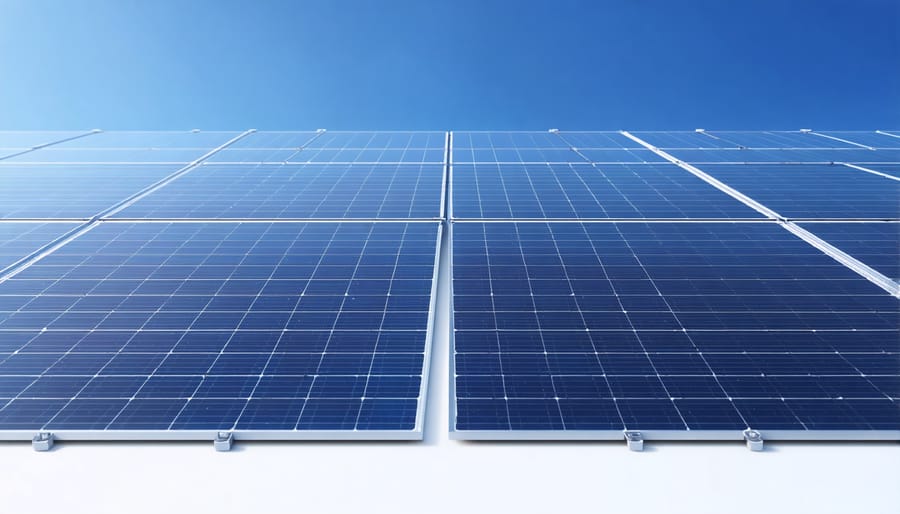
Pros and Cons of Flexible Solar Panels
Advantages
Flexible solar panels offer several distinct advantages over traditional rigid panels. One of the most significant benefits is their portability. These lightweight, thin panels can be easily transported and deployed in remote locations or temporary installations, making them ideal for outdoor enthusiasts, emergency responders, and mobile applications. Additionally, flexible panels can be installed on curved or irregular surfaces, such as boat decks, RV roofs, or even backpacks, expanding the potential applications for solar energy harvesting.
In terms of durability, flexible solar panels are often made from resilient materials like ETFE (ethylene tetrafluoroethylene) or PET (polyethylene terephthalate), which can withstand harsh weather conditions, UV exposure, and physical stress better than glass-based rigid panels. This ruggedness makes them suitable for challenging environments and reduces the risk of damage during installation or use.
Moreover, the lightweight nature of flexible panels simplifies installation, as they require less structural support and can be mounted using adhesives or grommets, reducing the need for complex racking systems. This ease of installation can translate into cost savings on labor and materials, making solar energy more accessible to a wider range of users.
While flexible solar panels may have slightly lower efficiency compared to rigid panels due to their design limitations, their adaptability, durability, and potential cost savings make them an attractive option for many applications. As technology advances, the performance gap between flexible and rigid panels is likely to narrow, further enhancing the appeal of these versatile solar solutions.
Disadvantages
Despite the numerous advantages of flexible solar panels, they do have some drawbacks compared to traditional rigid panels. One of the main disadvantages is their lower efficiency. Due to the nature of the flexible materials used, these panels typically have a lower power output per square foot than crystalline panels. This means that a larger surface area is required to generate the same amount of electricity, which can be a limitation in certain applications where space is restricted.
Another potential issue with flexible solar panels is their shorter lifespan. The materials used in these panels, such as thin-film solar cells, are more susceptible to degradation over time compared to the robust construction of rigid panels. This can result in a faster decline in performance and the need for more frequent replacements, which may offset the initial cost benefits in the long run.
Currently, flexible solar panels also tend to have higher costs compared to their rigid counterparts. The specialized manufacturing processes and materials used in producing these panels contribute to their elevated price point. As the technology is still relatively new and not as widely adopted, the economies of scale have not yet been achieved to bring down the costs significantly. However, as research and development continue and more manufacturers enter the market, it is expected that the prices of flexible solar panels will decrease in the future, making them more accessible and cost-effective for a wider range of applications.
Best Use Cases for Flexible Panels
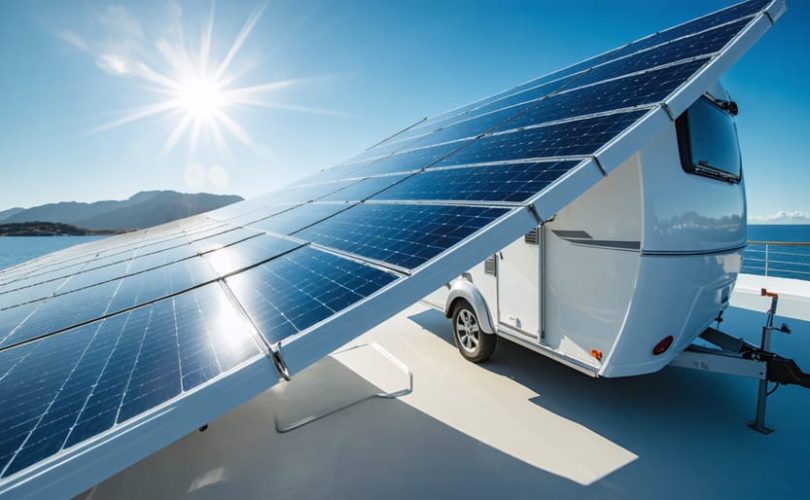
Flexible solar panels excel in various applications where traditional rigid panels may not be suitable or practical. One of the most popular use cases for flexible panels is on recreational vehicles (RVs). RV owners often have limited roof space and may encounter low-hanging branches or other obstacles that could damage rigid panels. Flexible panels can be easily mounted on curved or irregular RV roofs, maximizing the available space for solar energy generation. Moreover, flexible panels are lightweight, making them ideal for RV solar systems without adding significant weight to the vehicle.
Another excellent application for flexible solar panels is on boats. Marine environments can be harsh on electronic equipment, but flexible panels are designed to withstand the elements, including salt water and high winds. They can be installed on curved boat decks or cabins, providing a reliable source of clean energy for onboard electronics and appliances. For more details on designing optimal solar systems for specific applications, consider exploring how to design the perfect RV solar system.
Flexible solar panels are also perfect for portable charging solutions. Outdoor enthusiasts, such as hikers and campers, can benefit from lightweight, foldable solar panels that can easily be packed and transported. These portable panels can charge smartphones, tablets, and other small electronic devices, ensuring a constant power supply even in remote locations.
For those who enjoy camping or spending time in the great outdoors, flexible solar panels can be integrated into tents. Solar-powered tents allow campers to charge their devices and power small appliances without relying on noisy, polluting generators. The flexible nature of these panels enables them to be sewn directly into the tent fabric, creating a seamless and efficient charging solution.
Lastly, flexible solar panels can be an excellent choice for homes or buildings with curved or non-traditional roof designs. These panels can conform to the shape of the roof, maximizing the surface area available for solar energy collection. This adaptability makes flexible panels a valuable option for architects and homeowners looking to incorporate solar energy into their designs without compromising aesthetics or functionality.
Are Flexible Panels Right for You?
To determine if flexible solar panels are the right choice for your needs, carefully consider your specific application, budget, and efficiency requirements. Flexible panels are ideal for curved or irregular surfaces, such as boat decks, RV roofs, or portable devices, where traditional rigid panels may not fit. They are also lighter and more portable, making them suitable for off-grid and mobile applications. However, flexible panels are generally more expensive per watt than rigid panels and have lower efficiency ratings. If budget is a primary concern and you have ample flat surface area, rigid panels may be a more cost-effective option. Ultimately, the decision depends on your unique situation and priorities. Consult with a professional solar installer to assess your needs and determine if flexible solar panels are the best fit for your project.
Conclusion
In conclusion, flexible solar panels offer a promising alternative to traditional rigid panels for specific applications. Their lightweight, adaptable design allows for installation on curved or uneven surfaces, making them ideal for portable devices, boats, RVs, and temporary structures. However, their lower efficiency and durability compared to rigid panels may limit their suitability for large-scale, permanent installations. Ultimately, the decision to use flexible solar panels depends on the specific requirements of each project. By carefully weighing the advantages and disadvantages, such as portability, ease of installation, efficiency, and long-term performance, renewable energy enthusiasts and industry professionals can determine whether flexible panels are the best choice for their unique situation. As advancements in materials and manufacturing processes continue, the potential for flexible solar panels to play a significant role in the future of photovoltaics remains promising.