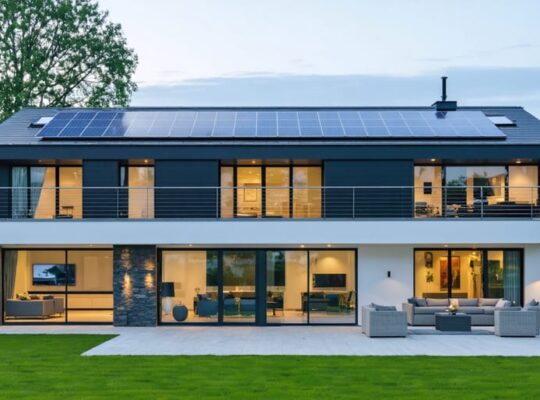
Transform your RV into a self-sufficient power station by choosing flexible solar panels engineered specifically for mobile applications. Modern flexible photovoltaic modules deliver up to 95% of traditional rigid panel efficiency while weighing 70% less and conforming to curved RV roofs. Recent advances in thin-film technology have produced ultra-durable panels capable of withstanding extreme temperatures (-40°F to 185°F) and high wind conditions, making them ideal for constant road exposure. Industry-leading models now incorporate mono-crystalline cells with efficiency ratings exceeding 23%, while maintaining a profile under 3mm thick. These cutting-edge panels integrate seamlessly with sophisticated charge controllers and battery systems, providing reliable off-grid power without compromising your RV’s aerodynamics or structural integrity. Understanding the critical balance between power output, weight considerations, and installation requirements ensures optimal performance for your specific mobile living needs.
Understanding Flexible Solar Panel Technology
Thin-Film vs Crystalline Technology
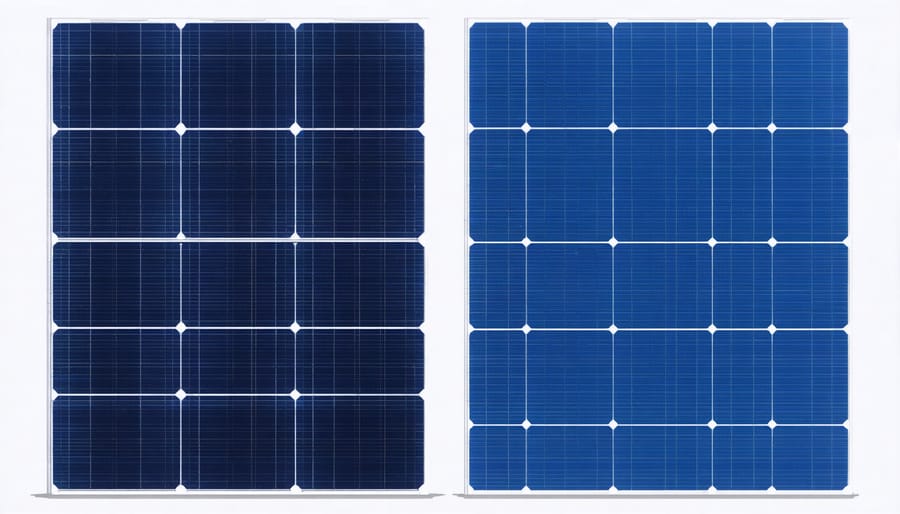
When selecting flexible solar panels for your RV, understanding the fundamental differences between thin-film and crystalline solar technology is crucial. Thin-film panels utilize amorphous silicon or CIGS (Copper Indium Gallium Selenide) technology, offering superior flexibility and lightweight characteristics. These panels can conform to curved surfaces and perform relatively well in low-light conditions, making them particularly suitable for RV applications.
However, thin-film technology typically demonstrates lower efficiency rates (7-13%) compared to crystalline panels (15-22%). This efficiency difference means you’ll need more surface area to achieve the same power output. Understanding these pros and cons of flexible panels is essential for making an informed decision.
Crystalline panels, while slightly less flexible, offer higher power density and better long-term durability. They’re available in both monocrystalline and polycrystalline variants, with monocrystalline typically offering superior efficiency in compact spaces. The semi-flexible crystalline panels can bend up to 30 degrees, making them suitable for most RV installations while maintaining higher power output per square foot.
Temperature performance is another crucial factor, with thin-film technology generally handling heat better than crystalline panels, experiencing less efficiency loss in hot conditions. This characteristic can be particularly beneficial for RV applications in warm climates.
Key Performance Metrics
When evaluating flexible solar panels for RV applications, several key performance metrics demand careful consideration. Efficiency ratings typically range from 15% to 23%, with premium models achieving higher conversion rates. Most flexible panels designed for RVs deliver power outputs between 100W and 200W per panel, though specialized high-output models can exceed these figures.
Durability factors are crucial for mobile applications. Quality flexible panels should withstand temperatures from -40°F to 185°F and feature a bend radius of 30 degrees without compromising performance. Marine-grade materials and robust lamination processes ensure resistance to salt spray, humidity, and UV exposure, with leading manufacturers offering warranties of 20-25 years on power output.
Cell technology significantly impacts performance, with monocrystalline cells generally outperforming polycrystalline alternatives in both efficiency and temperature coefficient ratings. Premium panels demonstrate temperature coefficients of -0.35%/°C or better, ensuring minimal power loss during hot weather operation.
Power tolerance ratings deserve attention, with superior panels maintaining outputs within ±3% of rated capacity. Low-light performance varies significantly between models, with high-end panels maintaining up to 95% of rated efficiency at 200W/m² irradiance. These metrics, combined with certification standards such as IEC 61215 and IEC 61730, provide a comprehensive framework for evaluating flexible solar panel performance in RV applications.
Top Flexible Solar Panel Options for RVs
High-Performance Models
In the premium segment of flexible solar panels, several high-efficiency models stand out for their exceptional performance and reliability. The SunPower Flexible Series leads the market with its impressive 23% efficiency rating, utilizing high-purity monocrystalline cells that maximize power generation even in limited space. These panels incorporate proprietary Maxeon cell technology, ensuring consistent output even under partial shading conditions.
ETFE (Ethylene Tetrafluoroethylene) coating technology features prominently in premium models, offering superior durability and light transmission compared to traditional polymers. Notable manufacturers like Renogy and Go Power! have implemented this advanced material in their high-end flexible panels, resulting in products that maintain peak performance while weighing approximately 70% less than rigid alternatives.
The LG Flexible Series deserves mention for its innovative cell architecture, which allows for a bend radius of up to 25 degrees without compromising structural integrity. This flexibility, combined with its 21% efficiency rating, makes it particularly suitable for curved RV roofs. The series also features advanced bypass diode technology, minimizing power loss during partial shading scenarios.
Premium flexible panels typically incorporate sophisticated junction box designs with IP68 waterproof ratings, ensuring reliable operation in diverse weather conditions. Many high-performance models also feature integrated temperature compensation systems, maintaining optimal output even during extreme temperature fluctuations common in RV applications.
For maximum durability, leading manufacturers employ multi-layer lamination processes with UV-resistant materials. This construction method not only extends panel lifespan but also prevents yellowing and degradation common in lower-quality alternatives. Some premium models, such as the Solbian SP Series, utilize aerospace-grade materials that offer exceptional resistance to environmental stressors while maintaining high power density.
When considering high-performance options, it’s essential to note that these panels typically come with comprehensive warranty coverage, often extending to 25 years for power output guarantees and 10 years for materials and workmanship.
Budget-Friendly Solutions
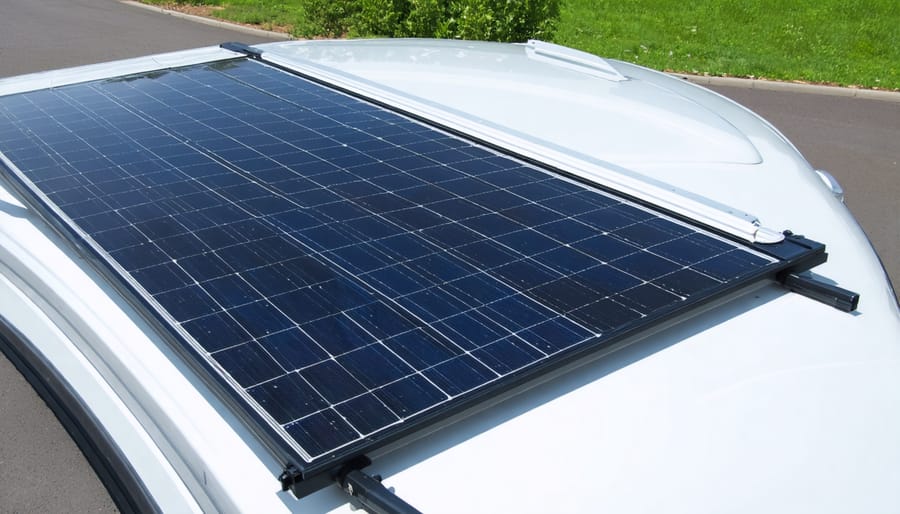
For budget-conscious RV enthusiasts, several flexible solar panel options provide excellent value without compromising essential performance metrics. The Renogy Flexible 100W Solar Panel consistently demonstrates a favorable price-to-performance ratio, offering efficiency ratings above 15% while maintaining durability standards suitable for RV applications. Its lightweight design and competitive pricing make it an attractive entry-level choice.
ECO-WORTHY’s flexible solar panels present another cost-effective solution, featuring advanced polymer materials that reduce manufacturing costs while preserving fundamental functionality. These panels typically retail for 15-20% less than premium alternatives while delivering comparable power output in optimal conditions.
When evaluating budget options, focus on panels that maintain core certifications (IEC 61215, IEC 61730) and offer reasonable warranty terms, typically 5-10 years for product defects and 15-20 years for power output. XINPUGUANG’s flexible panels meet these criteria while remaining accessible to cost-conscious consumers.
To maximize value, consider purchasing during off-season periods or through certified distributors who offer bulk pricing. Many manufacturers provide significant discounts on previous generation models that maintain reliable performance characteristics. Additionally, some suppliers offer complete starter kits that include essential components like charge controllers and mounting hardware, potentially reducing overall system costs.
Remember that while initial cost savings are important, factor in the panel’s efficiency rating and expected lifespan. A slightly higher upfront investment in a more efficient budget panel may prove more economical over time through improved energy generation and reduced replacement needs. Look for panels with documented degradation rates below 1% annually to ensure long-term value.
Specialized RV-Specific Panels
Specialized RV solar panels are engineered with distinct features that address the unique challenges of mobile living. These panels incorporate lightweight, durable materials specifically chosen to withstand the rigors of constant movement and varying weather conditions. Most RV-specific panels utilize ETFE (Ethylene Tetrafluoroethylene) coating, which offers superior durability and UV resistance compared to traditional PET materials.
These purpose-built panels typically feature aerodynamic designs with heights under 3mm, significantly reducing wind resistance during travel. The mounting systems are specifically engineered for RV roofs, utilizing marine-grade adhesives and specialized brackets that maintain structural integrity while preventing water intrusion.
Many manufacturers incorporate bypass diodes within their RV panels to optimize performance during partial shading conditions, a common occurrence in campground settings. The junction boxes are typically IP68-rated, ensuring complete protection against dust and water infiltration, which is crucial for mobile applications.
RV-specific panels often include integrated charge controllers designed for 12V systems, simplifying installation and ensuring compatibility with RV electrical systems. The panels’ flexibility allows for installation on slightly curved surfaces, typically accommodating a bend radius of up to 30 degrees without compromising performance.
Advanced models feature smart monitoring capabilities compatible with RV energy management systems, allowing users to track power generation and consumption through mobile applications. The wiring configurations are pre-designed for typical RV specifications, utilizing MC4 connectors and appropriate gauge cables that meet mobile installation standards.
When selecting RV-specific panels, verify certification compliance with standards such as IEC 61215 and IEC 61730, ensuring safety and performance requirements specific to mobile applications are met.
Installation and Maintenance Considerations
Mounting Options and Best Practices
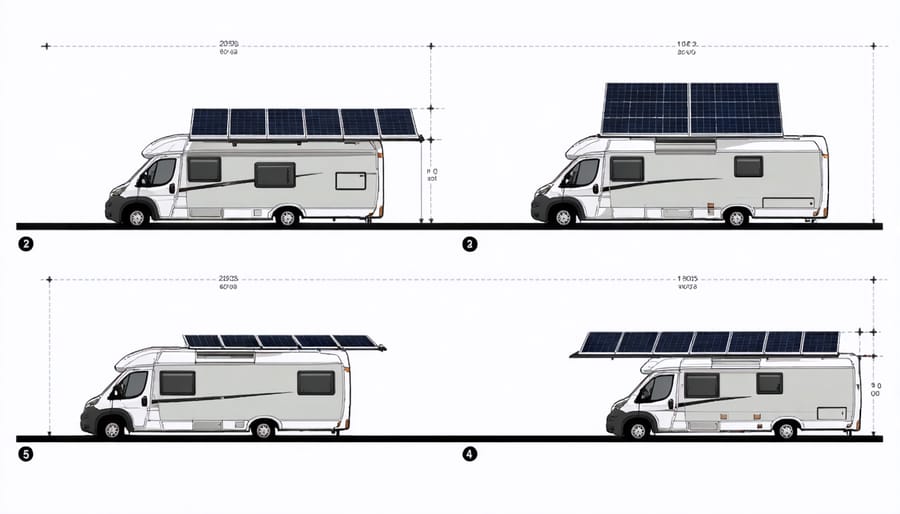
Proper installation of flexible solar panels on your RV requires careful consideration of mounting methods to ensure optimal performance and longevity. The primary mounting options include adhesive backing, mechanical fasteners, and specialized mounting brackets.
Adhesive mounting, utilizing industrial-grade VHB tape or similar products, offers a clean, drill-free installation method. When using adhesives, thoroughly clean the RV roof surface with isopropyl alcohol and ensure the temperature is between 50-90°F (10-32°C) during installation. Apply pressure evenly across the panel surface and allow 24-48 hours for complete adhesive curing.
Mechanical mounting involves securing the panels using stainless steel screws or bolts through reinforced grommets. This method provides superior wind resistance but requires careful attention to maintain roof integrity. Always use appropriate sealants around penetrations to prevent water infiltration, and consider using backing plates beneath the roof surface for additional support.
For optimal performance, position panels to maximize sun exposure throughout the day. Install panels parallel to the RV’s direction of travel to minimize wind resistance. Maintain a minimum 1-inch gap between panels and the roof surface to allow airflow and reduce heat buildup, which can affect panel efficiency.
Cable management is crucial for both safety and aesthetics. Use UV-resistant cable ties and conduit to secure wiring, ensuring all connections are weatherproof and properly strain-relieved. Install junction boxes in protected locations, avoiding areas prone to water accumulation.
Regular maintenance inspections should focus on checking mounting security, examining sealants for degradation, and verifying cable connections remain tight. For areas with heavy snow or debris accumulation, consider installing the panels at a slight angle to facilitate natural cleaning.
When planning your installation, account for roof obstacles such as vents and air conditioners. Document all mounting points and wiring routes for future reference, and always consult your RV manufacturer’s guidelines regarding roof loading and modification restrictions.
Long-term Care and Performance Optimization
To ensure the longevity and optimal performance of flexible solar panels on your RV, implementing a comprehensive maintenance routine is essential. Regular inspection and cleaning are fundamental to maximize solar panel efficiency throughout their operational lifespan.
Begin by establishing a quarterly inspection schedule to check for physical damage, loose connections, or signs of delamination. Clean the panels monthly using non-abrasive materials and specialized solar panel cleaning solutions to prevent surface degradation. Avoid harsh chemicals or abrasive tools that could compromise the flexible material’s integrity.
Monitor the mounting system regularly, as flexible panels are particularly susceptible to wind uplift. Ensure all attachment points remain secure and replace any deteriorating adhesive or mounting hardware promptly. During extended periods of inactivity, consider using protective covers to shield the panels from environmental stressors.
To optimize panel performance, maintain proper ventilation beneath the panels to prevent heat buildup. High temperatures can significantly impact efficiency and accelerate degradation. Install temperature sensors if possible to monitor operating conditions.
Keep detailed maintenance records documenting cleaning dates, performance measurements, and any repairs. This data helps identify potential issues before they become critical and assists in warranty claims if necessary. Consider professional inspection annually to assess the system’s overall health and address any developing concerns.
For winter storage, ensure panels are clean and free from snow accumulation. If storing your RV indoors, disconnect the solar system and check all connections before recommissioning in spring. Regular maintenance not only extends panel life but also maintains optimal energy production capabilities throughout the system’s operational lifetime.
Making Your Final Selection
To make your final selection for a flexible solar panel that best suits your RV, consider implementing a systematic evaluation process. Begin by calculating your total energy requirements, accounting for all appliances and devices you plan to power. This calculation will determine the minimum wattage capacity needed from your solar installation.
Next, evaluate your available roof space and weight constraints. Measure the unobstructed area where panels can be mounted, considering vents, air conditioners, and other roof fixtures. Document these measurements and compare them against the dimensions of potential panel options.
Consider your typical travel patterns and environmental conditions. If you frequently visit areas with partial shade or operate in high-temperature regions, prioritize panels with bypass diodes and superior temperature coefficients. For coastal travelers, panels with enhanced salt spray resistance become crucial.
Compare warranty terms across manufacturers, focusing on both product and performance guarantees. Premium manufacturers typically offer 20-25 year performance warranties, though terms may vary for flexible panels specifically designed for mobile applications.
Examine the certification standards met by each panel under consideration. Look for IEC 61215 and IEC 61730 certifications, which validate durability and safety requirements. For marine-grade applications, additional certifications may be relevant.
Factor in your budget constraints while considering the total system cost, including necessary mounting hardware and charge controllers. While initial costs are important, calculate the long-term value by analyzing efficiency ratings and degradation rates.
Finally, review installation requirements and ensure compatibility with your existing or planned charge controller and battery system. Select a panel that offers the optimal balance between performance specifications, durability requirements, and installation practicality for your specific RV application.
After thoroughly analyzing various flexible solar panels for RV applications, several key factors emerge as crucial for making an informed decision. The Renogy Flexible 100W Solar Panel consistently demonstrates superior performance, combining lightweight design with excellent efficiency ratings and durability. For those prioritizing maximum power output in limited space, the SunPower Flexible 110W offers industry-leading efficiency rates and advanced cell technology.
Installation considerations remain paramount, with proper mounting techniques and adequate ventilation being essential for optimal performance. The choice between adhesive backing and mounting brackets should align with your specific RV configuration and usage patterns. Additionally, ensuring compatibility with your existing charge controller and battery system is crucial for seamless integration.
When making your final selection, consider the balance between cost, efficiency, and durability. Premium options like the SunPower series offer superior performance and longer warranties but come at a higher initial investment. Mid-range alternatives such as Renogy provide excellent value while maintaining reliable performance metrics.
For most RV applications, we recommend the Renogy Flexible 100W as the optimal choice, offering an excellent combination of durability, efficiency, and value. However, for those requiring maximum power output in limited space, the SunPower Flexible 110W presents a compelling alternative despite its premium pricing. Remember to factor in your specific energy requirements, available installation space, and budget constraints when making your final decision.