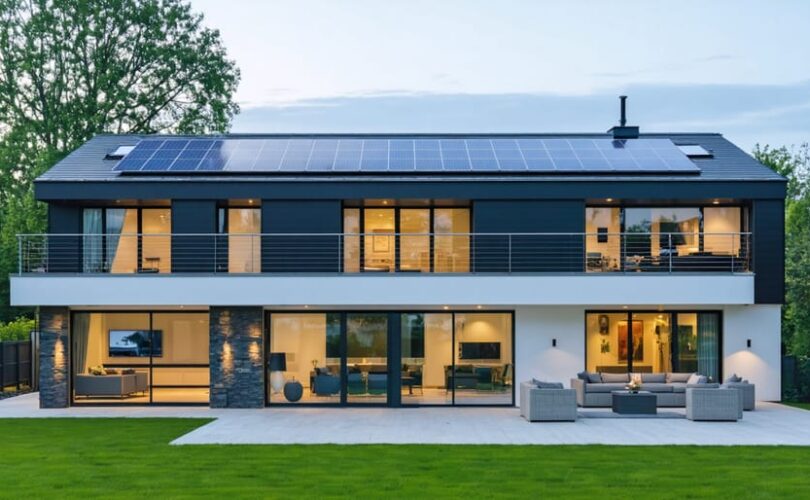
Zero-energy homes represent the pinnacle of sustainable architecture, combining cutting-edge technology with intelligent design to achieve net-zero energy consumption. These revolutionary dwellings produce as much energy as they consume annually through an integrated system of advanced building techniques, renewable energy generation, and smart home technologies. By leveraging solar photovoltaic systems, superior insulation, energy-efficient appliances, and sophisticated energy management systems, zero-energy homes are reshaping our approach to residential construction and environmental stewardship.
As climate change concerns intensify and energy costs continue to rise, zero-energy homes offer a compelling solution that merges environmental responsibility with economic pragmatism. These homes not only eliminate monthly energy bills but also provide enhanced comfort, improved indoor air quality, and increased property value. The convergence of decreasing renewable energy costs, advancing building technologies, and supportive government policies has made zero-energy homes increasingly accessible to mainstream homeowners and developers.
This comprehensive exploration will examine the essential components, design principles, and technological innovations that make zero-energy homes possible, while providing practical insights for those considering this transformative approach to residential living.
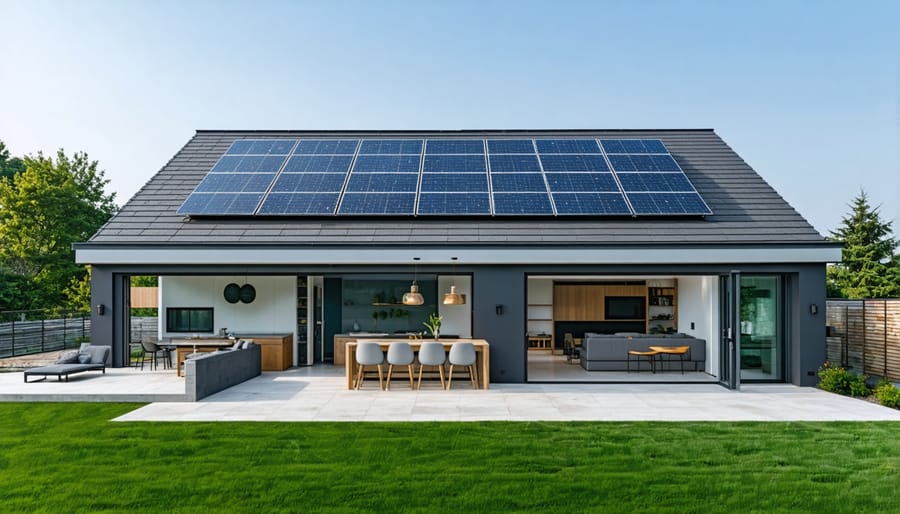
What Makes a Home Truly Zero Energy?
Advanced Building Design and Insulation
Advanced building design for zero energy homes incorporates cutting-edge materials and construction techniques that maximize thermal efficiency. The building envelope utilizes high-performance insulation materials, including structural insulated panels (SIPs) and vacuum-insulated panels, achieving R-values significantly higher than conventional construction. Strategic placement of windows with triple-pane glazing optimizes solar gain while minimizing heat loss.
The foundation incorporates frost-protected shallow foundations with continuous insulation, preventing thermal bridging. Walls are constructed using advanced framing techniques that reduce lumber usage while increasing insulation space. Air-tight construction, verified through home energy efficiency testing, prevents unwanted air infiltration and heat loss.
Roof designs feature enhanced ventilation systems and reflective materials to regulate temperature naturally. The building’s thermal mass, achieved through materials like concrete floors and masonry walls, helps maintain stable indoor temperatures by absorbing and releasing heat gradually. These design elements work in concert with mechanical systems to minimize energy requirements while maintaining optimal comfort levels.
Solar PV Integration
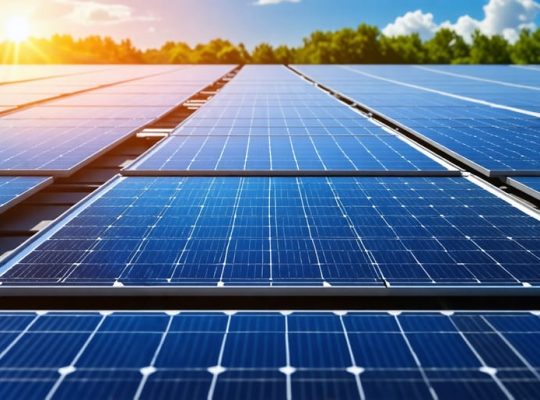
Solar photovoltaic (PV) systems serve as the cornerstone of zero energy homes, converting sunlight into electricity to meet household energy demands. These systems typically consist of rooftop solar arrays, inverters, and monitoring equipment that work in concert to generate clean, renewable power. The effectiveness of a PV system depends on factors such as roof orientation, panel efficiency, and local climate conditions.
Modern solar panel integration options include both traditional mounted panels and building-integrated photovoltaics (BIPV), which seamlessly incorporate solar cells into building materials. System sizing is crucial, requiring careful calculation of annual energy consumption and available solar resources to achieve net-zero energy status.
Advanced power management systems optimize solar generation by coordinating with energy storage solutions and smart home technologies. These systems monitor real-time energy production and consumption, automatically adjusting usage patterns to maximize solar utilization. Additionally, grid-tied systems allow homes to export excess energy during peak production and draw power when needed, ensuring consistent energy availability while maintaining zero net consumption over time.
Essential Technology Systems
Smart Energy Management Systems
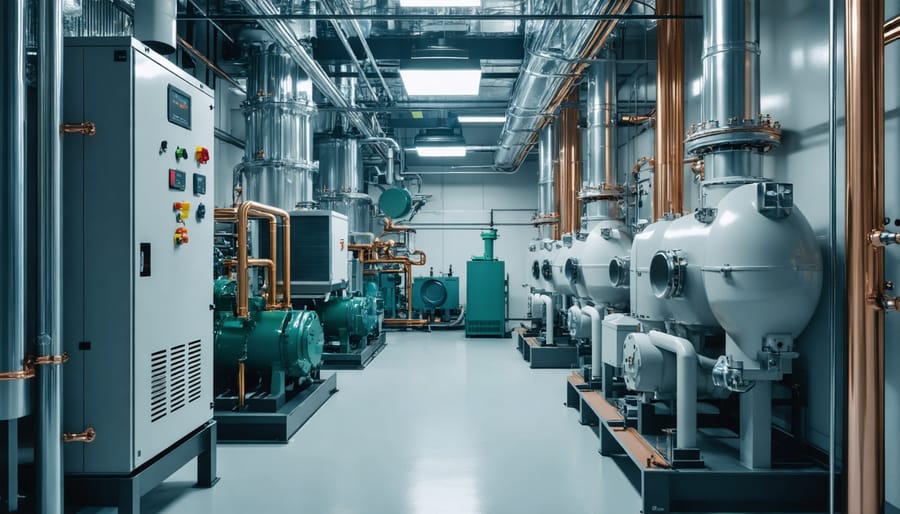
Smart energy management systems serve as the central nervous system of zero-energy homes, orchestrating the efficient use of power throughout the building. These sophisticated platforms integrate multiple components, including smart meters, IoT sensors, and automated controls to optimize energy consumption in real-time.
The system continuously monitors energy production from renewable sources, tracks household consumption patterns, and adjusts various parameters to maintain optimal efficiency. Advanced algorithms analyze historical usage data and environmental conditions to predict energy needs and automatically adjust HVAC settings, lighting levels, and appliance operations.
Key features typically include:
– Real-time energy consumption monitoring
– Automated load balancing
– Predictive analytics for energy usage
– Integration with smart appliances
– Mobile app interfaces for remote control
– Grid interaction management
– Energy storage system optimization
These systems can identify energy waste points and suggest improvements, helping homeowners make informed decisions about their energy usage. They also facilitate seamless interaction with the power grid, enabling efficient energy export during surplus periods and import during deficit times.
The integration of artificial intelligence and machine learning capabilities allows these systems to continuously improve their performance, adapting to changing household patterns and seasonal variations while maintaining optimal energy balance throughout the year.
High-Efficiency HVAC Solutions
High-efficiency HVAC systems form the backbone of zero energy homes, significantly reducing energy consumption while maintaining optimal indoor comfort. These advanced systems integrate sophisticated heat pump technology with smart climate controls to maximize performance and minimize energy usage.
Modern air-source heat pumps achieve coefficient of performance (COP) ratings exceeding 4.0, meaning they deliver four units of heating or cooling energy for every unit of electrical energy consumed. Ground-source heat pumps, while requiring higher initial investment, offer even greater efficiency by leveraging stable underground temperatures.
Variable-speed compressors and electronically commutated motors (ECMs) allow these systems to operate at precise capacity levels, eliminating energy waste from constant cycling. Energy recovery ventilators (ERVs) further enhance efficiency by transferring heat and moisture between incoming and outgoing air streams, reducing the load on heating and cooling systems while maintaining superior indoor air quality.
Smart zoning controls enable room-by-room temperature management, ensuring energy is used only where needed. Advanced filtration systems and humidity control features maintain healthy indoor air quality without compromising energy efficiency. When paired with proper building envelope design and automated controls, these HVAC solutions can reduce heating and cooling energy consumption by up to 50% compared to conventional systems.
Regular maintenance and proper sizing of HVAC equipment are crucial for maintaining peak efficiency and ensuring long-term performance in zero energy homes.
Energy Storage and Grid Integration
Energy storage systems play a crucial role in achieving true zero energy status by managing power flow between renewable generation and household consumption. Advanced lithium-ion battery systems, typically ranging from 10 to 15 kWh capacity, serve as the primary storage solution for most zero energy homes. These systems enable homeowners to store excess solar energy generated during peak production hours for use during evening periods or cloudy days.
Grid integration involves sophisticated bi-directional power management systems that allow homes to both draw from and feed energy back to the utility grid. Smart inverters facilitate this two-way energy flow while maintaining power quality and ensuring compliance with utility requirements. Modern zero energy homes employ intelligent energy management systems that automatically optimize the balance between stored energy, real-time solar production, and grid interaction.
The integration strategy typically follows a hierarchical approach: first utilizing direct solar power, then stored energy from batteries, and finally grid power when necessary. During periods of excess production, the system exports surplus energy to the grid, often earning credits through net metering programs. This arrangement provides a reliable backup power source while contributing to grid stability through demand response capabilities.
Advanced monitoring systems track energy flows in real-time, allowing homeowners to optimize their consumption patterns and maintain zero net energy status throughout the year. These systems often include predictive algorithms that account for weather forecasts and historical usage patterns to maximize energy independence.
Real-World Performance and ROI
Energy Production vs. Consumption
In a zero-energy home, the critical balance between energy production and consumption determines the system’s overall effectiveness. Statistical analysis shows that the average zero-energy home produces between 5,000 and 15,000 kWh annually, depending on geographical location and system capacity. To maximize solar panel efficiency, production must align with daily and seasonal consumption patterns.
Data collected from existing zero-energy homes indicates that energy production typically peaks during midday hours (10 AM to 2 PM), while consumption patterns show two distinct peaks: morning (6 AM to 9 AM) and evening (5 PM to 10 PM). This misalignment necessitates either energy storage solutions or grid interaction to maintain continuous power supply.
Annual consumption patterns demonstrate seasonal variations, with winter months showing increased energy demand due to heating requirements and reduced solar production. Summer months often produce excess energy, which can be fed back into the grid or stored for later use. Research indicates that successful zero-energy homes typically maintain a production-to-consumption ratio of 1.1:1, providing a small buffer for system inefficiencies and unexpected usage spikes.
Modern monitoring systems enable real-time tracking of this energy balance, allowing homeowners to optimize their consumption patterns and maintain zero-energy status throughout the year. Studies show that homes equipped with smart energy management systems achieve their zero-energy goals 23% more consistently than those without such systems.
Cost-Benefit Analysis
The financial analysis of a zero energy home reveals compelling long-term benefits despite higher initial costs. Initial investments typically range from 5-15% above conventional construction costs, primarily due to enhanced insulation, high-performance windows, and renewable energy systems. However, these upfront expenses are offset by substantial operational savings.
A comprehensive study of zero energy homes across different climate zones demonstrates average annual energy savings of $2,500-$4,000 for a typical 2,500-square-foot residence. The return on investment (ROI) period generally falls between 7-12 years, depending on local energy costs and available incentives.
Key financial considerations include:
– Energy cost savings: 90-100% reduction in utility bills
– Federal tax credits: Up to 30% of solar installation costs
– State and local incentives: Varying by location, often reducing initial costs by 10-20%
– Property value increase: Average 4-6% premium compared to conventional homes
– Maintenance savings: Reduced HVAC repairs due to efficient systems
Long-term financial benefits extend beyond direct energy savings. Zero energy homes demonstrate superior market resilience, maintaining higher resale values and attracting premium buyers. Insurance companies increasingly offer reduced rates for these properties due to their advanced building techniques and reduced risk profiles.
When factoring in rising energy costs, which historically increase 2-3% annually, the financial advantages of zero energy homes become even more pronounced over time.
Implementation Roadmap
Transitioning to a zero energy home requires careful planning and systematic implementation. Begin with a comprehensive energy audit to establish your current energy consumption patterns and identify areas for improvement. This baseline assessment will guide your retrofitting strategy or new construction plans.
The first implementation phase focuses on maximizing energy efficiency through passive design elements. Install high-performance insulation in walls, floors, and ceilings, upgrade to triple-pane windows with low-e coating, and ensure proper air sealing throughout the building envelope. These fundamental improvements typically reduce energy demand by 40-60%.
Next, integrate active energy-efficient systems. Replace conventional HVAC equipment with high-efficiency heat pumps, install energy recovery ventilation systems, and upgrade to LED lighting throughout the home. Smart home technology, including programmable thermostats and energy monitoring systems, should be implemented to optimize energy usage patterns.
The third phase involves renewable energy integration. Size your solar photovoltaic system based on your reduced energy consumption after efficiency measures. Consider factors such as roof orientation, shading, and local climate conditions. Include energy storage systems if grid independence is desired.
Water conservation measures form the fourth implementation phase. Install water-efficient fixtures, implement greywater recycling systems, and consider rainwater harvesting to reduce overall resource consumption.
Throughout the implementation process, maintain detailed documentation of energy performance metrics. This data helps verify system efficiency and identifies any necessary adjustments. Establish a maintenance schedule for all systems to ensure optimal performance.
For new construction projects, coordinate with architects and contractors experienced in zero energy building practices. For retrofits, work with certified energy professionals to develop a tailored implementation strategy. Consider local building codes, available incentives, and utility requirements during planning.
The transition typically spans 12-24 months, depending on project scope. Prioritize improvements based on cost-effectiveness and practical constraints. Regular monitoring and adjustment of systems ensure sustained zero energy performance over time.
Zero energy homes represent a significant milestone in sustainable architecture and energy-efficient building design, combining advanced construction techniques with renewable energy systems to achieve net-zero energy consumption. As global energy demands continue to rise and environmental concerns become more pressing, these homes offer a viable solution for reducing carbon emissions while providing comfortable, modern living spaces.
The integration of passive solar design, high-performance insulation, energy-efficient appliances, and photovoltaic systems has proven that zero energy homes are not just conceptually possible but practically achievable. The decreasing costs of renewable energy technologies, coupled with improvements in building materials and construction methods, are making these homes increasingly accessible to a broader segment of the population.
Looking ahead, the future of zero energy homes appears promising. Technological advancements in energy storage systems, smart home integration, and building automation will further enhance their efficiency and functionality. Government incentives, stricter building codes, and growing environmental awareness continue to drive adoption rates upward.
While challenges remain, particularly in terms of initial construction costs and widespread implementation, the benefits of zero energy homes extend beyond individual homeowners to contribute to global sustainability goals. As the technology continues to evolve and become more cost-effective, zero energy homes are poised to become the standard rather than the exception in residential construction, marking a crucial step toward a more sustainable future.