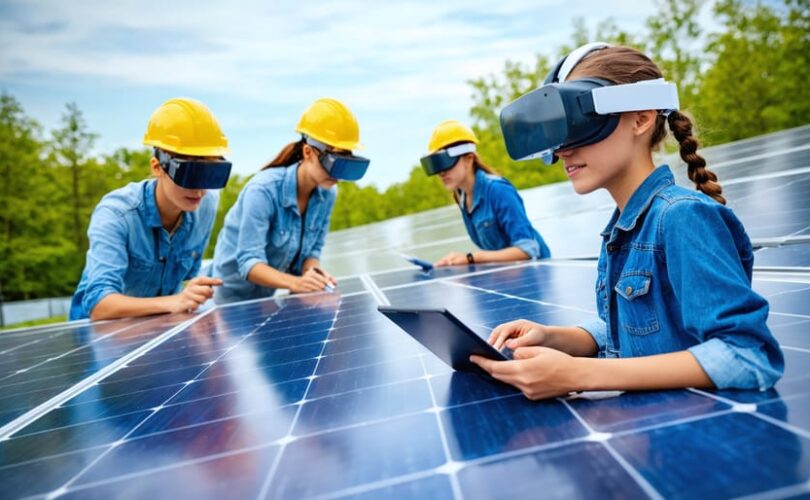
Solar education programs represent a critical bridge between emerging renewable energy technologies and the skilled workforce needed to drive sustainable energy adoption. As the solar industry experiences unprecedented growth – with installations projected to quadruple by 2030 – comprehensive training programs have become essential for developing qualified professionals who can design, install, and maintain photovoltaic systems.
These educational initiatives range from technical certification courses to advanced degree programs, combining hands-on experience with theoretical knowledge. Modern solar education encompasses multiple disciplines, including electrical engineering, system design, safety protocols, and business practices, preparing students for diverse roles within the renewable energy sector.
The evolution of solar training has paralleled technological advancements, incorporating virtual reality simulations, online learning platforms, and real-time monitoring systems. This integration of cutting-edge tools with traditional instruction methods ensures graduates possess both foundational knowledge and practical expertise in current industry standards.
As renewable energy continues transforming the global energy landscape, solar education programs serve as catalysts for workforce development, innovation, and sustainable economic growth. These programs not only create pathways to rewarding careers but also contribute to the broader mission of accelerating the transition to clean energy solutions.
The Evolution of Solar PV Education
Traditional vs. Modern Learning Approaches
Traditional solar education primarily relied on classroom lectures, textbook learning, and basic hands-on training with limited equipment. While these methods established strong theoretical foundations, they often fell short in providing real-world experience with modern solar technologies.
Contemporary approaches integrate advanced simulation software, virtual reality training modules, and sophisticated laboratory equipment to create immersive learning experiences. Students now practice installation techniques on full-scale mock roofs, use digital monitoring systems, and work with actual solar components before entering the field.
Online learning platforms have revolutionized accessibility, allowing professionals to pursue certification while maintaining their careers. These platforms offer interactive content, real-time assessments, and virtual laboratories that simulate various installation scenarios and troubleshooting situations.
The most effective programs now combine traditional and modern methods, incorporating classroom instruction with digital tools and hands-on experience. This hybrid approach ensures learners develop both theoretical knowledge and practical skills while staying current with rapidly evolving solar technologies. Industry partnerships further enhance these programs by providing access to cutting-edge equipment and real-world project experience.
Industry-Academia Partnerships
Industry-academia partnerships form a crucial bridge between theoretical knowledge and practical application in solar technology education. Leading universities collaborate with solar companies to develop curricula that reflect current industry needs and technological advances. These partnerships typically involve joint research projects, internship programs, and specialized training facilities equipped with state-of-the-art solar equipment.
Companies like SunPower, Tesla, and First Solar actively engage with academic institutions, providing resources, expertise, and real-world project experience. Students benefit from access to industrial-grade equipment, while companies gain early access to talented graduates and innovative research findings. Many partnerships also facilitate knowledge transfer through guest lectures, workshops, and collaborative research publications.
These collaborations often result in specialized certification programs and advanced degrees tailored to industry requirements. Universities can update their course content based on direct industry feedback, ensuring graduates possess relevant skills. Additionally, these partnerships frequently lead to technological innovations, with research findings directly contributing to commercial solar applications and improved installation methodologies.
Core Components of Effective Solar Training
Hands-on Technical Training
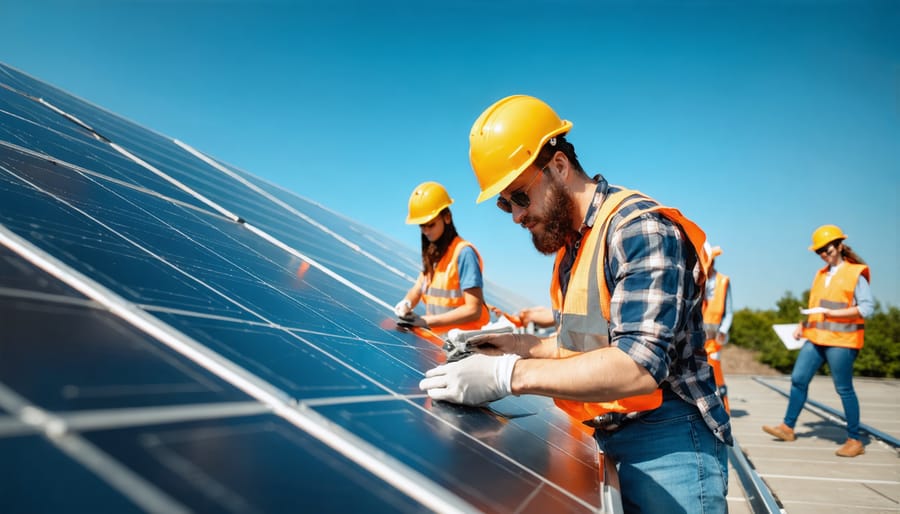
Practical experience forms the cornerstone of effective solar education, with comprehensive hands-on installation training providing essential skills development. Students engage in fully equipped laboratories where they work with actual solar panels, inverters, and monitoring systems under expert supervision. These specialized facilities simulate real-world conditions, allowing participants to master installation techniques, troubleshooting procedures, and system maintenance protocols.
Laboratory sessions typically include detailed instruction in solar panel mounting, electrical wiring, system integration, and safety protocols. Students learn to perform site assessments, calculate optimal panel angles, and conduct thorough system diagnostics. Advanced training modules incorporate the use of sophisticated testing equipment, including multimeters, irradiance meters, and thermal imaging cameras.
The practical curriculum emphasizes quality control measures and industry best practices, ensuring graduates meet professional certification requirements. Participants gain experience with both grid-tied and off-grid systems, understanding the nuances of different installation scenarios. They also learn to use design software, conduct energy assessments, and implement monitoring solutions.
Safety training remains paramount, with extensive coverage of fall protection, electrical safety, and OSHA requirements. Students practice using personal protective equipment and learn to identify and mitigate potential hazards. This comprehensive approach ensures graduates are well-prepared for real-world challenges in solar system installation and maintenance.
Digital Simulation Tools
Modern solar education has been revolutionized by sophisticated digital tools that enhance learning and practical training. Advanced solar design simulation tools allow students to experiment with various system configurations, component selections, and installation scenarios in a risk-free virtual environment.
Popular platforms like PVsyst, Aurora Solar, and HelioScope provide comprehensive learning experiences by enabling users to model solar installations, analyze shade patterns, and calculate energy production estimates. These tools incorporate real-world variables such as local weather data, site-specific obstacles, and regional solar irradiance patterns to deliver accurate performance predictions.
Virtual reality (VR) and augmented reality (AR) applications have emerged as powerful educational resources, offering immersive experiences that replicate actual installation conditions. Students can practice safety procedures, troubleshooting techniques, and maintenance protocols without physical risk or equipment costs.
Cloud-based learning management systems facilitate collaborative projects, allowing students to work on design challenges remotely while receiving real-time feedback from instructors. These platforms often include assessment modules, progress tracking, and certification preparation materials.
Industry-standard CAD software and 3D modeling tools enable learners to develop detailed technical drawings and visualization skills essential for professional solar design work. Integration with building information modeling (BIM) software provides additional expertise in modern construction practices and system integration.

Industry Certification Preparation
Industry certifications play a crucial role in validating solar professionals’ expertise and enhancing career prospects. The North American Board of Certified Energy Practitioners (NABCEP) certification remains the gold standard, recognized internationally for its comprehensive assessment of solar installation and technical knowledge. Pursuing a professional solar certification requires dedicated preparation and understanding of multiple technical domains.
Most certification programs cover essential areas including system design, safety protocols, electrical codes, and performance analysis. Preparation typically involves combining theoretical study with hands-on experience, often requiring documented field hours. Key certification tracks include PV Installation Professional, PV Design Specialist, and Solar Heating Installer.
Leading educational institutions offer structured exam preparation courses that align with certification requirements. These programs typically include practice examinations, study guides, and interactive learning modules. Many courses incorporate real-world case studies and troubleshooting scenarios to ensure practical application of knowledge.
To maintain certification validity, professionals must complete continuing education requirements and stay current with industry developments. This ongoing learning ensures certified professionals remain competent with evolving technologies and installation methods. Regular recertification demonstrates commitment to professional excellence and helps maintain high industry standards.
Online Learning Platforms in Solar Education
Interactive Learning Modules
Interactive learning modules have revolutionized solar education by providing flexible, engaging, and comprehensive training solutions. Modern online solar PV courses incorporate multimedia elements, including 3D simulations, virtual laboratories, and augmented reality experiences, enabling students to understand complex solar concepts through hands-on virtual practice.
These digital platforms utilize adaptive learning algorithms that personalize the educational experience based on individual progress and learning patterns. Students can access interactive system design tools, performance modeling software, and real-time data analysis modules that mirror industry-standard applications. The integration of gamification elements, such as achievement badges and progress tracking, maintains engagement while reinforcing critical concepts.
Virtual troubleshooting scenarios present students with realistic system failures and installation challenges, developing crucial problem-solving skills without the risks associated with physical equipment. Interactive quizzes and assessments provide immediate feedback, allowing learners to identify knowledge gaps and focus on areas requiring additional attention.
Collaborative features enable peer-to-peer learning through discussion forums, virtual group projects, and expert-led webinars. Many platforms also incorporate mobile-responsive design, ensuring accessibility across various devices and supporting continuous learning opportunities. These technological advancements in educational delivery have significantly enhanced the effectiveness of solar training programs while maintaining high standards of technical competency development.
Remote Assessment Tools
Remote assessment tools have revolutionized the evaluation process in solar education programs, enabling instructors to monitor student progress and comprehension effectively across digital platforms. These tools incorporate various assessment methodologies, including interactive quizzes, virtual simulations, and project-based evaluations that test both theoretical knowledge and practical understanding.
Learning management systems (LMS) specifically designed for solar education feature built-in analytics that track student engagement, completion rates, and performance metrics. These platforms often utilize artificial intelligence to identify areas where students may need additional support, allowing instructors to provide targeted assistance and personalized learning paths.
Virtual laboratories equipped with advanced monitoring capabilities enable students to demonstrate their practical skills remotely. These systems can assess technical competencies such as system design calculations, troubleshooting procedures, and safety protocol adherence. Performance tracking tools measure student progress against industry-standard benchmarks and certification requirements.
Digital portfolios serve as comprehensive repositories of student work, documenting their progression through the program. These portfolios typically include completed projects, technical drawings, system designs, and performance analyses. Assessment rubrics integrated into these platforms ensure consistent evaluation criteria across different learning modules.
Regular automated assessments combined with instructor feedback provide students with continuous progress updates and improvement recommendations. This data-driven approach helps maintain high educational standards while preparing students for real-world solar industry challenges.
Future Trends in Solar PV Education
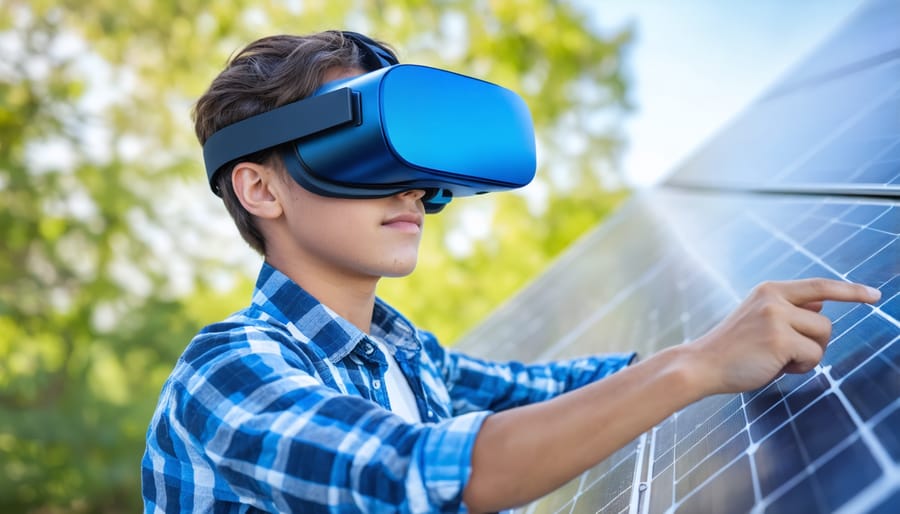
The landscape of solar PV education is rapidly evolving, driven by technological advancements and changing industry needs. Virtual reality (VR) and augmented reality (AR) technologies are emerging as powerful tools for training, allowing students to practice installation techniques and troubleshooting procedures in safe, simulated environments. These immersive experiences provide realistic scenarios without the risks associated with working on actual solar installations.
Artificial intelligence and machine learning are being integrated into educational platforms, creating personalized learning paths that adapt to individual student progress and learning styles. These systems can identify knowledge gaps and automatically adjust course content to ensure comprehensive understanding of solar PV concepts.
Remote learning capabilities are expanding through sophisticated online laboratories and simulation software. Students can now access virtual lab environments that accurately replicate the behavior of solar PV systems, enabling hands-on experience regardless of geographical location. This democratization of solar education is particularly valuable for regions with limited access to traditional training facilities.
Mobile learning applications are becoming increasingly sophisticated, offering micro-learning modules that professionals can access on-site for immediate reference and continued education. These apps often include augmented reality features that overlay technical information onto real-world equipment, enhancing the practical application of theoretical knowledge.
Industry-education partnerships are evolving to incorporate real-time data from operational solar installations into educational programs. This integration allows students to analyze actual performance metrics and system behaviors, preparing them for real-world challenges they’ll face in the field.
Looking ahead, blockchain technology is expected to play a role in verifying educational credentials and certifications, ensuring transparency and trust in professional qualifications. Additionally, gamification elements are being incorporated into training programs, making learning more engaging while maintaining professional standards.
As environmental regulations and solar technologies continue to advance, educational programs are adopting modular curriculum structures that can be quickly updated to reflect industry changes, ensuring graduates remain current with the latest developments in solar PV technology and installation practices.
Selecting the right solar education program is a crucial decision that can significantly impact one’s career trajectory in the renewable energy sector. As the solar industry continues to evolve rapidly, comprehensive education programs that combine theoretical knowledge with hands-on experience become increasingly valuable. These programs serve as the foundation for developing skilled professionals who will drive innovation and excellence in solar technology implementation.
The future outlook for solar education is exceptionally promising, with programs continuously adapting to incorporate emerging technologies and industry best practices. Educational institutions are increasingly partnering with industry leaders to ensure their curricula remain relevant and aligned with real-world demands. This collaboration between academia and industry creates robust learning environments that prepare students for the challenges and opportunities in the solar sector.
As we look ahead, the integration of advanced learning technologies, virtual simulation tools, and remote learning capabilities will further enhance the accessibility and effectiveness of solar education programs. The emphasis on practical skills development, coupled with a strong theoretical foundation, will continue to produce well-rounded professionals capable of addressing the complex challenges of sustainable energy solutions.
For those considering a career in solar energy, investing in a quality education program represents more than just professional development—it’s a commitment to participating in the global transition toward renewable energy sources. The knowledge and skills gained through these programs will be instrumental in shaping the future of sustainable energy infrastructure and contributing to environmental conservation efforts worldwide.