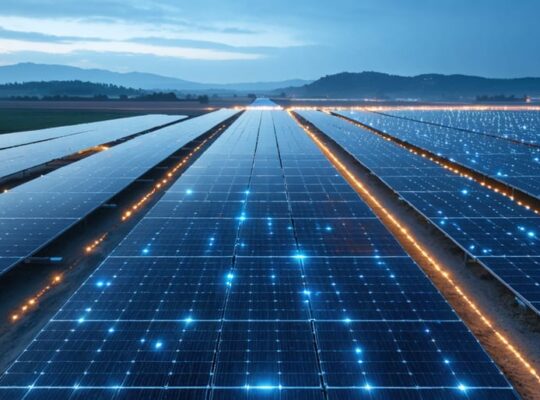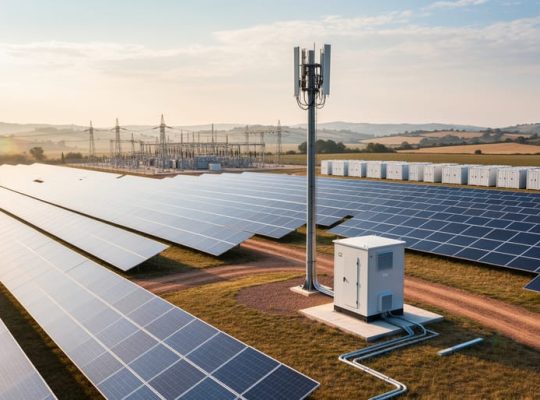
Solar optimizer functions revolutionize photovoltaic system performance through advanced algorithmic control and real-time monitoring capabilities. By leveraging edge computing in solar systems, these sophisticated functions maximize energy harvest by continuously adjusting power point tracking parameters and module-level voltage optimization. Operating at the intersection of hardware efficiency and software intelligence, solar optimizers employ machine learning algorithms to analyze performance metrics, weather patterns, and system diagnostics, enabling up to 25% greater energy yield compared to traditional string inverter setups.
The integration of optimizer functions represents a paradigm shift in solar technology, transforming static solar arrays into dynamic, self-optimizing energy generation systems. These advanced components not only enhance power output but also provide crucial monitoring capabilities for preventive maintenance and system health diagnostics. As the renewable energy sector embraces digital transformation, optimizer functions emerge as essential tools for achieving maximum solar installation efficiency and return on investment.
Understanding Solar Optimizer Functions in Edge Computing
Core Components of Solar Optimization
Solar optimization relies on three essential components working in harmony to maximize photovoltaic system performance. The sensor network forms the foundation, employing sophisticated irradiance sensors, temperature monitors, and voltage/current measurement devices to gather real-time operational data across the solar array. These sensors continuously track environmental conditions and module performance metrics with precision.
The processing unit serves as the system’s brain, utilizing advanced microprocessors or dedicated solar optimization chips to analyze the collected data. This component executes complex algorithms that evaluate power output patterns, identify performance anomalies, and calculate optimal operating parameters based on current conditions.
The control system implements the processor’s decisions through power electronic devices, primarily DC-DC converters and switching circuits. This component adjusts voltage and current levels in real-time to maintain each module at its maximum power point. Additionally, modern control systems incorporate communication interfaces that enable remote monitoring and system diagnostics.
Together, these components create a dynamic optimization framework that responds to changing environmental conditions, module degradation, and partial shading scenarios, ensuring consistent power output optimization throughout the system’s lifetime.
Real-Time Data Processing Architecture
The real-time data processing architecture of solar optimizers leverages edge computing to enable instantaneous decision-making at the module level. This distributed architecture processes data directly at the source, eliminating latency issues common in centralized systems. Each optimizer functions as a smart node, equipped with dedicated microprocessors that continuously monitor voltage, current, and temperature parameters.
The system employs a hierarchical processing model where individual optimizers communicate with string-level controllers through robust mesh networks. These controllers aggregate and process data from multiple optimizers, implementing sophisticated algorithms for maximum power point tracking (MPPT) and system diagnostics. The integration of real-time analytics enables rapid response to changing environmental conditions and system anomalies.
Advanced firmware within each optimizer executes complex calculations locally, reducing network bandwidth requirements while maintaining system responsiveness. This edge-centric approach ensures reliable operation even during network interruptions, as each optimizer can continue functioning autonomously. The architecture’s scalability allows seamless integration of additional modules without compromising processing speed or system performance.

Key Benefits of Edge-Based Solar Optimization
Reduced Latency and Faster Response Times
Edge computing implementation in solar optimizer functions significantly reduces system latency by processing data closer to the source, enabling near-instantaneous adjustments to changing environmental conditions. This localized processing eliminates the need for constant communication with distant central servers, resulting in response times that can be up to 100 times faster than traditional cloud-based solutions.
The optimizer’s edge computing architecture processes crucial parameters such as voltage, current, and temperature readings directly at the panel level. This immediate data processing allows for real-time optimization decisions, typically occurring within milliseconds. When sudden changes occur, such as partial shading or rapid temperature fluctuations, the system can respond almost immediately, maintaining optimal power output without the delays associated with cloud communication.
In practical terms, this reduced latency translates to improved energy harvest and system reliability. For example, when a cloud passes over a solar array, the optimizer can adjust power point tracking parameters within 10-50 milliseconds, compared to the 1-2 seconds required by traditional systems. This rapid response capability is particularly crucial during dynamic weather conditions, where even brief delays in system adjustments can result in significant energy losses.
The enhanced response time also contributes to better system protection, as the optimizer can quickly detect and respond to potential issues such as arc faults or ground faults, improving overall safety and reliability.
Enhanced System Reliability
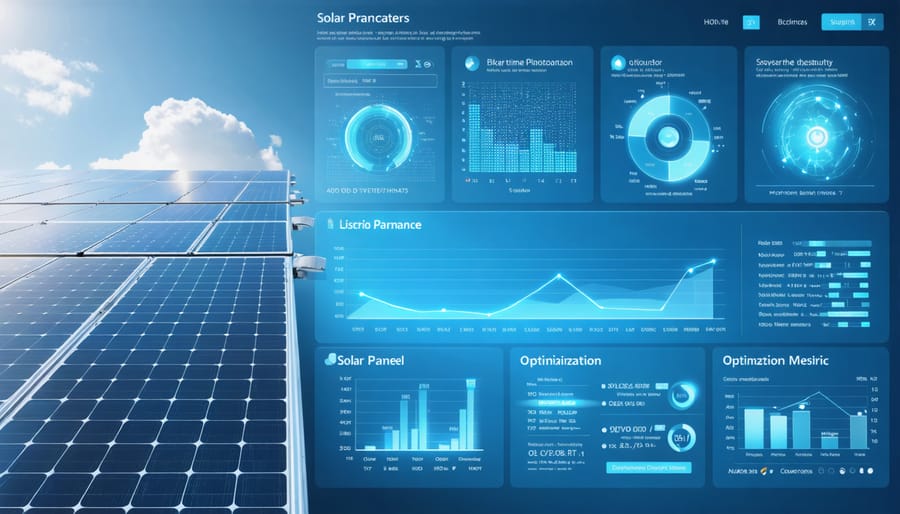
Solar optimizers significantly enhance system reliability through multiple mechanisms that work in concert to ensure consistent performance and maximize uptime. By continuously monitoring and adjusting the operating parameters of individual solar panels, optimizers maintain optimal power output even when portions of the array face challenging conditions.
These devices provide real-time performance data and rapid response to environmental changes, allowing the system to maintain stability during partial shading, module mismatch, or other performance-inhibiting factors. The module-level optimization prevents the cascading effect of reduced performance, where a single underperforming panel traditionally impacts the entire string’s output.
The implementation of advanced monitoring capabilities enables proactive maintenance by identifying potential issues before they escalate into system failures. This predictive approach to system management results in reduced downtime and more efficient maintenance scheduling. Additionally, optimizer technology includes built-in safety features that can automatically disconnect individual panels during emergency situations or maintenance work.
Statistical analysis from field deployments demonstrates that solar systems equipped with optimizers typically achieve 99.5% or higher uptime rates. The enhanced reliability is particularly evident in challenging environments where traditional string inverter systems might struggle to maintain consistent performance. This improved reliability translates directly into increased energy yield and better return on investment for system owners.
Implementation Strategies and Best Practices
Hardware Selection and Setup
To ensure optimal performance of solar optimizer functions, careful consideration must be given to hardware selection and configuration. The edge computing hardware should meet specific requirements for processing speed, memory capacity, and communication capabilities.
For processing units, industrial-grade computers or single-board computers with at least quad-core processors are recommended. These should operate at a minimum of 1.5 GHz to handle real-time optimization calculations effectively. RAM requirements typically range from 4GB to 8GB, depending on the system size and complexity of optimization algorithms.
Storage considerations should include both solid-state drives (SSDs) for primary storage and redundant backup solutions. A minimum of 256GB SSD is recommended for storing historical performance data and optimization parameters. The hardware should also feature industrial-grade components rated for extended temperature ranges (-20°C to 70°C) to withstand varied environmental conditions.
Communication interfaces must support multiple protocols, including Modbus, RS485, and ethernet connectivity. This ensures compatibility with various inverters, sensors, and monitoring systems. Installing surge protection devices and implementing proper grounding measures is essential to protect the hardware from electrical disturbances.
When setting up the hardware, proper enclosure selection is crucial. NEMA-rated enclosures (minimum NEMA 4X) should be used to protect against dust, water, and other environmental factors. Adequate ventilation or cooling systems must be incorporated to maintain optimal operating temperatures.
Regular maintenance schedules should be established, including periodic hardware diagnostics, firmware updates, and physical inspections. This ensures continued reliability and optimal performance of the solar optimization system over its operational lifetime.
Software Integration and Configuration
The implementation of solar optimizer functions requires careful integration of both hardware and software components. The process begins with the installation of compatible monitoring sensors and communication interfaces across the solar PV system. These devices must be properly configured to collect real-time data about panel performance, environmental conditions, and system status.
The optimization algorithm implementation follows a systematic approach. First, developers must establish a robust data pipeline that processes incoming sensor information. This includes data validation, normalization, and preprocessing steps to ensure accurate optimization calculations. The core optimization engine is then configured to analyze this data stream and make real-time adjustments to maximize energy yield.
Configuration parameters must be set according to specific system requirements, including:
– Maximum power point tracking (MPPT) thresholds
– Temperature compensation factors
– String voltage limits
– Communication protocol settings
– Sampling rates and response times
Database integration is crucial for storing historical performance data and optimization patterns. This enables machine learning algorithms to improve their decision-making capabilities over time. The software must also incorporate fail-safe mechanisms and error handling routines to maintain system stability during unexpected events.
User interface configuration allows system operators to monitor optimization performance and adjust parameters when necessary. This includes setting up dashboards, alert systems, and reporting tools that provide visibility into the optimization process.
Regular software updates and maintenance procedures should be scheduled to ensure optimal functionality and security. This includes patch management, firmware updates, and periodic calibration of optimization parameters based on system performance analysis.
Future Trends and Developments
AI and Machine Learning Integration
The integration of artificial intelligence and machine learning algorithms has revolutionized solar optimizer functions, enabling more sophisticated and dynamic performance optimization. These advanced analytics systems process vast amounts of real-time data from multiple sensors, weather forecasts, and historical performance metrics to make intelligent decisions about power output optimization.
Modern solar optimizers leverage deep learning models to predict environmental conditions and adjust system parameters proactively. This capability allows for enhanced maximum power point tracking (MPPT) efficiency and better response to partial shading conditions. The implementation of neural networks enables optimizers to learn from past performance patterns and continuously improve their decision-making processes.
AI-powered predictive maintenance capabilities have become integral to modern solar optimization systems, allowing for early detection of potential issues and automated performance adjustments. These systems can identify degradation patterns, predict component failures, and optimize maintenance schedules to minimize downtime and maximize energy yield.
Machine learning algorithms also facilitate adaptive optimization strategies that consider multiple variables simultaneously, including string current optimization, voltage management, and thermal characteristics. This holistic approach results in more efficient energy harvesting and improved overall system reliability, while reducing the need for manual intervention in day-to-day operations.
Scalability and Grid Integration
Solar optimizer functions are designed with scalability in mind, allowing for seamless integration as solar installations grow and evolve. Modern optimization systems can accommodate additional panels and inverters without requiring complete system overhauls, making them ideal for both residential and commercial applications planning for future expansion.
The integration capabilities extend beyond individual installations to support grid-level connectivity. Advanced AI monitoring systems enable optimizers to communicate with smart grid infrastructure, facilitating dynamic load management and improved energy distribution. This interconnectivity allows for more efficient power flow regulation and enhanced grid stability.
Scalable optimizer solutions also support virtual power plant (VPP) initiatives, where multiple distributed solar installations can be aggregated and managed as a single entity. This capability becomes increasingly important as renewable energy penetration grows, enabling better grid reliability and more effective demand response programs.
The modular nature of modern optimization systems ensures that facilities can incrementally upgrade their infrastructure while maintaining compatibility with existing components. This flexibility, combined with standardized communication protocols, positions solar optimizer technology as a cornerstone for future-ready renewable energy systems.
Solar optimizer functions represent a critical advancement in modern photovoltaic system performance, offering substantial benefits for energy yield optimization and system reliability. Through our comprehensive examination, we’ve established that these sophisticated algorithms and hardware solutions play an essential role in maximizing power output, reducing energy losses, and extending the lifespan of solar installations.
The key takeaways from our analysis highlight several actionable insights for industry professionals. First, implementing solar optimizers at both the module and string level can significantly improve system efficiency, particularly in installations affected by partial shading or module mismatch. Second, the integration of smart monitoring capabilities enables proactive maintenance and real-time performance optimization, resulting in enhanced system reliability and reduced operational costs.
For those looking to implement solar optimizer functions, consider starting with a thorough assessment of your specific installation requirements and environmental conditions. Focus on selecting optimization solutions that offer the best balance between initial investment and long-term benefits. Additionally, ensure your chosen solution provides comprehensive monitoring capabilities and is compatible with your existing or planned solar infrastructure.
As the solar industry continues to evolve, staying informed about emerging optimizer technologies and best practices will be crucial for maintaining competitive advantage and achieving optimal system performance. Regular evaluation and updates of optimization strategies will ensure your solar installations continue to operate at peak efficiency while meeting increasingly demanding energy production requirements.