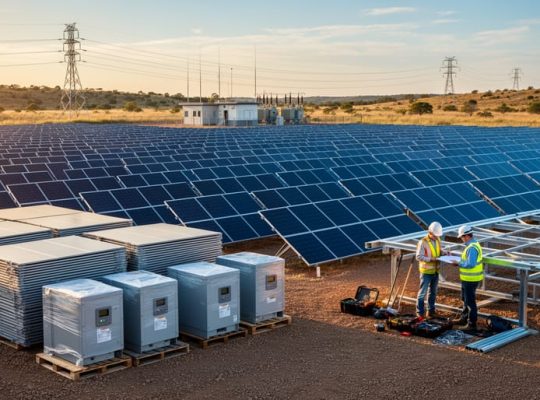
Hybrid solar PV systems represent a transformative advancement in renewable energy technology, combining traditional solar panels with energy storage solutions to revolutionize how we harness and utilize solar power. These sophisticated systems seamlessly integrate photovoltaic generation with battery storage capabilities, enabling continuous power supply even when the sun isn’t shining. By merging grid connectivity with independent power generation, hybrid solar PV installations offer unprecedented flexibility and reliability for both residential and commercial applications.
The evolution of hybrid solar PV technology marks a critical milestone in the renewable energy sector, addressing traditional solar power’s intermittency challenges while maximizing economic benefits for system owners. Modern hybrid systems achieve remarkable efficiency rates exceeding 20%, while advanced battery integration enables strategic energy management through peak shifting and demand response capabilities. This technological convergence creates a robust foundation for sustainable energy independence, reduced utility costs, and enhanced grid stability.
As global energy markets increasingly prioritize sustainability and grid resilience, hybrid solar PV systems emerge as a cornerstone of modern energy infrastructure, offering a practical pathway toward carbon reduction goals while ensuring reliable power supply in an increasingly electrified world.
Understanding Hybrid Solar PV Technology
Core Components of Hybrid Systems
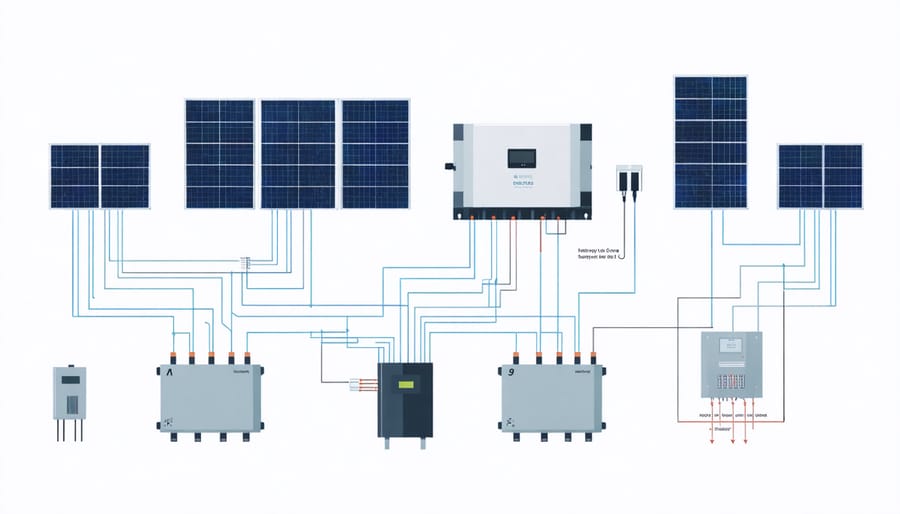
A hybrid solar PV system comprises several interconnected components that work in harmony to ensure optimal energy generation, storage, and distribution. The foundation begins with solar panels, typically monocrystalline or polycrystalline modules, which convert sunlight into electrical energy through photovoltaic cells.
The hybrid inverter serves as the system’s brain, managing power flow between multiple sources. Unlike traditional inverters, hybrid models can direct energy between solar panels, batteries, and the grid while maintaining stable power output. These sophisticated devices optimize energy utilization through advanced monitoring and control algorithms.
Energy storage systems, predominantly lithium-ion batteries, form another crucial component. These batteries store excess solar energy for use during non-generating hours or grid outages. The battery management system (BMS) monitors charging cycles, temperature, and overall battery health to ensure longevity and safety.
The grid connection interface, including protective devices and smart meters, enables seamless switching between grid and solar power. Additional components include mounting structures, DC-AC disconnects, and monitoring systems that provide real-time performance data and system diagnostics.
Performance Benefits and Efficiency Gains
Hybrid solar PV systems demonstrate significant performance advantages over traditional single-source installations, offering enhanced energy yield and system reliability. Studies show that solar PV system performance can improve by 20-30% when integrated with complementary power sources and advanced storage solutions.
These systems excel in optimizing energy production through intelligent load management and seamless source switching. During peak sunlight hours, excess solar energy can be stored for later use, while the hybrid configuration ensures continuous power supply during low solar periods or unexpected weather conditions.
The integration of smart monitoring systems enables real-time performance tracking and automated resource allocation, maximizing system efficiency. Advanced power electronics and sophisticated control algorithms help reduce conversion losses and improve overall system reliability.
Key efficiency gains include:
– Reduced energy wastage through intelligent storage management
– Decreased dependency on grid power during peak demand periods
– Enhanced system stability through multiple power source integration
– Improved power quality and voltage regulation
– Lower transmission losses due to localized generation and consumption
These benefits make hybrid solar PV systems particularly attractive for both residential and commercial applications seeking optimal energy utilization and reduced operational costs.
Innovative Financing Models for Hybrid Solar PV
Power Purchase Agreements (PPAs)
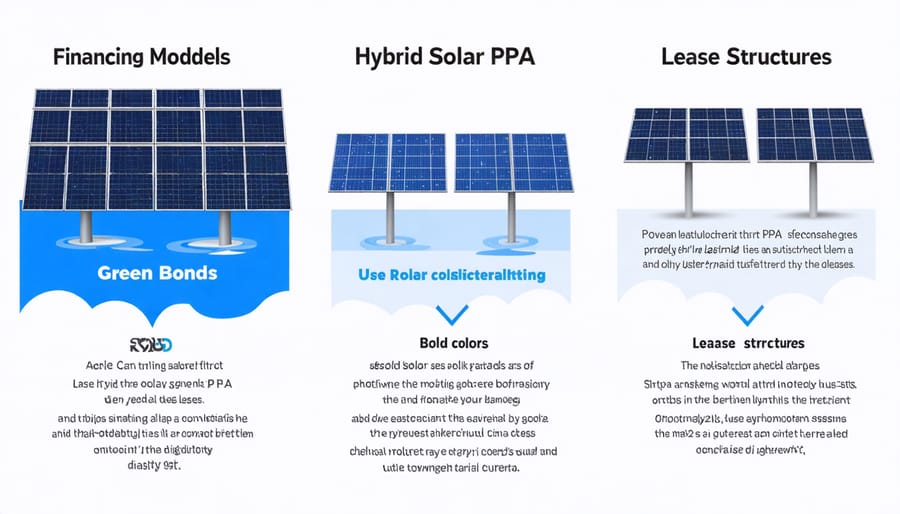
Power Purchase Agreements tailored for hybrid solar PV installations represent a sophisticated evolution of traditional solar project financing models. These specialized PPAs account for the unique characteristics of hybrid systems, including enhanced power reliability, storage capabilities, and variable generation profiles.
The hybrid PPA structure typically incorporates multiple pricing tiers that reflect different operational modes of the system. Base rates are established for standard solar generation, while premium rates may apply during peak demand periods when the storage component is activated. This tiered approach enables project developers to monetize the additional value provided by the hybrid system’s flexibility and dispatchability.
Key considerations in hybrid PPAs include capacity guarantees, performance metrics for both generation and storage components, and specific provisions for system availability during critical periods. Contract terms usually span 15-25 years, with clearly defined escalators and adjustment mechanisms to account for technological improvements and market changes.
Risk allocation in hybrid PPAs requires careful consideration of both solar generation variability and storage system degradation. Modern agreements often include sophisticated performance guarantees that address the integrated nature of hybrid systems, ensuring optimal operation of both components throughout the contract duration. These agreements may also incorporate provisions for system upgrades and technology refreshes to maintain competitive performance levels.
Green Bonds and Asset-Backed Securities
Green bonds and asset-backed securities have emerged as innovative financing instruments for hybrid solar PV projects, offering developers access to long-term capital while providing investors with sustainable investment opportunities. These debt instruments are specifically structured to fund environmentally beneficial projects, including hybrid solar installations that combine photovoltaic systems with energy storage or other renewable technologies.
Green bonds issued for hybrid solar projects typically offer competitive interest rates and longer tenure compared to conventional financing options. The bonds are backed by the project’s assets and future cash flows, making them attractive to institutional investors seeking stable returns with environmental benefits. Asset-backed securities (ABS) further enhance financing flexibility by pooling multiple hybrid solar projects into tradable securities, effectively distributing risk across a diverse portfolio.
These financial instruments undergo rigorous certification processes to ensure compliance with international green bond principles and sustainability criteria. Third-party verification agencies assess the environmental impact and sustainability credentials of the projects, providing transparency and credibility to investors. The growing market for green bonds has led to increased standardization and improved reporting frameworks, making it easier for project developers to access this form of financing.
For large-scale hybrid solar installations, these instruments can be particularly advantageous as they allow for the aggregation of capital from multiple sources while maintaining competitive costs of funding. The success of green bonds and ABS in the hybrid solar sector has encouraged financial innovation and market expansion, contributing to the broader adoption of renewable energy technologies.
Lease-to-Own Programs
Lease-to-own programs offer a flexible pathway to solar PV system ownership, particularly beneficial for organizations and homeowners seeking to minimize upfront costs while transitioning to renewable energy. These programs typically structure payments over a predetermined period, usually 5-7 years, during which the user pays a fixed monthly fee that combines lease payments with a purchase option.
Under these arrangements, customers benefit from immediate energy cost savings while building equity in their solar installation. The provider maintains responsibility for system maintenance and performance monitoring during the lease period, ensuring optimal operation and reducing technical risks for the end-user.
A distinctive feature of lease-to-own programs is their transparent progression toward ownership. Unlike traditional solar leases, these agreements include predetermined buyout prices and clearly defined transfer terms. Organizations can typically expect ownership transfer after completing the agreed payment schedule, with options for early buyout available at specified intervals.
The programs often incorporate performance guarantees and production warranties, protecting the customer’s investment throughout the transition to ownership. Financial institutions and solar providers frequently collaborate to offer competitive interest rates and flexible payment terms, making these programs increasingly attractive to diverse market segments.
For businesses and institutions, lease-to-own programs can be structured to align with capital planning cycles and tax incentive requirements, optimizing the financial benefits of solar adoption while maintaining predictable cash flows.
Policy Frameworks Supporting Hybrid Solar PV
Government Incentives and Tax Benefits
Government support for hybrid solar PV systems has significantly enhanced the cost-saving benefits of solar energy through various financial mechanisms. The federal Investment Tax Credit (ITC) remains a cornerstone incentive, allowing system owners to deduct up to 30% of their installation costs from their federal taxes through 2032. This substantial reduction in initial investment has accelerated hybrid solar PV adoption across residential and commercial sectors.
Many states offer additional incentives, including Solar Renewable Energy Credits (SRECs), performance-based incentives, and property tax exemptions. These state-level programs often complement federal initiatives, creating a comprehensive support structure for hybrid solar PV implementations. Some jurisdictions have introduced specific incentives for storage integration, recognizing the enhanced grid stability provided by hybrid systems.
Net metering policies, though varying by region, enable system owners to maximize their return on investment by crediting excess energy production against future consumption. Progressive utilities have implemented time-of-use rates that particularly benefit hybrid systems, as stored energy can be strategically deployed during peak rate periods.
Commercial entities can leverage accelerated depreciation through the Modified Accelerated Cost Recovery System (MACRS), allowing them to depreciate their solar assets over five years. Additionally, many states offer grant programs and low-interest financing options specifically designed for renewable energy projects incorporating storage solutions.
Understanding these incentives requires careful analysis of local regulations and utility policies, as program availability and benefits can vary significantly by jurisdiction. Organizations should consult qualified tax professionals and solar specialists to optimize their incentive strategy and maximize financial returns.
Regulatory Standards and Compliance
Hybrid solar PV systems must comply with various national and international standards to ensure safety, reliability, and grid compatibility. In the United States, these systems must meet the requirements outlined in the National Electrical Code (NEC), specifically Article 690 for solar photovoltaic systems and Article 705 for interconnected electric power production sources.
The IEEE 1547 standard serves as a crucial framework for interconnecting distributed energy resources with electric power systems. This standard has been updated to accommodate the growing complexity of hybrid systems, including requirements for advanced grid support functions and voltage regulation capabilities.
International standards such as IEC 62109 for safety of power converters and IEC 61724 for performance monitoring are equally important for global market acceptance. These standards ensure consistent performance metrics and safety protocols across different jurisdictions.
Recent policy trends indicate a shift toward more stringent energy storage requirements, with many jurisdictions implementing specific guidelines for battery integration in hybrid systems. California’s Rule 21 and Hawaii’s Rule 14H exemplify advanced interconnection requirements that other regions are beginning to adopt.
Certification requirements typically include UL listings for major components, with UL 1741 SA certification being mandatory for grid-tied inverters. System installers must also maintain appropriate licenses and certifications, which vary by jurisdiction.
Looking ahead, regulatory frameworks are evolving to address emerging technologies like smart grid integration and vehicle-to-grid capabilities. Policy makers are increasingly focusing on cybersecurity standards and data privacy requirements as hybrid systems become more connected and sophisticated.

Future Outlook and Investment Opportunities
The hybrid solar PV market is poised for significant growth over the next decade, driven by increasing demand for reliable renewable energy solutions and advancing technology integration. Market analysts project a compound annual growth rate (CAGR) of 12.5% from 2023 to 2030, presenting substantial opportunities for investors and industry stakeholders.
Key investment opportunities are emerging in several areas of the hybrid solar PV sector. Energy storage integration continues to be a primary focus, with particularly strong growth potential in lithium-ion battery technologies and innovative storage solutions. Smart grid infrastructure development and advanced monitoring systems represent another promising investment avenue, as grid modernization efforts accelerate worldwide.
Emerging markets, particularly in Asia-Pacific and Africa, are showing tremendous potential for hybrid solar PV deployment. These regions combine high solar resources with growing energy demands and the need for reliable power supply, creating favorable conditions for hybrid system implementation. Investment opportunities in these markets include utility-scale projects, mini-grid developments, and commercial installations.
Technological advancements are opening new investment channels in artificial intelligence-driven optimization systems, improved inverter technologies, and enhanced system integration capabilities. Research and development in these areas continue to attract significant venture capital interest and corporate investment.
Corporate power purchase agreements (PPAs) for hybrid solar systems are becoming increasingly attractive, offering stable returns and predictable cash flows. Additionally, green bonds and sustainable infrastructure funds focused on hybrid solar projects are gaining traction among institutional investors.
The policy landscape is evolving favorably, with many governments implementing supportive frameworks for hybrid solar PV deployment. This includes feed-in tariffs, tax incentives, and renewable energy credits, which enhance project economics and reduce investment risks. Regulatory changes promoting energy storage integration and grid modernization further strengthen the investment case for hybrid solar PV systems.
For investors considering entry into this market, key success factors include understanding local regulatory environments, establishing strong partnerships with technology providers, and maintaining flexibility to adapt to rapidly evolving technology landscapes.
Hybrid solar PV technology represents a transformative solution in the renewable energy landscape, combining the benefits of traditional solar power with advanced energy storage and grid integration capabilities. As demonstrated throughout this article, these systems offer enhanced reliability, improved grid stability, and increased energy independence for both residential and commercial applications. The future of hybrid solar PV looks particularly promising, with continuing technological advancements driving down costs and improving system efficiency. Industry trends indicate growing adoption rates worldwide, supported by favorable policies and innovative financing mechanisms. As climate change concerns intensify and energy security becomes increasingly critical, hybrid solar PV systems are positioned to play a pivotal role in the global transition to sustainable energy. Ongoing research and development efforts, coupled with supportive regulatory frameworks, will further accelerate the evolution and deployment of these versatile systems.