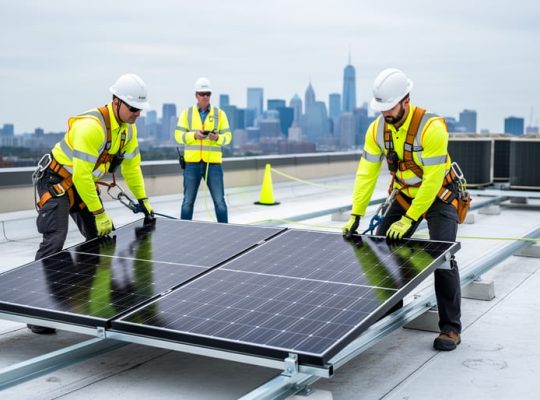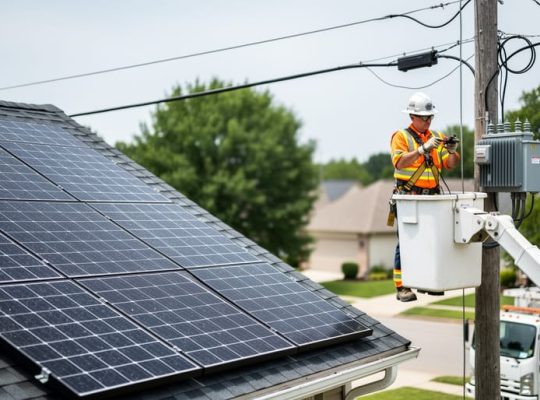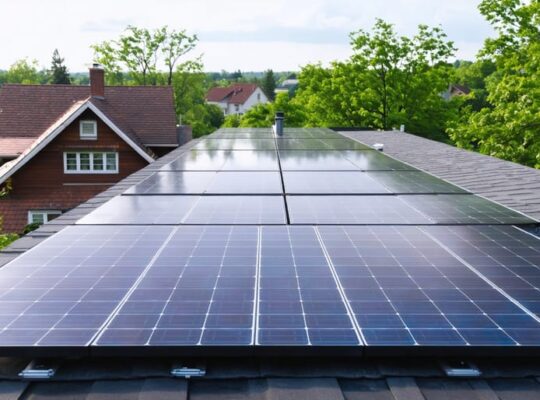
Solar panel standards form the backbone of photovoltaic system safety, reliability, and performance across the global renewable energy landscape. From the stringent IEC 61215 certification requirements for crystalline silicon modules to the comprehensive UL 1703 safety standards, these regulatory frameworks ensure consistent quality and protect both installers and consumers. The International Electrotechnical Commission (IEC) and Underwriters Laboratories (UL) have established rigorous testing protocols that evaluate everything from mechanical load resistance to electrical safety parameters, creating a unified approach to quality assurance in the solar industry.
As renewable energy adoption accelerates worldwide, adherence to these standards has become increasingly critical for manufacturers, installers, and system designers. These guidelines not only guarantee optimal system performance but also facilitate international trade by establishing common technical specifications and safety requirements. Understanding and implementing these standards is essential for industry professionals, as they directly impact system longevity, warranty validation, and regulatory compliance across different jurisdictions.
Through carefully designed testing procedures and certification processes, solar panel standards continue to evolve, incorporating new technological advances while maintaining strict safety protocols that protect investments and ensure reliable clean energy generation for decades to come.
Essential International Solar Panel Standards

IEC Standards for PV Modules
The International Electrotechnical Commission (IEC) establishes two primary standards that govern the quality and safety of photovoltaic modules: IEC 61215 and IEC 61730. These standards serve as the cornerstone for PV module certification worldwide.
IEC 61215 focuses on design qualification and type approval for crystalline silicon and thin-film PV modules. This standard ensures modules can withstand prolonged exposure to various environmental conditions. The testing protocol includes thermal cycling, humidity-freeze cycles, mechanical load testing, and hot-spot endurance. Modules must demonstrate less than 5% power degradation after completing these rigorous tests to achieve certification.
IEC 61730 comprises two essential parts addressing module safety: Part 1 covers construction requirements, while Part 2 details qualification testing. This standard evaluates electrical safety, fire resistance, and mechanical stability. Key tests include temperature testing, impulse voltage testing, and fire safety classification. The standard establishes safety classes (Class A, B, or C) based on the module’s intended application and voltage rating.
Manufacturers must comply with both standards to ensure their products meet international safety and performance requirements. Certification requires testing by accredited laboratories, and regular re-testing maintains compliance. These standards continuously evolve to address emerging technologies and enhance safety requirements, reflecting the dynamic nature of the solar industry.
UL Certification Requirements
The UL 1703 standard represents a cornerstone certification requirement for photovoltaic modules in North America, establishing comprehensive safety and performance criteria. This Underwriters Laboratories (UL) standard ensures that solar panels meet rigorous testing protocols before market deployment, focusing on electrical safety, fire resistance, and structural integrity.
Under UL 1703, solar panels undergo extensive testing procedures, including temperature cycling, humidity exposure, and mechanical load assessments. The certification process evaluates crucial safety aspects such as electrical insulation, hot-spot endurance, and fire classification ratings. Manufacturers must demonstrate their products can withstand environmental stresses while maintaining operational safety throughout their expected service life.
For North American market access, UL 1703 compliance is mandatory, with most jurisdictions requiring this certification before permitting solar installation projects. The standard addresses specific regional considerations, such as snow load requirements for northern territories and wind resistance specifications for coastal areas.
Recent updates to UL 1703 have incorporated enhanced fire safety requirements, particularly for roof-mounted installations. These modifications reflect evolving building codes and safety protocols, ensuring solar installations meet current construction standards. The certification process also includes regular factory inspections and quality control assessments to maintain compliance.
For manufacturers, obtaining UL 1703 certification involves partnering with authorized testing laboratories and submitting comprehensive documentation of their manufacturing processes and quality control systems. This certification serves as a trusted indicator of product safety and reliability in the North American solar market.
Critical Safety Components in Modern Solar Panels
Electrical Safety Features
Solar panel installations must incorporate multiple electrical safety features to protect both equipment and personnel. These safety components are mandated by international standards and local electrical codes to prevent potential hazards such as electric shock, arc flash, and fire risks.
Ground-fault protection devices (GFPD) are essential components that monitor current flow and quickly disconnect the system if a ground fault is detected. Similarly, arc-fault circuit interrupters (AFCI) provide protection against dangerous electrical arcs that could potentially cause fires.
Modern solar installations require rapid shutdown protocols to ensure emergency responders can safely access buildings with rooftop solar arrays. These systems quickly reduce voltage levels in DC conductors when activated, minimizing electrical hazards during emergencies.
Overcurrent protection devices, including fuses and circuit breakers, are strategically placed throughout the system to prevent damage from excessive current flow. Junction boxes and combiner boxes must be properly rated for outdoor use and include appropriate strain relief for cables and weatherproof seals.
DC disconnects are required to isolate the solar array from the inverter during maintenance or emergencies, while AC disconnects enable separation from the utility grid. All electrical connections must utilize properly rated terminals and connectors designed specifically for photovoltaic applications.
Cable management systems protect wiring from environmental damage and physical stress, while proper labeling of components and hazard warnings ensure safe operation and maintenance. These safety features must be regularly inspected and maintained according to manufacturer specifications and relevant safety standards to ensure continued effectiveness.
Physical Safety Requirements
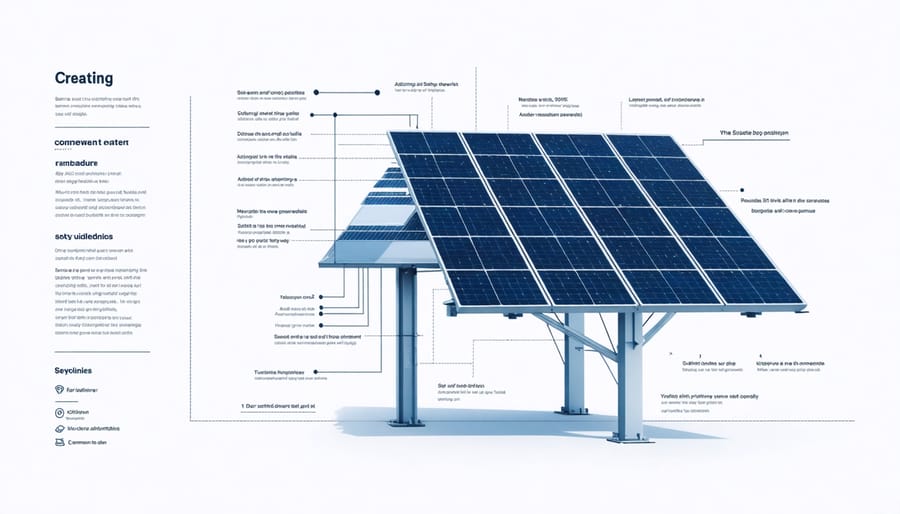
Physical safety standards for solar panels encompass critical requirements that ensure the long-term durability and safety of photovoltaic installations. These standards primarily focus on three key aspects: structural integrity, fire resistance, and weather protection.
Structural integrity requirements mandate that solar panels must withstand various mechanical loads, including wind pressure, snow accumulation, and static weight. International standards specify minimum load-bearing capacities, typically requiring panels to withstand pressures of 2400 Pascal (Pa) under normal conditions and up to 5400 Pa in severe weather conditions. Manufacturers must follow specific solar panel installation safety guidelines to ensure proper mounting and structural support.
The fire safety requirements stipulate that solar panels must achieve specific fire resistance ratings. These ratings typically include Class A, B, or C classifications, with Class A offering the highest level of fire protection. Materials used in panel construction must be self-extinguishing and demonstrate minimal flame spread characteristics.
Weather protection standards address the panel’s ability to withstand environmental stressors. This includes resistance to UV radiation, temperature cycling, humidity, and salt spray exposure. Panels must undergo rigorous testing to verify their ability to maintain performance and structural integrity under these conditions. The International Electrotechnical Commission (IEC) 61215 standard establishes specific requirements for weather durability, including thermal cycling tests (-40°C to +85°C), humidity-freeze tests, and damp heat exposure (1000 hours at 85°C and 85% relative humidity).
Compliance with these physical safety requirements is verified through standardized testing procedures conducted by certified laboratories, ensuring consistent quality and safety across the industry.
Testing and Certification Process
Performance Testing Protocols
Performance testing protocols for solar panels encompass a comprehensive series of standardized tests designed to evaluate their efficiency, durability, and reliability. These tests are conducted under controlled laboratory conditions following IEC 61215 and IEC 61730 standards.
The primary performance evaluation begins with Standard Test Conditions (STC) measurements, where panels are tested at 1000W/m² irradiance, 25°C cell temperature, and AM1.5 spectrum. This establishes the panel’s baseline power rating and conversion efficiency.
Thermal cycling tests subject panels to temperature extremes ranging from -40°C to +85°C for 200 cycles to assess their resilience to thermal stress. Humidity freeze testing exposes modules to high humidity (85%) and temperature variations to evaluate moisture resistance and structural integrity.
Hot spot testing identifies potential failure points by subjecting cells to localized heating, while mechanical load tests simulate wind and snow loads up to 5400 Pa. UV exposure testing ensures panels maintain performance after extended sun exposure, typically requiring 1000 hours of controlled UV radiation.
Quality assurance measures include electroluminescence imaging to detect micro-cracks and manufacturing defects, along with flash testing to verify power output specifications. Performance monitoring continues through accelerated lifetime testing, which simulates 25+ years of operational conditions to predict long-term degradation rates and ensure panels meet warranty specifications.
Each test must be documented and verified by accredited laboratories, with results meeting minimum threshold requirements for certification approval.

Safety Compliance Testing
Safety compliance testing for solar panels encompasses rigorous procedures designed to ensure photovoltaic modules meet established safety standards before market deployment. These tests evaluate multiple aspects of panel safety, including electrical isolation, mechanical durability, and fire resistance.
The primary safety tests include dielectric voltage withstand testing, which verifies the panel’s electrical insulation integrity by applying high voltage between active components and accessible surfaces. Wet leakage current testing assesses the panel’s ability to maintain electrical safety under moisture exposure, crucial for outdoor installations.
Temperature cycling tests subject panels to extreme temperature variations to evaluate thermal stress resistance and structural integrity. Hot-spot endurance testing ensures panels can withstand localized heating without catastrophic failure, while mechanical load testing simulates wind and snow loads to verify structural stability.
Fire safety testing is particularly critical, with panels undergoing flame spread and burning brand tests. These evaluations determine fire classification ratings and ensure compliance with building codes. Impact resistance testing assesses the panel’s ability to withstand hail and other environmental impacts.
Ground continuity testing verifies proper grounding paths, while bypass diode thermal testing ensures these protective components function correctly under stress. Documentation of test results, including detailed reports and certification marks, must be maintained throughout the product’s lifecycle.
All testing procedures must be conducted by accredited laboratories following standardized protocols to ensure consistency and reliability in results. Regular retesting may be required to maintain certification status.
Ensuring Compliance in Your Solar Installation
To ensure your solar installation meets all required standards, begin by verifying that your chosen components carry appropriate certification marks from recognized testing laboratories. Key certifications include UL for North America, IEC for international markets, and region-specific marks like CE for European compliance. Always request detailed documentation from manufacturers and suppliers to confirm their products meet these standards.
Maintain a comprehensive compliance checklist that includes equipment specifications, installation requirements, and safety protocols. This documentation should cover all aspects of the installation, from panel mounting systems to electrical connections. Be particularly vigilant about common PV system hazards and ensure your installation plan addresses these risks effectively.
Work with certified installers who understand current standards and maintain updated credentials. Professional installers should be familiar with the National Electrical Code (NEC) requirements for PV systems and local building codes. Regular training and certification updates are essential for staying current with evolving standards.
Implement a quality control process that includes pre-installation planning, installation verification, and post-installation testing. Document each phase thoroughly, including photographs of mounting structures, wiring connections, and grounding systems. This documentation serves as evidence of compliance and proves valuable during inspections or warranty claims.
Arrange for independent third-party inspections when required by local authorities or certification bodies. These inspections provide an additional layer of verification and can identify potential compliance issues before system activation. Keep detailed records of inspection reports, permits, and any corrective actions taken.
Finally, establish a maintenance program that ensures ongoing compliance throughout the system’s lifetime. Regular inspections and maintenance checks help identify potential issues early and maintain the system’s safety and performance standards. Update your documentation as needed when regulations change or system modifications are made.
Adherence to solar panel standards plays a pivotal role in ensuring the safety, reliability, and optimal performance of photovoltaic systems. These standards serve as the foundation for quality assurance, providing a comprehensive framework that guides manufacturers, installers, and operators in delivering secure and efficient solar energy solutions.
Throughout the industry, compliance with established standards has consistently demonstrated its value through enhanced system longevity, improved energy yields, and reduced maintenance requirements. By following these guidelines, stakeholders can minimize potential risks, protect investments, and maintain public confidence in solar technology.
The impact of standardization extends beyond individual installations to shape the entire renewable energy landscape. Uniform quality benchmarks facilitate international trade, encourage innovation, and support the continued growth of the solar industry. They also provide essential consumer protection by ensuring that solar products meet minimum safety and performance requirements.
Looking ahead, the evolution of solar panel standards will continue to drive technological advancement and industry best practices. As solar technology progresses, these standards will adapt to address emerging challenges and opportunities, maintaining their crucial role in supporting sustainable energy development.
For industry professionals and consumers alike, understanding and implementing these standards remains essential for achieving reliable, safe, and high-performing solar installations that contribute to our clean energy future.