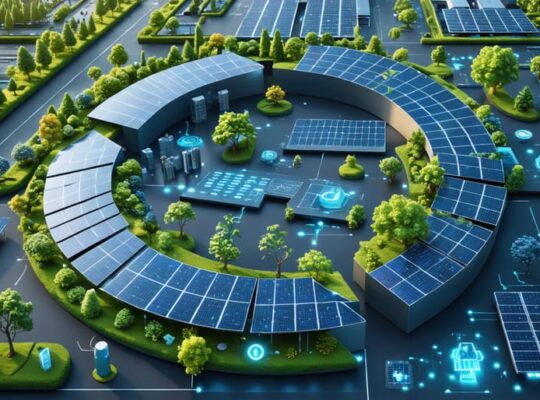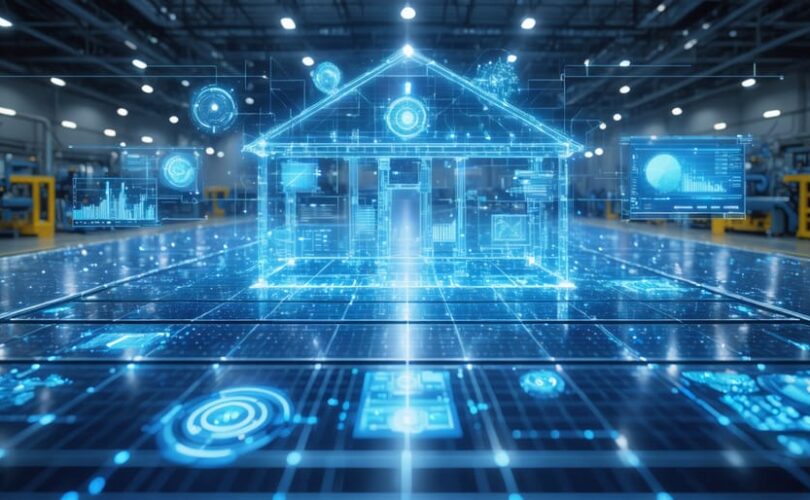
In today’s hyper-competitive manufacturing landscape, factory digital twins represent a transformative leap toward Industry 4.0, enabling unprecedented levels of optimization and predictive capabilities. This virtual replica technology creates real-time, data-driven simulations of physical manufacturing facilities, allowing companies to analyze, optimize, and troubleshoot production processes before implementing changes in the real world. By combining IoT sensors, artificial intelligence, and advanced analytics, digital twins provide manufacturers with a powerful tool to enhance operational efficiency, reduce downtime, and accelerate innovation cycles. As organizations increasingly embrace smart manufacturing initiatives, understanding the implementation and potential of factory digital twins becomes crucial for maintaining competitive advantage in the rapidly evolving industrial sector. This cutting-edge technology not only revolutionizes traditional manufacturing approaches but also establishes a foundation for sustainable, adaptive, and resilient production systems that can respond swiftly to market demands and technological advancements.
Understanding Factory Digital Twins in Solar Manufacturing
Core Components of PV Factory Digital Twins
A PV factory digital twin comprises several interconnected components that work together to create an accurate virtual representation of the manufacturing facility. At its foundation are advanced sensor networks strategically placed throughout the production line, monitoring parameters such as temperature, humidity, equipment performance, and material flow. These sensors provide real-time data essential for maintaining optimal production conditions.
The data collection and integration system forms the second crucial component, incorporating industrial IoT devices and automated data gathering mechanisms. This infrastructure ensures continuous monitoring and seamless data transmission to central processing units, where information is organized and analyzed for meaningful insights.
Sophisticated modeling software serves as the third core component, utilizing complex algorithms and simulation tools to create detailed 3D representations of the facility. These models integrate historical and real-time data to predict performance, identify potential issues, and optimize manufacturing processes.
The visualization interface completes the core structure, presenting data through intuitive dashboards and interactive displays. This component enables operators and managers to monitor operations, analyze trends, and make informed decisions based on comprehensive virtual representations of the actual facility.

Real-time Data Integration and Analysis
Real-time data integration forms the cornerstone of factory digital twin technology, enabling continuous synchronization between physical manufacturing processes and their virtual counterparts. In modern smart factories, sensors and IoT devices collect vast amounts of operational data, from equipment performance metrics to environmental conditions, which are instantly fed into the digital twin system.
The integration process involves sophisticated data pipelines that handle multiple data streams simultaneously, converting raw sensor data into actionable insights. Advanced analytics algorithms process this information in real-time, enabling immediate detection of anomalies, prediction of maintenance needs, and optimization of production parameters.
Machine learning models within the digital twin continuously analyze patterns in the integrated data, learning from historical information to improve future predictions. This dynamic analysis enables manufacturers to implement predictive maintenance strategies, optimize energy consumption, and enhance production efficiency. The system also facilitates real-time decision-making by providing operators with contextualized data visualization and automated alerts for potential issues before they impact production.
Benefits of Digital Twin Implementation in PV Production
Quality Control Enhancement
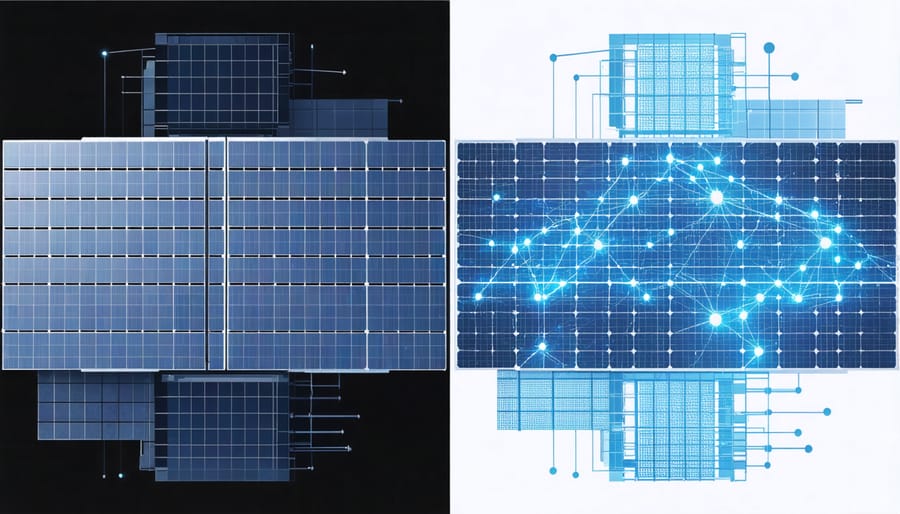
Digital twins significantly enhance quality control in PV manufacturing through real-time monitoring and predictive analytics. By creating virtual replicas of production lines, manufacturers can detect potential defects before they occur and maintain consistent product quality throughout the manufacturing process.
The system continuously analyzes production parameters, including temperature variations, material properties, and assembly precision, comparing them against optimal specifications. This immediate feedback enables operators to make real-time adjustments, reducing waste and ensuring higher yield rates. Machine learning algorithms integrated into digital twin systems can predict potential quality issues by analyzing historical data patterns and current production metrics.
Digital twins also facilitate automated inspection processes, utilizing computer vision and sensor data to identify microscopic defects that might be missed by traditional quality control methods. This technology has demonstrated significant improvements in defect detection rates, with some manufacturers reporting up to 99.9% accuracy in identifying structural and electrical imperfections in solar panels.
The system’s ability to simulate different production scenarios helps optimize manufacturing parameters without disrupting actual production. This capability allows manufacturers to test process modifications virtually, ensuring quality standards are maintained while implementing improvements. The result is a more efficient, reliable, and consistent manufacturing process that delivers superior product quality.
Operational Efficiency Optimization
Digital twin technology significantly enhances operational efficiency in photovoltaic manufacturing facilities by enabling real-time monitoring and optimization of production processes. The technology creates substantial improvements in production speed through predictive maintenance scheduling and dynamic process adjustments, reducing downtime by up to 30%.
Resource utilization sees marked improvement as digital twins provide precise insights into material consumption, energy usage, and workforce allocation. By simulating different production scenarios, manufacturers can identify optimal operating parameters that minimize waste while maintaining quality standards. This data-driven approach typically results in a 15-25% reduction in raw material waste and up to 20% improvement in energy efficiency.
Cost reduction manifests through multiple channels, including decreased maintenance expenses, optimized inventory management, and enhanced quality control. Digital twins enable manufacturers to detect potential equipment failures before they occur, reducing emergency maintenance costs by approximately 40%. The technology also facilitates just-in-time inventory management, cutting storage costs while ensuring production continuity.
Production line optimization through digital twin implementation typically yields a 20-30% increase in overall equipment effectiveness (OEE). The system’s ability to simulate and test process modifications virtually before physical implementation significantly reduces the risk and cost associated with production line improvements. This capability enables manufacturers to maintain competitive advantages while ensuring sustainable operations through reduced resource consumption and improved energy efficiency.
Implementation Strategies and Best Practices
Integration with Existing Systems
Integrating digital twins into existing manufacturing systems requires a systematic approach that balances technological advancement with operational continuity. The process begins with a comprehensive assessment of current infrastructure, including production equipment, control systems, and data collection capabilities. This evaluation helps identify potential integration points and necessary upgrades.
The implementation typically follows a phased approach, starting with sensor deployment and data collection infrastructure. Modern IoT sensors are installed on critical equipment to capture real-time operational data, while ensuring compatibility with smart factory security measures to protect sensitive manufacturing data.
Next, establishing robust communication protocols between physical assets and their digital counterparts is crucial. This involves implementing industrial communication standards like OPC UA or MQTT, which facilitate seamless data exchange between legacy systems and new digital twin platforms.
The final integration phase focuses on connecting the digital twin platform with existing manufacturing execution systems (MES) and enterprise resource planning (ERP) software. This creates a unified ecosystem where real-time data flows seamlessly between physical operations and digital representations, enabling comprehensive monitoring, analysis, and optimization of manufacturing processes.
Success requires close collaboration between IT teams, operational technology specialists, and manufacturing personnel, supported by adequate training and change management protocols.
Staff Training and Adaptation
The successful implementation of factory digital twins requires a comprehensive workforce development strategy that addresses both technical competencies and organizational change management. Organizations must establish structured training programs that encompass simulation software operation, data interpretation, and system maintenance protocols.
Initial training should focus on fundamental digital twin concepts, followed by hands-on experience with simulation tools and data analytics platforms. Key personnel must develop proficiency in operating the virtual environment, understanding sensor networks, and interpreting real-time data streams. This technical training should be complemented by workshops on collaborative decision-making and cross-functional communication.
Change management plays a crucial role in workforce adaptation. Organizations should designate digital twin champions within each department to facilitate adoption and provide peer support. Regular feedback sessions help identify challenges and refine training approaches based on staff needs.
Collaboration with technology vendors and educational institutions can enhance the training process through specialized courses and certification programs. Organizations should also establish mentorship programs where experienced staff guide newer team members in utilizing digital twin capabilities effectively.
To ensure sustained success, companies must develop continuous learning frameworks that keep pace with technological advancement. Regular skill assessments and refresher courses help maintain workforce competency and maximize the benefits of digital twin implementation. Documentation of best practices and standard operating procedures supports knowledge retention and consistent operation across shifts.
Future Perspectives and Industry Impact
The evolution of factory digital twin technology in photovoltaic manufacturing continues to accelerate, driven by advancements in artificial intelligence, machine learning, and Internet of Things (IoT) capabilities. Industry experts predict that by 2025, digital twins will become standard components in smart manufacturing facilities, revolutionizing production processes and decision-making frameworks.
Emerging trends indicate increased integration of real-time data analytics with predictive maintenance systems, enabling manufacturers to anticipate equipment failures and optimize maintenance schedules with unprecedented accuracy. The implementation of 5G networks will further enhance the capability of digital twins to process and analyze vast amounts of data instantly, leading to more responsive and adaptive manufacturing systems.
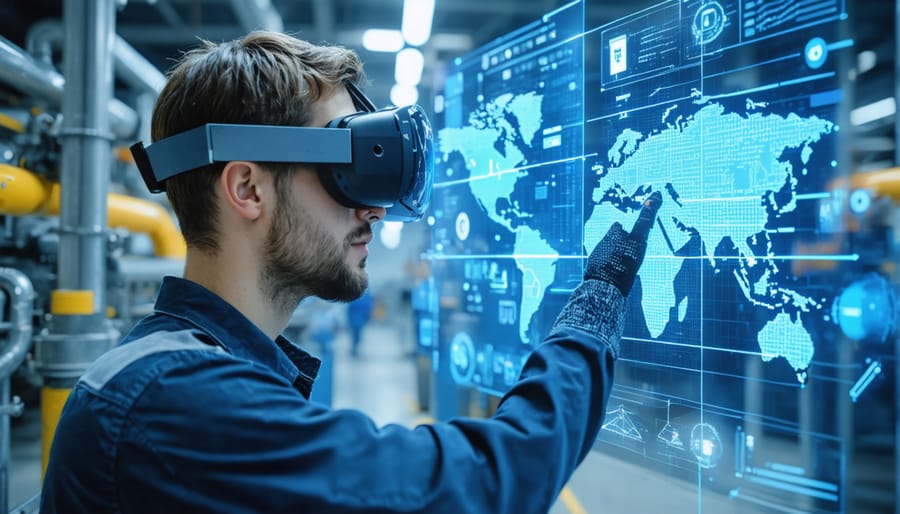
Future developments are expected to focus on enhanced visualization technologies, including augmented and virtual reality interfaces that will allow operators to interact with digital twin models more intuitively. This advancement will significantly improve training programs and remote operation capabilities, reducing the learning curve for new personnel while maintaining operational efficiency.
The impact on the photovoltaic industry will be particularly significant, as manufacturers strive to meet growing demand for solar panels while maintaining quality and reducing costs. Digital twins will play a crucial role in optimizing production lines, improving cell efficiency, and reducing material waste. Integration with supply chain management systems will create end-to-end visibility, enabling manufacturers to respond more effectively to market demands and supply chain disruptions.
As sustainability becomes increasingly important, factory digital twins will contribute to reducing energy consumption and environmental impact through more efficient resource utilization and process optimization, aligning with global sustainability goals while maintaining competitive advantages in the manufacturing sector.
Factory digital twins represent a transformative force in photovoltaic manufacturing, offering unprecedented opportunities for optimization, efficiency, and innovation. By creating virtual replicas of physical production facilities, manufacturers can simulate, analyze, and improve their processes before implementing changes in the real world. The technology enables predictive maintenance, quality control enhancement, and significant cost reductions while minimizing production downtime. As the solar industry continues to evolve, digital twin implementation becomes increasingly crucial for maintaining competitiveness and achieving sustainability goals. Organizations embracing this technology position themselves at the forefront of manufacturing excellence, while those who implement comprehensive training programs ensure their workforce is prepared for this digital transformation. Moving forward, the integration of digital twins will be essential for advancing photovoltaic manufacturing capabilities and meeting growing global demand for solar energy solutions.