Manufacturing sustainability has undergone a radical transformation in recent years, driven by technological innovation, environmental imperatives, and evolving consumer demands. Industry leaders are now implementing advanced digital solutions, circular economy principles, and renewable energy systems to create more sustainable production processes. From AI-powered waste reduction systems to carbon-neutral facilities, manufacturers are pioneering solutions that combine environmental stewardship with operational efficiency.
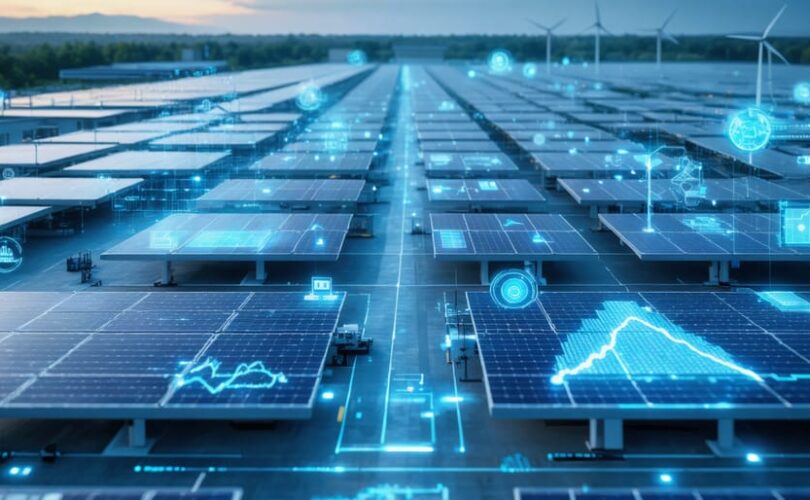
The convergence of Industry 4.0 technologies with sustainable practices has created unprecedented opportunities for manufacturers to optimize resource utilization while minimizing environmental impact. Smart sensors, data analytics, and automated systems are enabling real-time monitoring of energy consumption, waste generation, and carbon emissions, allowing for immediate adjustments and improvements in production processes.
As global sustainability regulations tighten and stakeholder expectations rise, manufacturers are increasingly recognizing that environmental responsibility is not just a compliance requirement but a competitive advantage. Leading companies are investing in renewable energy infrastructure, implementing closed-loop manufacturing systems, and developing innovative materials that reduce environmental impact while maintaining product quality and performance. This shift towards sustainable manufacturing represents a fundamental reimagining of how products are made, used, and recycled in the modern industrial landscape.
Smart Manufacturing Technologies Driving Sustainability
AI and IoT in Sustainable Manufacturing
Artificial Intelligence and Internet of Things (IoT) technologies are revolutionizing sustainable manufacturing by enabling unprecedented levels of optimization and waste reduction. Smart sensors deployed throughout manufacturing facilities continuously collect real-time data on energy consumption, resource utilization, and equipment performance. This data feeds into AI-powered analytics systems that identify inefficiencies and automatically adjust operations for optimal resource usage.
Machine learning algorithms analyze production patterns to predict maintenance needs, preventing unexpected downtime and reducing energy waste from equipment malfunctions. IoT devices monitor environmental conditions, material flow, and quality parameters, enabling manufacturers to maintain precise control over their processes while minimizing resource consumption.
These technologies have demonstrated significant impact in sustainable manufacturing. For example, smart factories implementing AI-driven optimization systems typically report 20-30% reduction in energy consumption and up to 25% decrease in water usage. Predictive maintenance powered by AI has shown to reduce waste from defective products by up to 50% while extending equipment lifespan.
Real-time monitoring through IoT sensors also enables immediate detection of anomalies in production processes, allowing swift corrective actions that prevent material waste and energy inefficiencies. Additionally, AI systems optimize supply chain logistics, reducing transportation-related emissions and ensuring just-in-time delivery of materials, further contributing to overall sustainability goals.
As these technologies continue to evolve, their integration into manufacturing processes becomes increasingly crucial for achieving ambitious sustainability targets while maintaining operational efficiency.
Digital Twin Technology
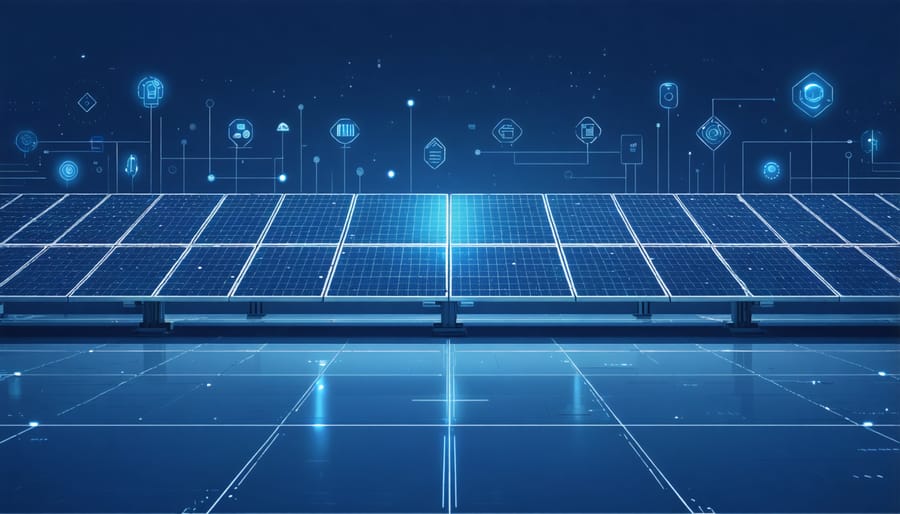
Digital twin technology represents a significant advancement in sustainable manufacturing, offering virtual replicas of physical manufacturing processes and systems. This innovative approach enables manufacturers to simulate, analyze, and optimize their operations in real-time, resulting in improved resource efficiency and reduced environmental impact.
By creating detailed virtual models of production lines, manufacturers can identify inefficiencies, predict maintenance needs, and optimize energy consumption without disrupting actual operations. These digital representations continuously collect data from sensors and connected devices, providing valuable insights for process improvement and waste reduction.
In sustainable manufacturing, digital twins help optimize material usage, reduce energy consumption, and minimize carbon emissions through precise monitoring and control. They enable manufacturers to test different scenarios and implement improvements before making physical changes, reducing the risk of resource waste and environmental impact.
The technology’s predictive capabilities also contribute to equipment longevity and reduced maintenance-related waste. By anticipating potential issues before they occur, manufacturers can schedule preventive maintenance more effectively, extending equipment life cycles and reducing the environmental impact of replacement parts and repairs.
Implementation of digital twins in manufacturing facilities has shown remarkable results, with some operations reporting up to 20% reduction in energy consumption and 15% decrease in material waste. These improvements directly contribute to both environmental sustainability and operational efficiency.
Circular Economy in Solar Manufacturing
Material Recovery and Recycling
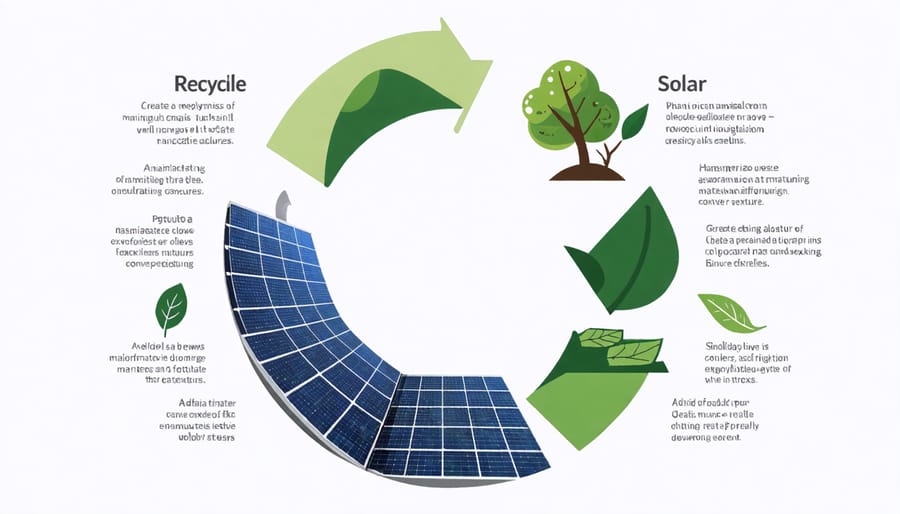
The solar manufacturing industry is making significant strides in material recovery and recycling initiatives to minimize the environmental impact of solar manufacturing. Advanced recycling processes now enable the recovery of up to 95% of semiconductor materials from end-of-life solar panels, including valuable components like silver and silicon. These materials are then reintegrated into new panel production, creating a more circular manufacturing ecosystem.
Innovative approaches include automated dismantling systems that precisely separate different panel components, reducing contamination and improving the quality of recovered materials. Manufacturers are also implementing chemical recycling processes that can extract and purify semiconductor materials with unprecedented efficiency, while consuming less energy than traditional methods.
Several leading manufacturers have established dedicated recycling facilities that utilize artificial intelligence and machine learning to optimize material recovery processes. These smart facilities can identify and sort different types of panels and materials automatically, significantly reducing processing time and labor costs.
Water used in manufacturing processes is increasingly being recycled through advanced filtration systems, while waste heat from production lines is captured and redirected to power other facility operations. These integrated resource recovery systems demonstrate how manufacturers are moving towards zero-waste operations while maintaining high-quality production standards.
Zero-Waste Manufacturing
Zero-waste manufacturing represents a cornerstone of sustainable production, where manufacturers aim to eliminate waste through systematic resource optimization and circular economy principles. This approach involves implementing comprehensive waste reduction strategies across the entire manufacturing process, from raw material selection to final product packaging.
Manufacturing facilities are increasingly adopting closed-loop systems that capture and reuse materials traditionally considered waste. For instance, silicon wafer manufacturers now implement advanced recycling processes that recover and repurpose silicon waste, significantly reducing material loss during production. Water recycling systems have become standard practice, with facilities treating and reusing process water multiple times before discharge.
Key strategies for achieving zero-waste goals include implementing lean manufacturing principles, designing products for recyclability, and establishing supplier partnerships that prioritize recyclable packaging. Advanced inventory management systems help optimize material usage and reduce excess stock that could potentially become waste.
Many facilities are now achieving impressive results through these initiatives. Some manufacturing plants report waste reduction rates exceeding 95%, with remaining materials being recycled or repurposed through industrial symbiosis networks. This approach not only minimizes environmental impact but also generates significant cost savings through reduced waste management expenses and improved resource efficiency.
Success in zero-waste manufacturing requires continuous monitoring, employee training, and regular audits to identify areas for improvement. Companies leading in this area typically maintain detailed waste tracking systems and set progressive reduction targets aligned with circular economy principles.
Energy-Efficient Production Methods
Renewable Energy Integration
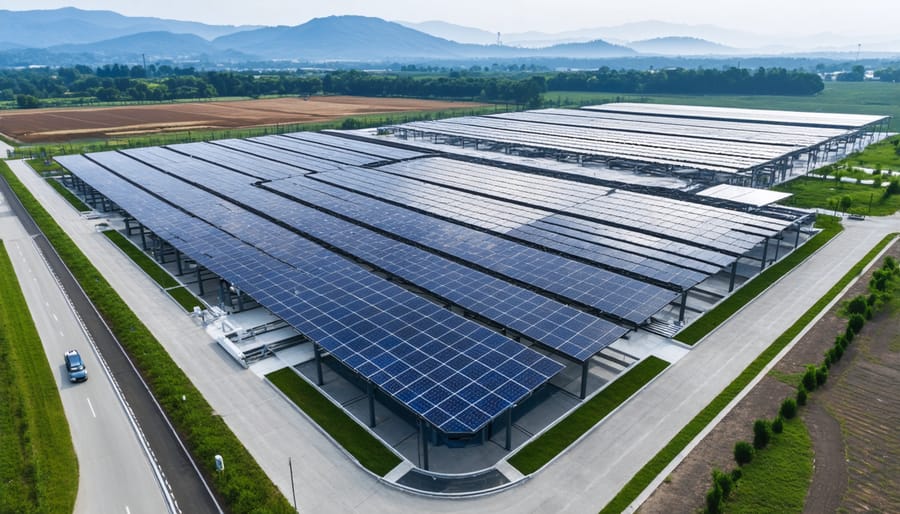
Manufacturers are increasingly integrating renewable energy solutions into their operations, marking a significant shift towards sustainable production methods. The solar PV manufacturing process itself is being powered by the very technology it produces, creating a self-sustaining cycle of clean energy production.
Leading manufacturers are implementing comprehensive renewable energy strategies, combining on-site solar installations with wind power and energy storage systems. These integrated systems not only reduce operational costs but also ensure a reliable power supply for continuous production. Many facilities are achieving impressive renewable energy adoption rates, with some reporting 70-80% of their energy needs met through clean sources.
Advanced energy management systems are being deployed to optimize renewable energy usage, allowing manufacturers to seamlessly switch between different power sources based on availability and demand. Smart grid integration enables facilities to participate in demand response programs, contributing to grid stability while generating additional revenue streams.
The transition to renewable energy is supported by innovative financing models, including power purchase agreements (PPAs) and green bonds, making it more accessible for manufacturers of all sizes to adopt clean energy solutions.
Energy Management Systems
Energy Management Systems (EMS) have become a cornerstone of sustainable manufacturing, enabling facilities to optimize their energy consumption through real-time monitoring and automated control. These sophisticated systems integrate advanced sensors, machine learning algorithms, and IoT connectivity to create a comprehensive energy optimization framework.
Modern EMS platforms provide manufacturers with detailed insights into energy usage patterns, peak demand periods, and equipment performance metrics. By analyzing this data, facilities can identify inefficiencies, implement demand response strategies, and automatically adjust operations to minimize energy waste.
Key features of advanced EMS include load scheduling, predictive maintenance alerts, and dynamic power factor correction. These systems can automatically shift energy-intensive processes to off-peak hours, reducing both costs and grid strain. Real-time monitoring capabilities allow facility managers to track energy consumption across different production lines and quickly address anomalies.
The implementation of EMS has shown significant results across the manufacturing sector. Companies report average energy savings of 10-30% after deployment, with some achieving even higher efficiency gains through continuous system optimization. Additionally, these systems support compliance with ISO 50001 energy management standards and facilitate carbon footprint reporting requirements.
Integration with renewable energy sources further enhances the effectiveness of EMS, enabling smart grid interaction and optimal utilization of on-site generation capabilities.
Water Conservation Innovations
Closed-Loop Water Systems
In modern manufacturing facilities, closed-loop water systems represent a significant advancement in sustainable resource management. These systems minimize water consumption by treating, filtering, and reusing process water multiple times within the manufacturing cycle. By implementing advanced filtration technologies and water treatment processes, manufacturers can reduce their freshwater intake by up to 90% while maintaining production quality standards.
The system typically incorporates multiple stages of treatment, including sediment removal, chemical treatment, and advanced membrane filtration. Real-time monitoring systems ensure water quality meets specifications throughout the process, while smart sensors detect potential issues before they impact production. This proactive approach not only conserves water but also reduces wastewater discharge and associated treatment costs.
Leading manufacturers have reported significant benefits from implementing closed-loop systems, including reduced operational costs, improved regulatory compliance, and enhanced environmental performance. For instance, several solar panel manufacturers have successfully implemented these systems, achieving water savings of millions of gallons annually while maintaining strict quality control requirements for their production processes.
Implementation considerations include initial infrastructure investment, ongoing maintenance requirements, and operator training. However, the long-term benefits often justify these investments through reduced utility costs, improved environmental performance, and enhanced corporate sustainability metrics. Many facilities also integrate these systems with other sustainable practices, such as energy recovery and waste heat utilization, to maximize efficiency gains.
Water-Efficient Processing
Water-efficient processing has emerged as a critical focus in sustainable manufacturing, with innovative technologies and methods significantly reducing water consumption while maintaining production efficiency. Advanced closed-loop systems now enable manufacturers to recycle up to 95% of process water, dramatically decreasing freshwater demand and wastewater discharge.
Leading manufacturers are implementing ultrasonic cleaning techniques, which use sound waves to remove contaminants from components, requiring substantially less water than traditional washing methods. This technology has shown potential to reduce water usage by 40-60% in specific applications while improving cleaning effectiveness.
Membrane filtration systems and advanced water treatment technologies are being integrated into production lines, allowing for the continuous purification and reuse of process water. These systems effectively remove impurities, maintaining water quality standards while minimizing environmental impact.
Real-time monitoring systems equipped with IoT sensors now track water consumption patterns, detect leaks, and optimize usage across different manufacturing processes. This data-driven approach enables predictive maintenance and immediate response to inefficiencies, resulting in water savings of up to 30%.
Dry processing alternatives are gaining traction, particularly in surface preparation and cooling applications. Air-cooled equipment and waterless cleaning systems represent significant advances in reducing water dependency while maintaining product quality. These innovations demonstrate that sustainable water management can align with operational excellence and cost efficiency.
The manufacturing sustainability landscape continues to evolve rapidly, driven by technological advancements and increasing environmental awareness. The convergence of smart manufacturing technologies, resource optimization, and innovative solar technologies has set the stage for a transformative decade ahead. Industry leaders are increasingly adopting circular economy principles, with closed-loop manufacturing systems becoming the new standard rather than an exception.
The implementation of AI-driven predictive maintenance, digital twins, and IoT sensors has demonstrated significant potential for reducing waste and optimizing energy consumption. These technologies, combined with renewable energy integration and advanced recycling processes, are expected to reduce manufacturing carbon footprints by up to 50% within the next five years.
Looking ahead, we can anticipate accelerated adoption of blockchain technology for supply chain transparency, expanded use of biodegradable materials in production processes, and increased investment in renewable energy infrastructure. The industry’s commitment to sustainability is further evidenced by collaborative initiatives between manufacturers, research institutions, and environmental organizations.
Success in sustainable manufacturing will depend on continued innovation, regulatory support, and industry-wide collaboration. Organizations that embrace these trends and invest in sustainable practices will not only contribute to environmental preservation but also gain competitive advantages in an increasingly environmentally conscious market. As we move forward, the integration of sustainability into manufacturing processes will become not just an environmental imperative but a fundamental business requirement for long-term success.