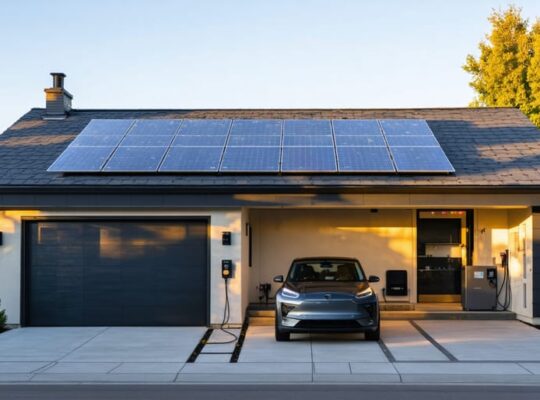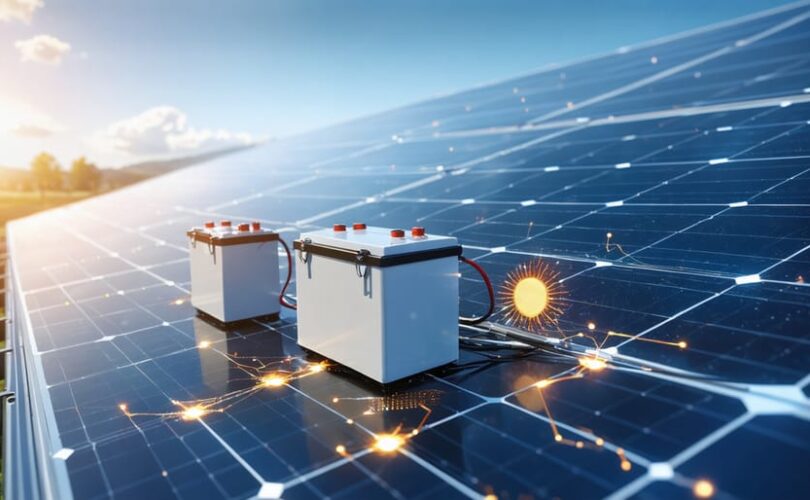
Designing an off-grid solar system demands meticulous planning and technical expertise to achieve sustainable off-grid living. Professional system designers calculate daily energy requirements, factoring in seasonal variations and peak usage patterns, to determine optimal solar array sizing. Critical components, including photovoltaic panels, charge controllers, deep-cycle batteries, and inverters, must be precisely matched to ensure system efficiency and longevity. Advanced monitoring systems and backup power solutions safeguard against environmental uncertainties while maintaining consistent energy availability.
The integration of emerging storage technologies and smart load management systems has revolutionized off-grid design capabilities, enabling greater system reliability and reduced maintenance requirements. Modern off-grid installations incorporate sophisticated power conditioning equipment, robust grounding systems, and redundant safety measures to protect both equipment and users. This comprehensive approach to system architecture ensures maximum energy harvest while maintaining critical power quality parameters.
Engineers and system designers now leverage predictive analytics and climate data modeling to optimize panel placement, array configuration, and storage capacity. These technical innovations, combined with improved battery chemistry and intelligent power distribution systems, have transformed off-grid solar from an alternative energy solution into a viable primary power source for remote locations and grid-independent applications.
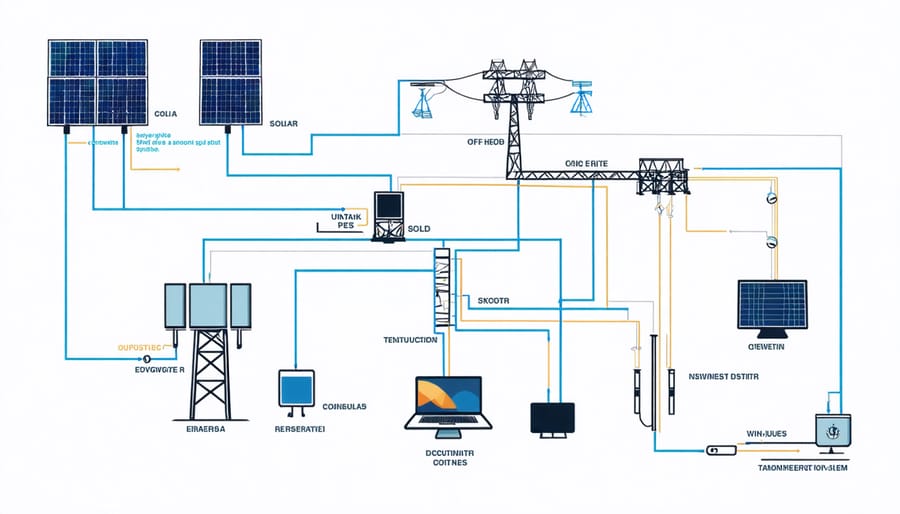
Essential Components of Off-Grid Solar Systems
Solar PV Modules and Array Configuration
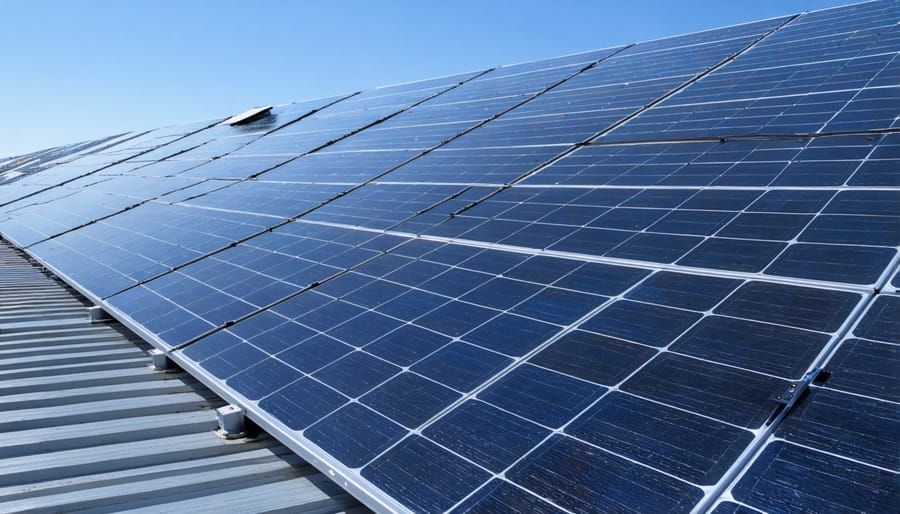
Solar PV modules form the cornerstone of off-grid systems, with module selection significantly impacting overall system performance and solar panel lifecycle considerations. Modern installations typically utilize either monocrystalline or polycrystalline silicon modules, with monocrystalline offering higher efficiency in limited spaces and polycrystalline providing cost-effective solutions for larger installations.
Array configuration must account for geographical location, available space, and energy requirements. Series connections increase voltage while parallel connections boost current output. The optimal configuration typically maintains voltage levels within the charge controller’s operating range while delivering sufficient current for battery charging.
For maximum energy harvest, arrays should be oriented toward true south in the Northern Hemisphere (or true north in the Southern Hemisphere) with tilt angles approximately equal to the installation site’s latitude. Multiple string configurations enhance system reliability by maintaining partial functionality during maintenance or panel failures. Modern installations often incorporate module-level power electronics (MLPEs) to optimize individual panel performance and mitigate partial shading effects.
Battery Storage Solutions
Battery storage systems are fundamental components of off-grid solar installations, serving as the backbone for reliable power availability when sunlight is unavailable. Modern installations typically utilize lithium-ion or advanced lead-acid batteries, with lithium iron phosphate (LiFePO4) becoming increasingly popular due to its superior cycle life and safety characteristics.
Proper battery sizing requires careful calculation of daily energy consumption patterns and desired autonomy days. The general rule is to size the battery bank to store 2-3 days of typical energy usage, accounting for depth of discharge limitations and system efficiency losses. For residential applications, storage capacity typically ranges from 10 to 40 kWh, depending on household needs.
Battery maintenance requirements vary by technology. While lithium-ion systems require minimal maintenance, flooded lead-acid batteries need regular water level checks and terminal cleaning. Temperature management is crucial for all battery types, with optimal performance achieved between 20-25°C (68-77°F).
To maximize battery lifespan, implement charge controllers with temperature compensation and proper voltage regulation. Regular monitoring of state of charge, voltage levels, and charging patterns helps identify potential issues before they affect system performance.
Charge Controllers and Inverters
Charge controllers and inverters are essential components that manage power flow and conversion in off-grid solar systems. Charge controllers regulate the voltage and current flowing from solar panels to batteries, preventing overcharging and extending battery life. MPPT (Maximum Power Point Tracking) controllers offer superior efficiency compared to PWM (Pulse Width Modulation) models, particularly in varying weather conditions.
Inverters transform the DC power stored in batteries into AC power suitable for household appliances. Pure sine wave inverters provide clean power necessary for sensitive electronics, while modified sine wave inverters offer a more economical solution for basic applications. System sizing should account for both continuous power requirements and surge demands from motor-driven appliances.
For optimal performance, these components must be properly matched to your solar array capacity, battery bank specifications, and anticipated load requirements. Professional-grade monitoring systems can help track system efficiency and identify potential issues before they affect system performance.
System Design and Sizing Principles
Load Analysis and Energy Requirements
Accurate load analysis forms the foundation of successful off-grid system design principles. To calculate daily energy requirements, begin by creating a comprehensive inventory of all electrical devices and appliances that will be powered by the system. For each device, multiply its power rating (in watts) by the estimated daily hours of operation to determine watt-hours per day.
Consider seasonal variations in energy consumption, accounting for higher usage during winter months when lighting requirements increase and summer periods when cooling systems may be necessary. Factor in surge requirements for motors and compressors, which can momentarily draw several times their rated power during startup.
To ensure system reliability, incorporate a safety margin of 10-15% above calculated loads. This buffer accommodates unforeseen usage patterns and system inefficiencies. Document both AC and DC loads separately, as DC appliances typically operate more efficiently in off-grid systems by eliminating inverter losses.
Calculate the total daily energy requirement by summing all individual load contributions:
Daily Energy (Wh) = Σ(Device Power × Hours of Use)
Include critical backup loads in a separate category to ensure essential services remain operational during periods of limited solar production. This methodical approach to load analysis helps determine appropriate system sizing and component selection, ensuring reliable operation throughout the year.
Solar Resource Assessment
A thorough solar resource assessment forms the foundation of any successful off-grid solar system design. This process involves analyzing multiple factors to determine the available solar energy at a specific location throughout the year. The primary metrics evaluated include peak sun hours, solar irradiance levels, and seasonal variations in solar exposure.
To conduct an accurate assessment, designers typically utilize specialized tools and databases, such as NASA’s Surface Meteorology and Solar Energy database or the National Renewable Energy Laboratory’s (NREL) solar radiation maps. These resources provide historical data on solar insolation patterns, helping predict system performance across different seasons.
Site-specific factors that influence solar potential include:
– Geographic latitude and longitude
– Local climate patterns and weather conditions
– Shading from nearby structures or vegetation
– Topographical features affecting sun exposure
– Atmospheric conditions and air quality
Professional assessment tools like solar pathfinders and digital shade analysis software help quantify potential obstructions and optimize panel placement. Additionally, modern satellite-based assessment tools can provide preliminary evaluations of a site’s solar potential without requiring physical site visits.
The collected data enables system designers to calculate expected energy yields, determine optimal tilt angles for solar panels, and size system components appropriately. This information directly influences the number of panels required, battery storage capacity, and overall system configuration needed to meet the user’s energy demands throughout the year.
System Losses and Efficiency Considerations
System losses in off-grid solar installations significantly impact overall performance and must be carefully considered during the design phase. These losses occur at multiple points throughout the system and can substantially reduce the actual energy available for consumption.
Primary sources of losses include temperature effects on solar panels, which can decrease efficiency by 0.3-0.5% per degree Celsius above standard testing conditions. Wire resistance causes transmission losses, typically accounting for 2-3% of energy loss in well-designed systems. Inverter efficiency, ranging from 90-96%, represents another significant loss factor, particularly in systems with multiple power conversion stages.
Battery storage introduces additional inefficiencies, with charge-discharge cycles resulting in energy losses of 5-15%, depending on battery technology and operating conditions. Dust and soiling on panels can reduce generation by up to 5% annually in typical conditions, while shading effects, even partial, can disproportionately impact system output.
To maintain optimal system efficiency, designers must:
– Implement proper cable sizing to minimize transmission losses
– Select high-efficiency inverters appropriate for the system size
– Account for temperature derating in panel output calculations
– Include regular maintenance in system planning
– Factor in degradation rates (typically 0.5-1% annually)
Understanding and accounting for these losses during the design phase ensures accurate system sizing and helps meet long-term energy requirements effectively.
Installation and Safety Guidelines
Mounting and Wiring Considerations
Proper mounting and wiring implementation is crucial for system safety, performance, and longevity in off-grid solar installations. Solar panels must be mounted at the optimal angle, typically equal to the installation site’s latitude, with adjustments of ±15° for seasonal variations. Mounting structures should be corrosion-resistant and capable of withstanding local wind loads and weather conditions.
When installing panels, maintain adequate spacing for ventilation and accessibility during maintenance. Ground-mounted systems require secure anchoring and proper elevation to prevent snow accumulation and vegetation interference. Roof installations must account for existing structure integrity and waterproofing considerations.
For wiring, use appropriately sized cables rated for outdoor exposure and UV resistance. All conductors should be properly insulated and secured to prevent physical damage. Implement proper grounding systems according to National Electrical Code (NEC) requirements, including equipment grounding conductors and surge protection devices.
Junction boxes must be weatherproof and easily accessible. Maintain proper wire management with appropriate conduit systems and support mechanisms. Ensure all connections are properly terminated using approved methods and materials to prevent arcing and resistance losses.
Critical safety components include properly rated disconnect switches, overcurrent protection devices, and clearly labeled termination points. Document all wiring configurations and maintain detailed electrical diagrams for future reference and maintenance purposes.

Safety Measures and Code Compliance
Safety considerations and code compliance are critical components of off-grid solar system design and installation. All installations must adhere to the National Electrical Code (NEC), specifically Article 690 which governs photovoltaic systems. The primary safety requirements include proper grounding, overcurrent protection, and disconnect mechanisms for both AC and DC circuits.
System grounding must include equipment grounding conductors connecting all metallic components and a grounding electrode system. Surge protection devices (SPDs) should be installed to protect sensitive electronics from lightning strikes and voltage spikes. All wiring must be properly sized according to current capacity and voltage drop calculations, using appropriate conduit and weatherproof enclosures for outdoor installations.
Battery systems require particular attention to safety protocols. Installation areas must be well-ventilated to prevent hydrogen gas accumulation, and appropriate personal protective equipment (PPE) should be used during maintenance. Battery enclosures should be clearly marked with warning signs and equipped with spill containment systems.
Local jurisdictions may have additional requirements beyond national standards. Installers must obtain necessary permits and schedule inspections with local authorities having jurisdiction (AHJ). Documentation of system specifications, component certifications, and installation details should be maintained for compliance verification.
Regular safety audits and maintenance checks are essential to ensure continued compliance and system safety. This includes testing ground fault protection devices, checking wire connections for signs of wear, and verifying proper operation of disconnect switches.
System Maintenance and Troubleshooting
Regular maintenance is crucial for ensuring the longevity and optimal performance of off-grid solar systems. Following established system maintenance guidelines helps prevent system failures and maintains efficiency throughout the installation’s lifecycle.
Key maintenance procedures include monthly inspection of solar panels for dust, debris, or damage, checking battery terminals for corrosion, and verifying proper cable connections. Cleaning solar panels quarterly or as needed improves energy capture efficiency, while monitoring battery fluid levels in flooded lead-acid batteries prevents cell damage.
Common troubleshooting scenarios often involve:
– Reduced system output: Usually caused by dirty panels, shading issues, or degraded components
– Battery performance problems: Often related to sulfation, improper charging cycles, or temperature extremes
– Inverter malfunctions: Typically stemming from overloading or internal component failure
– Charge controller issues: Generally involving incorrect settings or communication errors
Preventive measures include:
– Maintaining detailed performance logs
– Regular testing of battery capacity
– Calibrating charge controller settings
– Inspecting weather seals and mounting hardware
– Monitoring system voltage and current readings
When problems arise, systematic diagnosis is essential. Begin by checking system displays and error codes, verify proper connections, and assess environmental factors affecting performance. Document all maintenance activities and system irregularities for future reference and pattern identification.
Professional inspection is recommended annually to identify potential issues before they become critical. This includes thermal imaging of connections, detailed battery analysis, and verification of safety systems. Keeping spare fuses, connectors, and basic replacement parts on hand enables quick repairs when needed.
Future-Proofing Your Off-Grid System
Future-proofing your off-grid solar system requires careful planning and strategic design decisions that accommodate potential expansion and technological advancements. When designing your initial system, it’s essential to consider implementing modular components that allow for seamless integration of additional capacity and newer technologies as they become available.
Begin by selecting a charge controller and inverter with higher capacity ratings than your current needs. This approach, known as “oversizing,” enables future panel additions without replacing core components. Choose major system components that support modern communication protocols and monitoring capabilities, as these features are becoming increasingly important for system optimization and integration with hybrid power systems.
Consider installing extra conduit runs and junction boxes during initial installation, which will significantly reduce the cost and complexity of future expansions. When designing your battery bank, plan for potential capacity increases by ensuring your battery enclosure can accommodate additional units. Modern lithium battery systems often feature modular designs that simplify capacity expansion.
Documentation plays a crucial role in future-proofing. Maintain detailed records of your system specifications, including string configurations, wire sizes, and equipment locations. This information becomes invaluable during upgrades or when troubleshooting is necessary.
Evaluate emerging technologies that might benefit your system in the future, such as smart load controllers, advanced energy management systems, and improved storage solutions. Stay informed about developments in solar panel efficiency, battery chemistry, and power electronics to make educated decisions about system upgrades.
Incorporate flexibility in your mounting systems by installing additional rails or leaving space for future panels. Consider the structural capacity of roof-mounted systems to ensure they can support additional weight from future expansions. For ground-mounted systems, plan the array layout to accommodate potential additions while maintaining optimal spacing and shading considerations.
Remember that future-proofing extends beyond hardware considerations. Ensure your system’s documentation includes upgrade paths, maintenance schedules, and component compatibility guidelines to facilitate smooth transitions as your energy needs evolve.
Off-grid solar design represents a complex yet rewarding endeavor that requires careful consideration of multiple factors to ensure system reliability and effectiveness. Throughout this comprehensive guide, we’ve explored the essential components, design principles, and implementation strategies necessary for successful off-grid solar installations.
Key considerations include proper sizing of solar arrays, battery storage capacity, and inverter specifications based on energy consumption patterns. The importance of conducting thorough site assessments, understanding local climate conditions, and implementing appropriate safety measures cannot be overstated. Additionally, selecting high-quality components and ensuring system redundancy helps maintain consistent power supply during challenging weather conditions or maintenance periods.
For optimal system performance, remember to:
– Calculate load requirements accurately before component selection
– Include a minimum 20% buffer in system capacity
– Implement robust monitoring systems
– Establish regular maintenance schedules
– Consider future expansion needs during initial design
Success in off-grid solar design requires a balanced approach between technical expertise and practical considerations. Whether you’re a professional installer or an enthusiast planning a personal installation, careful attention to these fundamental principles will help ensure a reliable and efficient off-grid power system.
As renewable energy technology continues to advance, staying informed about emerging solutions and best practices will be crucial for optimizing system performance and longevity. Regular system evaluations and updates will help maintain peak efficiency and adapt to changing energy needs over time.