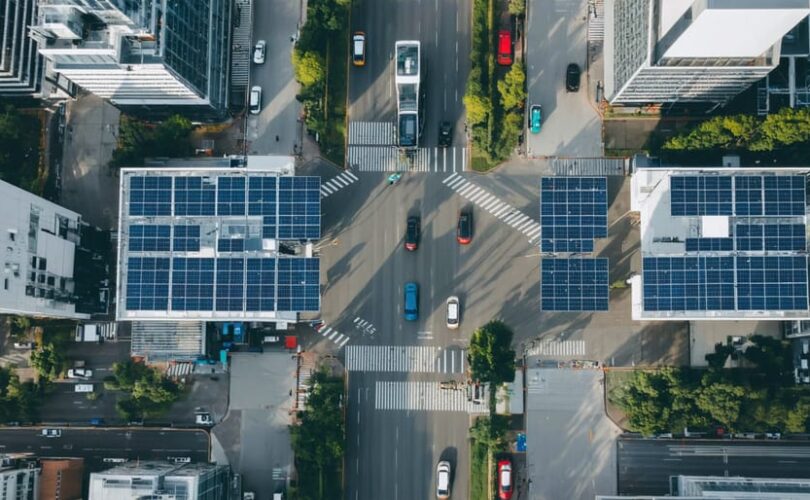
Urban solar power stands at the forefront of sustainable city development, transforming metropolitan landscapes into clean energy powerhouses. As cities worldwide grapple with increasing energy demands and environmental challenges, solar photovoltaic (PV) systems offer a compelling solution that leverages unused urban spaces for renewable energy generation. From rooftop installations on commercial buildings to innovative solar-integrated infrastructure, urban solar initiatives are revolutionizing how cities produce and consume electricity.
Recent technological advances in solar panel efficiency, coupled with declining installation costs, have made urban solar applications increasingly viable for densely populated areas. Modern PV systems now achieve conversion rates exceeding 20%, while smart grid integration enables seamless power distribution across urban networks. This evolution in solar technology perfectly aligns with cities’ sustainability goals, offering a practical pathway to reduce carbon emissions while enhancing energy security.
For municipalities and property owners, urban solar power represents more than environmental stewardship – it delivers tangible economic benefits through reduced energy costs and potential revenue from excess power generation. As cities continue to expand vertically, the integration of solar solutions into urban planning has become essential for creating resilient, sustainable metropolitan environments that meet the challenges of 21st-century energy demands.
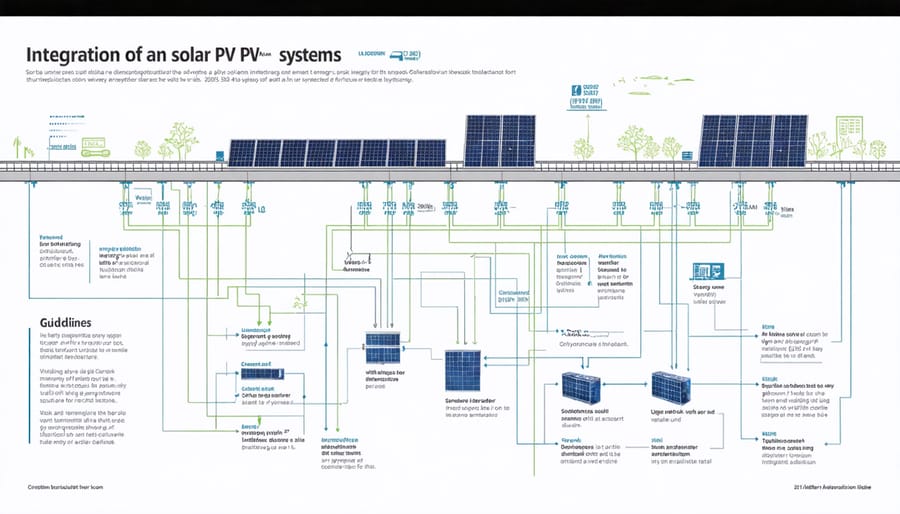
The Urban Solar Mobility Framework
Grid-Connected vs. Standalone Systems
Urban solar power installations typically fall into two main configurations: grid-connected and standalone solar power systems. Grid-connected systems remain integrated with the municipal power grid, enabling bidirectional power flow. These systems can supply excess energy to the grid during peak production and draw power when needed, making them ideal for urban applications where reliability is crucial.
Standalone systems, conversely, operate independently from the grid, utilizing battery storage for energy management. While these systems offer greater autonomy, they require careful sizing of both solar arrays and storage capacity to ensure consistent power availability. This configuration is particularly relevant for remote urban installations or areas with unreliable grid connections.
The choice between these configurations depends on several factors, including local grid infrastructure, power requirements, available space, and budget constraints. Grid-connected systems generally offer better cost-effectiveness in urban environments due to lower equipment requirements and the ability to benefit from net metering programs. However, standalone systems provide enhanced energy security and independence, making them valuable for critical urban infrastructure applications.
Energy Storage Solutions
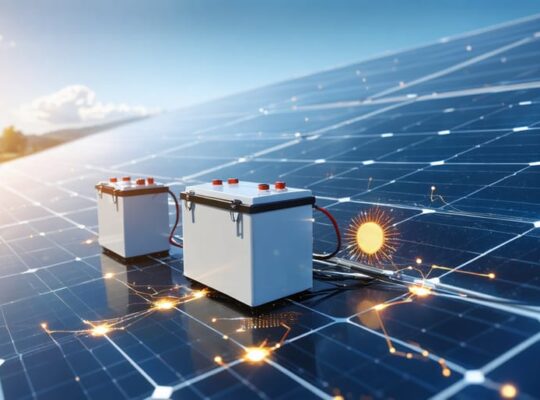
Energy storage solutions play a crucial role in maximizing the efficiency of urban solar power systems by addressing the intermittent nature of solar generation. Modern lithium-ion battery systems serve as the primary storage technology, offering high energy density and rapid response capabilities essential for grid stabilization.
Advanced battery management systems (BMS) optimize charging cycles and extend battery life while ensuring safe operation. These systems typically integrate smart monitoring capabilities that provide real-time performance data and predictive maintenance alerts.
Alternative storage technologies gaining traction include flow batteries for longer-duration storage and thermal storage systems that capture excess solar energy as heat. In dense urban environments, compressed air energy storage (CAES) presents a space-efficient option for larger installations.
Grid-scale storage solutions often combine multiple technologies to create hybrid systems that balance cost, efficiency, and reliability. These integrated approaches typically incorporate power conditioning systems and sophisticated control algorithms to manage energy flow between generation, storage, and consumption points, ensuring consistent power supply during peak demand periods and nighttime hours.
Solar-Powered Transportation Applications
Electric Vehicle Charging Stations
The integration of solar PV systems with electric vehicle charging infrastructure represents a significant advancement in urban sustainability. These combined systems leverage photovoltaic arrays to generate clean electricity for EV charging stations, reducing grid dependency and operating costs while maximizing renewable energy utilization.
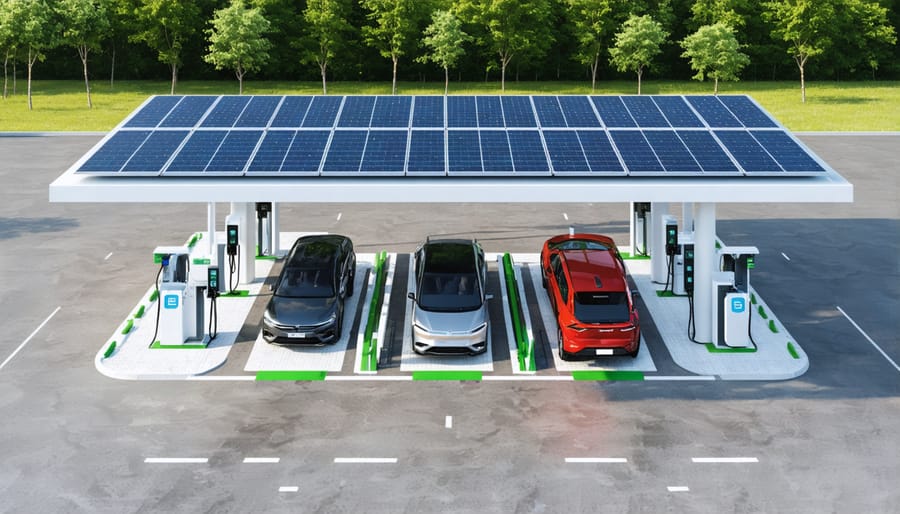
Modern solar-powered EV charging stations typically incorporate energy storage systems, enabling consistent charging capability even during cloudy conditions or nighttime hours. The installations can range from simple carport structures with rooftop solar panels to sophisticated charging hubs featuring advanced power management systems and multiple charging points.
Key components of these integrated systems include solar PV arrays, power conversion equipment, battery storage units, and smart charging controllers. The charging infrastructure can be configured to optimize power distribution based on real-time solar generation, grid conditions, and vehicle charging demands.
Urban planners and developers are increasingly incorporating these systems into parking facilities, shopping centers, and municipal buildings. The benefits extend beyond environmental considerations, as these installations can provide grid services through demand response programs and help stabilize local power distribution networks during peak usage periods.
Implementation challenges include space constraints in dense urban environments, initial capital costs, and the need for sophisticated energy management systems. However, declining solar technology costs and improving storage solutions continue to enhance the economic viability of these installations, making them an increasingly attractive option for sustainable urban mobility infrastructure.
Public Transit Solutions
Public transportation systems are increasingly integrating solar power technologies to enhance sustainability and reduce operational costs. Transit authorities worldwide are implementing photovoltaic solutions across various modes of transportation and supporting infrastructure.
Solar-powered buses represent a significant advancement in sustainable urban mobility. These vehicles typically combine rooftop solar panels with energy storage systems, reducing dependency on traditional charging infrastructure. Modern solar buses can generate 5-7 kWh of electricity daily, supporting auxiliary systems and extending vehicle range.
Railway systems have also embraced solar technology, with solar panels being installed along tracks and on station rooftops. These installations power essential operations, including signaling systems, platform lighting, and passenger amenities. Notable examples include India’s Delhi Metro, which sources a substantial portion of its energy needs from dedicated solar farms.
Transit stations are evolving into solar energy hubs, featuring integrated photovoltaic canopies and building-integrated solar solutions. These installations serve multiple purposes: generating clean energy, providing shade for passengers, and demonstrating environmental leadership. Advanced energy management systems optimize power distribution between station operations, vehicle charging, and grid feed-in.
Emerging technologies in this sector include solar-powered digital displays, smart lighting systems, and autonomous charging solutions. These innovations contribute to creating more resilient and energy-efficient public transportation networks while reducing carbon emissions in urban environments.

Last-Mile Transportation
Solar-powered last-mile transportation solutions are revolutionizing urban mobility by integrating photovoltaic technology with micro-mobility vehicles. Solar-assisted electric bikes and scooters feature integrated PV panels on docking stations and vehicle components, enabling sustainable charging infrastructure throughout urban environments.
Modern solar-powered bike-sharing systems utilize smart docking stations equipped with photovoltaic canopies that generate electricity for charging the vehicles’ batteries. These stations operate independently from the grid, reducing operational costs and environmental impact. Advanced energy management systems optimize charging cycles based on solar availability and usage patterns.
Solar-electric scooters incorporate lightweight, flexible PV cells on their platforms or handlebars, supplementing battery charge during daylight hours. This innovation extends vehicle range and reduces the frequency of traditional charging needs. Some systems achieve up to 15% battery life extension through solar charging alone.
Implementation challenges include optimizing panel placement for maximum exposure while maintaining vehicle aesthetics and functionality. Engineers are developing next-generation solutions using high-efficiency thin-film solar cells and advanced power management systems to enhance charging capabilities.
Municipal authorities increasingly support these initiatives through dedicated infrastructure and policy frameworks. This support has led to the rapid expansion of solar-powered micro-mobility networks in urban centers worldwide, contributing to reduced carbon emissions and improved air quality while providing convenient transportation options for city residents.
Implementation Challenges and Solutions
Technical Considerations
The implementation of urban solar power systems presents unique engineering challenges that require innovative solutions. Building integration constraints, shading effects from surrounding structures, and limited space availability are primary technical considerations that engineers must address. Modern sustainable solar technology has evolved to meet these challenges through advanced design approaches and materials.
High-efficiency photovoltaic modules, specifically designed for urban environments, now incorporate anti-soiling coatings and optimize performance under partial shading conditions. Advanced power electronics, including micro-inverters and power optimizers, help maximize energy yield in complex urban installations where uniform solar exposure isn’t guaranteed.
Structural considerations are equally crucial, as urban installations must comply with building codes while maintaining roof integrity. Engineers must calculate additional load-bearing requirements and ensure proper waterproofing measures are implemented. Smart monitoring systems have become essential components, enabling real-time performance tracking and predictive maintenance to optimize system efficiency.
The orientation and tilt angles of panels require precise calculations in urban settings, often necessitating creative mounting solutions to achieve optimal solar exposure. Integration with existing electrical infrastructure demands careful planning to ensure seamless grid connection and compliance with local utility requirements. These technical aspects must be balanced with aesthetic considerations to maintain urban architectural integrity while maximizing energy generation potential.
Economic Viability
The economic viability of urban solar power projects hinges on several key factors, including initial infrastructure costs, operational expenses, and long-term return on investment (ROI). Current market analysis indicates that the average cost for installing solar panels in urban environments ranges from $2.50 to $3.50 per watt, with larger installations benefiting from economies of scale.
Installation costs typically represent 60% of the total project investment, encompassing hardware, mounting systems, and necessary electrical infrastructure. However, these costs are offset by various financial incentives, including federal tax credits, state rebates, and local utility programs, which can reduce initial expenses by 26-30%.
The ROI period for urban solar installations generally ranges from 5 to 8 years, depending on local electricity rates, solar irradiance levels, and maintenance requirements. Commercial installations in urban areas demonstrate particularly promising returns, with average annual energy cost savings of 40-75% compared to traditional grid power.
Lifecycle cost analysis reveals that urban solar systems maintain operational efficiency for 25-30 years, with panel degradation rates of only 0.5% annually. This extended operational lifespan, combined with minimal maintenance requirements and decreasing technology costs, contributes to favorable long-term economics.
Moreover, innovative financing models, such as power purchase agreements (PPAs) and solar leasing options, have made solar installations more accessible to urban property owners by eliminating substantial upfront costs while still delivering immediate energy savings.
Future Prospects and Innovations
The future of urban solar power is being shaped by groundbreaking innovations and technological advancements that promise to revolutionize how cities harness solar energy. Advanced building-integrated photovoltaics (BIPV) are evolving to incorporate transparent solar cells, enabling windows to generate power while maintaining their primary function. These developments, coupled with energy independence solutions, are transforming urban infrastructure into power generation hubs.
Emerging technologies like perovskite solar cells show remarkable potential for urban applications, offering higher efficiency rates and lower production costs compared to traditional silicon-based panels. These next-generation cells can be printed on flexible substrates, allowing for integration into curved surfaces and unconventional architectural designs.
Smart grid integration is becoming increasingly sophisticated, with artificial intelligence and machine learning algorithms optimizing power distribution and storage systems. Urban microgrids equipped with advanced battery technology are enhancing grid resilience while maximizing solar energy utilization.
Vehicle-integrated photovoltaics (VIPV) represent another promising frontier, with solar-powered electric vehicles incorporating high-efficiency panels into their design. This innovation extends to public transportation infrastructure, where solar canopies at bus stops and train stations generate power for local use.
Research institutions are developing solar roads and pathways that could transform urban thoroughfares into power generators. While currently in experimental phases, these technologies could significantly expand the solar collection surface area in dense urban environments.
Artificial intelligence-driven maintenance systems are emerging to optimize panel performance and predict maintenance needs, reducing downtime and increasing overall system efficiency. These systems use drone technology and automated cleaning solutions to maintain optimal performance levels with minimal human intervention.
As urban populations continue to grow, vertical solar farms and solar facades are gaining traction, utilizing limited space efficiently while contributing to sustainable urban development. These innovations, combined with improved energy storage solutions, are paving the way for truly solar-powered cities of the future.
The integration of solar power into urban mobility systems represents a pivotal advancement in sustainable city development. Through the implementation of solar-powered transportation infrastructure, cities are witnessing remarkable reductions in carbon emissions while enhancing energy independence. The synergy between photovoltaic technology and urban transportation networks has demonstrated concrete benefits, from solar-powered charging stations for electric vehicles to energy-efficient public transit systems.
The evidence presented throughout this analysis underscores the transformative potential of solar mobility solutions in urban environments. Cities that have embraced these innovations report significant cost savings, improved air quality, and enhanced resilience in their transportation networks. Furthermore, the collaboration between municipal governments, research institutions, and industry stakeholders has accelerated the development and deployment of these technologies.
Looking ahead, the future of urban solar power in transportation appears promising. Advancing technology continues to improve solar panel efficiency and energy storage capabilities, while decreasing implementation costs make these solutions increasingly accessible to cities of all sizes. The successful case studies and pilot programs discussed demonstrate that solar-powered urban mobility is not just an aspirational goal but a practical reality.
As cities worldwide face growing environmental challenges and energy demands, the adoption of solar-powered transportation infrastructure offers a sustainable path forward. By embracing these innovations, urban centers can create more resilient, efficient, and environmentally conscious transportation systems that benefit both current and future generations.