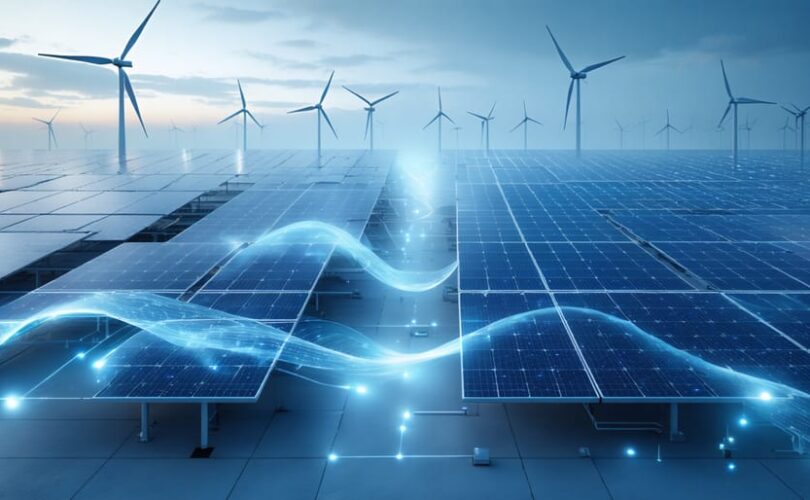
The rapid integration of renewable energy sources into power grids worldwide presents unprecedented challenges for grid stability and reliability. As solar and wind power installations continue their exponential growth, power system operators face increasingly complex scenarios in maintaining frequency control, voltage regulation, and overall grid resilience. Traditional power systems, designed around predictable, controllable generation sources, must now adapt to the inherent variability of renewable energy production.
This fundamental shift demands innovative solutions in grid management, energy storage technologies, and advanced forecasting systems. Modern power grids require sophisticated control mechanisms to balance supply and demand in real-time, particularly during periods of peak renewable generation or sudden weather-induced fluctuations. The integration of smart grid technologies, coupled with high-capacity energy storage systems, has emerged as a critical component in maintaining grid stability.
The challenge extends beyond technical considerations to encompass economic and regulatory frameworks. Grid operators must optimize their systems while ensuring cost-effectiveness and compliance with evolving environmental regulations. Understanding these interconnected challenges is essential for developing robust solutions that enable the continued expansion of renewable energy without compromising power system reliability.
This dynamic landscape creates opportunities for technological innovation, particularly in areas such as artificial intelligence-driven grid management, advanced energy storage systems, and hybrid power plant configurations. These developments are reshaping our approach to power system stability in an increasingly renewable-powered world.
Understanding Grid Stability in Modern Power Systems
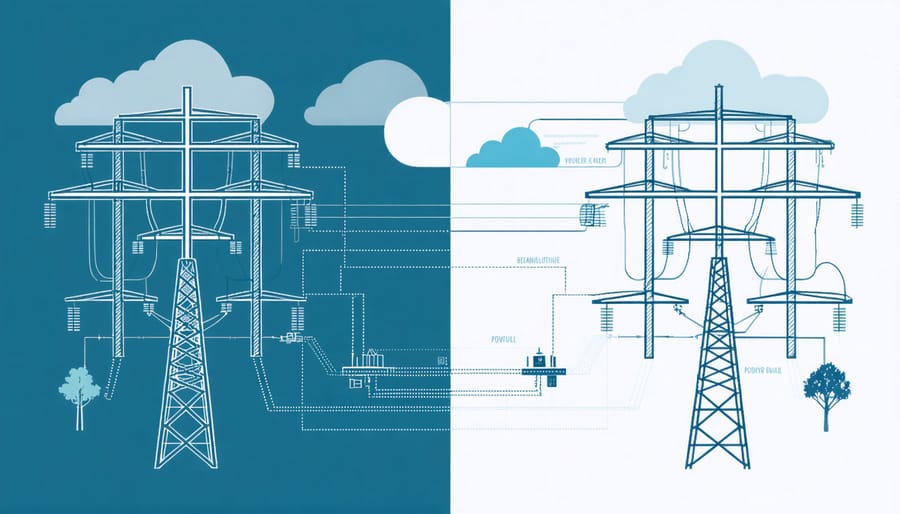
Traditional Grid vs. Renewable-Heavy Networks
Traditional power grids were designed for one-way power flow from centralized generation facilities to end users, with predictable supply patterns and well-established control mechanisms. These systems rely heavily on large thermal power plants that provide both base load power and essential grid services like frequency regulation and voltage support.
In contrast, modern renewable-heavy networks present a fundamentally different operational paradigm. The integration of distributed energy resources, particularly solar PV and wind power, introduces variability and bidirectional power flows that challenge conventional grid management approaches. While smart grid integration technologies help address these challenges, the inherent intermittency of renewable sources requires more sophisticated control systems and energy storage solutions.
Key differences include the reduced system inertia in renewable-heavy grids, as traditional rotating generators are replaced by inverter-based resources. This affects the grid’s natural frequency response and requires new approaches to maintain stability. Additionally, renewable-heavy networks must manage higher levels of voltage fluctuation due to variable generation patterns and distributed connection points.
The transition from traditional to renewable-heavy networks necessitates significant infrastructure upgrades, advanced monitoring systems, and innovative grid services to maintain reliability. This evolution demands a careful balance between maintaining grid stability and maximizing renewable energy integration.
Key Stability Parameters in PV Systems
Key stability parameters in photovoltaic systems play a crucial role in maintaining grid reliability and power quality. Voltage regulation stands as a primary concern, requiring precise control to maintain levels within acceptable ranges despite variations in solar generation. The system must maintain voltage stability through advanced inverter technologies and reactive power compensation mechanisms.
Frequency stability represents another critical parameter, as PV systems must synchronize with the grid’s nominal frequency (typically 50 or 60 Hz). Modern solar installations incorporate sophisticated frequency response capabilities to adjust output power based on grid frequency deviations, helping maintain system stability during disturbances.
Power quality parameters, including harmonics and power factor, require careful monitoring and control. Inverters must maintain total harmonic distortion (THD) within prescribed limits while ensuring a power factor close to unity. This becomes particularly important in large-scale PV installations where multiple inverters operate simultaneously.
Ramp rate control emerges as a crucial stability parameter, limiting the rate at which PV output power can change. This helps prevent sudden fluctuations that could destabilize the grid. Energy storage systems often complement PV installations to manage these ramp rates effectively.
Grid inertia, traditionally provided by rotating masses in conventional power plants, requires special consideration in PV systems. Virtual inertia solutions and advanced control strategies help maintain system stability during frequency events, ensuring reliable grid operation with increasing solar penetration.
Common Grid Stability Challenges with PV Integration
Voltage Fluctuations and Power Quality
Solar power’s intermittent nature poses significant challenges for voltage stability and power quality in electrical grids. As solar irradiance fluctuates throughout the day due to cloud cover, weather conditions, and natural diurnal cycles, the power output from photovoltaic systems varies accordingly. These variations can lead to voltage fluctuations that affect the entire distribution network.
When solar generation suddenly drops or increases, it creates rapid voltage changes that can manifest as flicker, sags, or swells. These power quality issues can impact sensitive electronic equipment and compromise the overall grid stability. In areas with high PV penetration, these effects are particularly pronounced during cloud-edge events, where sharp transitions between sunny and cloudy conditions occur.
Modern inverter technology plays a crucial role in managing these fluctuations. Advanced inverters equipped with volt-VAR control capabilities can help regulate voltage levels by adjusting reactive power output. However, the effectiveness of these solutions depends on proper system design and implementation of appropriate control strategies.
Grid operators must maintain voltage levels within acceptable ranges (typically ±5% of nominal voltage) while accommodating these variations. This requires sophisticated monitoring systems and dynamic response mechanisms. Energy storage systems, such as batteries, can help smooth out these fluctuations by absorbing excess power during peak generation and releasing it during periods of low production.
To ensure grid stability, utilities often implement ramp-rate controls and power curtailment schemes, which limit how quickly PV systems can change their output power levels.
Frequency Regulation Challenges
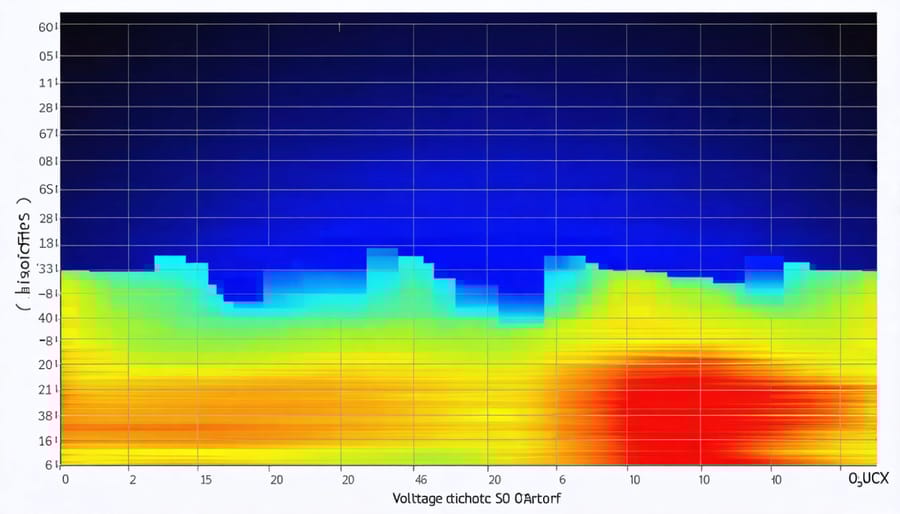
Maintaining grid frequency stability presents significant challenges as solar generation capacity increases across power networks. Traditional power systems rely on the inertia of rotating generators to maintain a stable frequency, typically 50 or 60 Hz depending on the region. However, solar photovoltaic systems lack this inherent mechanical inertia, making frequency regulation more complex.
Variable cloud cover and daily solar cycles create rapid fluctuations in power output, requiring grid operators to implement sophisticated control mechanisms. These sudden changes can cause frequency deviations that must be quickly addressed to prevent system instability. When solar generation drops unexpectedly, fast-responding resources must immediately compensate for the power deficit to maintain the balance between supply and demand.
Modern grid systems employ various solutions to address these challenges, including advanced inverter technologies with grid-forming capabilities. These smart inverters can provide synthetic inertia and frequency support services, helping to stabilize the grid during disturbances. Energy storage systems, particularly utility-scale batteries, also play a crucial role by providing rapid frequency response services.
Grid operators must carefully coordinate conventional power plants, renewable resources, and energy storage systems to maintain frequency within acceptable limits. This requires advanced forecasting tools, real-time monitoring systems, and automated control mechanisms to ensure reliable grid operation as solar penetration levels continue to increase.
Intermittency and Storage Requirements
The intermittent nature of solar power presents significant challenges for grid stability, primarily due to variations in weather conditions and the day-night cycle. These fluctuations can cause voltage irregularities and frequency deviations, potentially compromising grid reliability. To address these challenges, advanced energy storage solutions have become essential components of modern renewable energy systems.
Battery technologies, particularly lithium-ion systems, serve as primary storage mechanisms, enabling surplus energy capture during peak production periods for use during low-generation intervals. Grid operators employ sophisticated forecasting algorithms and real-time monitoring systems to predict and manage these intermittency issues effectively. These tools help maintain grid stability by anticipating production fluctuations and adjusting auxiliary power sources accordingly.
Hybrid systems combining multiple renewable sources, such as solar and wind, can help mitigate intermittency challenges by leveraging complementary generation patterns. Additionally, demand response programs and smart grid technologies enable better load management, reducing the impact of supply variations on grid stability. The implementation of microgrids and distributed storage systems further enhances grid resilience by creating localized power management capabilities.
Ongoing research focuses on developing more efficient and cost-effective storage technologies, including flow batteries and thermal storage systems, to improve grid stability and facilitate higher renewable energy penetration rates.
Technical Solutions for Enhanced Grid Resilience
Advanced Inverter Technologies
Advanced inverter technologies play a crucial role in maintaining grid stability as renewable energy integration increases. Modern utility interactive inverters incorporate sophisticated control algorithms and communication capabilities that enable real-time response to grid conditions. These smart devices can automatically adjust their output parameters, including voltage and frequency, to support grid stability during fluctuations in power generation or demand.
Key features of advanced inverters include volt-VAR control, frequency ride-through capabilities, and anti-islanding protection. These functions allow inverters to provide essential grid support services traditionally delivered by conventional power plants. Volt-VAR control helps maintain voltage levels within acceptable ranges by dynamically adjusting reactive power output, while frequency ride-through capabilities ensure inverters remain connected during temporary grid disturbances.
Modern inverters also incorporate power quality enhancement features, such as harmonic mitigation and power factor correction. These capabilities help maintain clean power delivery and improve overall grid efficiency. Additionally, advanced communication protocols enable grid operators to remotely monitor and control inverter behavior, facilitating better coordination between distributed energy resources and traditional grid infrastructure.
The implementation of these technologies represents a significant advancement in renewable energy integration, enabling higher penetration levels of solar and wind power while maintaining grid reliability and stability.
Energy Storage Integration
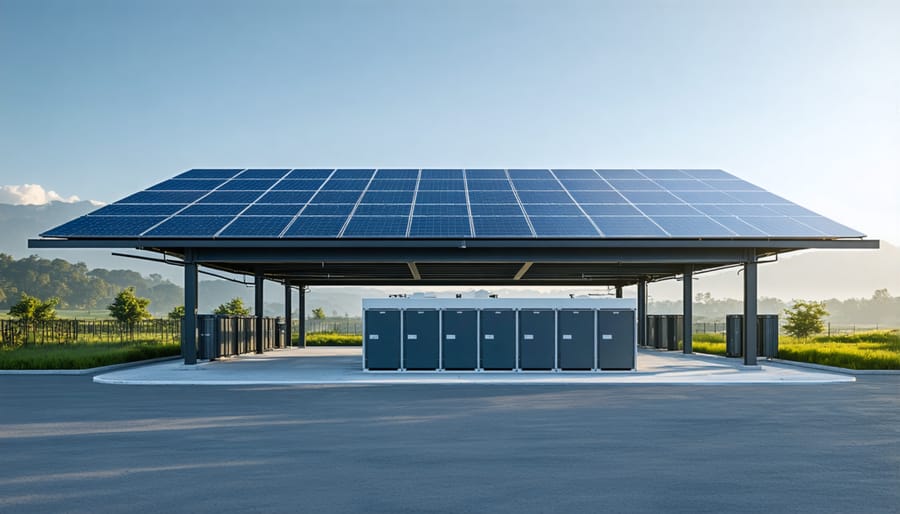
Energy storage systems play a crucial role in addressing the intermittent nature of renewable energy sources and maintaining grid stability. Modern battery technologies, particularly utility-scale lithium-ion systems, provide essential services including frequency regulation, voltage support, and peak load management.
Grid-scale battery installations can respond to power fluctuations within milliseconds, offering immediate support during sudden changes in renewable energy generation. These systems effectively smooth out the variable output from solar and wind resources, storing excess energy during peak production periods and dispatching it when generation decreases or demand increases.
Advanced battery management systems (BMS) optimize storage performance through sophisticated algorithms that predict generation patterns and load requirements. These systems can coordinate multiple storage units across the grid, creating a distributed network of power reserves that enhances overall system resilience.
The integration of energy storage also enables ancillary services such as black start capability, reactive power support, and grid forming functions. Modern installations commonly incorporate hybrid inverter systems that combine storage management with grid-supporting capabilities, providing a comprehensive solution for network stability.
While initial costs remain a consideration, declining battery prices and improved energy density continue to make storage integration more economically viable. Grid operators increasingly recognize storage as an essential component of renewable energy infrastructure, leading to expanded deployment and innovative financing models.
Smart Grid Management Systems
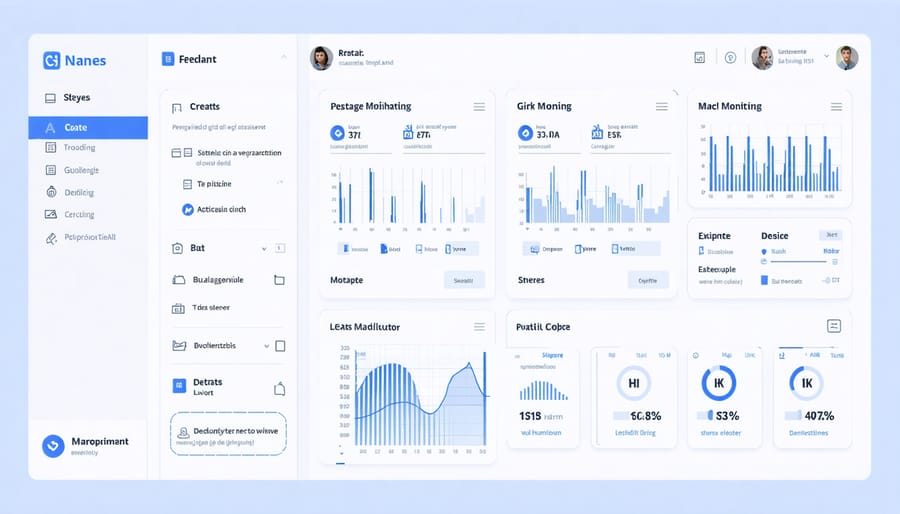
Smart grid management systems represent a crucial advancement in maintaining power grid stability amid increasing renewable energy integration. These sophisticated digital platforms combine real-time monitoring, advanced analytics, and automated control systems to optimize grid operations and enhance grid resilience.
Modern grid management systems utilize artificial intelligence and machine learning algorithms to predict demand patterns, manage power flow, and respond to fluctuations in renewable energy generation. Key components include advanced metering infrastructure (AMI), supervisory control and data acquisition (SCADA) systems, and distributed energy resource management systems (DERMS).
These technologies enable grid operators to:
– Monitor power quality and system stability in real-time
– Implement automated voltage regulation
– Optimize power distribution across networks
– Detect and respond to potential system failures
– Balance supply and demand dynamically
The integration of smart inverters and energy storage systems further enhances grid stability by providing rapid response capabilities during sudden changes in power generation or consumption. Advanced communication protocols ensure seamless coordination between various grid components, while cybersecurity measures protect against potential threats to system integrity.
Grid operators can now make data-driven decisions to maintain system reliability while accommodating the variable nature of renewable energy sources, ultimately supporting the transition to a more sustainable energy future.
Demand Response and Load Management
Demand response and load management strategies play crucial roles in maintaining grid stability as renewable energy penetration increases. These approaches focus on adjusting electricity consumption patterns to match variable solar power generation, creating a more flexible and resilient grid system.
Smart load management systems utilize advanced metering infrastructure and automated controls to shift energy consumption to periods of peak solar production. This can include scheduling energy-intensive industrial processes, electric vehicle charging, and building climate control systems during daylight hours when PV generation is highest.
Time-of-use pricing mechanisms incentivize consumers to modify their consumption patterns, encouraging electricity use during periods of abundant solar generation. These programs typically offer lower rates during peak production hours and higher rates during evening demand spikes, effectively smoothing out the demand curve.
Energy storage systems complement demand response programs by storing excess solar power for use during peak demand periods. Battery storage, pumped hydro storage, and thermal storage solutions provide grid operators with additional flexibility to manage supply-demand imbalances.
Industrial and commercial consumers can participate in automated demand response programs, allowing grid operators to temporarily reduce their power consumption during stress periods. This capability acts as a virtual power plant, helping maintain grid stability without requiring additional generation capacity.
The implementation of these strategies requires sophisticated energy management systems, consumer engagement programs, and appropriate regulatory frameworks to ensure effective coordination between utilities, consumers, and grid operators.
Future Developments and Industry Trends
AI and Machine Learning Applications
Artificial Intelligence and Machine Learning technologies are revolutionizing grid stability management for renewable energy systems. Advanced neural networks and deep learning algorithms now enable precise forecasting of solar and wind power generation, helping utilities anticipate and respond to fluctuations in renewable energy output. These predictive systems analyze vast amounts of data, including weather patterns, historical performance metrics, and real-time grid conditions to optimize power distribution.
Machine learning models are particularly effective in demand response management, automatically adjusting grid parameters based on consumption patterns and renewable energy availability. Smart grid applications utilizing AI can predict potential stability issues hours or even days in advance, allowing operators to implement preemptive measures. These systems also facilitate dynamic load balancing and automated fault detection, significantly reducing the risk of grid instability.
Recent developments in reinforcement learning algorithms have enhanced the grid’s ability to self-regulate, creating more resilient and adaptive power distribution networks that can efficiently integrate increasing amounts of renewable energy sources.
Regulatory Framework Evolution
Grid codes and regulatory frameworks have evolved significantly to address the challenges of integrating renewable energy sources into existing power systems. National and regional authorities have implemented stricter requirements for voltage and frequency control, reactive power support, and fault ride-through capabilities. These updated standards ensure that renewable installations contribute to grid stability rather than compromising it.
Modern grid codes now mandate advanced features such as dynamic voltage support, primary frequency response, and sophisticated power quality management systems. Renewable energy facilities must demonstrate compliance with these requirements before connecting to the grid. The standards also establish clear protocols for communication between grid operators and renewable energy installations, enabling better coordination during normal operations and grid disturbances.
International collaboration has led to the harmonization of many grid code requirements, facilitating cross-border power trading and establishing best practices for renewable energy integration. This regulatory evolution continues as grid operators gather more operational experience and renewable technologies advance.
The integration of renewable energy sources into existing power grids presents both significant challenges and opportunities for the future of sustainable energy. Grid stability issues, while complex, can be effectively managed through a combination of advanced technologies, proper planning, and systematic implementation of proven solutions. The development of smart grid technologies, improved energy storage systems, and sophisticated grid management software continues to enhance our ability to maintain stable power distribution networks.
Looking ahead, the renewable energy sector is poised for substantial growth, with innovations in grid stabilization technologies playing a crucial role. The increasing adoption of hybrid systems, virtual power plants, and advanced forecasting tools will further improve grid reliability. Additionally, ongoing research and development in areas such as artificial intelligence-driven grid management and enhanced storage solutions promise to address current limitations.
Success in maintaining grid stability will require continued collaboration between utilities, technology providers, and regulatory bodies. The standardization of grid integration protocols, combined with flexible regulatory frameworks, will facilitate smoother integration of renewable energy sources. As costs continue to decrease and technologies mature, the challenges of grid stability will become increasingly manageable, paving the way for a more sustainable and reliable energy future.
The key to achieving this vision lies in maintaining a balanced approach that prioritizes both innovation and reliability while ensuring economic viability for all stakeholders involved.