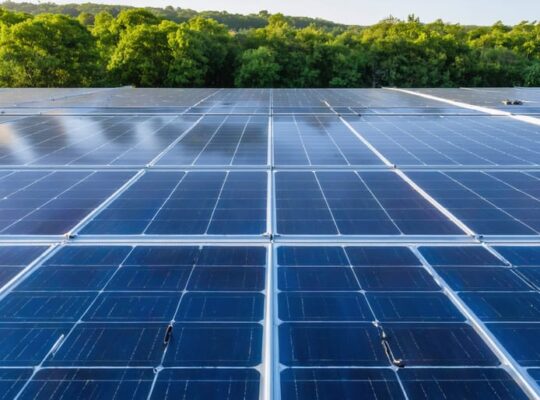
Revolutionizing solar PV system maintenance, AI-powered predictive maintenance systems are transforming how we anticipate, identify, and prevent equipment failures before they occur. These sophisticated monitoring solutions leverage real-time sensor data, machine learning algorithms, and advanced analytics to detect subtle performance degradation patterns across solar installations. By analyzing historical performance metrics, environmental conditions, and component behavior, predictive maintenance platforms reduce operational costs by up to 30% while extending system lifetime by 25%. Forward-thinking solar facility operators implement these systems to maximize energy yield, optimize maintenance schedules, and ensure consistent power generation. The integration of predictive maintenance represents a crucial advancement in solar PV technology, enabling proactive rather than reactive maintenance strategies that enhance both reliability and return on investment.
Understanding Predictive Maintenance Systems for Solar PV
Key Components of PV Predictive Maintenance
The foundation of effective PV predictive maintenance lies in three interconnected components: advanced sensor networks, sophisticated monitoring systems, and robust data collection mechanisms. Modern solar installations employ various sensors to measure critical parameters including voltage, current, temperature, irradiance, and environmental conditions. These sensors continuously monitor system performance and component health, providing real-time data for analysis.
Monitoring systems serve as the central nervous system, aggregating data from multiple sources through SCADA (Supervisory Control and Data Acquisition) interfaces. These systems typically include string monitoring devices, inverter monitoring units, and weather stations that work in concert to create a comprehensive performance overview.
Data collection mechanisms incorporate both hardware and software elements, utilizing IoT devices and cloud-based platforms to gather, store, and process information. Advanced systems employ machine learning algorithms to analyze historical performance data, weather patterns, and maintenance records. This creates a predictive model that can identify potential issues before they lead to system failures.
The integration of these components enables facility managers to implement condition-based maintenance strategies, optimize performance, and extend equipment lifespan through data-driven decision-making.
Data Analytics and Machine Learning Integration
Data analytics and machine learning algorithms form the core of modern predictive maintenance systems, processing vast amounts of operational data to identify patterns and predict potential equipment failures. These systems utilize advanced statistical models and artificial intelligence to analyze real-time sensor data from solar PV components, including inverters, panels, and monitoring equipment.
Machine learning algorithms, particularly supervised learning models, are trained on historical maintenance data to recognize patterns that precede equipment failures. These algorithms continuously improve their accuracy by incorporating new data and outcomes, creating an increasingly refined prediction model. Common techniques include random forests for classification tasks and neural networks for complex pattern recognition in performance data.
The integration process involves multiple data streams, including environmental conditions, performance metrics, and equipment status indicators. Advanced analytics platforms process this information through specially designed algorithms that can detect subtle variations in equipment behavior, often identifying potential issues days or weeks before traditional monitoring systems would notice them.
Real-time analysis capabilities enable immediate response to emerging issues, while predictive modeling helps maintenance teams optimize their scheduling and resource allocation, significantly reducing downtime and maintenance costs.

Real-Time Monitoring and Fault Detection
Performance Metrics and Parameters
Performance monitoring in solar PV systems relies on several critical metrics that enable effective predictive maintenance. Through real-time monitoring analytics, operators track key parameters including DC voltage, current levels, and power output to detect potential system anomalies.
Temperature monitoring of both PV modules and inverters serves as a crucial indicator, as thermal variations can signify efficiency losses or component degradation. String-level current measurements help identify underperforming arrays or partial shading issues, while inverter efficiency ratios provide insights into power conversion performance.
Performance ratio (PR) and specific yield (kWh/kWp) calculations offer standardized metrics for comparing system efficiency across different installations and weather conditions. Weather station data, including solar irradiance, ambient temperature, and wind speed, provides essential context for accurately interpreting performance metrics.
Grid interaction parameters, such as power quality indicators and grid frequency compliance, ensure optimal system integration. Advanced monitoring systems also track degradation rates, soiling losses, and component-specific metrics like MPPT efficiency.
These parameters, when analyzed collectively, enable predictive maintenance systems to establish performance baselines, detect trends, and generate early warning alerts for potential failures, ultimately maximizing system uptime and energy yield.
Early Warning Systems
Early warning systems in predictive maintenance combine real-time monitoring with advanced analytics to detect potential equipment failures before they occur. These systems utilize multiple data inputs, including performance metrics, environmental conditions, and historical maintenance records to identify patterns that may indicate developing issues.
The warning process typically operates on three levels of urgency. The first level involves low-priority alerts that indicate slight deviations from optimal performance, allowing maintenance teams to schedule routine inspections. The second level signals moderate concerns that require attention within a specified timeframe. The third level triggers immediate notifications for critical issues that could lead to system failure or safety risks.
Modern early warning systems employ machine learning algorithms to continuously improve their accuracy in predicting equipment failures. These algorithms analyze patterns in sensor data, cross-referencing them with known failure modes to generate increasingly precise predictions. The system then automatically dispatches alerts through multiple channels, including email notifications, mobile apps, and control room displays.
Maintenance teams receive detailed diagnostic information alongside these alerts, including probable causes, recommended actions, and estimated time to failure. This comprehensive approach enables proactive maintenance scheduling, optimal resource allocation, and significant reduction in unexpected downtime, ultimately enhancing system reliability and operational efficiency.


Benefits and ROI of Predictive Maintenance
Cost Savings and Efficiency Gains
Implementing predictive maintenance systems delivers substantial financial benefits through multiple channels. Organizations can maximize your solar ROI by reducing unplanned downtime by up to 50% and extending equipment lifetime by 20-40%. Studies show that predictive maintenance can cut maintenance costs by 25-30% compared to reactive maintenance approaches.
The efficiency gains are equally significant. Early fault detection prevents cascading failures, reducing repair costs by an average of 50%. Labor efficiency improves by 35% as maintenance teams can plan interventions strategically rather than responding to emergencies. Additionally, inventory carrying costs decrease by 20-25% through optimized spare parts management.
Energy yield improvements of 2-5% are typical after implementing predictive maintenance, directly impacting revenue generation. The return on investment generally occurs within 12-18 months, with some organizations reporting payback periods as short as 6 months. These systems also reduce insurance premiums by demonstrating proactive risk management and compliance with maintenance best practices.
For utility-scale installations, the annual savings can reach millions of dollars through combined benefits of increased uptime, reduced repair costs, and optimized resource allocation.
System Longevity and Reliability
Predictive maintenance systems play a crucial role in extending solar panel longevity and optimizing system performance throughout their operational lifetime. By continuously monitoring key performance indicators and environmental factors, these systems enable operators to identify potential issues before they escalate into serious problems that could compromise system integrity.
Statistical analysis shows that PV systems equipped with predictive maintenance capabilities typically experience 15-25% fewer unexpected failures and maintain peak performance levels for significantly longer periods compared to traditionally maintained systems. This proactive approach helps prevent degradation-related efficiency losses and reduces the likelihood of catastrophic component failures.
The implementation of predictive maintenance strategies has demonstrated a marked improvement in mean time between failures (MTBF), with some installations reporting up to 40% increase in system reliability. Additionally, these systems contribute to maintaining consistent power output levels, ensuring that performance ratios remain within optimal ranges throughout the system’s lifetime.
By leveraging real-time data analysis and machine learning algorithms, operators can better understand degradation patterns and implement targeted interventions that effectively extend equipment lifespan while maximizing return on investment.
Implementation Best Practices
System Selection and Integration
Selecting and implementing an appropriate predictive maintenance system requires careful consideration of several key factors. Begin by assessing your facility’s specific needs, including the size of your solar installation, monitoring requirements, and available resources. Consider both current maintenance challenges and future scalability requirements when evaluating potential solutions.
The integration process should follow a systematic approach. First, conduct a thorough audit of existing equipment and maintenance procedures. This baseline assessment helps identify gaps and opportunities for improvement. Next, evaluate different vendors based on their experience in solar PV applications, technical support capabilities, and integration flexibility with your current systems.
Key selection criteria should include:
– Compatibility with existing hardware and software infrastructure
– Data collection and analysis capabilities
– Real-time monitoring features
– Alert and notification systems
– Reporting functionality
– User interface accessibility
– Technical support and training provisions
– Cost-effectiveness and ROI potential
During implementation, establish a clear timeline and milestones. Start with a pilot program on a smaller scale to validate system effectiveness and identify potential issues. Ensure proper training for maintenance staff and operators, as their understanding and buy-in are crucial for successful adoption.
Regular evaluation of system performance post-implementation helps optimize the predictive maintenance strategy. Document lessons learned and adjust parameters as needed to improve accuracy and effectiveness over time.
Staff Training and Workflow Integration
The successful implementation of predictive maintenance systems requires a structured approach to staff training and workflow integration. Organizations should begin by identifying key personnel who will interact with the system, including maintenance technicians, data analysts, and operational managers.
Training programs should be developed in phases, starting with foundational knowledge of the system’s components and progressing to advanced analytics interpretation. Maintenance teams need hands-on experience with sensor deployment, data collection protocols, and basic troubleshooting procedures. Data analysts require specialized training in interpreting predictive algorithms and establishing meaningful maintenance triggers.
Integration into existing workflows demands careful consideration of current maintenance schedules and operational procedures. Organizations should develop clear standard operating procedures (SOPs) that outline when and how predictive maintenance data should influence decision-making processes. This includes establishing response protocols for different alert levels and defining communication channels between teams.
Regular feedback sessions and performance reviews help refine the integration process and identify areas for improvement. Organizations should maintain detailed documentation of training procedures and system protocols, ensuring knowledge retention and consistent application across shifts and departments.
Continuous education through refresher courses and updates on system improvements helps maintain staff competency and system effectiveness. Partnership with system vendors for ongoing technical support and training resources can significantly enhance the learning process and ensure optimal system utilization.
Predictive maintenance systems have revolutionized the solar PV industry by enabling proactive asset management, reducing downtime, and optimizing performance. As technology continues to advance, these systems are becoming increasingly sophisticated, incorporating artificial intelligence and machine learning capabilities that enhance their predictive accuracy and reliability. The integration of IoT sensors, big data analytics, and cloud computing has created a robust framework for maintaining solar installations more effectively than ever before.
Looking ahead, the future of predictive maintenance in solar PV systems appears promising, with emerging technologies like digital twins and advanced analytics platforms poised to further transform maintenance strategies. These innovations will enable more precise failure predictions, automated maintenance scheduling, and optimized resource allocation. As the renewable energy sector grows, the role of predictive maintenance will become even more crucial in ensuring the longevity and efficiency of solar installations while maximizing return on investment.
The successful implementation of predictive maintenance systems will continue to be a key differentiator for solar PV operators, ultimately contributing to the broader goal of sustainable and reliable clean energy production.