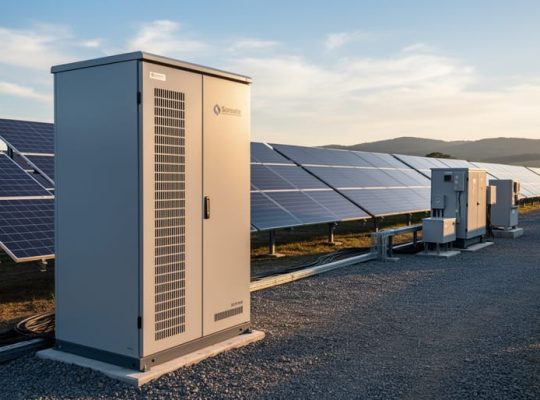
Transforming modern architecture through innovative photovoltaic technology, photovoltaic glazing represents a groundbreaking convergence of sustainable energy generation and building design. This revolutionary building material seamlessly integrates transparent solar cells within conventional window glass, enabling structures to harvest solar energy while maintaining natural light transmission and aesthetic appeal. By converting facades and windows into power-generating assets, photovoltaic glazing addresses two critical challenges in contemporary construction: energy efficiency and architectural functionality.
Recent advances in thin-film solar technology and semi-transparent cell design have propelled photovoltaic glazing from experimental concept to commercially viable solution, achieving power conversion efficiencies exceeding 12% while preserving up to 50% visible light transmission. This dual-function building material not only generates clean electricity but also contributes to thermal regulation, reducing HVAC loads and operating costs across commercial and residential applications. As architects and developers increasingly prioritize sustainable building practices, photovoltaic glazing emerges as a cornerstone technology in the evolution toward net-zero energy buildings.
The Science Behind Photovoltaic Glazing
Semi-Transparent Solar Cell Technology
Semi-transparent solar cells utilize advanced photovoltaic materials that selectively absorb specific wavelengths of light while allowing others to pass through. This selective absorption enables the dual functionality of power generation and natural light transmission. The technology primarily employs three main categories of materials: organic photovoltaic compounds (OPV), perovskite-based materials, and thin-film amorphous silicon.
The working principle involves a photoactive layer sandwiched between two transparent conducting electrodes. When sunlight strikes the cell, the photoactive material absorbs photons within specific wavelength ranges, typically in the ultraviolet and infrared regions. This absorption triggers the photovoltaic effect, generating electron-hole pairs that create electrical current while allowing visible light to pass through.
The transparency level can be adjusted during manufacturing by modifying the thickness and composition of the photoactive layer. Current technologies achieve transparency levels ranging from 20% to 70%, with power conversion efficiencies typically between 5% and 12%. Higher transparency generally results in lower power generation efficiency, requiring careful optimization based on specific application requirements.
Recent developments in quantum dot technology and hybrid organic-inorganic materials have shown promising results in improving both transparency and efficiency. These advanced materials demonstrate enhanced light absorption in non-visible spectrums while maintaining excellent visible light transmission, making them particularly suitable for building-integrated photovoltaic applications.
Integration with Traditional Glazing Systems
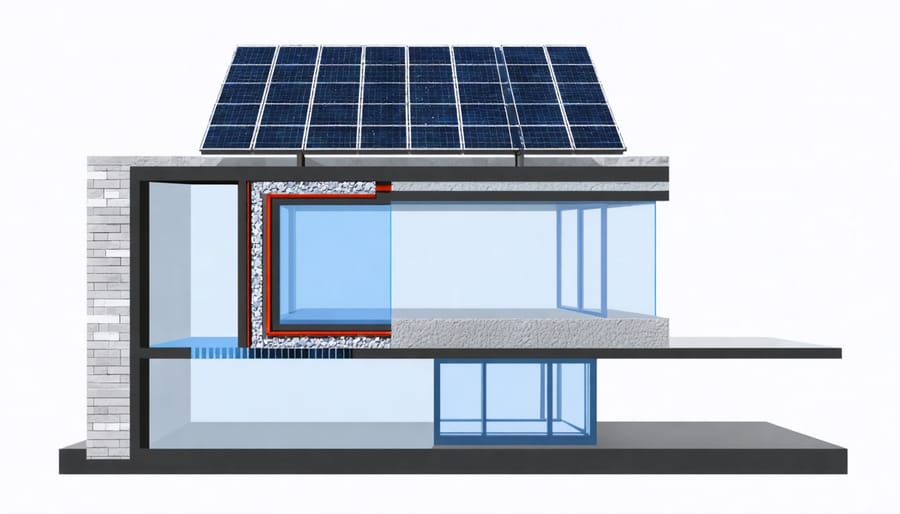
The integration of photovoltaic cells into traditional glazing systems requires careful consideration of both structural and functional elements. Modern PV glazing typically employs a layered construction approach, where solar cells are sandwiched between glass panes using specialized encapsulation materials. This configuration ensures optimal light transmission while maintaining the structural integrity of the window unit.
The most common integration method involves laminating thin-film or crystalline silicon cells between two glass sheets using ethylene vinyl acetate (EVA) or polyvinyl butyral (PVB) as binding agents. These interlayers not only secure the PV components but also provide essential weather protection and electrical insulation. The outer glass layer typically features a low-iron composition to maximize solar transmission, while the inner layer may incorporate additional features such as low-E coatings or thermal insulation properties.
Manufacturers must carefully consider the spacing between individual solar cells to balance energy generation with natural light transmission. This spacing, known as cell density, typically ranges from 10% to 30% transparency depending on the application requirements. The electrical connections are integrated through edge-mounted junction boxes, which house the necessary wiring and connectors for system integration.
Installation procedures closely mirror those of conventional glazing systems, utilizing standard curtain wall or window frame systems with additional provisions for electrical routing. This compatibility with existing building envelope systems makes PV glazing particularly attractive for both new construction and retrofit applications.
Performance and Efficiency Metrics
Power Generation Capabilities
The power generation capabilities of photovoltaic glazing systems vary significantly based on installation parameters, environmental conditions, and technological specifications. Modern photovoltaic glazing solutions typically achieve solar cell efficiency ratings between 5% and 15%, depending on the transparency level and cell technology employed.
Real-world performance data from commercial installations demonstrates that PV glazing can generate approximately 40-100 watts per square meter under optimal conditions. A typical office building featuring 100 square meters of photovoltaic glazing could potentially generate 4-10 kilowatts of peak power, translating to 3,500-8,750 kilowatt-hours annually in regions with favorable solar exposure.
Field studies conducted across different climate zones indicate that semi-transparent PV glazing installations achieve average daily energy yields of 0.5-2.5 kWh/m². These figures account for variables such as seasonal variations, weather patterns, and installation angle. The energy generation potential is particularly impressive when considering the dual functionality of these systems as both power generators and building envelope components.
Performance metrics improve continuously as manufacturing processes advance and new materials are developed. Latest-generation photovoltaic glazing solutions incorporate advanced light-management techniques and superior semiconductor materials, pushing the boundaries of energy harvesting while maintaining optimal visible light transmission.
Light Transmission and Energy Balance
Light transmission in photovoltaic glazing represents a critical balance between solar energy harvesting and natural daylight penetration. The transparency level of PV glazing typically ranges from 10% to 50%, depending on the specific technology and design requirements. This variability allows architects and engineers to optimize both energy generation and occupant comfort.
Higher transparency levels generally result in increased natural light transmission but lower electrical generation efficiency. For instance, a 40% transparent PV glazing unit might generate approximately 70-100 watts per square meter while allowing substantial daylight penetration. Conversely, lower transparency options around 10-20% can achieve higher power outputs of 120-150 watts per square meter but reduce natural lighting.
The energy balance implications are significant for building performance. PV glazing simultaneously reduces solar heat gain through windows while converting part of that energy into electricity. This dual functionality can decrease cooling loads by 10-30% compared to conventional glazing systems. The reduced heat gain, combined with electrical generation, contributes to improved building energy efficiency.
Temperature regulation also plays a crucial role, as PV glazing helps maintain more stable indoor temperatures. Studies have shown that properly specified PV glazing can reduce annual energy consumption for climate control by 15-25%, particularly in commercial buildings with large window areas. These savings must be carefully weighed against the desired level of natural light transmission during the design phase.
Applications in Modern Architecture
Commercial Building Integration
Several notable commercial buildings worldwide have successfully integrated photovoltaic glazing into their architectural designs, demonstrating both aesthetic appeal and energy efficiency. The Coca-Cola headquarters in Brussels features a façade incorporating semi-transparent PV glazing panels, which generate approximately 40% of the building’s electricity needs while maintaining natural daylight transmission.
The Shanghai Tower in China represents another landmark implementation, utilizing PV glazing in its double-skin façade. This integration not only contributes to the building’s power generation but also helps regulate interior temperature, reducing HVAC energy consumption by an estimated 20%.
In Europe, the Copenhagen International School showcases one of the largest building-integrated photovoltaic installations, with 12,000 colored solar panels seamlessly integrated into the building’s exterior. The system generates 300 MWh annually while serving as an educational tool for students.
The Edge building in Amsterdam, often cited as the world’s most sustainable office building, incorporates PV glazing alongside other renewable technologies. Its south-facing façade features transparent solar panels that contribute to the building’s net-zero energy status while maintaining optimal workspace lighting conditions.
These implementations demonstrate how commercial buildings can effectively balance energy generation, thermal management, and occupant comfort through strategic PV glazing integration, setting new standards for sustainable architecture.
Residential Applications
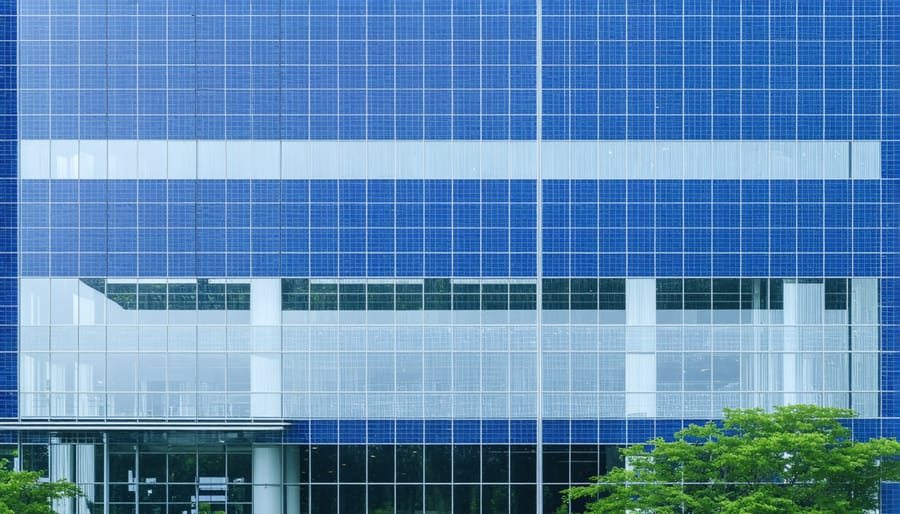
Photovoltaic glazing has emerged as a compelling solution for residential applications, offering homeowners the dual benefit of energy generation and architectural integration. Modern residential installations typically incorporate these systems into windows, skylights, and glass facades, enabling houses to generate clean electricity while maintaining aesthetic appeal and natural lighting.
The technology proves particularly effective in new construction projects where PV glazing can be integrated during the design phase. Homeowners can strategically place these elements on south-facing windows or in areas receiving optimal sunlight exposure. This approach maximizes energy generation while providing thermal insulation and reducing heating and cooling costs.
Recent advancements have made residential PV glazing more versatile, with options ranging from semi-transparent panels for living spaces to more opaque varieties for areas requiring privacy. The systems can be customized to meet specific energy requirements, with typical residential installations generating between 50-150 watts per square meter, depending on the transparency level and local solar conditions.
Financial benefits include reduced energy bills, potential government incentives, and increased property value. Many homeowners report energy savings of 20-30% after installation, with the systems typically paying for themselves within 8-12 years. Additionally, modern PV glazing solutions offer enhanced durability and lower maintenance requirements compared to traditional solar panels, making them an attractive long-term investment for residential properties.
Future Architectural Possibilities
The future of photovoltaic glazing presents exciting possibilities for revolutionizing building design and energy generation. As innovative solar solutions continue to evolve, researchers are developing next-generation transparent solar cells with improved efficiency and aesthetics. Advanced materials like perovskites and quantum dots are showing promise in creating highly transparent solar windows with enhanced power generation capabilities.
Integration with smart building systems is expected to optimize energy management through automated tinting responses to sunlight intensity and building energy demands. Machine learning algorithms will enable dynamic adjustment of transparency levels while maximizing power generation throughout the day. This intelligent adaptation ensures optimal comfort for occupants while maintaining energy efficiency.
Emerging fabrication techniques, including 3D printing of solar cells directly onto glass surfaces, may revolutionize manufacturing processes and reduce production costs. Additionally, the development of color-tunable photovoltaic glazing will provide architects with greater design flexibility while maintaining high energy conversion efficiency.
The integration of photovoltaic glazing with other renewable technologies, such as wind and geothermal systems, will create more comprehensive building energy solutions. This synergistic approach, combined with advanced energy storage systems, will move us closer to achieving net-zero energy buildings and sustainable urban development.
Economic and Environmental Benefits
Return on Investment Analysis
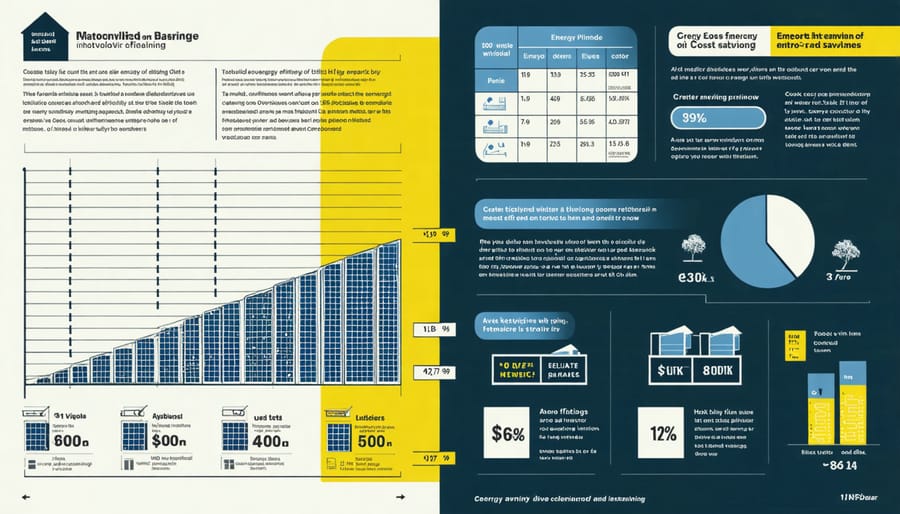
The financial viability of photovoltaic glazing installations demonstrates compelling returns on investment, particularly when integrated into comprehensive distributed solar PV integration strategies. Analysis shows typical payback periods ranging from 7 to 12 years, depending on factors such as installation scale, local energy costs, and available incentives. Commercial buildings incorporating PV glazing systems report energy cost reductions of 30-40% annually, with additional savings from reduced HVAC demands.
Initial installation costs average $200-350 per square meter, significantly higher than conventional glazing. However, when factoring in energy generation, reduced cooling costs, and current government incentives, the long-term financial benefits become evident. Studies indicate that large-scale implementations can achieve ROI rates of 8-12% annually, with enhanced performance in regions experiencing high solar irradiance and elevated electricity rates.
Building owners also benefit from increased property values, with studies showing premium valuations of 4-7% for properties featuring integrated PV glazing systems. These financial advantages, combined with environmental benefits, make PV glazing an increasingly attractive investment for forward-thinking property developers and building owners.
Environmental Impact Assessment
Photovoltaic glazing demonstrates significant environmental benefits through its dual functionality as both a building material and renewable energy generator. Studies indicate that integrating PV glazing into commercial buildings can reduce carbon emissions by 30-50% compared to traditional glazing systems. A typical 1000-square-meter installation can offset approximately 70-100 metric tons of CO2 annually, equivalent to removing 15 cars from the road.
The manufacturing process of PV glazing has also evolved to become more sustainable. Modern production methods utilize recycled materials and require less energy compared to conventional solar panel manufacturing. The embodied carbon payback period ranges from 1-3 years, depending on installation location and energy usage patterns.
Beyond carbon reduction, PV glazing contributes to broader sustainability goals. It reduces the urban heat island effect, minimizes the need for additional cooling systems, and decreases reliance on grid electricity during peak demand periods. The technology’s long lifespan of 25-30 years, coupled with its recyclability at end-of-life, further enhances its environmental credentials. Additionally, the reduced energy demand for artificial lighting due to its transparent nature compounds these environmental benefits.
Photovoltaic glazing represents a significant advancement in sustainable building technology, bridging the gap between traditional construction materials and renewable energy generation. As demonstrated throughout this discussion, PV glazing systems offer a compelling solution for achieving both energy efficiency and architectural aesthetics. The technology’s ability to transform building envelopes into power-generating assets while maintaining transparency and thermal performance positions it as a cornerstone of future sustainable architecture. With ongoing improvements in efficiency, durability, and cost-effectiveness, PV glazing is poised to play a crucial role in developing net-zero energy buildings and reducing carbon emissions in the construction sector. As research continues and manufacturing processes evolve, we can expect to see wider adoption of this technology across commercial, residential, and institutional buildings, marking a significant step forward in the integration of renewable energy solutions into our built environment.