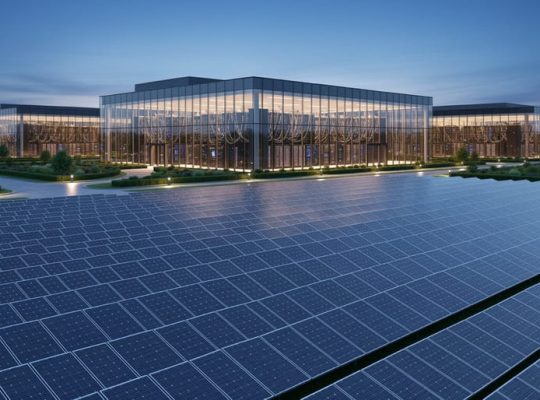
Solar power innovation stands at the forefront of our global energy revolution, driving unprecedented advances in photovoltaic technology and grid integration systems. Recent breakthroughs in perovskite solar cells have achieved conversion efficiencies exceeding 29%, marking a significant leap forward in sustainable energy generation. These developments, coupled with artificial intelligence-driven optimization algorithms, are revolutionizing how we harness and distribute solar power across modern electrical grids.
The convergence of nanotechnology and advanced materials science has enabled the creation of ultra-thin, flexible solar panels that can be integrated into building materials, vehicles, and even clothing. This technological evolution extends beyond mere efficiency improvements, encompassing smart grid solutions that enable bidirectional power flow and real-time load balancing, fundamentally transforming our approach to energy management.
As we witness the rapid acceleration of solar innovation, from quantum dot enhancement to bifacial panel technologies, the industry is poised for exponential growth. These advancements are not just technical achievements; they represent critical steps toward achieving global carbon neutrality while making clean energy more accessible and economically viable for communities worldwide. The integration of these innovations into existing infrastructure is creating new paradigms for sustainable urban development and energy independence.
Smart Grid Integration Technologies
AI-Powered Grid Management
Artificial intelligence is revolutionizing solar grid management by introducing sophisticated predictive analytics and real-time optimization capabilities. Modern AI systems analyze vast amounts of data from weather patterns, consumption trends, and grid performance metrics to optimize energy distribution and storage strategies.
Machine learning algorithms continuously monitor solar panel performance, predicting potential maintenance issues before they occur and automatically adjusting panel orientation to maximize energy capture. These systems can forecast solar generation with up to 97% accuracy, enabling grid operators to better balance supply and demand.
Smart inverters equipped with AI capabilities regulate power quality parameters, maintaining grid stability through automatic voltage and frequency adjustments. The integration of neural networks allows for dynamic load balancing, effectively distributing solar-generated power across the grid while minimizing transmission losses.
AI-powered demand response systems optimize energy consumption patterns by analyzing historical data and real-time usage. These systems can automatically adjust energy distribution based on peak demand periods, ensuring efficient utilization of solar resources while maintaining grid reliability.
Advanced AI algorithms also facilitate virtual power plant operations, coordinating distributed solar assets to function as a single, controllable entity. This coordination enables better grid integration of renewable energy sources and enhances overall system resilience.
The implementation of AI in grid management has demonstrated significant improvements in operational efficiency, with some utilities reporting up to 30% reduction in integration-related challenges and a 25% increase in solar energy utilization rates.
Advanced Inverter Technologies
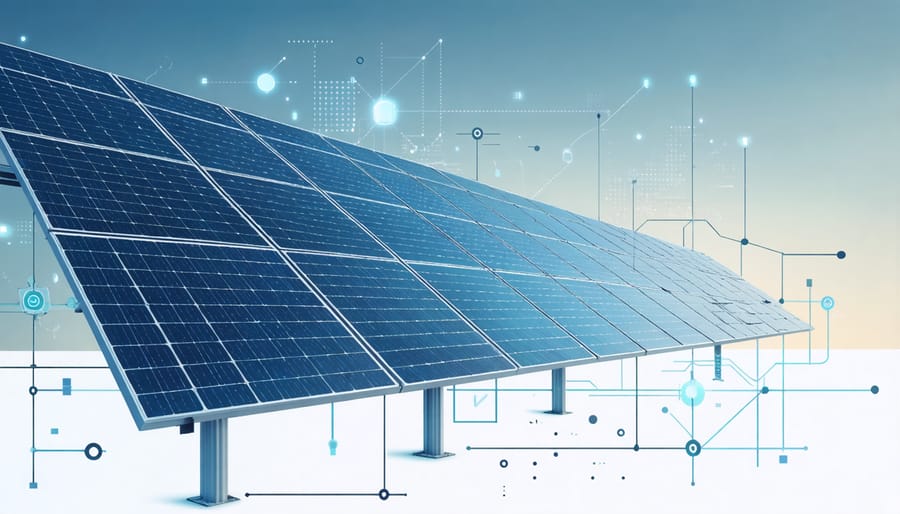
Modern solar power systems rely heavily on advanced inverter technologies to maintain grid stability and optimize energy conversion efficiency. These sophisticated devices have evolved significantly, incorporating features like reactive power support, voltage regulation, and frequency response capabilities.
Smart inverters now utilize artificial intelligence and machine learning algorithms to predict grid conditions and adjust their operation accordingly. This predictive capability enables smoother integration of solar power into existing grid infrastructure while minimizing potential disruptions. Multi-mode inverters can seamlessly transition between grid-connected and island modes, providing enhanced reliability during power outages.
Recent developments include grid-forming inverters that can establish voltage and frequency references independently, making them crucial for microgrids and weak grid applications. These inverters facilitate better power quality management through advanced harmonics compensation and dynamic voltage support.
The integration of power electronics with communication protocols like IEEE 2030.5 enables remote monitoring and control capabilities. This connectivity allows utilities to optimize grid operations in real-time while maintaining system stability. Modern inverters also feature enhanced cybersecurity measures to protect against potential threats and ensure reliable operation.
These technological advances have significantly improved the grid hosting capacity for solar energy, enabling higher penetration levels of renewable resources while maintaining power quality and system reliability.

Building-Integrated Photovoltaics (BIPV)
Solar Roof Technologies
Solar roof technologies have revolutionized building-integrated photovoltaics by seamlessly combining energy generation with architectural aesthetics. Modern solar tiles and shingles integrate photovoltaic cells directly into roofing materials, offering a sophisticated alternative to traditional panel installations. These systems utilize advanced semiconductor materials and innovative manufacturing processes to create weather-resistant, durable components that maintain the visual appeal of conventional roofing while generating clean energy.
Recent developments in solar roof technology focus on improving efficiency and durability through enhanced cell designs and protective coatings. Manufacturers have achieved significant breakthroughs in water-resistant encapsulation techniques and thermal management systems, ensuring optimal performance across diverse climate conditions. The integration of smart monitoring capabilities allows real-time performance tracking and predictive maintenance, maximizing energy yield throughout the system’s lifecycle.
Installation methods have evolved to streamline the process, with modular designs that simplify replacement and maintenance. Modern solar tiles incorporate interlocking mechanisms and standardized electrical connections, reducing installation time and costs while ensuring reliable performance. These systems typically achieve conversion efficiencies between 15% and 20%, comparable to traditional solar panels.
The market now offers various aesthetic options, including textured surfaces and color variations that closely match traditional roofing materials. This versatility enables architects and homeowners to maintain design integrity while embracing sustainable energy solutions. Advanced manufacturing techniques have also improved the cost-effectiveness of these systems, making them increasingly competitive with conventional solar installations.
Looking ahead, researchers are developing next-generation materials and connection systems to further enhance performance and reduce installation complexity, positioning solar roof technologies as a cornerstone of future sustainable building design.
Facade Integration Systems
Facade integration systems represent a significant advancement in building-integrated photovoltaics (BIPV), offering innovative solutions for incorporating solar power generation into vertical building surfaces. These systems transform traditional building envelopes into power-generating assets while maintaining architectural aesthetics and structural integrity.
Modern facade integration technologies utilize specialized solar panels designed specifically for vertical installation, featuring optimized light capture capabilities at non-optimal angles. These systems typically employ thin-film photovoltaic materials or modified crystalline silicon cells, engineered to maximize energy harvesting in vertical orientations while providing thermal insulation and weather protection.
The implementation of solar facades requires careful consideration of several factors, including building orientation, shading patterns, and local climate conditions. Advanced systems incorporate smart sensors and automated tracking mechanisms to optimize energy capture throughout the day. Some cutting-edge solutions feature semi-transparent solar cells that serve dual purposes: power generation and natural daylighting for building interiors.
Recent developments in facade integration have led to increased efficiency rates, with some systems achieving conversion efficiencies of up to 15% in vertical installations. These improvements, coupled with declining manufacturing costs, have made facade integration increasingly viable for commercial and residential applications.
The environmental benefits extend beyond energy generation. Solar facades contribute to building energy efficiency by reducing solar heat gain in summer and providing additional insulation during winter months. This dual functionality results in decreased heating and cooling loads, further reducing overall building energy consumption.
As urban development continues to emphasize sustainability, facade integration systems represent a crucial component in achieving net-zero energy buildings and meeting stringent environmental regulations.
Energy Storage Integration
Battery Technology Advancements
Recent advancements in battery storage technology have revolutionized the efficiency and reliability of solar power systems. Lithium-ion batteries remain the industry standard, but significant improvements in energy density and cycle life have enhanced their performance. Modern lithium-ion cells now achieve energy densities exceeding 300 Wh/kg, representing a 40% increase from previous generations.
Solid-state batteries are emerging as a promising alternative, offering higher energy density, improved safety, and faster charging capabilities. These batteries utilize solid electrolytes instead of liquid ones, reducing the risk of thermal runaway and extending operational lifespans. Research indicates potential energy densities of up to 500 Wh/kg for solid-state technologies.
Flow batteries have gained traction for utility-scale storage applications, offering exceptional scalability and longer discharge durations. Vanadium redox flow batteries (VRFBs) demonstrate particular promise, with recent developments achieving round-trip efficiencies above 80% and operational lifespans exceeding 20 years.
Sodium-ion batteries are becoming viable alternatives to lithium-ion technology, especially for stationary storage applications. Their primary advantages include lower production costs and reduced environmental impact due to the abundance of sodium resources.
Advanced battery management systems (BMS) now incorporate artificial intelligence and machine learning algorithms to optimize charging cycles, predict maintenance needs, and extend battery life. These systems can increase overall storage efficiency by up to 15% while reducing degradation rates.
Hybrid System Solutions
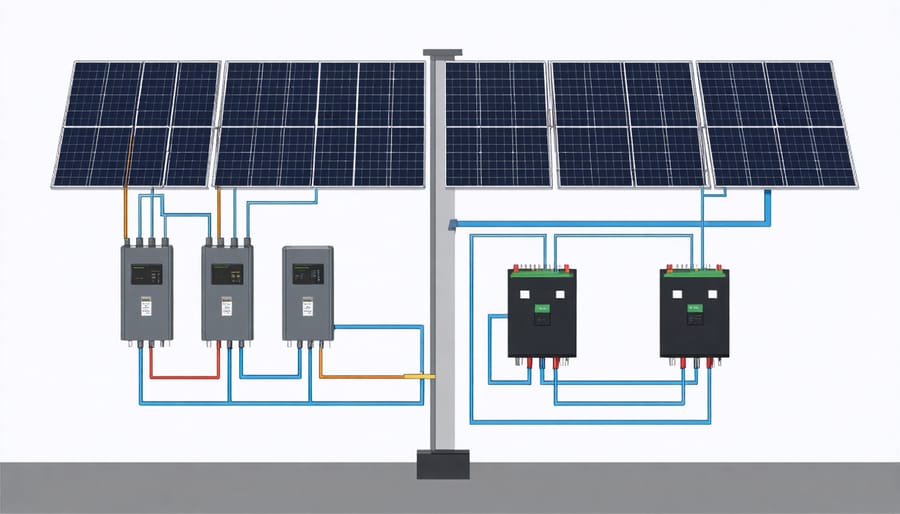
Modern solar installations increasingly incorporate sophisticated hybrid configurations that combine photovoltaic panels with advanced energy storage solutions. These grid-connected solar systems work in tandem with battery storage units to optimize energy distribution and consumption patterns throughout the day.
The integration of smart inverter technology enables seamless switching between solar generation, battery storage, and grid power, maximizing system efficiency while maintaining consistent power supply. These hybrid energy systems can significantly reduce dependency on traditional grid power while providing enhanced reliability during peak demand periods or grid outages.
Advanced hybrid configurations often incorporate sophisticated energy management systems (EMS) that utilize artificial intelligence and machine learning algorithms to predict energy consumption patterns and optimize storage capacity utilization. These systems can automatically adjust charging and discharging cycles based on factors such as weather forecasts, historical usage data, and real-time electricity pricing.
The latest hybrid solutions also feature modular designs that allow for system scalability and future upgrades. This flexibility enables system owners to expand their storage capacity or integrate additional renewable energy sources as needs evolve. Integration with smart home technologies further enhances system functionality, allowing users to monitor and control their energy consumption through mobile applications and automated optimization protocols.
Future Integration Trends
The solar power industry is poised for transformative changes in the coming decades, with several emerging technologies and integration approaches showing particular promise. Advanced artificial intelligence and machine learning algorithms are expected to revolutionize solar farm management, enabling predictive maintenance and optimizing energy production through sophisticated weather forecasting and panel positioning.
Building-integrated photovoltaics (BIPV) are projected to become increasingly sophisticated, with new materials allowing for seamless incorporation of solar cells into construction elements. Transparent solar panels are advancing rapidly, with researchers achieving higher efficiency rates while maintaining clarity, making them viable for windows and glass facades in urban environments.
Hybrid solar systems are gaining traction, combining photovoltaic technology with other renewable energy sources. Solar-wind hybrid systems are showing particular promise, especially in regions with complementary weather patterns. Additionally, the integration of solar with hydrogen production facilities is expected to play a crucial role in green hydrogen initiatives.
Energy storage solutions are evolving alongside solar technology. Solid-state batteries and advanced flow batteries are being developed specifically for solar applications, promising longer lifespans and improved safety compared to current lithium-ion solutions. These developments will enhance grid stability and enable more efficient energy management.
Vehicle-integrated photovoltaics (VIPV) represent another exciting frontier, with major automotive manufacturers investing in solar-powered vehicles. This technology is expected to extend electric vehicle range and reduce charging requirements.
The future of solar grid integration will likely see the widespread adoption of smart inverters with advanced grid-support functions, enabling better voltage regulation and frequency control. Virtual power plants (VPPs) will become more sophisticated, aggregating distributed solar resources more effectively and providing enhanced grid services.
Floating solar farms are expected to expand significantly, with new designs incorporating wave energy harvesting and improved anchoring systems. These installations will become increasingly important in regions with limited land availability while offering the additional benefit of reduced water evaporation from reservoirs.
The rapid evolution of solar power technology continues to reshape the renewable energy landscape, driven by groundbreaking innovations across multiple domains. Recent advancements in photovoltaic cell efficiency, combined with smart grid integration technologies, have pushed solar energy closer to grid parity in many regions. Perovskite-silicon tandem cells have demonstrated unprecedented efficiency levels, while bifacial modules have significantly increased energy yield in commercial installations.
Manufacturing innovations have substantially reduced production costs, making solar technology more accessible to broader markets. Automated production lines, coupled with improved material science, have resulted in more durable and cost-effective solar panels. Additionally, the integration of artificial intelligence and IoT sensors has enhanced system monitoring and maintenance protocols, optimizing performance and extending equipment lifespan.
Looking ahead, the solar industry stands at the cusp of transformative change. Emerging technologies such as building-integrated photovoltaics (BIPV) and floating solar farms are opening new deployment possibilities. The convergence of energy storage solutions with solar systems has addressed intermittency challenges, while advanced power electronics have improved grid stability and reliability.
These innovations collectively signal a promising future for solar energy, with continued research and development efforts focused on efficiency improvements, cost reduction, and enhanced integration capabilities. As the industry matures, these technological advances will play a crucial role in accelerating the global transition to renewable energy sources.