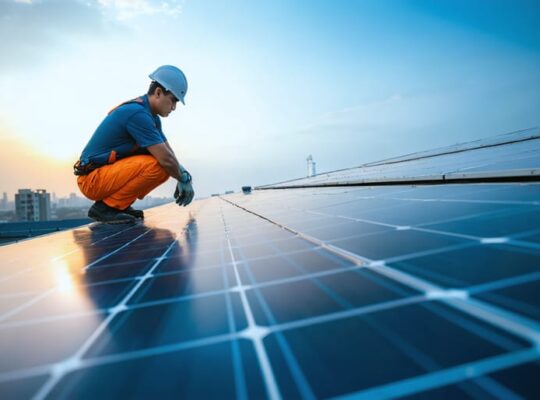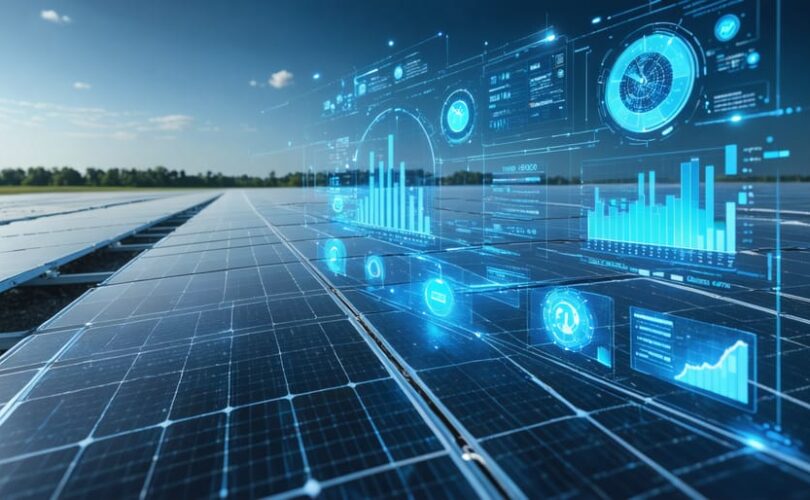
Monitoring solar panel output stands at the intersection of energy efficiency and financial optimization, serving as the cornerstone of successful photovoltaic system management. Through systematic performance tracking, system owners can identify efficiency losses, predict maintenance needs, and maximize their return on investment. Modern monitoring solutions combine real-time data collection with advanced analytics, enabling precise measurement of key parameters including voltage, current, power output, and environmental conditions. Understanding these metrics not only ensures optimal system performance but also provides critical insights for system optimization and troubleshooting. As solar technology continues to evolve, implementing robust monitoring practices has become essential for both residential installations and utility-scale solar farms, helping stakeholders maintain peak efficiency while supporting the broader transition to renewable energy sources.
This technical yet accessible approach to solar monitoring empowers system owners to:
– Detect performance issues early
– Optimize energy production
– Calculate accurate ROI
– Plan preventive maintenance
– Validate system warranties
These capabilities prove particularly valuable as solar installations become increasingly sophisticated and grid integration requirements grow more complex.
Essential Solar PV Monitoring Parameters
Power Output and Energy Generation
Monitoring solar panel output requires understanding two fundamental measurements: instantaneous power output and cumulative energy generation. Instantaneous power, measured in watts (W) or kilowatts (kW), represents the real-time electricity production of your solar system at any given moment. This measurement fluctuates throughout the day based on factors such as solar irradiance, temperature, and weather conditions.
Energy generation, measured in watt-hours (Wh) or kilowatt-hours (kWh), indicates the total electrical energy produced over time. Modern monitoring systems typically track both daily and cumulative energy production, providing valuable insights into system performance and efficiency trends.
To measure these parameters accurately, inverters incorporate built-in metering capabilities that continuously sample voltage and current values. These measurements are processed to calculate both instantaneous power and energy generation metrics. Most contemporary monitoring solutions display this data through user-friendly interfaces, allowing system owners to track:
– Peak power output during optimal conditions
– Daily energy yield patterns
– Monthly and annual production totals
– Performance ratio calculations
– System efficiency metrics
Understanding these measurements enables proper system evaluation, helps identify potential issues, and facilitates accurate performance comparisons against expected generation values. Regular monitoring of both power output and energy generation ensures optimal system operation and aids in maintenance planning.
Environmental Factors
Solar panel output is significantly influenced by various environmental factors that directly impact system performance. Temperature plays a crucial role, as higher temperatures typically reduce panel efficiency. For every degree Celsius above standard testing conditions (25°C), panels generally lose 0.3-0.5% of their power output, making temperature monitoring essential for accurate performance assessment.
Solar irradiance levels, measuring the amount of sunlight reaching the panels, directly correlate with energy production. Variations in irradiance throughout the day and seasons affect output patterns, requiring careful monitoring to establish baseline performance metrics. Cloud cover, atmospheric pollution, and seasonal changes can reduce irradiance levels, impacting overall system efficiency.
Weather conditions present additional challenges to solar panel performance. Rain can temporarily decrease output but may benefit long-term efficiency by cleaning panel surfaces. Snow accumulation can completely block sunlight, while strong winds might introduce debris or cause physical stress on mounting systems. Humidity levels affect both panel surface conditions and electrical component performance.
Understanding these environmental factors enables system operators to better interpret monitoring data and implement appropriate maintenance schedules. Regular analysis of environmental impact patterns helps distinguish between normal weather-related variations and actual system performance issues, leading to more effective troubleshooting and optimization strategies.
Modern Monitoring Technologies
Data Acquisition Systems
Effective monitoring of solar panel output relies on sophisticated data acquisition systems that combine various measurement devices and sensors. These systems typically include pyranometers for measuring solar irradiance, temperature sensors for both ambient and panel temperatures, and current-voltage (I-V) curve tracers for comprehensive performance analysis.
At the heart of most monitoring setups is the solar meter or power analyzer, which measures key electrical parameters such as voltage, current, and power output. Modern systems often incorporate smart meters with built-in communication capabilities, enabling real-time data transmission and remote monitoring capabilities.
Data loggers serve as the central collection point, recording measurements at predetermined intervals and storing them for analysis. These devices can range from simple standalone units to advanced systems with wireless connectivity and cloud integration. Many contemporary data acquisition systems feature automated data validation protocols to ensure measurement accuracy and reliability.
Weather stations are often integrated into the monitoring setup to correlate environmental conditions with panel performance. These stations typically include additional sensors for wind speed, humidity, and atmospheric pressure, providing valuable context for performance analysis.
The selection of appropriate monitoring equipment should consider factors such as measurement accuracy, sampling frequency, data storage capacity, and communication protocols. Professional-grade systems often include redundant sensors and backup power supplies to ensure continuous monitoring and data integrity.
Software Solutions
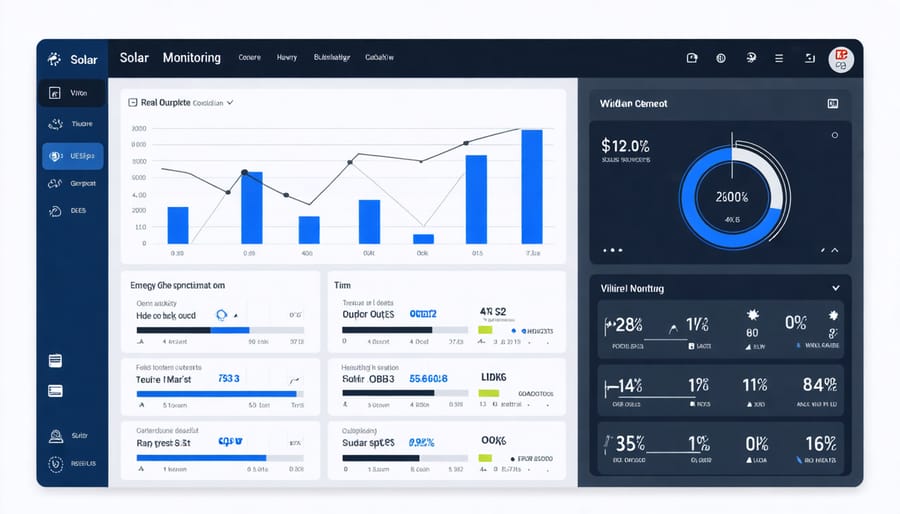
Modern solar monitoring platforms offer comprehensive solutions for tracking and analyzing photovoltaic system performance. These software tools range from basic monitoring applications to sophisticated real-time analytics monitoring systems that provide detailed insights into energy production and system health.
Leading monitoring platforms typically include features such as performance ratio calculations, automated fault detection, and predictive maintenance algorithms. These systems collect data from inverters, sensors, and weather stations to create comprehensive performance reports and actionable insights. Many platforms offer both web-based interfaces and mobile applications, enabling system owners and operators to access vital performance metrics remotely.
Advanced analytics tools incorporate machine learning capabilities to identify performance patterns and predict potential issues before they impact system output. These platforms can compare actual production against theoretical yields, accounting for variables such as weather conditions, shading patterns, and equipment specifications.
Key features to consider when selecting monitoring software include:
– Data visualization capabilities
– Custom alert configurations
– Report generation tools
– API integration options
– Historical data analysis
– Weather forecast integration
– Remote troubleshooting capabilities
The integration of these monitoring solutions with existing building management systems and smart grid infrastructure enables optimal system performance while facilitating compliance with utility requirements and regulatory standards.
Performance Analysis Techniques
Performance Ratio Calculations
Performance Ratio (PR) is a crucial metric in solar panel monitoring that quantifies system efficiency by comparing actual energy yield to theoretical yield. This dimensionless value, typically expressed as a percentage, indicates how close a PV system performs relative to its ideal potential under standard test conditions (STC).
The calculation follows the formula:
PR = (Actual Energy Output / Theoretical Maximum Output) × 100
A PR value between 80-90% generally indicates a well-performing system, while values below 75% may signal potential issues requiring investigation. Factors affecting PR include temperature losses, inverter efficiency, cable losses, and system downtime.
To interpret PR calculations effectively:
– Compare monthly PR values to identify seasonal patterns
– Monitor daily PR fluctuations to detect immediate performance issues
– Account for regional climate variations when benchmarking against industry standards
– Consider system age, as PR typically decreases by 0.5-1% annually
Weather-adjusted PR calculations provide more accurate performance assessments by incorporating local meteorological data. This refined metric helps distinguish between normal weather-related variations and actual system underperformance.
For optimal monitoring, PR should be calculated at both array and system levels, enabling identification of specific component issues while maintaining perspective on overall system efficiency. Regular PR analysis supports proactive maintenance decisions and helps maximize system longevity and return on investment.
Fault Detection
Effective fault detection is crucial for maintaining optimal solar panel performance. Through systematic monitoring, operators can identify and address common solar panel issues before they significantly impact energy production.
Key indicators of potential faults include sudden drops in power output, irregular voltage readings, and unusual performance patterns. String-level monitoring can reveal modules operating below expected efficiency, often indicating shading problems, dirt accumulation, or cell degradation. Consistent low voltage across multiple panels might suggest wiring issues or inverter malfunctions.
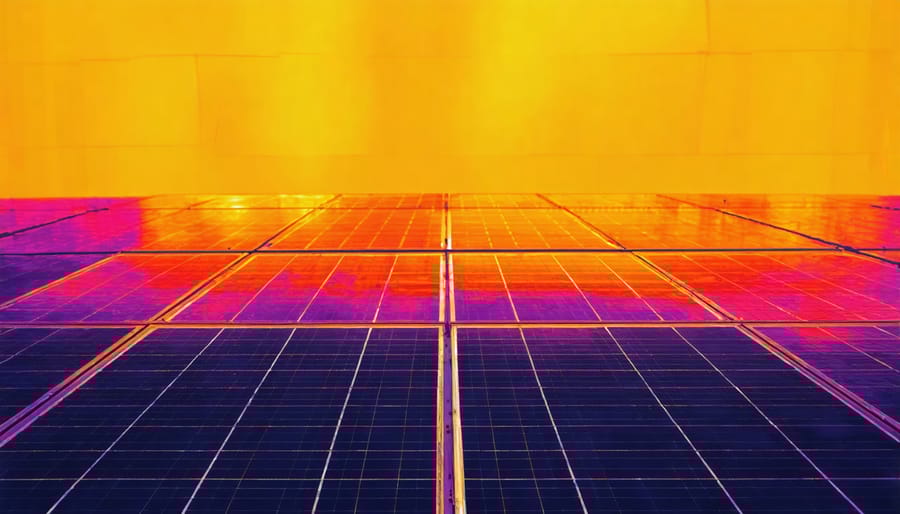
Temperature sensors play a vital role in fault detection. Abnormal heat signatures can indicate hot spots, which may result from cell damage or bypass diode failures. Modern monitoring systems often incorporate thermal imaging capabilities to precisely locate these issues.
Data trending analysis helps identify gradual performance degradation. When output decreases steadily over time, beyond normal degradation rates of 0.5-1% annually, this may indicate developing problems requiring investigation. Comparison with similarly configured systems in the same geographical area can help validate whether performance issues are system-specific or environment-related.
Advanced monitoring platforms now utilize machine learning algorithms to detect subtle anomalies and predict potential failures before they occur, enabling proactive maintenance and minimizing downtime.
Optimization Strategies
Maintenance Planning
Effective monitoring of solar panel output provides valuable data that can be leveraged to develop a comprehensive maintenance strategy. By analyzing performance metrics and trend data, system operators can identify potential issues before they escalate into major problems, enabling the implementation of preventive maintenance best practices that optimize system longevity and efficiency.
Performance monitoring systems can detect subtle changes in output patterns that may indicate the need for maintenance interventions. Key indicators include unexpected drops in power generation, irregular voltage fluctuations, and efficiency degradation trends. These data points help establish baseline performance metrics and trigger maintenance alerts when deviations occur.
A well-structured maintenance planning approach typically involves:
1. Regular data analysis to identify performance patterns
2. Establishment of threshold values for maintenance triggers
3. Creation of scheduled inspection intervals based on historical performance
4. Documentation of maintenance activities and their impact on system output
5. Development of predictive maintenance models using accumulated data
By correlating maintenance activities with performance improvements, system operators can refine their maintenance schedules and optimize resource allocation. This data-driven approach ensures that maintenance efforts are focused on activities that deliver the greatest impact on system performance and reliability.
The integration of monitoring data with maintenance planning also facilitates better budget forecasting and resource allocation, ultimately contributing to improved system economics and operational efficiency.
Performance Enhancement
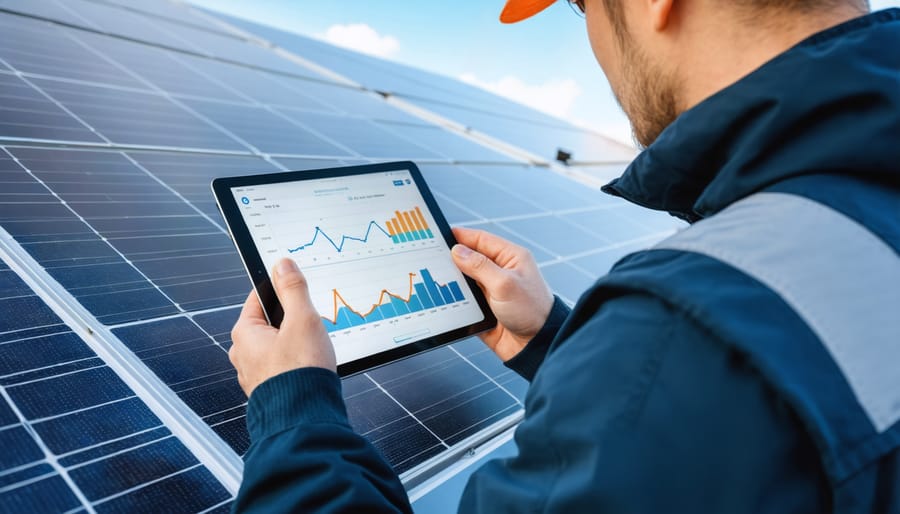
Regular monitoring of solar panel output provides valuable insights that can be leveraged to enhance system performance significantly. By analyzing collected data, system owners and operators can implement targeted improvements to maximize energy generation and system efficiency.
One key optimization strategy involves adjusting panel tilt angles based on seasonal performance data. Historical output measurements can reveal optimal positioning for different times of the year, allowing for manual or automated adjustments that can increase energy yield by 5-15%.
Cleaning schedules can be optimized by correlating performance drops with environmental factors. When monitoring systems detect gradual efficiency decreases, maintenance teams can implement proactive cleaning protocols before significant power losses occur.
Modern AI-powered performance optimization solutions analyze monitoring data to identify potential issues before they impact output. These systems can recommend specific maintenance actions, predict component failures, and suggest optimal operating parameters based on environmental conditions.
String-level monitoring enables precise identification of underperforming panels, allowing for targeted replacement or repair of specific components rather than system-wide interventions. This approach optimizes maintenance resources while maximizing system uptime.
By implementing performance enhancements based on monitoring data, system operators can achieve annual performance improvements of 3-8% while reducing operational costs through predictive maintenance strategies. Regular analysis of monitoring metrics ensures that these improvements are sustained and refined over time.
Effective monitoring of solar panel output is fundamental to maintaining optimal system performance and maximizing return on investment. Throughout this discussion, we’ve explored the essential parameters, tools, and methodologies necessary for comprehensive solar monitoring, emphasizing both basic and advanced techniques that ensure system efficiency.
Regular monitoring enables early detection of performance issues, facilitates preventive maintenance, and provides valuable data for system optimization. By tracking key metrics such as voltage, current, power output, and environmental conditions, system owners and operators can make informed decisions about maintenance schedules and potential upgrades.
The integration of modern monitoring technologies, including smart inverters and remote monitoring platforms, has revolutionized how we approach solar system management. These advanced tools, combined with proper data analysis and interpretation, enable proactive system maintenance and performance optimization.
As solar technology continues to evolve, the importance of sophisticated monitoring systems becomes increasingly apparent. Whether for residential installations or large-scale solar farms, implementing a robust monitoring strategy is crucial for achieving maximum energy yield and system longevity.
Moving forward, staying informed about emerging monitoring technologies and best practices will be essential for solar professionals and system owners alike. The future of solar energy depends not just on installation quality but on our ability to effectively monitor, maintain, and optimize these systems for peak performance.