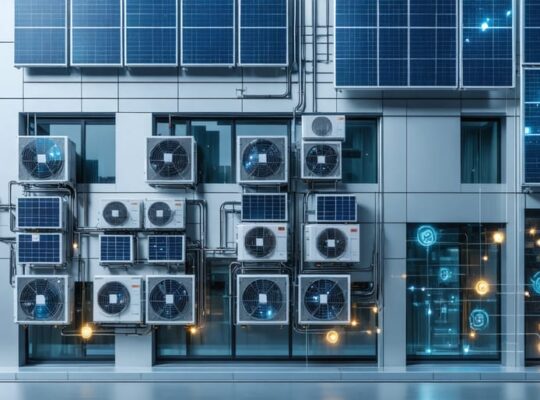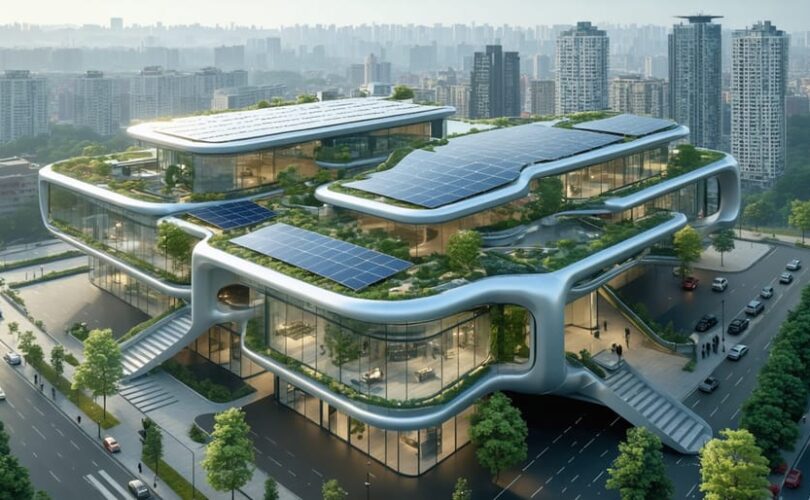
Building-integrated photovoltaics (BIPV) represents a revolutionary convergence of architectural design and renewable energy technology, transforming traditional building elements into power-generating assets. This innovative approach seamlessly integrates solar cells into building materials, including windows, facades, and roofing systems, effectively replacing conventional construction materials while generating clean electricity. The technology not only addresses the growing demand for sustainable building solutions but also offers significant advantages in terms of energy efficiency, reduced carbon emissions, and architectural aesthetics.
As cities worldwide embrace green building standards and zero-energy building initiatives, BIPV systems have emerged as a crucial component in modern construction, offering a sophisticated solution that combines energy generation with thermal insulation properties. This dual functionality, coupled with advancing materials science and improving cost-effectiveness, positions BIPV as a cornerstone technology in the future of sustainable architecture and urban development.
For architects, developers, and building owners seeking to maximize both environmental performance and economic returns, BIPV represents a compelling investment in future-ready infrastructure that meets increasingly stringent energy regulations while enhancing property value.
Understanding Building-Integrated PV Insulation Systems
Core Components and Materials
Building-integrated photovoltaic systems comprise several essential components that work together to generate and distribute solar power while maintaining structural integrity. The foundation lies in the photovoltaic cells, typically made from crystalline silicon or thin-film semiconductors, which convert sunlight into electrical energy. These cells are arranged in modules with specialized frameless designs to facilitate seamless integration with building materials.
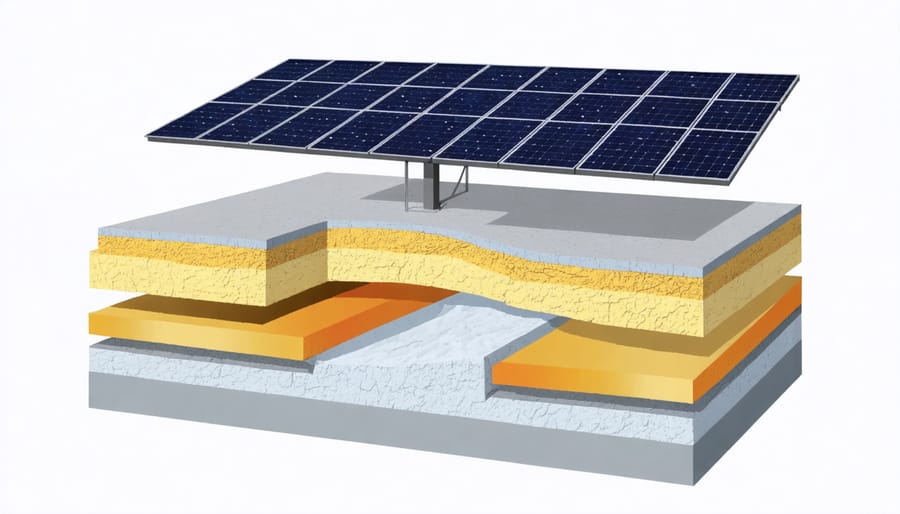
The integration mechanism includes mounting systems specifically engineered for different building surfaces, utilizing weatherproof brackets and fasteners made from durable materials like aluminum and stainless steel. Thermal insulation layers, commonly composed of polyisocyanurate or mineral wool, are crucial for maintaining building energy efficiency while supporting the PV system.
The electrical components include power optimizers, inverters, and sophisticated wiring systems designed for building integration. Special attention is given to the junction boxes and connectors, which must meet strict safety standards while remaining concealed within the building structure. The outer protective layers typically feature tempered glass with anti-reflective coatings, ensuring both durability and optimal light transmission while serving as weather barriers.
A critical consideration is the use of sealants and waterproofing materials that maintain building envelope integrity while allowing for thermal expansion and contraction of the integrated system.
System Architecture and Design
Building-integrated photovoltaic systems are engineered to serve dual purposes: power generation and building envelope functionality. The integration typically occurs in multiple layers, starting with the outer weatherproof layer that incorporates solar cells, followed by an air gap for ventilation, and thermal insulation backing. This multilayer approach ensures optimal performance while maintaining the building’s structural integrity.
The system architecture commonly includes specialized mounting frames, weather-tight seals, and electrical connections that are concealed within the building structure. Thermal bridges are minimized through careful design of connection points, while water-tight interfaces prevent moisture infiltration. The photovoltaic elements are typically arranged in modular formats, allowing for easier installation and maintenance.
Integration methods vary based on application areas, including façade systems, roofing elements, and glazing units. Each configuration requires specific mounting solutions and interface details to ensure seamless incorporation into the building envelope. The electrical system design includes optimized wiring pathways, junction boxes, and inverter placements that complement the building’s electrical infrastructure while maintaining aesthetic appeal and functional requirements.
Energy Performance and Insulation Benefits
Power Generation Capabilities
Building-integrated photovoltaic systems demonstrate varying power generation capabilities depending on multiple factors, including installation location, panel orientation, and environmental conditions. Typical BIPV installations achieve conversion efficiencies ranging from 15% to 20%, with high-performance systems reaching up to 23% under optimal conditions.
The power output of BIPV systems is typically measured in watts per square meter (W/m²). Modern BIPV solutions can generate between 120-170 W/m² during peak solar conditions. For a standard office building with 100 square meters of suitable surface area, this translates to approximately 12-17 kW of peak power generation capacity.
Several factors influence the actual power generation performance of BIPV systems. Solar irradiance levels, temperature coefficients, and shading patterns significantly impact overall system efficiency. Geographic location plays a crucial role, with installations in regions receiving higher annual solar radiation yielding greater power output.
The integration method also affects power generation capabilities. Roof-integrated systems generally perform better than facade installations due to optimal solar angle exposure. However, advances in bifacial BIPV technology allow facade installations to capture reflected light, increasing overall energy yield by 5-15%.
Weather conditions and seasonal variations must be considered when calculating expected power output. Most BIPV systems maintain 80% of their rated power output for 25 years, ensuring long-term reliable energy generation for building operations.
Thermal Insulation Properties
Building-integrated photovoltaic (BIPV) systems offer significant advantages in terms of thermal performance and insulation properties. The integration of PV modules into building elements enhances the overall R-value of the building envelope, typically providing thermal resistance values between R-2 and R-4 per inch of thickness, depending on the specific materials and installation method used.
BIPV systems contribute to energy savings through multiple mechanisms. First, they create an additional insulation layer that reduces heat transfer between the interior and exterior environments. This property is particularly valuable in extreme climates, where maintaining stable indoor temperatures is crucial for energy efficiency. Second, the air gap often present between PV modules and the building structure acts as a thermal buffer zone, further enhancing insulation properties.
The thermal resistance capabilities of BIPV systems vary based on the integration method and materials used. For example, BIPV facades typically offer higher insulation values compared to traditional glass curtain walls, with some systems achieving U-values as low as 0.5 W/m²K. This improved insulation can lead to significant reductions in heating and cooling loads, potentially decreasing HVAC energy consumption by 5-25% annually.
When properly designed, these systems can help meet or exceed building energy codes while simultaneously generating clean electricity, making them an increasingly attractive option for energy-efficient building design.
Installation and Integration Considerations

Building Envelope Integration
Successful building envelope integration requires careful consideration of multiple architectural elements and their interaction with photovoltaic components. The primary integration points include roofing systems, facades, windows, and shading structures. For optimal performance, BIPV systems must be designed to maintain the building’s structural integrity while providing effective weatherproofing and thermal insulation.
When incorporating BIPV into roofing systems, installers typically use specially designed mounting systems that ensure water tightness and proper ventilation. For facade integration, manufacturers offer various solutions including curtain walls, rainscreen systems, and spandrel panels that combine energy generation with thermal management properties.
Window integration demands particular attention to transparency levels and solar heat gain coefficients. Semi-transparent BIPV modules can replace traditional glazing while providing both daylighting and power generation. These systems often incorporate specialized interlayers that optimize light transmission while maintaining energy efficiency.
Proper thermal breaks and weatherization details are essential to prevent thermal bridging and moisture infiltration. Installers must follow manufacturer specifications for expansion joints and connection details to accommodate thermal movement and structural loads. Additionally, electrical conduit routing must be planned early in the design phase to ensure seamless integration with building systems while maintaining aesthetic appeal and functional performance.
Technical Requirements and Standards
Building-integrated photovoltaic systems must comply with numerous technical requirements and safety standards to ensure proper functionality and structural integrity. The International Building Code (IBC) and National Electrical Code (NEC) provide comprehensive guidelines for BIPV installations, with specific focus on electrical safety, fire resistance, and structural loading requirements.
BIPV systems must meet minimum electrical standards, including proper grounding, overcurrent protection, and disconnect mechanisms. The systems should be designed to withstand environmental factors such as wind loads, snow accumulation, and thermal cycling. Additionally, installations must comply with UL 1703 standards for flat-plate photovoltaic modules and panels, as well as UL 790 requirements for fire resistance ratings.
Mounting systems and integration methods must adhere to local building codes, considering factors such as water penetration resistance and structural support capabilities. The electrical interface between BIPV components and building systems requires careful attention to voltage compatibility, power quality, and safety disconnects.
Documentation requirements typically include detailed electrical diagrams, structural calculations, and installation specifications. Regular maintenance protocols must be established to ensure continued compliance with safety standards and optimal system performance. Installers must be certified professionals with specific BIPV training and knowledge of both construction and electrical codes.
Modern BIPV installations also need to incorporate smart building management systems and monitoring capabilities to ensure efficient operation and rapid fault detection.
Economic and Environmental Impact
Cost Analysis and ROI
Building-integrated photovoltaic (BIPV) systems represent a significant initial investment, but their long-term financial benefits often justify the costs. The installation expenses typically range from $400 to $700 per square meter, depending on the chosen technology and integration complexity. These costs encompass photovoltaic materials, mounting systems, electrical components, and professional installation.
For a typical commercial building implementation, the total system costs can be offset by considering that BIPV elements replace conventional building materials. This dual functionality reduces the net cost by 20-30% compared to traditional construction materials plus separate PV installation. Additionally, many regions offer financial incentives, tax credits, and grants that can further reduce initial expenses by 30-50%.
Energy savings from BIPV systems vary based on geographical location, system efficiency, and building characteristics. On average, commercial installations achieve payback periods of 7-10 years, while residential applications may take 8-12 years. Annual energy cost reductions typically range from $0.60 to $1.25 per square foot of installed BIPV area.
Return on investment (ROI) calculations must consider multiple factors:
– Energy generation potential
– Local electricity rates
– Maintenance costs (approximately 1% of initial investment annually)
– Available incentives and rebates
– Building energy consumption patterns
Modern BIPV systems demonstrate ROI rates between 5-12% annually, with system lifespans exceeding 25 years. When factoring in rising energy costs and improved property values, the long-term financial benefits become even more compelling. Organizations implementing BIPV often report additional value through enhanced corporate sustainability profiles and reduced carbon footprint metrics.
Environmental Benefits
Building-integrated photovoltaic (BIPV) systems represent one of the most effective sustainable building solutions for reducing environmental impact in the construction sector. The primary environmental benefit is the significant reduction in carbon emissions achieved through clean energy generation. A typical BIPV installation can offset between 40-50 kg of CO2 emissions per square meter annually, contributing substantially to climate change mitigation efforts.
Unlike conventional solar installations, BIPV systems maximize existing building surfaces, eliminating the need for additional land use and preserving natural habitats. This dual-purpose approach to building materials reduces the overall environmental footprint of construction projects by decreasing the demand for traditional building materials and their associated manufacturing emissions.
BIPV systems also contribute to urban heat island mitigation by absorbing solar radiation that would otherwise heat building surfaces and surrounding areas. The technology’s integration into building facades and roofs helps regulate internal building temperatures, reducing the energy demand for heating and cooling systems.
Furthermore, BIPV installations support local energy generation, minimizing transmission losses and reducing the strain on power grids. This distributed energy generation model enhances grid resilience while decreasing the need for extensive power distribution infrastructure. The systems’ long operational lifespan, typically 25-30 years, ensures sustained environmental benefits with minimal maintenance requirements.
When considering end-of-life management, modern BIPV components are increasingly designed for recyclability, supporting circular economy principles and reducing waste in the construction sector. This commitment to sustainability extends throughout the entire product lifecycle, from manufacturing to decommissioning.
Building-integrated photovoltaic insulation technology represents a significant advancement in sustainable building design, offering a dual-purpose solution that addresses both energy generation and thermal efficiency needs. The integration of BIPV systems into building envelopes has demonstrated remarkable potential for reducing operational energy costs while simultaneously decreasing carbon emissions. As the technology continues to mature, improvements in efficiency, durability, and cost-effectiveness are making BIPV installations increasingly attractive for both new construction and renovation projects.
The future outlook for BIPV insulation technology is particularly promising, with ongoing research and development focusing on enhanced performance metrics and innovative materials. Industry experts project significant market growth over the next decade, driven by stricter building energy codes, rising energy costs, and growing environmental awareness. Emerging technologies, such as perovskite solar cells and advanced thermal management systems, are expected to further improve the capabilities of BIPV solutions.
The success of BIPV insulation technology ultimately depends on continued collaboration between architects, engineers, manufacturers, and policy makers. As installation costs decrease and energy conversion efficiencies improve, these systems are becoming more financially viable for a broader range of applications. With the increasing emphasis on net-zero energy buildings and sustainable architecture, BIPV insulation technology is well-positioned to play a crucial role in shaping the future of construction and renewable energy integration.