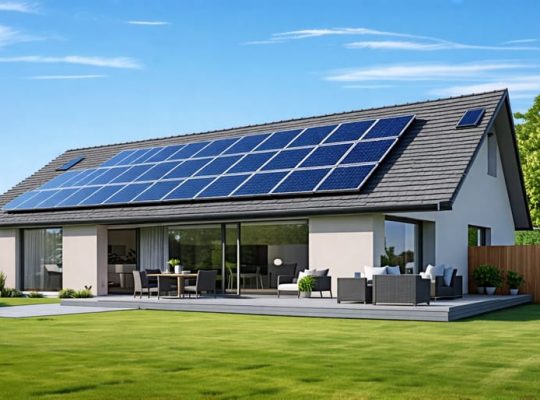
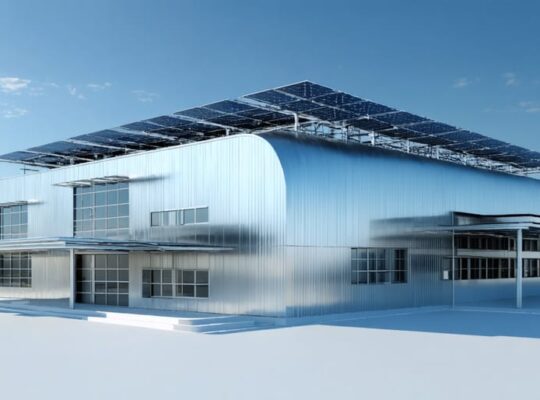
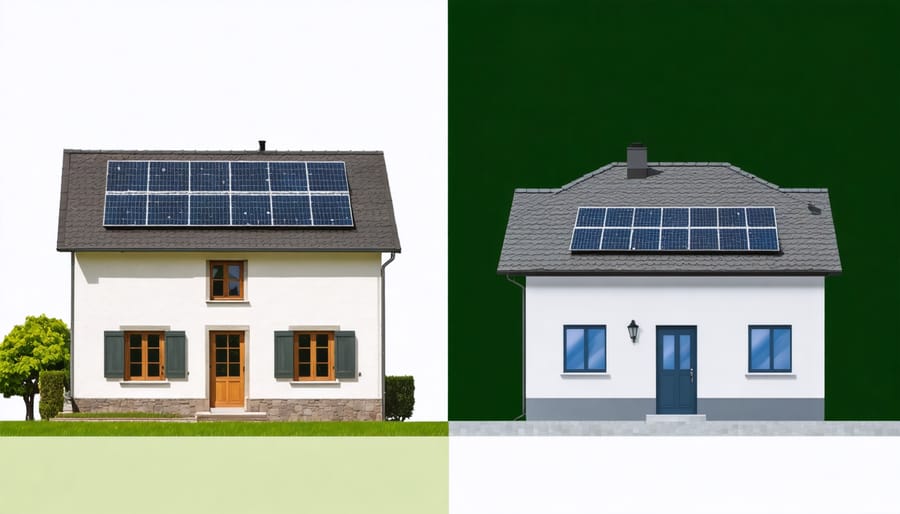
The evolving landscape of residential solar technology presents homeowners with a critical choice: traditional solar panels mounted on existing roofs versus integrated solar shingles that replace conventional roofing materials entirely. While both systems harness the sun’s energy to generate clean electricity, their differences in efficiency, installation requirements, and cost structures significantly impact long-term investment returns. Solar panels typically offer higher energy conversion rates (18-22%) and lower installation costs ($15,000-$25,000 for average homes), making them the established choice for maximum power generation. However, solar shingles provide seamless architectural integration and enhanced curb appeal, despite their generally higher costs ($40,000-$60,000) and slightly lower efficiency (15-18%). This technological convergence represents a pivotal moment in residential solar adoption, where homeowners must balance aesthetic preferences, energy needs, and financial considerations to make an informed decision that aligns with both their sustainability goals and property values.
Understanding Solar Roof Shingles
How Solar Shingles Work
Solar shingle technology operates on the same fundamental principles as traditional solar panels, utilizing photovoltaic cells to convert sunlight into electrical energy. These specialized roof tiles incorporate thin-film solar cells or monocrystalline silicon cells embedded within a durable roofing material, typically composed of tempered glass and advanced polymers.
When sunlight strikes the photovoltaic material within the shingle, it excites electrons in the silicon-based semiconductor, creating an electric field. This process, known as the photovoltaic effect, generates direct current (DC) electricity. The DC electricity is then channeled through integrated wiring systems concealed beneath the shingles to an inverter, which converts it into alternating current (AC) suitable for household use.
Each solar shingle functions as both a weatherproof roofing material and an energy-generating unit. The shingles are designed with overlapping edges that create a seamless, water-resistant surface while maintaining electrical connectivity throughout the system. Modern solar shingles achieve conversion efficiencies ranging from 14% to 22%, depending on the specific technology and manufacturer.
The system’s performance is optimized through microinverter technology, which allows individual shingles to operate independently, minimizing the impact of partial shading or single-unit malfunctions on overall system efficiency.
Installation and Integration
The installation processes for solar shingles and traditional panels differ significantly in their approach and complexity. Solar panels typically require mounting hardware and racking systems installed over existing roofing materials, creating a separate layer above the roof. This installation method, while more straightforward, results in a raised profile on the roof surface.
In contrast, solar shingles are integrated directly into the roofing system as part of building-integrated photovoltaic solutions. They replace traditional roofing materials entirely, serving both as weather protection and power generation units. This integration method requires specialized expertise, as installers must be proficient in both roofing and solar technology.
Installation timeframes also vary considerably. Traditional solar panel installation typically takes 1-3 days, while solar shingle installation can extend to 5-7 days due to the more intricate integration process. The complexity increases when retrofitting existing roofs, as complete roof replacement is often necessary for solar shingle installation.
Both systems require professional installation and appropriate permits, though solar shingles may need additional structural assessment due to their integration with the building envelope. Proper waterproofing and ventilation considerations are particularly crucial for solar shingle installations to ensure long-term roof integrity.
Traditional Solar Panels Explained
Panel Technology and Efficiency
Traditional solar panels typically achieve efficiency rates between 15-20%, with premium models reaching up to 23%. These panels utilize monocrystalline or polycrystalline silicon cells, which have been refined through decades of research and development. In contrast, solar shingles currently operate at slightly lower efficiency rates, generally ranging from 14-18%, due to their design constraints and the need to balance aesthetics with performance.
The efficiency gap stems from several factors. Solar panels can be optimized for maximum sun exposure through tilt and orientation, while solar shingles must conform to the existing roof layout. Additionally, panels typically incorporate better ventilation systems, which helps maintain lower operating temperatures and higher efficiency. Most panels also feature anti-reflective coatings and specialized glass that maximize light absorption.
However, recent technological advances in thin-film photovoltaics have led to significant improvements in solar shingle efficiency. Some manufacturers now offer shingles with integrated maximum power point tracking (MPPT) and sophisticated interconnection systems that help minimize power losses. While the technology continues to evolve, current installation data suggests that a solar panel system typically generates 7-10% more electricity per square foot compared to an equivalent solar shingle installation under identical conditions.
Mounting and Installation Requirements
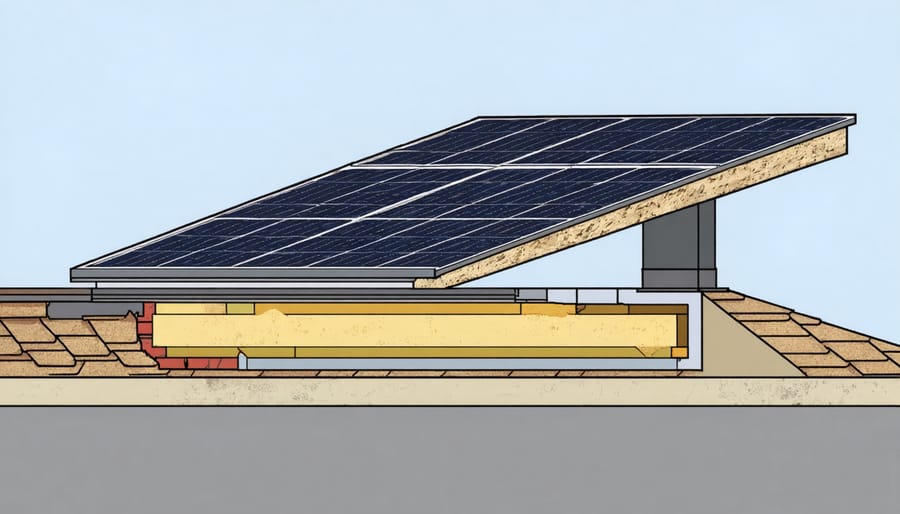
Solar roof shingles and traditional solar panels have distinct mounting requirements that significantly impact their installation processes. Solar shingles integrate directly into the roofing system, replacing conventional roofing materials during installation. This integration requires complete removal of existing roof materials in the installation area, making them ideal for new construction or full roof replacement projects.
In contrast, traditional solar panels utilize a racking system mounted above existing roofing materials. This system requires penetrations through the roof deck to secure mounting hardware, though modern flashing techniques ensure waterproof integrity. The mounting framework typically creates a 3-6 inch air gap between panels and roof surface, facilitating ventilation and reducing heat transfer to the building.
Structural considerations vary between the two options. Solar shingles add approximately 2-4 pounds per square foot to roof load, similar to traditional roofing materials. Standard solar panels typically add 3-6 pounds per square foot including mounting hardware. Both systems require professional evaluation of roof structure to ensure adequate support capacity.
Installation complexity differs significantly. Solar shingles demand specialized training and certification, often requiring authorized installers. Traditional panel installation follows standardized procedures and can be performed by most certified solar contractors, typically completing installation in 2-3 days compared to 5-7 days for shingles.
Comparative Analysis
Energy Generation Efficiency
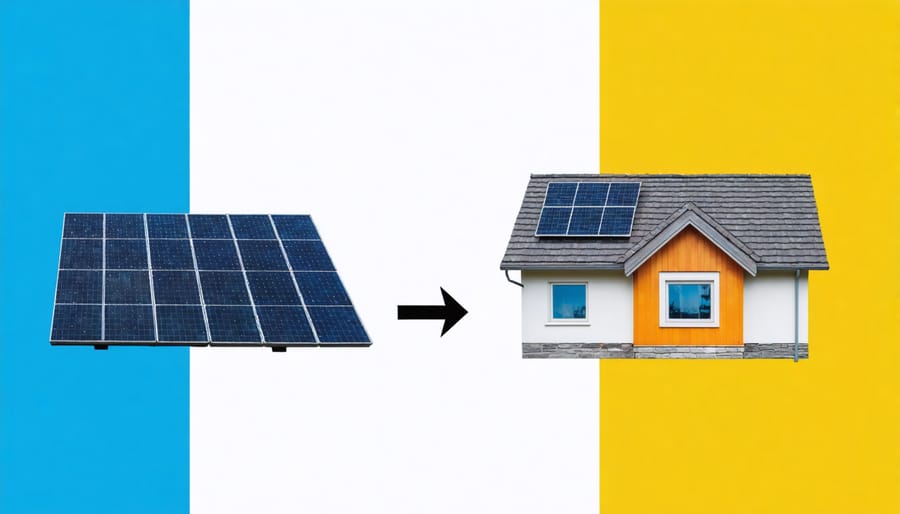
When comparing energy generation efficiency, traditional solar panels typically demonstrate superior performance over solar roof shingles. Standard solar panels achieve efficiency ratings between 15-22%, while solar shingles generally operate at 14-18% efficiency. This difference is primarily due to the optimized design and positioning capabilities of conventional panels.
Solar panels can be installed at ideal angles (typically 30-45 degrees) and orientations to maximize sun exposure, whereas solar shingles must conform to the existing roof slope and direction. This fixed positioning can result in reduced energy capture, particularly in regions where roof designs aren’t optimally aligned with the sun’s path.
Additionally, traditional panels benefit from better ventilation, which helps maintain lower operating temperatures and higher efficiency. Solar shingles, being integrated into the roof structure, typically run at higher temperatures, which can decrease their performance by 0.3-0.5% for every degree Celsius above optimal operating temperature.
However, recent technological advances in solar shingle design have begun narrowing this efficiency gap, with some premium products approaching conventional panel efficiency levels.
Cost Considerations
Cost analysis reveals significant differences between solar roof shingles and traditional panels in both initial investment and long-term value. Solar roof shingles typically cost between $20 to $25 per square foot, translating to approximately $40,000 to $60,000 for an average-sized roof. Traditional solar panels, by comparison, generally range from $15,000 to $25,000 for a complete system installation.
Installation costs vary considerably between the two options. Solar shingles require complete roof replacement and specialized installation, contributing to higher upfront costs. Traditional panels can be mounted on existing roofs, reducing initial expenses. However, the aesthetic integration of solar shingles may increase property value more significantly than conventional panels.
Long-term value considerations include energy efficiency rates and durability. While both systems typically last 20-25 years, solar panels currently demonstrate superior energy conversion efficiency, potentially offsetting their lower installation costs through greater energy production. Maintenance costs tend to be lower for traditional panels due to easier access and more established repair protocols.
Financial incentives, including federal tax credits and state rebates, apply to both technologies, though specific programs may vary by region and installation type.
Aesthetic Impact
The aesthetic impact of solar installations significantly influences property value and curb appeal. Solar roof shingles offer a seamless integration with traditional roofing materials, providing eco-friendly roofing solutions that maintain the architectural integrity of residential structures. Unlike conventional solar panels that protrude from the roof surface, solar shingles create a uniform, low-profile appearance that many homeowners and architectural review boards prefer.
Traditional solar panels, while more noticeable, have evolved in design to feature sleeker profiles and darker frames that minimize visual impact. However, they remain distinctly visible elements on the roof structure. Research indicates that while both solutions can positively affect property values, solar shingles often receive higher aesthetic ratings in residential surveys.
The visual integration factor becomes particularly crucial in historic districts or communities with strict architectural guidelines. Solar shingles typically face fewer objections from homeowners’ associations and preservation committees, potentially streamlining the approval process for installation in regulated neighborhoods.
Durability and Maintenance
Solar panels and solar shingles exhibit distinct durability characteristics and maintenance requirements that significantly impact their long-term performance. Traditional solar panels typically offer a lifespan of 25-30 years, with manufacturers providing warranties that guarantee at least 80% power production capacity after this period. Their elevated installation position allows for natural cleaning through rainfall and promotes better airflow, which helps maintain optimal operating temperatures.
Solar roof shingles, while designed to withstand similar environmental conditions, generally come with 20-25 year warranties. Their integrated design may result in higher operating temperatures due to reduced ventilation, potentially affecting long-term efficiency. However, they provide dual functionality by serving as both roofing material and power generators.
Maintenance requirements differ between the two systems. Solar panels typically need annual cleaning and occasional inspection of mounting hardware and electrical connections. Solar shingles, being more integrated into the roof structure, may require specialized expertise for repairs or replacements. Both systems benefit from professional monitoring systems to detect performance issues, though individual shingle replacement can be more complex due to their interconnected nature.
Making the Right Choice
Property-Specific Considerations
Property characteristics significantly influence the choice between solar roof shingles and traditional panels. Roof pitch and orientation are crucial factors, with steeper roofs typically favoring conventional panels due to their adjustable mounting systems. Solar shingles require specific pitch angles for optimal performance and may not be suitable for all roof configurations.
Geographic location plays a vital role in system selection. Areas with high sun exposure benefit from both technologies, while regions with frequent snow or debris accumulation may favor traditional panels due to their elevated installation profile and easier maintenance access.
Structural considerations include roof age and load-bearing capacity. Solar shingles integrate directly into the roofing system, making them ideal for new construction or complete roof replacements. Traditional panels, mounted on existing roofs, require thorough structural assessment to ensure adequate support.
Historic district regulations and homeowner association guidelines may restrict visible solar installations, making solar shingles’ low-profile aesthetic advantageous. However, preservation requirements in some areas may prohibit alterations to original roofing materials, limiting both options.
Consider future property modifications, as solar shingles require more extensive work for system expansion or roof repairs compared to removable panel arrays.
Future-Proofing Your Investment
When considering long-term solar investments, understanding the evolutionary trajectory of both technologies is crucial. The future of solar roofing points toward increased efficiency and improved aesthetics, with both shingles and panels benefiting from ongoing technological advancements.
Solar panels have established upgrade paths and proven longevity, with manufacturers consistently improving their efficiency ratings and durability. Their modular nature allows for easier component replacement and integration of newer technologies as they emerge. Solar shingles, while newer to the market, are experiencing rapid technological evolution, particularly in terms of energy density and installation methodology.
Investment protection strategies differ between the two options. Traditional panels offer flexibility for future upgrades without complete roof replacement, while integrated shingles may require more comprehensive updates. However, shingle systems are increasingly designed with modularity in mind, potentially simplifying future maintenance and upgrades.
Consider also the development of energy storage solutions and smart home integration capabilities, as both technologies continue to advance in their compatibility with these emerging systems. This adaptability will be crucial for maintaining system relevance over its operational lifetime.
In weighing the merits of solar roof shingles against traditional solar panels, several key factors emerge as critical decision points for both residential and commercial applications. Solar panels continue to demonstrate superior efficiency and cost-effectiveness, offering a proven track record of reliable energy generation and straightforward installation processes. Their higher energy conversion rates and lower installation costs make them an attractive option for those prioritizing maximum power output and rapid return on investment.
However, solar shingles present compelling advantages in aesthetics and architectural integration, making them particularly valuable for new construction projects or complete roof replacements. While their initial costs remain higher and installation requires specialized expertise, ongoing technological advancements are steadily improving their efficiency and reducing manufacturing costs.
For most existing homes seeking solar adoption, traditional solar panels remain the recommended choice due to their established performance, wider availability, and more competitive pricing. Solar shingles become a more attractive option when architectural considerations are paramount or when timing aligns with necessary roof replacement.
The final decision should be based on a careful evaluation of specific circumstances, including budget constraints, aesthetic preferences, local climate conditions, and structural considerations. As both technologies continue to evolve, we anticipate seeing further improvements in efficiency and cost-effectiveness, potentially narrowing the current performance gap between these two solar solutions. Consulting with qualified solar professionals remains essential for determining the most suitable option for your specific situation.